
 Source:
 European Ivy (Hedera helix) short overview
European Ivy is an evergreen, woody vine valued for its glossy foliage, shade tolerance, and ability to climb walls, trunks, and trellises. Juvenile stems carry familiar lobed leaves, while mature flowering shoots develop broader, unlobed leaves and clusters of small greenish-white flowers in fall. It can become vigorous and invasive outdoors in parts of the United States, so contained cultivation and regular pruning are important.
Taxonomic classification
European Ivy (Hedera helix) care guide
Light and placement
Grow in bright filtered light, partial shade, or shade; established plants can tolerate full sun where summer moisture is adequate. East- or north-facing exposures are useful in hot climates, while morning sun is safer than intense afternoon sun. Bleached, scorched, or crispy leaves suggest excessive sun or drought; long internodes and sparse foliage indicate insufficient light.
Watering and humidity
Water deeply when the upper 1–2 inches of soil begin to dry, then allow excess water to drain. Keep newly planted vines evenly moist through their first growing season; mature plants tolerate short dry periods but perform best with consistent moisture. Reduce watering in cool weather and avoid constantly saturated soil, which can encourage root problems.
Soil and growing medium
Use fertile soil with good drainage and moderate moisture retention. Loam amended with compost is suitable, and the plant tolerates clay, sand, and a broad pH range from acidic through alkaline. Improve compacted clay with organic matter and avoid planting where water remains stagnant for long periods.
Feeding
Feed outdoor plants in early spring with a balanced slow-release fertilizer or a thin layer of finished compost. A second light application in early summer is optional for container plants or weak growth. Do not heavily fertilize late in the season, after drought stress, or when the vine is already growing aggressively.
Growth and habit
European Ivy has a juvenile trailing or climbing phase and may later produce adult flowering branches with altered leaves. Adhesive aerial rootlets allow stems to cling to bark, masonry, and other surfaces. Growth can be rapid in favorable conditions, so inspect edges, trees, gutters, and nearby natural areas regularly and cut back unwanted runners before they root.
Planting and repotting
Choose a site with space for long runners and avoid planting beside unmanaged woodland, parkland, or naturalized areas where escape is a concern. Set plants at the root-ball depth, firm the soil, water thoroughly, and mulch lightly without covering stems. Tie young shoots to a trellis if a controlled climbing framework is desired.
Repot container plants when roots circle the pot or growth slows, preferably in spring. Move to a container only one size larger with a drainage hole and a porous, moisture-retentive potting mix. Trim or redirect long runners during repotting, and do not allow stems to root into nearby soil unless spread is intended.
Propagation and pruning
Propagation
Stem cuttings root readily during the growing season; use healthy nonflowering shoots with several nodes and keep the medium evenly moist. Layering is also practical because stems root where they contact soil. Division suits established groundcover clumps. Seed propagation is possible but slower and less predictable, especially for named cultivars.
Pruning
Prune any time for containment, but late winter or early spring is convenient for major reduction before vigorous growth begins. Remove runners that cross boundaries, enter trees, or root where unwanted. Cut stems at their point of origin when possible, and remove detached pieces so they cannot re-root. Clean tools after cutting plants with disease symptoms.
Overwintering
Outdoor plants generally need little protection in suitable zones, but newly planted vines benefit from a light mulch over the root area after the ground cools. Protect containers from repeated hard freezes by moving them to a sheltered location or insulating the pot. Indoor plants should remain in bright light and be kept away from heating vents and cold drafts.
Uses
Useful as a container plant, indoor foliage plant, trellis vine, wall cover, or managed groundcover. Its evergreen foliage provides year-round structure, and mature flowers can offer late-season forage for insects. In many U.S. regions it escapes cultivation and can smother native vegetation or climb trees, so avoid planting where it may spread and check local invasive-plant guidance.
Appearance
Juvenile leaves are alternate, dark green, glossy, leathery, and commonly three- to five-lobed with a heart-shaped base. Adult flowering shoots bear broader, unlobed ovate to rhombic leaves. Young stems may be covered with star-shaped hairs, while older stems become woody and substantial. The evergreen foliage and clinging habit are distinctive identification features.
Flowering
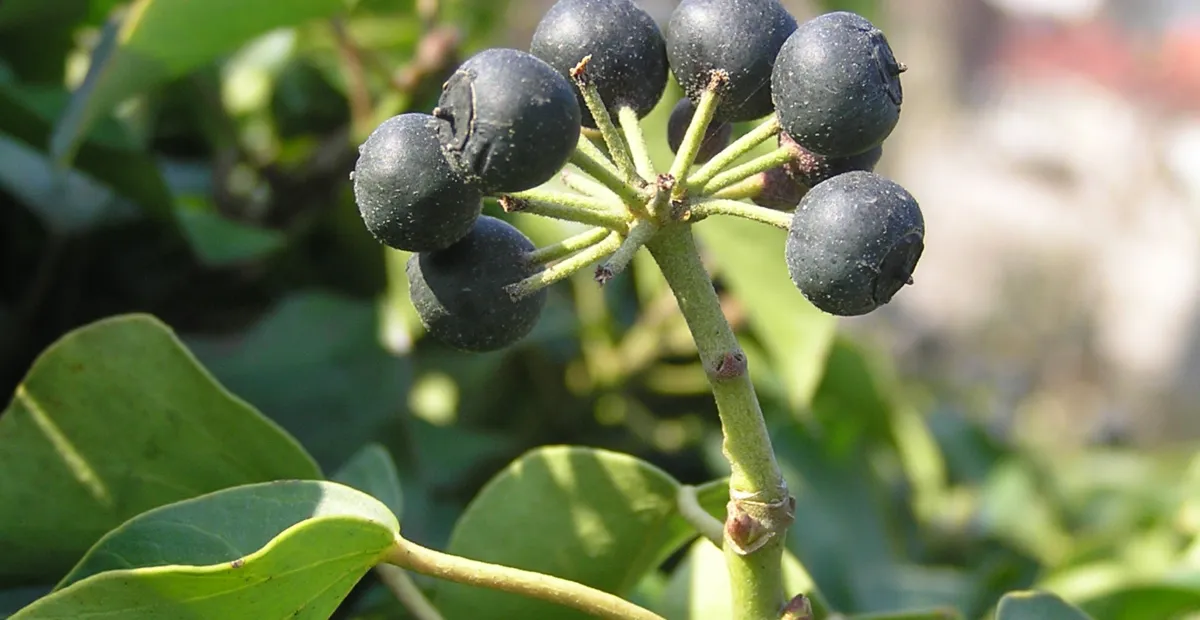
Adult shoots flower mainly in fall, producing many small greenish-white flowers in rounded umbels. The flowers are structurally adapted for insect visitation and appear after much of the summer flowering period has ended. After pollination, the clusters develop dark berry-like fruits that typically mature during the following spring.
Pollination and visitors
The small, nectar- and pollen-producing flowers are visited by bees and other insects, including hoverflies and wasps. Because flowering occurs late in the season, the plant can provide forage when fewer ornamental species are in bloom. Pollinator value should be weighed against the species’ potential to escape and dominate natural habitats.
Hedera helix photos
Click any photo for a larger view. Source, author and license are shown separately.
Diseases and pests
Diseases
Watch for leaf spots, anthracnose, bacterial leaf blight, and root or stem rots, especially where foliage stays wet or soil drains poorly. Improve air circulation, water at the soil line, remove affected leaves, and avoid overhead irrigation. Discard severely diseased material and sterilize cutting tools between plants.
Pests
Common problems include spider mites, scale, aphids, mealybugs, and caterpillars. Inspect leaf undersides and stems regularly, particularly on dry indoor plants. Start with strong water sprays, hand removal, pruning of heavily infested shoots, or horticultural oil or insecticidal soap used according to the product label.
Related diseases and pests
Only Plant Doctor profiles whose host data indicate this plant may be affected are shown here.
 DiseasePhytophthora plurivora Root and Collar RotPhytophthora plurivora
 PestBrown Soft ScaleCoccus hesperidum
 DiseaseAnthracnoseColletotrichum gloeosporioides
 DiseaseBacterial blight of geraniumXanthomonas hortorum pv. pelargonii
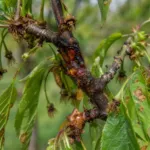 DiseaseBacterial blight and cankerPseudomonas syringae pv. syringae
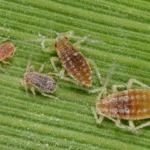 PestMealy Plum AphidHyalopterus pruni (Geoffroy, 1762)
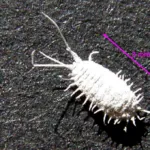 PestObscure mealybugPseudococcus viburni
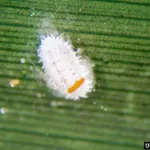 PestCitrus mealybugPlanococcus citri
Toxicity and pollen
Leaves and berry-like fruits contain irritating compounds, including saponins, and ingestion may cause gastrointestinal upset. Keep children and pets from chewing the plant, especially foliage and fruits. Sap may irritate sensitive skin; wear gloves when pruning and wash hands after handling. Seek medical or veterinary advice after significant ingestion or persistent symptoms.
- Typical season
- Usually September–November in much of the United States
- Pollination / pollen
- Heavy, insect-carried pollen released within open flower clusters
European Ivy is insect-pollinated, so its pollen is primarily presented within flowers rather than released broadly into the air. Airborne exposure is generally lower than for wind-pollinated trees and grasses, but sensitive people may still react to pollen or plant contact. Avoid handling flowering material if it causes symptoms and keep indoor plants away from allergy-sensitive areas.
Native habitat
In its native range, European Ivy occurs in temperate woodlands, forest edges, hedgerows, rocky sites, riparian areas, and disturbed ground. It favors moderate moisture and commonly grows in shaded or filtered-light settings, though adult flowering growth can occur in brighter exposures. In the United States it is nonnative and has naturalized widely in parts of the East, Pacific Northwest, and other regions.
Interesting fact
European Ivy changes leaf shape when it shifts from juvenile climbing growth to adult flowering growth. Its aerial rootlets attach to surfaces with glue-like substances rather than true tendrils. Older stems can become thick and trunk-like. The species is evergreen, but its dark fruits generally develop and ripen after the fall flowering period.
Frequently asked questions (FAQ)
The most relevant questions about this plant, with short and direct answers.
🌱Quick care
What is European Ivy (Hedera helix)?⌄
European Ivy is an evergreen, woody climbing or trailing vine in the Araliaceae family. It can grow as a ground cover, houseplant, or self-clinging climber and is commonly grown for year-round foliage. ([research.fs.usda.gov](https://research.fs.usda.gov/feis/species-reviews/hedhel?utm_source=openai))
How much light does European Ivy need?⌄
European Ivy grows in full sun, partial shade, or shade, but variegated cultivars usually need brighter indirect light to maintain their markings. Protect indoor plants from intense hot, direct afternoon sun. ([rhs.org.uk](https://www.rhs.org.uk/plants/ivy/growing-guide?utm_source=openai))
How often should I water European Ivy?⌄
Water European Ivy when the soil surface begins to dry, then water thoroughly and let excess drain away. Keep the soil moderately moist but never consistently waterlogged, because poor drainage can damage the roots. ([rhs.org.uk](https://www.rhs.org.uk/plants/ivy/growing-guide?utm_source=openai))
Is European Ivy easy to grow indoors?⌄
European Ivy can be grown indoors, but it generally performs best in a cool, bright location with moderate moisture and good air circulation. Hot, dry indoor conditions often contribute to spider mites, leaf drop, and browning. ([rhs.org.uk](https://www.rhs.org.uk/plants/43091/hedera-helix/details/?utm_source=openai))
🌤️Environment and placement
Can European Ivy grow in full shade?⌄
Yes, European Ivy tolerates deep shade, although growth may be slower and variegated leaves may become greener. Avoid planting it where the soil stays saturated. ([rhs.org.uk](https://www.rhs.org.uk/plants/ivy/growing-guide?utm_source=openai))
Can European Ivy grow in full sun?⌄
Yes, European Ivy can grow in full sun if it is acclimated gradually and receives adequate moisture. In hot climates, afternoon shade can reduce leaf scorch and drought stress. ([rhs.org.uk](https://www.rhs.org.uk/plants/ivy/growing-guide?utm_source=openai))
What soil is best for European Ivy?⌄
The best soil is fertile, humus-rich, well-drained loam that retains moderate moisture without becoming soggy. European Ivy generally performs especially well in neutral to alkaline soil. ([rhs.org.uk](https://www.rhs.org.uk/plants/ivy/growing-guide?utm_source=openai))
What USDA hardiness zone is European Ivy?⌄
European Ivy is commonly hardy in USDA Zones 4 through 9, depending on the cultivar, exposure, and local winter conditions. Container plants are less cold-protected than plants established in the ground. ([plants.ces.ncsu.edu](https://plants.ces.ncsu.edu/plants/hedera-helix/common-name/english-ivy/?utm_source=openai))
Can European Ivy climb a wall or fence?⌄
Yes, juvenile European Ivy climbs using small adhesive rootlets that cling to many surfaces. Monitor it closely because established vines can spread rapidly and may complicate maintenance on masonry, siding, or wooden structures. ([rhs.org.uk](https://www.rhs.org.uk/plants/ivy/growing-guide?utm_source=openai))
Is European Ivy invasive in the United States?⌄
European Ivy is invasive or potentially invasive in parts of the United States, especially in regions where it can escape into forests and other natural areas. Check your state and local restrictions before planting it outdoors, and prevent berries and stem fragments from spreading. ([research.fs.usda.gov](https://research.fs.usda.gov/feis/species-reviews/hedhel?utm_source=openai))
💧Care and problems
Why are the leaves of my European Ivy turning brown?⌄
Brown leaves usually result from underwatering, dry indoor air, excessive fertilizer, intense sun, or root problems caused by poor drainage. Check soil moisture, roots, humidity, and light exposure before changing the watering schedule. ([rhs.org.uk](https://www.rhs.org.uk/plants/43091/hedera-helix/details/?utm_source=openai))
Why is my European Ivy losing leaves?⌄
Leaf loss is commonly associated with watering stress, sudden environmental changes, low humidity, heat, or pests. Keep conditions steady, provide bright indirect light indoors, and inspect the foliage and stems for mites, scale, or aphids. ([rhs.org.uk](https://www.rhs.org.uk/plants/43091/hedera-helix/details/?utm_source=openai))
What pests affect European Ivy?⌄
European Ivy may be affected by spider mites, scale insects, vine weevils, and aphids. Indoor infestations are more likely when air is hot and dry, so isolate affected plants and improve growing conditions while treating the pest. ([rhs.org.uk](https://www.rhs.org.uk/plants/43091/hedera-helix/details/?utm_source=openai))
Does European Ivy need fertilizer?⌄
European Ivy usually needs only light feeding during active growth if it is planted in fertile soil or fresh potting mix. Avoid heavy fertilization, which can contribute to weak growth and root or leaf damage.
🪴Planting and repotting
When is the best time to plant European Ivy outdoors?⌄
Plant European Ivy in spring or early fall, when temperatures are moderate and the soil can be worked. Give newly planted vines regular moisture while they establish, especially during dry weather.
How far apart should I plant European Ivy as ground cover?⌄
Spacing depends on the cultivar and how quickly you want the area covered, but plants are often set about 12 to 24 inches apart. Because European Ivy spreads aggressively, use wider spacing and regular pruning where containment is important.
Can European Ivy be grown in a container?⌄
Yes, European Ivy grows well in a container with drainage holes and a well-drained potting mix. Choose a container that matches the root ball, and expect to prune or repot it as the vines become crowded.
Can European Ivy grow on trees?⌄
European Ivy can climb trees, but allowing it to cover trunks and branches is generally discouraged because its weight and dense growth can stress trees and conceal defects. Cut vines at ground level and let attached sections die before carefully removing them. ([landscapeplants.oregonstate.edu](https://landscapeplants.oregonstate.edu/plants/hedera-helix?utm_source=openai))
✂️Propagation and pruning
How do you propagate European Ivy from cuttings?⌄
Take healthy semi-hardwood stem cuttings in summer, remove the lower leaves, and place the cuttings in a moist, well-drained rooting medium. Keep them humid and evenly moist until roots develop; adult flowering shoots produce bushier, non-climbing plants. ([rhs.org.uk](https://www.rhs.org.uk/plants/43091/hedera-helix/details/?utm_source=openai))
Can European Ivy grow roots in water?⌄
European Ivy cuttings may develop roots in water, but transferring them to soil after rooting can be less reliable than rooting them directly in a moist, well-drained medium. Use healthy, non-flowering juvenile stems for the best chance of success.
How do you prune European Ivy?⌄
Prune European Ivy whenever necessary to remove damaged growth, control spread, and keep the plant within its space. Cut stems back to a healthy leaf or node, collect fragments, and do not compost invasive outdoor cuttings where they could root or spread. ([rhs.org.uk](https://www.rhs.org.uk/plants/43091/hedera-helix/details/?utm_source=openai))
⚠️Toxicity and safety
Is European Ivy poisonous to dogs and cats?⌄
Yes, European Ivy is toxic to dogs and cats if eaten and may cause vomiting, abdominal pain, excessive drooling, and diarrhea. Contact a veterinarian or an animal poison-control service if a pet has ingested the plant. ([aspca.org](https://www.aspca.org/pet-care/aspca-poison-control/toxic-and-non-toxic-plants/hahns-self-branching-english-ivy?utm_source=openai))
Is European Ivy poisonous to humans?⌄
Yes, the leaves and berries of European Ivy are toxic if eaten and may cause gastrointestinal upset. Keep the plant away from children, and seek medical advice after suspected ingestion. ([research.fs.usda.gov](https://research.fs.usda.gov/feis/species-reviews/hedhel?utm_source=openai))
Can touching European Ivy cause a rash?⌄
Touching European Ivy is not the same as touching poison ivy, but its sap can cause skin irritation or allergic reactions in some people. Wear gloves and long sleeves when pruning or removing large amounts of the plant. ([plants.ces.ncsu.edu](https://plants.ces.ncsu.edu/plants/hedera-helix/common-name/glacier-ivy/?utm_source=openai))
How do you remove European Ivy from a tree?⌄
Cut every vine at the base of the tree and again at a comfortable height, then leave the upper sections to dry before removing them carefully. Do not pull living vines forcefully from the bark, and remove all rooted fragments from the ground to reduce regrowth. ([research.fs.usda.gov](https://research.fs.usda.gov/feis/species-reviews/hedhel?utm_source=openai))
Is European Ivy safe to plant near a house?⌄
European Ivy can be planted near a house only where its spread and attachment can be monitored closely. It may enter cracks, cling to surfaces, conceal maintenance problems, and become difficult to remove, so a trellis or contained planter is a safer option than unrestricted wall growth. ([rhs.org.uk](https://www.rhs.org.uk/plants/ivy/growing-guide?utm_source=openai))
🌸Flowering and special interest
Does European Ivy flower?⌄
Yes, mature European Ivy produces small greenish-yellow flowers in rounded clusters, usually in fall, followed by dark berries that ripen through winter or the following spring. Juvenile climbing growth may not flower until the plant reaches its adult phase. ([rhs.org.uk](https://www.rhs.org.uk/plants/ivy/growing-guide?utm_source=openai))
Why is my European Ivy not flowering?⌄
European Ivy may not flower because it is still in its juvenile climbing phase, is grown indoors, or is being kept in conditions that favor leafy juvenile growth. Mature adult shoots are more likely to flower and develop the characteristic bushier form. ([rhs.org.uk](https://www.rhs.org.uk/plants/ivy/growing-guide?utm_source=openai))
Does European Ivy produce berries?⌄
Yes, mature flowering shoots can produce dark berries after flowering. The berries may provide food for birds, but they should not be eaten by people or pets because European Ivy is toxic if ingested. ([research.fs.usda.gov](https://research.fs.usda.gov/feis/species-reviews/hedhel?utm_source=openai))
Similar plants
 Azure Monkshood (Aconitum carmichaelii) care guideAconitum carmichaelii
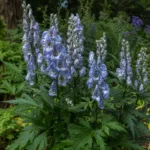 Monkshood (Aconitum ‘Stainless Steel’)Aconitum 'Stainless Steel'
 Monkshood (Aconitum ‘Bressingham Spire’)Aconitum 'Bressingham Spire'
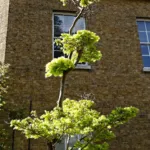 Golden full moon maple (Acer shirasawanum ‘Aureum’)Acer shirasawanum 'Aureum'
 Globosum (Acer platanoides ‘Globosum’)Acer platanoides 'Globosum'
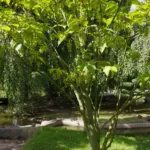 Striped maple (Acer pensylvanicum) care guideAcer pensylvanicum
Sources and data reliability
GBIF + Wikidata exact taxon (P225) – localized label/alias – local common name
iNaturalist – localized genus name
Hedera helix, English ivy | US Forest Service Research and Development
Hedera helix|common ivy/RHS Gardening
English Ivy - Hedera helix | North Carolina Extension Gardener Plant Toolbox
Hedera helix | Landscape Plants | Oregon State University
Toxic and Non-toxic Plants: Hahn's Self Branching English Ivy | ASPCA
Glacier Ivy - Hedera helix | North Carolina Extension Gardener Plant Toolbox