
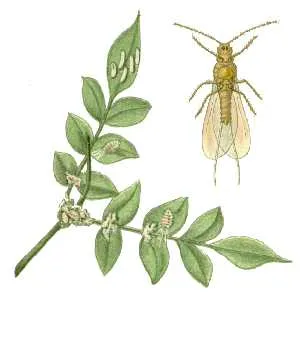
Long-tailed mealybug
Pseudococcus longispinusLong-tailed mealybug overview
The long-tailed mealybug, Pseudococcus longispinus, is a sap-feeding insect pest of greenhouse, houseplant, nursery, orchard and warm-climate landscape plants. Colonies hide in leaf axils, on stems, beneath leaves and around fruit clusters. Feeding can weaken plants, produce sticky honeydew and promote black sooty mold. Its two conspicuously long waxy tail filaments help distinguish it from several related mealybugs.
Typical conditions
Overview
The long-tailed mealybug is a soft-bodied hemipteran in the family Pseudococcidae. Females and nymphs are covered with white wax and commonly settle in sheltered plant locations such as leaf axils, stem joints, leaf undersides, roots near the soil surface and fruit clusters.
Adults are usually about 1/8 inch long. The most useful field clue is the pair of long waxy filaments projecting from the rear, often longer than the body. Because several mealybug species look similar, a confirmed identification may require an expert examination or diagnostic laboratory.
Symptoms and identification
- White, cottony insects or wax in leaf axils, stem crevices, beneath leaves, around roots or between tightly packed plant parts.
- Yellowing, wilting, reduced vigor, distorted young growth and premature leaf or fruit drop when infestations are heavy.
- Sticky honeydew on leaves, containers or nearby surfaces, followed by dark superficial sooty mold.
- On grapes and other fruit crops, colonies may occur under bark, in bunches or where fruit touches supporting tissue.
- Ant activity can indicate honeydew-producing colonies and may help conceal or spread an infestation.
Symptoms are not diagnostic by themselves. Cottony scale insects, root mealybugs and other Pseudococcidae can produce similar signs.
Causes and spread
Damage results from piercing-sucking feeding that removes plant sap. Honeydew is excreted as a by-product of feeding and supports sooty mold growth; it may also attract ants.
Spread commonly occurs when crawlers move to nearby plants, when infested cuttings or nursery stock are introduced, or when foliage and containers touch. Indoor and greenhouse populations can persist because temperature, humidity and host plants remain relatively stable. Females are wingless, so long-distance movement is primarily through infested plant material, equipment, people or air movement carrying crawlers.
Life cycle and persistence
Unlike many mealybugs, the long-tailed mealybug does not produce a conspicuous external egg sac. Eggs remain within the female until hatching, and newly emerged crawlers appear almost immediately around the mother.
Female nymphs pass through three immature stages before adulthood; males pass through additional stages and develop as small winged adults. Crawlers are the most mobile and least protected stage. Several overlapping generations may occur in greenhouses or warm climates, while outdoor activity is more seasonal in cooler parts of the United States.
Treatment and control
- Confirm the pest before treatment. Look for the two long posterior wax filaments, but obtain expert confirmation when the crop is valuable or quarantine status matters.
- Isolate infested houseplants or greenhouse plants. Wash colonies from sturdy foliage with a firm stream of water and remove accessible individuals with a cotton swab or soft brush.
- Prune and discard badly infested plant parts in sealed bags. Do not compost material that could carry crawlers.
- Monitor weekly with close visual inspections, focusing on new growth, leaf axils, undersides and plant contacts. Repeat control measures as newly hatched crawlers appear.
- For production crops, coordinate scouting, ant suppression, sanitation, biological control and any permitted pesticide use as one IPM program. Coverage is critical for contact materials because wax protects older stages.
Low-impact and biological control
For light infestations, hand removal, pruning and repeated water sprays can be effective. Horticultural oils, insecticidal soaps or other reduced-risk products may help when the label permits use on the particular crop and the plant tolerates treatment. Thorough coverage of concealed colonies is essential, and repeat applications are often needed for crawlers.
Conserve natural enemies by avoiding unnecessary broad-spectrum insecticides. Depending on crop, climate and supplier availability, biological control may include mealybug destroyer beetles and parasitoid wasps such as species used against Pseudococcus mealybugs. Ant control improves biological-control performance. Test any soap or oil on a small area first, and avoid applications during heat, drought stress or conditions that increase phytotoxicity risk.
Prevention
- Inspect incoming plants, especially orchids, tropical ornamentals, vines, citrus and other greenhouse stock, with particular attention to leaf axils, undersides, stems and root-zone material.
- Quarantine new plants for at least several weeks and recheck them before placing them with established plants.
- Space plants to reduce contact and improve inspection and spray coverage. Remove heavily infested leaves or shoots when practical.
- Control ants around benches, containers and plants because ants may protect honeydew-producing mealybugs from natural enemies.
- Clean pruning tools, benches, pots and shipping materials; avoid moving infested cuttings or plant debris.
- Maintain balanced fertility and irrigation rather than promoting excessively soft, nitrogen-rich growth.
Interesting facts
- The species name longispinus refers to its long spines or tail-like wax filaments.
- Its eggs hatch within the female, so the pest may appear to give birth to live young and does not produce the conspicuous egg sacs associated with some other mealybugs.
- It is distributed widely worldwide and is particularly common as a greenhouse pest.
- Long-tailed mealybug has been reported from economically important hosts including avocado, citrus, grapes, pear, persimmon, pineapple, cycads and orchids.
- Mealybugs can contribute to the spread of grapevine leafroll-associated viruses in vineyards, although virus transmission depends on the virus, vector population and crop situation.
Use only products legally authorized and currently labeled in the United States for long-tailed mealybug on the specific crop and site. Follow the current label exactly, including rate, protective equipment, reentry interval, preharvest interval and pollinator precautions. Do not assume a product labeled for another mealybug, crop or setting is legal or effective. Contact insecticides generally work best against crawlers and require excellent coverage; systemic options are subject to crop, site, state and label restrictions.
Affected plants
The plants below are linked to this problem by structured host-plant data. The list updates automatically as new plant profiles are added.
 Pineapple (Ananas comosus) care guideAnanas comosus
 Moon orchid (Phalaenopsis amabilis) care guidePhalaenopsis amabilis
 Phalaenopsis aphrodite care guidePhalaenopsis aphrodite
 Phalaenopsis bellina care guidePhalaenopsis bellina
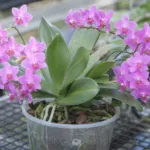 Phalaenopsis equestris care guidePhalaenopsis equestris
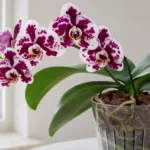 Moth orchid (Phalaenopsis ‘Harlequin’)Phalaenopsis 'Harlequin'
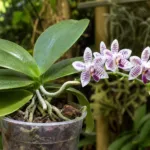 Phalaenopsis lueddemanniana care guidePhalaenopsis lueddemanniana
 Phalaenopsis ‘Mini Mark’Phalaenopsis 'Mini Mark'
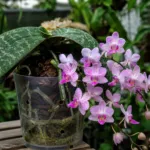 Phalaenopsis schilleriana care guidePhalaenopsis schilleriana
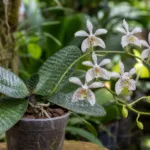 Phalaenopsis stuartiana care guidePhalaenopsis stuartiana
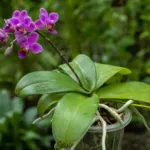 Orchid (Phalaenopsis violacea) care guidePhalaenopsis violacea
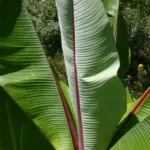 Enset or ensete (Ensete ventricosum) care guideEnsete ventricosum