
 AI-generated illustration
 Moth orchid (Phalaenopsis ‘Harlequin’) short overview
Phalaenopsis 'Harlequin' is a registered hybrid moth orchid known for its distinctive color-broken flowers, typically marked with irregular dark spots or blotches over a lighter ground. The name refers to a specific 1959 hybrid, although “harlequin” is also widely used in the orchid trade for related spotted Phalaenopsis cultivars. It is a warm-growing, epiphytic orchid best suited to bright filtered light, airy orchid medium, careful watering, and indoor cultivation in the United States.
Taxonomic classification
Moth orchid (Phalaenopsis ‘Harlequin’) care guide
Light and placement
Place near an east-facing window, or several feet from a bright south- or west-facing window behind a sheer curtain. Bright filtered light supports flowering without scorching the leaves. Dark green leaves and weak flowering suggest insufficient light; yellow-green or red-tinged leaves, bleached patches, and crisp brown areas indicate excessive light. Rotate the pot occasionally for even growth, but avoid hot glass and intense afternoon sun.
Watering and humidity
Water thoroughly when the upper portion of the medium has nearly dried, then allow the pot to drain completely. Many mature plants in bark need watering about weekly, but indoor heat, pot size, season, and medium determine the interval. Water in the morning and keep water out of the crown; blot trapped water to reduce crown-rot risk. Use room-temperature water and never leave the pot standing in water. Humidity around 50–60% is useful, but airflow is equally important.
Soil and growing medium
Use a coarse Phalaenopsis orchid mix based on bark, with perlite, coarse sphagnum, or another open component as needed. The roots need both moisture and abundant air, so ordinary potting soil is unsuitable. Choose a container with generous drainage and repot when the bark decomposes or remains wet for too long. A mildly acidic root environment is typical; avoid compact, stagnant media and salt accumulation.
Feeding
Feed during active root and leaf growth with a balanced orchid fertilizer at about half the label strength, commonly after watering rather than onto dry roots. A practical routine is weekly feeding or three feedings out of four waterings, followed by plain water periodically to flush salts. Reduce to quarter-strength in darker winter conditions. Do not fertilize severely dehydrated, diseased, or freshly repotted plants until roots begin recovering.
Growth and habit
This is a monopodial orchid: new leaves emerge from a single central growing point while older lower leaves eventually age and yellow. Flower spikes may branch and can rebloom from a remaining green node after flowering. Healthy aerial roots are normal and should not be forced into the medium. Stable warmth, moderate humidity, air circulation, and an airy root zone are more important than frequent maintenance.
Planting and repotting
Grow in a pot with drainage and use an open orchid medium rather than garden soil. Position the crown above the mix and spread healthy roots naturally through the container without burying aerial roots forcibly. Secure newly potted plants if needed, and avoid heavy watering until damaged roots have had time to dry and heal.
Repot about every two years, or sooner when bark has decomposed, drainage slows, or roots are declining. Remove the plant gently, discard dead or mushy roots, and refresh the medium without packing it tightly. A transparent orchid pot can help monitor roots and moisture. Repotting is easiest after flowering, although an urgent medium failure should be corrected promptly.
Propagation and pruning
Propagation
Commercial Phalaenopsis hybrids are usually propagated by sterile tissue culture. Home growers may obtain occasional keikis from a flower spike or basal growth, but dependable division is uncommon because the plant has one main growing point. Separate a keiki only after it has several established roots and leaves, using sterile tools and a small airy orchid mix.
Pruning
After flowering, remove a completely dry brown spike at its base with sterilized shears. If the spike remains green, it can be retained for possible branching or cut just above a healthy node. Remove only dead, diseased, or badly damaged leaves; do not cut healthy aerial roots or the central crown.
Overwintering
In the United States, grow indoors year-round and protect the plant from frost, cold drafts, and contact with chilled window glass. Keep nighttime temperatures preferably above 60°F, with short periods near 55°F sometimes useful for spike initiation. Reduce fertilizer in winter when light is weak, but do not allow the medium or roots to remain continuously wet.
Uses
Primarily used as a long-lasting indoor flowering ornamental, windowsill plant, office plant, or gift orchid. It is also useful for studying orchid flower structure and hybrid breeding. It has no established culinary or medicinal use in this profile.
Appearance
The plant forms a compact rosette of thick, broad, glossy evergreen leaves above stout aerial roots. Flower spikes rise or arch from the leaf axils. The registered 'Harlequin' name is associated with color-broken flowers, but exact pattern intensity and color distribution can vary among flowers and growing conditions. Confirming this old hybrid from appearance alone is unreliable because many unrelated commercial Phalaenopsis hybrids are also sold as harlequin types.
Flowering
The flowers are borne on upright to arching racemes and may remain decorative for several weeks or months. Flower patterning is the defining horticultural feature: lighter petals and sepals are marked by irregular dark spots, blotches, or color breaks. Indoor plants may initiate spikes after a modest autumn night-temperature reduction, but timing is variable and many cultivated plants can flower at different times of year.
Pollination and visitors
The exact registered hybrid is cultivated primarily indoors, and a dependable pollinator or visitor record for this named plant was not located. Phalaenopsis flowers have specialized pollinia and floral structures adapted for insect-mediated pollination in their broader lineage, but that does not establish a specific visitor for this cultivar.
Diseases and pests
Diseases
Prevent crown and root rot with an airy medium, drainage, morning watering, and dry foliage by night. Watch for soft brown roots, blackened crown tissue, leaf spots, and gray mold on flowers. Isolate symptomatic plants, remove dead tissue with sterile tools, improve airflow, and correct excess moisture. Avoid routine pesticide or fungicide use without identifying the problem and following the product label.
Pests
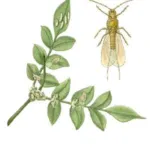
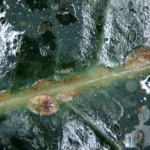
Inspect leaf undersides, roots, flower spikes, and buds for scale, mealybugs, aphids, thrips, and fungus gnats. Quarantine new plants, remove visible insects with a cotton swab or gentle wash, and repeat an appropriate labeled treatment as needed. Avoid spraying open flowers unnecessarily, and address wet, decomposing medium when fungus gnats are present.
Related diseases and pests
Only Plant Doctor profiles whose host data indicate this plant may be affected are shown here.
Toxicity and pollen
Phalaenopsis orchids are listed by the ASPCA as non-toxic to dogs and cats. This supports a low-concern household classification for the plant, but plant material can still cause minor gastrointestinal upset if eaten in quantity, and potting products, fertilizers, pesticides, or decorative materials may create separate hazards. Prevent chewing where possible and contact a veterinarian if concerning symptoms occur.
- Typical season
- Usually indoor and not seasonally defined
- Pollination / pollen
- Pollen is packaged in compact pollinia rather than released as loose airborne grains.
Phalaenopsis pollen is packaged into pollinia, cohesive masses that are not normally dispersed like the loose, wind-borne pollen of many allergenic plants. This suggests low routine airborne exposure, but it is not proof of zero allergy risk. Sensitive people may still react to plant contact, floral materials, mold in wet media, or other household exposures.
Native habitat
Phalaenopsis is an epiphytic tropical orchid lineage associated with warm, humid forest environments where plants grow on trunks or branches rather than in ordinary soil. The hybrid itself has no native habitat; its recorded parentage and commercial cultivation represent horticultural origins rather than a wild distribution.
Interesting fact
The RHS International Orchid Register records 'Harlequin' as a 1959 hybrid of Rosita × Grace Palm. The trade term “harlequin” is broader than this single registered hybrid. Harlequin-patterned Phalaenopsis became especially notable through later mutation and clonal-selection work in commercial breeding. Phalaenopsis orchids are monopodial and produce new leaves from one central growing point.
Frequently asked questions (FAQ)
The most relevant questions about this plant, with short and direct answers.
🌱Quick care
How do you care for Phalaenopsis 'Harlequin'?⌄
Give Phalaenopsis 'Harlequin' bright filtered light, thorough watering when the bark mix is nearly dry, good drainage, and warm, frost-free conditions. Use an airy orchid medium rather than standard potting soil.
🌤️Environment and placement
How much light does Phalaenopsis 'Harlequin' need?⌄
Phalaenopsis 'Harlequin' grows best in bright, indirect or filtered light. An east-facing window is usually suitable, while direct midday sun through an unshaded south or west window can scorch the leaves.
Can Phalaenopsis 'Harlequin' grow in a north-facing window?⌄
It can survive in a bright north-facing window, but flowering may be weaker if the light is insufficient. If the leaves are very dark green and the plant will not rebloom, provide a brighter filtered location or supplemental grow light.
What temperature is best for Phalaenopsis 'Harlequin'?⌄
Keep Phalaenopsis 'Harlequin' warm, generally around 65–85°F during the day and above 60°F at night. Protect it from frost, cold drafts, and abrupt temperature changes, especially while buds are developing.
Does Phalaenopsis 'Harlequin' need high humidity?⌄
Moderate to high humidity helps Phalaenopsis 'Harlequin', especially when grown in a dry home. Use a humidifier or a pebble tray while maintaining air movement and keeping water out of the crown.
💧Care and problems
How often should you water Phalaenopsis 'Harlequin'?⌄
Water Phalaenopsis 'Harlequin' thoroughly when the orchid bark is nearly dry, often about once a week indoors but less or more frequently depending on temperature, light, pot size, and medium. Drain all excess water before returning it to its cover pot.
Should you mist Phalaenopsis 'Harlequin'?⌄
Misting is not a substitute for watering Phalaenopsis 'Harlequin' and can leave moisture in the crown or on flowers. Water the medium thoroughly instead, and improve humidity with a humidifier if needed.
Why are the roots of Phalaenopsis 'Harlequin' turning brown or mushy?⌄
Brown, mushy roots usually indicate excess moisture, poor drainage, or decomposing medium. Remove the orchid from its pot, trim dead roots with sterilized scissors, and repot it in fresh, open orchid mix.
Why are the leaves of Phalaenopsis 'Harlequin' turning yellow?⌄
An older bottom leaf may yellow naturally, but widespread yellowing can result from overwatering, root damage, nutrient problems, or excessive light. Check the roots and medium first, then adjust watering and placement rather than removing healthy leaves.
Why are the leaves of Phalaenopsis 'Harlequin' wrinkled?⌄
Wrinkled leaves usually mean the plant is not taking up enough water, commonly because the medium is too dry or the roots have rotted. Inspect the roots before simply watering more, because damaged roots cannot absorb moisture effectively.
What fertilizer is best for Phalaenopsis 'Harlequin'?⌄
Use a balanced orchid fertilizer at the label dilution during active growth, typically every third or fourth watering. Flush the pot with plain water periodically to reduce fertilizer-salt buildup, and fertilize less during cool, low-light periods.
🪴Planting and repotting
Can Phalaenopsis 'Harlequin' grow in regular potting soil?⌄
No, regular potting soil holds too much water around the roots. Plant Phalaenopsis 'Harlequin' in chunky orchid bark or another airy orchid mix that allows rapid drainage and air circulation.
When should you repot Phalaenopsis 'Harlequin'?⌄
Repot Phalaenopsis 'Harlequin' when the medium has broken down, stays wet too long, or the roots have outgrown or damaged the pot. The best time is usually after flowering, although urgent root or rot problems justify repotting sooner.
What pot is best for Phalaenopsis 'Harlequin'?⌄
Choose a pot with drainage holes and enough space for the current root system, not a much larger container. A clear orchid pot can make it easier to monitor roots and moisture, but an opaque, well-draining pot also works.
Should Phalaenopsis 'Harlequin' roots be covered with bark?⌄
Most healthy roots should be supported by the orchid mix without being tightly packed or buried deeply. Keep the crown above the medium, because trapped moisture around the crown can cause rot.
✂️Propagation and pruning
How do you propagate Phalaenopsis 'Harlequin'?⌄
Phalaenopsis 'Harlequin' is most commonly propagated commercially by tissue culture, while home growers may separate a mature keiki after it develops several roots. Seed propagation is not practical for most home growers because orchid seeds need specialized sterile conditions.
Where should you cut the flower spike on Phalaenopsis 'Harlequin'?⌄
If the spike is still green and the plant is large and healthy, cut just above a lower node to possibly encourage side flowering. If the spike is brown, dry, or the plant is small or weak, cut it near the base so the orchid can redirect energy to roots and leaves.
Should you cut off the leaves of Phalaenopsis 'Harlequin' when they turn yellow?⌄
Do not remove a yellowing leaf until it is completely dry and separates easily. Removing it early can create an unnecessary wound and may remove nutrients the plant is still recovering from the leaf.
⚠️Toxicity and safety
Is Phalaenopsis 'Harlequin' toxic to dogs and cats?⌄
Phalaenopsis orchids, including harlequin-type plants, are generally considered non-toxic to dogs and cats. Still, keep pets from chewing the plant, bark, fertilizer, or potting materials, which can cause choking or stomach upset.
Is Phalaenopsis 'Harlequin' safe to grow indoors?⌄
Yes, Phalaenopsis 'Harlequin' is well suited to indoor growing when it receives bright filtered light and proper drainage. Keep it away from frost, heating vents, and persistently cold windows.
🌸Flowering and special interest
How do you get Phalaenopsis 'Harlequin' to rebloom?⌄
Provide adequate bright filtered light, consistent watering, light feeding during growth, and a modest cooler nighttime period for several weeks in autumn or winter. Reblooming is not guaranteed on a schedule, and low light is a common reason for failure.
How long do Phalaenopsis 'Harlequin' flowers last?⌄
Individual Phalaenopsis 'Harlequin' flowers can remain attractive for weeks, while a healthy flowering display may last for several months. Flower longevity varies with plant health, temperature, light, drafts, and watering practices.
Will Phalaenopsis 'Harlequin' bloom again on the same spike?⌄
It may rebloom from a green, healthy old spike, especially if the plant is vigorous. However, cutting the spike to the base can be better when the plant is small, the flowers are getting smaller, or the spike has turned brown.
Why is Phalaenopsis 'Harlequin' not blooming?⌄
Insufficient light is one of the most common reasons Phalaenopsis 'Harlequin' fails to bloom, although weak roots, poor nutrition, unsuitable temperatures, or a normal vegetative rest can also contribute. Improve light first while keeping watering and roots healthy.
Do Phalaenopsis 'Harlequin' flowers always keep the same pattern?⌄
No, the color intensity and spotting or blotching of a harlequin-type Phalaenopsis can vary between flowerings. Light, temperature, plant condition, and the hybrid’s genetics may influence how strongly the pattern appears.
Similar plants
 Laelia anceps care guideLaelia anceps
 Lycaste aromatica care guideLycaste aromatica
 Orchid (Phalaenopsis violacea) care guidePhalaenopsis violacea
 Cymbidium insigne care guideCymbidium insigne
 Crested Coelogyne (Coelogyne cristata) care guideCoelogyne cristata
 Phalaenopsis lueddemanniana care guidePhalaenopsis lueddemanniana