
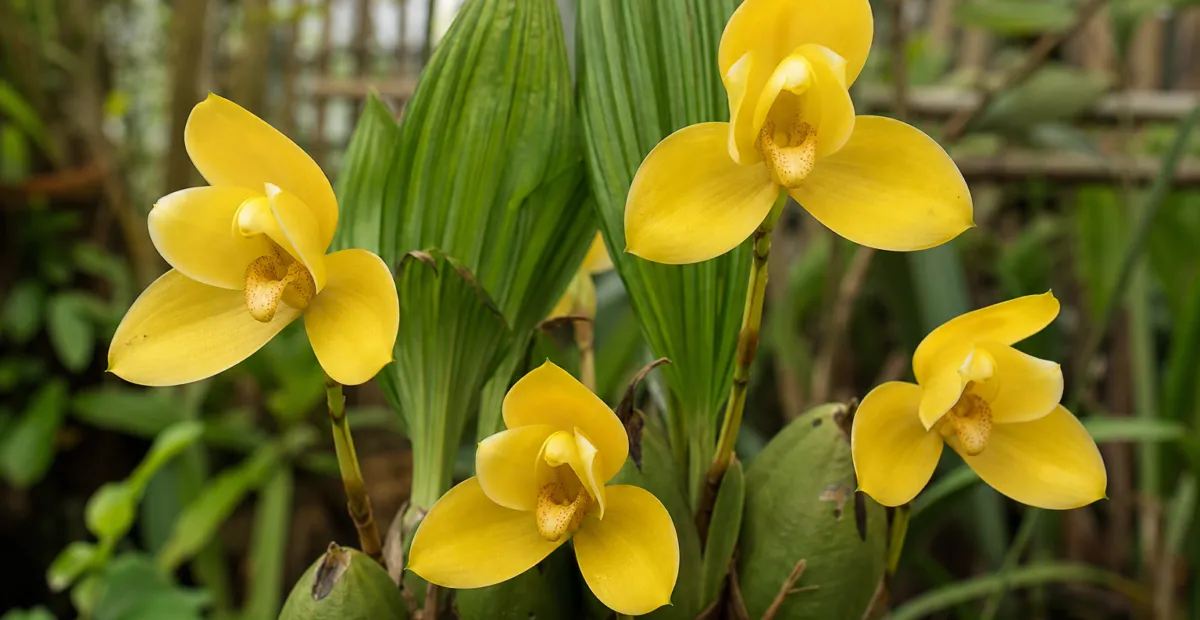
 AI-generated illustration
Lycaste aromatica short overview
Lycaste aromatica is a compact, deciduous orchid native to seasonally dry tropical forests from Mexico through Central America. Its oval pseudobulbs produce pleated leaves and solitary yellow flowers in late spring and summer, often with a powerful cinnamon-like fragrance. In the United States it is best grown as a potted greenhouse or houseplant in bright filtered light, an airy orchid medium, steady moisture during growth, and a brief, cooler winter rest.
Taxonomic classification
Lycaste aromatica care guide
Light and placement
Provide bright filtered light, such as an east-facing window, shaded greenhouse bench, or a south or west exposure screened by sheer material. Gentle morning sun is useful, but harsh midday or afternoon sun can bleach or scorch leaves. Pale, elongated growth suggests insufficient light; yellowing, reddish stress coloration, or crisp patches suggest excess light or heat.
Watering and humidity
Water thoroughly when the upper medium is beginning to dry, then let excess drain completely. Keep the mix evenly but not constantly saturated while leaves and roots are active; warm conditions may require frequent watering. After leaves mature or drop, reduce watering substantially and allow a short rest, but avoid prolonged severe shriveling of pseudobulbs.
Soil and growing medium
Use a medium-grade epiphytic orchid mix based on bark with added moisture retention, such as coarse peat or sphagnum used sparingly. The medium must drain rapidly while remaining lightly moist during active growth. A slightly acidic root environment is suitable; avoid dense garden soil and waterlogged containers.
Feeding
Feed during active leaf and root growth with a complete orchid fertilizer at diluted label strength, typically every two to four waterings. Flush the medium periodically to limit salt accumulation. Reduce or stop feeding when leaves yellow and the plant enters rest; never fertilize a severely dry or diseased root system.
Growth and habit
This perennial orchid forms a slowly enlarging clump of oval pseudobulbs. New leafy growth is produced during the active season, then leaves may be shed before or around flowering and dormancy. Keep the plant stable in its pot and avoid disturbing roots during the resting period.
Planting and repotting
Container planting is preferable in the United States except in frost-free, humid greenhouse conditions. Set the rhizome at the surface of the orchid medium rather than burying the pseudobulbs. Anchor divided plants firmly and allow new roots to establish before exposing them to prolonged dryness.
Repot when the medium breaks down or the plant outgrows its container, preferably as new roots begin to emerge after flowering. Use a stable pot only slightly larger than the root mass, keep the newest pseudobulb toward the center, and avoid burying pseudobulbs.
Propagation and pruning
Propagation
Divide established clumps when several mature pseudobulbs are present and new root growth is starting. Each division should retain multiple healthy pseudobulbs and at least one active growth point. Seed propagation requires sterile orchid-flask culture and is generally a specialist method.
Pruning
Remove only fully dead leaves, spent flower stems, and rotted tissue. Do not cut healthy green pseudobulbs or remove yellowing leaves prematurely, because nutrients are withdrawn into the storage organs before dormancy.
Overwintering
Keep frost-free, ideally above 50°F at night, with bright light and good ventilation. During dormancy, reduce watering and stop feeding, but do not expose the plant to cold, stagnant, wet conditions. Resume more regular watering as new growth and roots appear.
Uses
Primarily grown as a fragrant ornamental orchid for collections, conservatories, bright indoor displays, and frost-free patios. Its compact clumping habit and strongly scented yellow flowers make it useful as a specimen plant. It has no established culinary or medicinal use in the reviewed sources.
Appearance
The plant forms oval green pseudobulbs in a compact clump. Leaves are pleated lengthwise, lance-shaped to broadly lanceolate, and deciduous. Mature pseudobulbs can produce several separate, single-flowered stems. Yellow flowers and a conspicuous cinnamon-like scent are key identification features.
Flowering
Flowers are produced singly on erect to arching stems from mature pseudobulbs, often as the plant resumes growth after its seasonal rest. Specimens may open many flowers at once. In northern-hemisphere cultivation, flowering is generally concentrated from late spring into summer, although greenhouse conditions can shift the timing.
Pollination and visitors
Smithsonian collection data identifies bee pollination involving euglossine bees that collect floral scent. This is a documented pollination association for the species, but visitor frequency in ordinary US home cultivation is not established.
Lycaste aromatica photos
Click any photo for a larger view. Source, author and license are shown separately.
Diseases and pests
Diseases
Prevent bacterial and fungal rot by providing air movement, using a clean, free-draining medium, and keeping water out of crowded new growth overnight. Remove damaged tissue with sterilized tools. Soft, dark pseudobulbs or a sour-smelling medium indicate excessive moisture or poor drainage and require prompt correction.
Pests
Watch for scale, mealybugs, aphids, thrips, and spider mites, especially in dry indoor air. Inspect pseudobulbs, leaf undersides, and flower stems regularly. Isolate affected plants, remove small infestations manually, and use a labeled insecticidal soap or horticultural oil only when the plant is well hydrated and the product is approved for orchids.
Related diseases and pests
Only Plant Doctor profiles whose host data indicate this plant may be affected are shown here.
 DiseaseBacterial soft rotPectobacterium carotovorum
 DiseaseRhizopus soft rotRhizopus stolonifer
 PestMealy Plum AphidHyalopterus pruni (Geoffroy, 1762)
 PestOnion thripsThrips tabaci Lindeman
 PestMelon thripsThrips palmi Karny
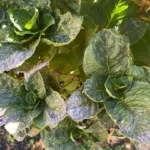 PestChilli thripsScirtothrips dorsalis Hood
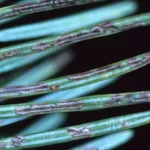 DiseaseRhabdocline Needle Cast of Douglas-FirRhabdocline pseudotsugae
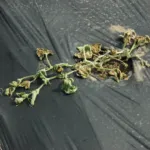 DiseaseBacterial WiltRalstonia solanacearum species complex
Toxicity and pollen
No authoritative species-specific evidence establishing toxicity to humans, dogs, or cats was located in the reviewed botanical and horticultural sources. Treat it as an unverified ornamental plant: do not allow children or pets to chew it, and seek professional advice after ingestion or an adverse reaction.
- Typical season
- No reliable US airborne-pollen season documented
- Pollination / pollen
- Pollinia carried by insect visitors
As an insect-pollinated orchid, its pollen is packaged in pollinia rather than released as a loose airborne cloud. That suggests low routine airborne exposure, but species-specific allergy testing and clinical evidence are lacking, so a zero-risk claim would be unjustified.
Native habitat
It occurs from Mexico through Belize, Guatemala, El Salvador, Honduras, Nicaragua, and related Central American areas. Kew characterizes it as a pseudobulbous epiphyte of seasonally dry tropical regions; collection records also place it in semi-deciduous or warm oak forests at roughly 1,640–6,600 feet.
Interesting fact
The species is accepted by Kew and has a native range extending from Mexico into Central America. Its deciduous leaves are shed seasonally, while the pseudobulbs store resources for renewed growth. The powerful cinnamon-like scent is one of its defining horticultural features. Older names include Maxillaria aromatica and Colax aromaticus.
Frequently asked questions (FAQ)
The most relevant questions about this plant, with short and direct answers.
🌱Quick care
How do you care for Lycaste aromatica indoors?⌄
Grow Lycaste aromatica in bright filtered light, an airy orchid mix, regular moisture while it is actively growing, and a cooler, much drier winter rest. Keep the plant protected from drafts, heating vents, and temperatures below about 50°F.
🌤️Environment and placement
How much light does Lycaste aromatica need?⌄
Provide bright filtered light or partial shade, with gentle morning or late-afternoon sun if the leaves do not scorch. More light generally supports better flowering, but strong midday sun through glass can burn the foliage.
Can Lycaste aromatica grow on a windowsill?⌄
Yes, a bright east-facing or lightly shaded south- or west-facing windowsill can work well. Use a sheer curtain during intense summer sun and keep the plant away from hot glass, radiators, and forced-air vents.
What temperature is best for Lycaste aromatica?⌄
Lycaste aromatica prefers intermediate conditions, with warm days and cooler nights; protect it from temperatures below about 50°F. A noticeable winter night drop can help maintain its seasonal rest and encourage flowering.
Can Lycaste aromatica be grown outdoors in the United States?⌄
It can grow outdoors seasonally in warm, frost-free areas when protected from harsh midday sun and excessive rain. In most of the United States, move it indoors or into a heated greenhouse before temperatures approach 50°F.
What humidity does Lycaste aromatica need?⌄
Moderate to high humidity with good air movement is beneficial, especially during active growth. Humidity should never replace drainage and ventilation, because stagnant, constantly wet conditions increase the risk of fungal or bacterial rot.
💧Care and problems
How often should you water Lycaste aromatica?⌄
Water regularly during active growth, allowing excess water to drain freely and letting the surface become slightly less wet before watering again. As the leaves yellow and fall in winter, reduce watering substantially but avoid prolonged saturation or complete desiccation of the pseudobulbs.
Does Lycaste aromatica need a winter dormancy?⌄
Yes, this deciduous species benefits from a brief, cool winter rest after its leaves are shed. Keep it bright and much drier during dormancy, then gradually resume watering when new growth or flower growth begins.
Why is my Lycaste aromatica losing its leaves?⌄
Seasonal leaf loss is normal for Lycaste aromatica because it is a deciduous orchid. If leaves fall prematurely with soft pseudobulbs, foul-smelling roots, or blackened tissue, suspect excessive moisture, poor drainage, or cold damage.
Why are the pseudobulbs on my Lycaste aromatica shriveling?⌄
Mild wrinkling can occur during the winter rest, but severe or persistent shriveling usually indicates insufficient moisture, damaged roots, or a failing root system. Check the roots and potting mix before simply increasing watering.
What pests affect Lycaste aromatica?⌄
Aphids, scale insects, and other common orchid pests may occasionally infest Lycaste aromatica. Inspect new growth and leaf undersides regularly, isolate affected plants, and use a treatment labeled for orchids according to its directions.
🪴Planting and repotting
What potting mix is best for Lycaste aromatica?⌄
Use a moisture-retentive but airy, well-drained epiphytic orchid mix, such as medium-grade bark combined with perlite or another open component. The mix should hold some moisture during growth without staying soggy around the roots.
What type of pot should I use for Lycaste aromatica?⌄
Choose a pot with excellent drainage that is only slightly larger than the root system, because Lycaste aromatica generally performs well when snugly potted. Plastic or other moisture-retentive pots can work if watering is adjusted to the slower drying rate.
When should Lycaste aromatica be repotted?⌄
Repot when the mix has decomposed, drainage has declined, or the plant has clearly outgrown its container, preferably as new roots begin developing. Avoid unnecessary root disturbance because established Lycastes may be set back by rough repotting.
How often should Lycaste aromatica be repotted?⌄
There is no fixed annual schedule; repot when the medium breaks down or the plant outgrows its container, often after roughly two to three years in a suitable mix. Hot conditions and frequent watering can shorten the life of the medium.
✂️Propagation and pruning
Can Lycaste aromatica be divided?⌄
Yes, a large established plant can be propagated by division. Each division should contain several healthy mature pseudobulbs and enough roots to support new growth; divide when the plant is beginning active growth.
Can Lycaste aromatica be grown from seed at home?⌄
Not practically by ordinary home methods, because orchid seed normally requires sterile laboratory culture and a suitable fungal or tissue-culture process. Division is the realistic propagation method for hobby growers.
Should I prune Lycaste aromatica?⌄
Little pruning is needed beyond removing spent flower stems and dead or diseased tissue. Do not remove healthy pseudobulbs or green leaves simply for appearance, because they store resources for future growth and flowering.
How do I remove spent flowers from Lycaste aromatica?⌄
Once flowering is finished, cut the flower stem near its base with sterilized scissors. Leave healthy pseudobulbs and foliage intact, and avoid cutting into new growth or recently developing roots.
⚠️Toxicity and safety
Is Lycaste aromatica toxic to cats or dogs?⌄
There is no documented species-specific toxicity information confirming Lycaste aromatica as poisonous to cats, dogs, or people, so its safety remains unverified. Prevent pets and children from chewing the plant, potting media, or fertilizer, and contact a veterinarian or poison-control service if ingestion causes symptoms.
🌸Flowering and special interest
Why is Lycaste aromatica not blooming?⌄
Insufficient light, excessive winter watering, immature pseudobulbs, or a missing temperature and moisture change can prevent flowering. Give established plants brighter filtered light, a distinct but not damaging winter rest, and steady moisture during active growth.
When does Lycaste aromatica flower?⌄
Lycaste aromatica commonly flowers from late spring into summer, often as new growth resumes, although timing can vary with local conditions and greenhouse culture. Flowers may emerge from mature, leafless pseudobulbs.
Are Lycaste aromatica flowers fragrant?⌄
Yes, the flowers are notably fragrant, and the scent is often described as sweet, spicy, or cinnamon-like. Fragrance intensity can vary with the individual plant, time of day, temperature, and flower maturity.
How long do Lycaste aromatica flowers last?⌄
Individual flowers can remain attractive for several weeks under suitable conditions, although the exact duration depends on temperature, humidity, plant health, and handling. Keep flowering plants away from hot, dry air and rapidly changing temperatures.
Similar plants
 Azure Monkshood (Aconitum carmichaelii) care guideAconitum carmichaelii
 Monkshood (Aconitum ‘Stainless Steel’)Aconitum 'Stainless Steel'
 Monkshood (Aconitum ‘Bressingham Spire’)Aconitum 'Bressingham Spire'
 Golden full moon maple (Acer shirasawanum ‘Aureum’)Acer shirasawanum 'Aureum'
 Globosum (Acer platanoides ‘Globosum’)Acer platanoides 'Globosum'
 Striped maple (Acer pensylvanicum) care guideAcer pensylvanicum