
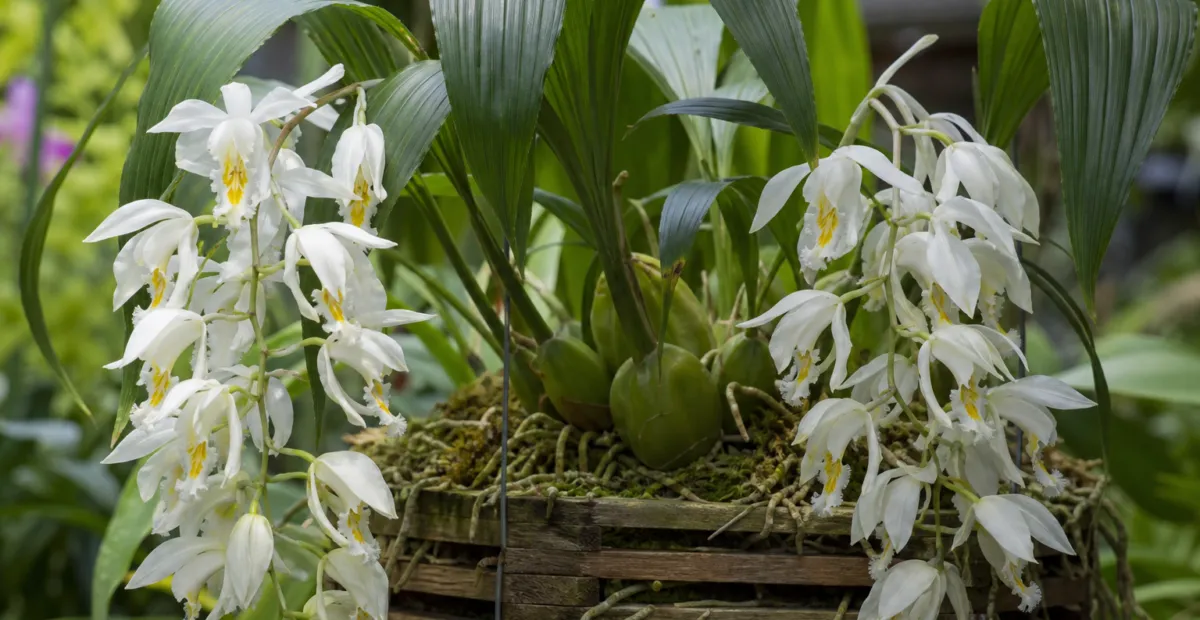
 AI-generated illustration
Crested Coelogyne (Coelogyne cristata) short overview
Crested Coelogyne is a cool-growing Himalayan orchid valued for its rounded pseudobulbs, pleated evergreen leaves, and pendulous sprays of large, fragrant white flowers marked with yellow on the lip. It grows naturally on trees and mossy rocks in humid mountain forests, where bright light, strong air movement, heavy summer watering, and a cooler, drier winter rest support reliable growth and flowering. In the United States, it is best cultivated in a cool greenhouse, conservatory, or carefully managed indoor orchid collection.
Taxonomic classification
Crested Coelogyne (Coelogyne cristata) care guide
Light and placement
Give bright filtered light comparable to moderate Cattleya conditions, with roughly 2,000–3,000 foot-candles where it can be monitored. An east- or west-facing greenhouse position, or a bright indoor spot behind a sheer curtain, is suitable. Increase light during the cool winter rest, but protect leaves from hot direct midday sun. Pale, yellowing leaves or scorched patches indicate excessive light; very dark, soft growth and poor flowering suggest insufficient light. Keep air moving continuously.
Watering and humidity
Water freely and thoroughly while new roots and pseudobulbs are developing, allowing excess water to drain completely and avoiding a stagnant, waterlogged mix. After growth matures in fall, gradually reduce irrigation. During the cool winter rest, provide only occasional light watering or early-morning misting; the newest pseudobulbs may shrivel slightly, but severe shriveling or dying leaf tips indicates excessive dryness. Resume heavier watering gradually when new roots begin in spring.
Soil and growing medium
Use a shallow pot or basket filled with a coarse, open orchid medium such as fine-to-medium fir bark blended with perlite, charcoal, tree-fern fiber, or a little chopped sphagnum. The mix must retain some moisture during summer without staying saturated around the roots. A porous epiphytic structure is more important than a particular ingredient. Slightly acidic to neutral conditions are suitable. Replace broken-down medium promptly because poor aeration encourages root loss.
Feeding
Feed during active growth with a balanced orchid fertilizer diluted to about one-quarter to one-half the label strength, either weekly or at every third watering. Flush the container thoroughly with plain water every few weeks to limit fertilizer-salt accumulation, especially with hard water. Feeding can be reduced or stopped as growth hardens in late summer and fall, and should generally be withheld during the cool, dry winter rest.
Growth and habit
This is a sympodial orchid that expands through connected pseudobulbs and gradually forms a broad clump. Flower racemes arise from the base of mature pseudobulbs, often before the next season’s growth begins. It dislikes unnecessary root disturbance and may pause for several seasons after rough division or repotting, so maintain an airy, stable container and divide only when the plant has clearly outgrown it.
Planting and repotting
Grow in a shallow, well-ventilated pot or basket rather than a deep water-retentive container. Position the oldest pseudobulbs toward the back or edge so new growth can move into fresh space. Keep the rhizome and pseudobulbs above the medium, anchor the plant securely, and avoid compressing the roots. Provide excellent drainage and strong air circulation from the beginning.
Repot only when the medium has decomposed, drainage has declined, or the plant has outgrown its container. Time the work to the start of new root growth in spring. Use a shallow basket or pot and fresh porous orchid mix. Avoid unnecessary root disturbance; the species may sulk for one or more seasons after repotting.
Propagation and pruning
Propagation
The practical method is division of established pseudobulb chains when the plant has outgrown its container and fresh root growth is starting. Keep each division with several healthy pseudobulbs and active or viable roots. Pot divisions firmly in fresh, airy medium and provide slightly reduced watering until new roots establish.
Pruning
No routine shaping is required. After flowering, remove spent racemes with sterile scissors once they have fully finished. Do not cut healthy green pseudobulbs or leaves. Remove only dead, diseased, or completely shriveled tissue, and sterilize tools between cuts.
Overwintering
Provide a cool, bright rest with good air movement and substantially reduced watering. Keep the plant dry during cold spells because wet roots and cold temperatures increase damage risk. Protect it from prolonged freezing. In heated homes, place it in the coolest bright room available and keep it away from heat vents; resume more regular watering only when spring root growth begins.
Uses
Primarily grown as a specimen orchid for cool greenhouses, conservatories, orchid collections, and sheltered indoor displays. Its large white flowers and fragrance make it valuable for seasonal ornamental display. It is not an edible or culinary plant, and no unsupported medicinal use should be assumed.
Appearance
Rounded green pseudobulbs support two leathery, pleated, lance-shaped leaves. The arching or pendant flower racemes emerge from the base of mature pseudobulbs and carry several large, waxy white flowers. The lip has conspicuous yellow keels and golden-yellow markings. The combination of paired pleated leaves, clustered pseudobulbs, and large crystalline-looking white flowers is distinctive.
Flowering
Mature pseudobulbs produce pendant to suberect racemes, commonly 6–12 inches long, with several flowers opening together. Individual blooms are long-lasting when kept cool and relatively dry. The flowers are predominantly white, with yellow keels and blotches on the lip. In nature, blooming is associated with the cool, dry season and commonly extends into early spring.
Pollination and visitors
Coelogyne flowers are insect-pollinated, and the genus is associated with visits by bees, wasps, and beetles. A consistently documented primary pollinator species for Coelogyne cristata was not established in the sources reviewed, so no species-level visitor is assigned.
Coelogyne cristata photos
Click any photo for a larger view. Source, author and license are shown separately.
Diseases and pests
Diseases
The plant is generally disease-resistant when air circulation and drainage are good. Soft brown roots and a collapsing root ball indicate rot, often caused by old medium or excessive winter moisture. Leaf-tip dieback can result from drought, low humidity, fertilizer salts, or root problems. Remove damaged roots, refresh the medium, improve ventilation, and flush accumulated salts before resorting to chemical treatments.
Pests
Watch for aphids, mealybugs, and glasshouse red spider mites, especially on stressed plants or in dry indoor air. Inspect leaf bases, pseudobulbs, and undersides of leaves regularly. Isolate affected plants, remove light infestations manually or with a water rinse, and use a labeled horticultural treatment only when necessary, following its directions and avoiding applications in hot bright conditions.
Related diseases and pests
Only Plant Doctor profiles whose host data indicate this plant may be affected are shown here.
 DiseaseRhizopus soft rotRhizopus stolonifer
 DiseaseBacterial soft rotPectobacterium carotovorum
 PestEuropean red mitePanonychus ulmi
 PestCitrus red mitePanonychus citri
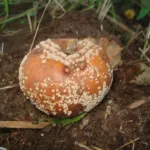 DiseaseEuropean brown rotMonilinia fructigena
 DiseaseBrown Rot of Stone FruitMonilinia fructicola
 PestMealy Plum AphidHyalopterus pruni (Geoffroy, 1762)
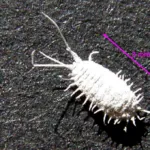 PestObscure mealybugPseudococcus viburni
Toxicity and pollen
Independent searches did not locate authoritative species-specific toxicity data for Coelogyne cristata in humans, dogs, cats, or children. Lack of documentation is not proof of safety. Keep orchids and potting materials away from chewing pets and young children, and seek professional medical or veterinary advice after ingestion or a concerning reaction.
- Typical season
- Typically winter to early spring in the United States when cultivated plants bloom
- Pollination / pollen
- Heavy orchid pollinia packaged in compact masses rather than freely airborne grains
This orchid produces pollinia, compact pollen masses adapted for insect transfer rather than abundant free airborne release. That suggests relatively low airborne pollen exposure compared with wind-pollinated plants, but it is not evidence of zero allergy risk. Sensitive people should avoid handling flowers if symptoms occur and maintain good greenhouse ventilation.
Native habitat
It occurs in humid mountain forests at roughly 5,250–8,530 feet, or about 1,600–2,600 meters. Plants grow as epiphytes on trees and as lithophytes on mossy rocks, often in exposed positions with strong light, frequent fog or mist, heavy summer rainfall, and a cooler, brighter, drier winter period.
Interesting fact
The species was historically known under the name Cymbidium speciosissimum. Its flowers are among the largest in the genus, and cultivated clumps can eventually become very large. The chromosome number reported for the species is 2n=40. Despite its cool requirements, it can tolerate brief subfreezing exposure when kept dry.
Frequently asked questions (FAQ)
The most relevant questions about this plant, with short and direct answers.
🌱Quick care
How do you care for Crested Coelogyne indoors?⌄
Grow Crested Coelogyne in bright filtered light, a porous orchid mix, high humidity, strong air movement, and cool temperatures. Water generously during active growth, then reduce watering substantially during its winter rest.
Is Crested Coelogyne easy to grow?⌄
Crested Coelogyne is manageable for orchid growers who can provide cool temperatures and a distinct winter rest. It is less suitable for consistently warm, dim, or poorly ventilated indoor conditions.
🌤️Environment and placement
How much light does Crested Coelogyne need?⌄
Provide bright filtered light comparable to about 2,000–3,000 foot-candles. Give more light in winter if possible, but protect the leaves from intense midday sun that causes bleaching or burns.
Can Crested Coelogyne grow under LED lights?⌄
Yes, Crested Coelogyne can grow under LED lights when the fixture provides bright orchid-level illumination for roughly 12–15 hours daily. Keep the plant cool and adjust the distance if leaves become pale, yellow, or scorched.
What temperature does Crested Coelogyne prefer?⌄
Crested Coelogyne prefers cool conditions, with summer days around 69–75°F and winter nights potentially near 36–39°F if the plant is kept dry. Protect it from frost and avoid prolonged heat without extra humidity and air movement.
Does Crested Coelogyne need high humidity?⌄
Yes, high humidity is beneficial throughout the year, especially during active growth. Pair humidity with strong air circulation so the leaves and potting medium do not remain stagnant and wet.
Where should I place Crested Coelogyne in a home?⌄
Place it near a bright east or shaded south-facing window, or under a strong grow light, in the coolest well-ventilated area available. Avoid hot windows, furnace vents, cold drafts, and locations where water can collect in new growths.
💧Care and problems
Does Crested Coelogyne need a winter dormancy?⌄
Yes, a cool, relatively dry winter rest helps Crested Coelogyne mature pseudobulbs and flower. Reduce watering for about two to three months after growth has finished, but provide a small drink if the newest pseudobulbs shrivel excessively.
How often should I water Crested Coelogyne?⌄
Water Crested Coelogyne freely and frequently while it is actively growing, allowing little drying in a well-drained mix. In winter, water only lightly or mist occasionally until new roots begin growing in spring.
Why are my Crested Coelogyne pseudobulbs shriveling?⌄
Slight pseudobulb shriveling is normal during the winter rest, but severe shriveling can indicate excessive dryness or damaged roots. Check the roots and increase watering gradually only when the plant is actively rooting or the bulbs are becoming dangerously soft.
Why are the leaf tips on my Crested Coelogyne turning brown?⌄
Brown leaf tips can result from low humidity, underwatering, salt buildup, or root problems caused by decomposed media. Flush the pot thoroughly, inspect the roots if symptoms persist, and improve humidity and watering consistency.
Why is my Crested Coelogyne developing root rot?⌄
Root rot usually occurs when old, compacted media stays wet or watering continues heavily during winter. Replace broken-down media, remove dead roots, improve drainage and airflow, and keep the plant drier until active root growth resumes.
Should I fertilize Crested Coelogyne in winter?⌄
Reduce or stop fertilizing Crested Coelogyne during its winter rest. Resume weak orchid fertilizer as watering and new root growth increase in spring, following the product label rather than applying a strong concentration.
What pests affect Crested Coelogyne?⌄
Crested Coelogyne may be affected by aphids, mealybugs, and greenhouse red spider mites. Inspect leaves, pseudobulbs, and new growth regularly, isolate affected plants, and use an orchid-safe treatment according to its label.
🪴Planting and repotting
What potting mix is best for Crested Coelogyne?⌄
Use a porous epiphytic orchid mix based on fine to medium fir bark, with optional perlite, charcoal, or a small amount of chopped sphagnum. The mix should retain moisture during summer without becoming soggy or staying wet in winter.
Should Crested Coelogyne be grown in a pot or basket?⌄
Crested Coelogyne can grow in a pot, slatted basket, or other well-ventilated orchid container. A basket is useful for large spreading clumps, while a pot is practical when the mix drains quickly and the plant is kept stable.
When should I repot Crested Coelogyne?⌄
Repot Crested Coelogyne when the medium has decomposed, drainage has declined, or the plant has outgrown its container. The safest time is when a flush of new roots is beginning, because the plant can re-establish more quickly.
Does Crested Coelogyne dislike repotting?⌄
Yes, Crested Coelogyne may pause growth or flowering for an extended period after repotting or division. Repot only when necessary, disturb healthy roots as little as possible, and choose a container that allows room for the spreading rhizome.
How often should Crested Coelogyne be repotted?⌄
Repot Crested Coelogyne when the potting medium breaks down or the plant outgrows its container rather than on a fixed annual schedule. In a durable, well-drained medium, unnecessary repotting can delay recovery and flowering.
✂️Propagation and pruning
How do you divide Crested Coelogyne?⌄
Divide Crested Coelogyne by separating the rhizome into sections containing several healthy pseudobulbs and active roots. Division is best done when repotting is already necessary and new root growth is starting.
Can Crested Coelogyne be propagated from a single pseudobulb?⌄
A single older pseudobulb is generally a poor division because it may lack enough stored energy and growing points. Use larger divisions with multiple connected pseudobulbs and healthy roots for a better chance of recovery.
Should I prune Crested Coelogyne after flowering?⌄
No major pruning is required for Crested Coelogyne. Remove spent flower spikes with sterilized tools after blooming, but keep green leaves and firm pseudobulbs because they continue supporting the plant.
⚠️Toxicity and safety
Is Crested Coelogyne toxic to cats or dogs?⌄
No reliable species-specific toxicity classification was found for Crested Coelogyne. Because individual animals can react differently to plant material and potting products, prevent pets from chewing the plant and contact a veterinarian if ingestion causes symptoms.
Can Crested Coelogyne survive frost?⌄
Crested Coelogyne should be protected from frost. It may tolerate brief near-freezing conditions when completely dry, but freezing temperatures, wet roots, and prolonged exposure can cause serious damage.
🌸Flowering and special interest
Why is my Crested Coelogyne not blooming?⌄
The most common causes are insufficient winter cooling, too much winter water, inadequate light, immature pseudobulbs, or stress after repotting. Provide brighter winter light, a cool dry rest, and generous summer growth conditions without forcing the plant.
When does Crested Coelogyne bloom?⌄
Crested Coelogyne usually blooms from winter into early spring, although cultivated plants may vary with temperature, light, and growing conditions. Flower spikes can appear before or around the start of new spring growth.
Are Crested Coelogyne flowers fragrant?⌄
Yes, Crested Coelogyne commonly produces fragrant white flowers with yellow markings on the lip. Fragrance intensity varies with the individual plant and environmental conditions.
How can I encourage Crested Coelogyne to flower?⌄
Encourage flowering with strong filtered light, vigorous summer growth, mature pseudobulbs, and a cool, drier winter rest. Avoid keeping the plant constantly wet during winter, because excessive moisture can reduce flowering and damage roots.
Why are my Crested Coelogyne flower buds turning brown?⌄
Bud browning can follow sudden temperature changes, very dry air, insufficient roots, excessive moisture, or stagnant air around developing growths. Keep conditions stable, maintain moderate humidity, and avoid water sitting on buds or inside new growths.
Similar plants
 Azure Monkshood (Aconitum carmichaelii) care guideAconitum carmichaelii
 Monkshood (Aconitum ‘Stainless Steel’)Aconitum 'Stainless Steel'
 Monkshood (Aconitum ‘Bressingham Spire’)Aconitum 'Bressingham Spire'
 Golden full moon maple (Acer shirasawanum ‘Aureum’)Acer shirasawanum 'Aureum'
 Globosum (Acer platanoides ‘Globosum’)Acer platanoides 'Globosum'
 Striped maple (Acer pensylvanicum) care guideAcer pensylvanicum