
 Source:
 Phalaenopsis ‘Mini Mark’ short overview
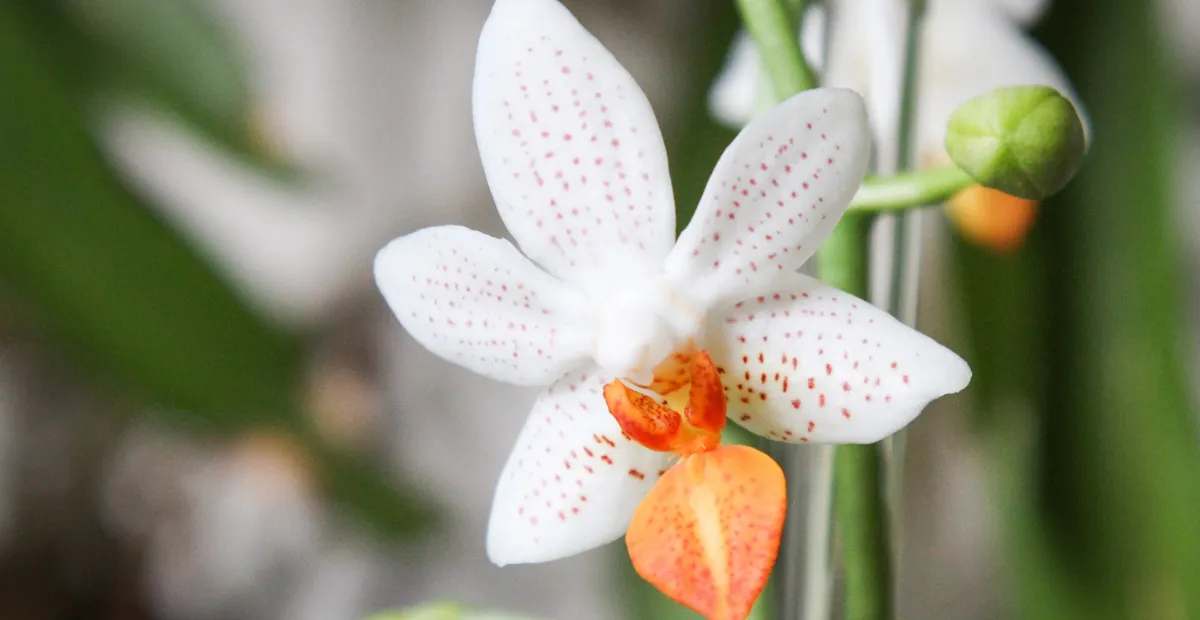
Phalaenopsis 'Mini Mark' is a compact orchid hybrid registered in 1992 from Phal. Micro Nova and Phal. philippinensis. It is valued for small white flowers marked with orange to yellow coloring and a distinctive patterned lip, though seed-grown plants may vary. Grow it indoors in bright, filtered light, a freely draining orchid mix, warm temperatures, moderate humidity, and careful watering that avoids both drought and stagnant, waterlogged roots.
Taxonomic classification
Phalaenopsis ‘Mini Mark’ care guide
Light and placement
Place near an unobstructed east window, or several feet from a shaded south- or west-facing window. Bright filtered light supports flowering; harsh midday sun can bleach or scorch leaves. Dark green leaves and poor flowering suggest insufficient light, while yellow-green or red-tinged foliage and dry patches indicate excessive light.
Watering and humidity
Water thoroughly with lukewarm water when the medium is nearly dry, then let the pot drain completely. A mature plant often needs watering about weekly in active indoor growth, less often in cool winter conditions and more often in bright, warm rooms. Keep water out of the crown and never leave the pot standing in water.
Soil and growing medium
Use a loose, airy orchid medium based on coarse fir bark, orchid bark, or a comparable epiphytic mix. The container must drain freely, because compacted or constantly saturated media can suffocate roots and encourage rot. A mildly acidic root environment is appropriate; avoid ordinary garden soil.
Feeding
After watering, apply a balanced orchid fertilizer at quarter to half label strength weekly or about twice monthly. Reduce feeding during slow winter growth, and do not fertilize severely dry, recently repotted, diseased, or root-damaged plants. Flush the medium with plain water periodically to reduce fertilizer-salt buildup.
Growth and habit
This is a monopodial orchid: new leaves emerge from a central growing point while older basal leaves gradually age and die. The plant remains compact compared with many standard Phalaenopsis, but a mature specimen can produce several flower spikes. Keep the crown above the medium and provide stable air circulation around the roots.
Planting and repotting
Use a small, stable pot with generous drainage and a fresh, open orchid medium. Set the plant at its previous depth, keeping the crown dry and above the mix. Do not compress bark around the roots; firm the plant with a clip or stake if it wobbles while new roots establish.
Repot about every two years, or sooner when bark decomposes, drainage slows, or roots outgrow the container. Remove the old medium, trim dead brown or hollow roots with sterile tools, and use fresh coarse orchid mix. Choose a pot only slightly larger than the root mass and resume careful watering after damaged cuts have dried.
Propagation and pruning
Propagation
Commercial plants are commonly produced through seed or laboratory tissue culture. Home division is generally unsuitable because Phalaenopsis grows from one monopodial stem rather than forming natural clumps. Keikis may occasionally develop on a spike or stem and can be separated only after they have several leaves and established roots.
Pruning
After flowering, remove a completely dry flower spike at its base. If the spike remains green, it may be left in place or cut above a healthy node to encourage a secondary branch, though allowing the plant to rest can be preferable after a heavy bloom. Remove only dead leaves and roots with sterile tools.
Overwintering
Keep indoors before temperatures approach 55°F, and protect the plant from frost, cold drafts, and chilled window glass. Provide bright filtered light, modestly reduce watering as growth slows, and avoid placing the pot near heating vents. Maintain humidity with a tray or humidifier while keeping the crown and pot base dry.
Uses
Primarily grown as a flowering indoor container orchid, windowsill plant, conservatory specimen, or small greenhouse collection plant. It is suitable for display where bright filtered light and frost protection are available. It has no established culinary or medicinal use.
Appearance
The plant forms a low rosette of thick, glossy, evergreen leaves and fleshy aerial roots. Flower spikes rise above the foliage and carry small, moth-shaped blooms. Mini Mark is recognized for white floral segments with orange-yellow spotting and a strongly patterned lip, although seedling variation and named selections can produce different details.
Flowering
Flowers are produced on upright or arching inflorescences and may remain attractive for an extended period. Phalaenopsis hybrids commonly respond to a modest autumn night-temperature drop by initiating spikes, but novelty types may flower at various times indoors when light, nutrition, and plant maturity are adequate. Exact flowering timing for every Mini Mark plant is not fixed.
Pollination and visitors
The exact animal pollinators or flower visitors of this horticultural hybrid are not well documented in the reviewed sources. Its orchid pollinia are adapted for transfer by a visiting pollinator, but a specific visitor should not be assigned without direct evidence for this hybrid.
Diseases and pests
Diseases
The main risks are crown rot, root rot, bacterial soft rot, and fungal spotting. Prevent problems with clean tools, free drainage, morning watering, dry foliage before night, and good air movement. Isolate symptomatic plants, remove affected tissue with sterile tools, and correct chronic wetness or poor ventilation rather than relying only on sprays.
Pests
Watch for scale, mealybugs, aphids, thrips, and spider mites, especially under leaves and around flower spikes. Inspect new plants before placing them with a collection. Remove light infestations with a cotton swab or gentle wash, then use a labeled houseplant or orchid treatment as needed, following its directions and avoiding open flowers.
Related diseases and pests
Only Plant Doctor profiles whose host data indicate this plant may be affected are shown here.
 PestLong-tailed mealybugPseudococcus longispinus
 PestBrown Soft ScaleCoccus hesperidum
 DiseaseBacterial soft rotPectobacterium carotovorum
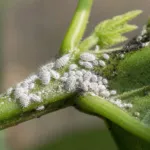 PestCotton mealybugPhenacoccus solenopsis Tinsley
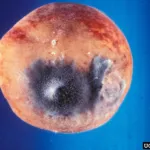 DiseaseRhizopus soft rotRhizopus stolonifer
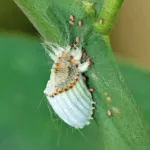 PestCottony Cushion ScaleIcerya purchasi
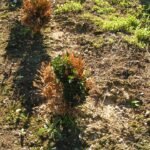 DiseasePhytophthora root and crown rotPhytophthora nicotianae
 DiseaseBacterial WiltRalstonia solanacearum species complex
Toxicity and pollen
ASPCA lists Phalaenopsis orchids as non-toxic to dogs and cats. This supports low concern for ordinary household exposure, but ingestion of any plant material can still cause mild stomach upset, and potting media, fertilizer, pesticides, or decorative treatments may pose separate risks. Prevent chewing and contact with treated materials.
- Pollination / pollen
- Pollinia packaged in cohesive masses rather than loose airborne pollen
Orchid pollen is packaged in pollinia rather than released as abundant loose airborne grains, which may reduce ordinary airborne exposure compared with wind-pollinated plants. However, the exact allergy relevance of Phalaenopsis 'Mini Mark' has not been independently established, so zero allergy risk should not be claimed. Sensitive people should avoid handling flowers if symptoms occur.
Native habitat
Mini Mark has no native habitat because it is a cultivated hybrid. Its parents derive from tropical Asian epiphytic orchid lineages that grow on trees or other elevated supports in warm, humid environments with rapid drainage, filtered light, and periodic drying around the roots.
Interesting fact
The grex was registered on January 21, 1992. Its recorded parentage is Phalaenopsis Micro Nova × Phalaenopsis philippinensis. Micro Nova contributes Phalaenopsis maculata and P. lobbii to the broader ancestry. Named Mini Mark cultivars include 'Rage', 'Yvonne', and 'Mt. Vernon'.
Frequently asked questions (FAQ)
The most relevant questions about this plant, with short and direct answers.
🌱Quick care
What is Phalaenopsis 'Mini Mark'?⌄
Phalaenopsis 'Mini Mark' is a compact orchid hybrid bred from Phalaenopsis Micro Nova and Phalaenopsis philippinensis. It is grown as an indoor epiphytic orchid in the United States.
Is Phalaenopsis 'Mini Mark' easy to grow?⌄
Yes, Phalaenopsis 'Mini Mark' is generally manageable for beginners when grown in bright filtered light and a well-draining orchid medium. Its small size does not mean it should be kept constantly wet.
How much light does Phalaenopsis 'Mini Mark' need?⌄
Give Phalaenopsis 'Mini Mark' bright filtered or indirect light, such as near an east- or shaded west-facing window. Protect the leaves from intense midday or hot afternoon sun, which can cause scorching.
How often should I water Phalaenopsis 'Mini Mark'?⌄
Water Phalaenopsis 'Mini Mark' thoroughly when the bark mix is nearly dry, then let excess water drain completely. The exact interval may range from several days to roughly two weeks depending on pot size, temperature, humidity, and the medium.
How do I know when Phalaenopsis 'Mini Mark' needs water?⌄
Water when the potting medium is nearly dry and the roots appear pale silver rather than green. Do not rely on a fixed calendar because indoor conditions and the type of orchid medium change drying speed.
What temperature is best for Phalaenopsis 'Mini Mark'?⌄
Maintain typical indoor temperatures, with warmer days and slightly cooler nights; approximately 70–80°F by day and 60–70°F at night is suitable. Avoid frost, cold drafts, and sudden temperature changes.
🌤️Environment and placement
Can Phalaenopsis 'Mini Mark' grow in a windowless room?⌄
Yes, Phalaenopsis 'Mini Mark' can grow in a windowless room under a suitable grow light. Provide consistent bright, indirect-quality light for about 12–14 hours daily and keep the fixture far enough away to prevent leaf heat or bleaching.
What humidity does Phalaenopsis 'Mini Mark' need indoors?⌄
Moderate household humidity is usually adequate, while approximately 50–70% relative humidity can support stronger growth. Good air circulation is essential, and higher humidity does not compensate for waterlogged roots.
Can Phalaenopsis 'Mini Mark' stay outside in the United States?⌄
It may stay outdoors during frost-free weather in a warm, sheltered location with filtered light. Bring it indoors before nighttime temperatures approach the low 50s°F or any frost is expected.
Can Phalaenopsis 'Mini Mark' tolerate direct sunlight?⌄
Phalaenopsis 'Mini Mark' can tolerate gentle early-morning sun, but strong midday or afternoon sun should be filtered. Yellowing, reddish margins, bleached patches, or dry brown spots can indicate excessive light or heat.
Is Phalaenopsis 'Mini Mark' safe near air conditioning or heating vents?⌄
Keep Phalaenopsis 'Mini Mark' away from direct blasts from air-conditioning or heating vents. Rapidly moving dry air can dehydrate buds and leaves, while hot air may damage flowers and roots.
💧Care and problems
Should I mist Phalaenopsis 'Mini Mark'?⌄
Misting is optional and is not a substitute for watering the roots or maintaining suitable room humidity. Avoid leaving water trapped in the leaf crown because persistent moisture there can encourage crown rot.
What fertilizer is best for Phalaenopsis 'Mini Mark'?⌄
Use a balanced orchid fertilizer diluted according to the product label during active growth, preferably after the plant has been watered. Flush the pot periodically with plain water to reduce fertilizer-salt buildup.
Why are the leaves of my Phalaenopsis 'Mini Mark' wrinkled?⌄
Wrinkled leaves usually indicate insufficient water uptake, damaged roots, low humidity, or a severely dry medium. Check the roots and bark mix rather than simply watering more, because root rot can also prevent the plant from absorbing water.
Why are the roots of Phalaenopsis 'Mini Mark' turning brown or mushy?⌄
Brown, soft, or hollow roots commonly indicate root rot caused by staying too wet or having poor drainage. Remove only clearly dead roots with sterile cutters, repot into fresh airy orchid medium, and adjust watering so the mix dries partially between waterings.
Why are the leaves of Phalaenopsis 'Mini Mark' turning yellow?⌄
A single old lower leaf may yellow naturally, but several yellow leaves can signal excessive light, overwatering, root damage, or nutritional stress. Examine the roots and growing conditions before removing affected foliage.
Why are the buds dropping from my Phalaenopsis 'Mini Mark'?⌄
Bud drop can result from abrupt temperature changes, dry air, insufficient light, root problems, or moving the plant during bud development. Keep conditions stable, avoid drafts, and maintain even but not wet moisture.
🪴Planting and repotting
What potting mix is best for Phalaenopsis 'Mini Mark'?⌄
Use a coarse, well-draining orchid bark mix designed for epiphytic orchids. The medium should hold some moisture while leaving plenty of air around the roots; ordinary potting soil is too dense.
What type of pot should I use for Phalaenopsis 'Mini Mark'?⌄
Use a small pot with drainage holes, sized closely to the root system rather than the leaf spread. A clear orchid pot can make it easier to monitor roots and moisture, but drainage and suitable medium matter more than pot color.
How often should I repot Phalaenopsis 'Mini Mark'?⌄
Repot when the bark has decomposed, drainage has declined, the plant has outgrown its container, or the roots need treatment, often every 1–3 years. Repotting after flowering or when new roots begin growing usually reduces stress.
Should the crown of Phalaenopsis 'Mini Mark' be buried?⌄
No, keep the crown and the base of the leaves above the potting medium. Burying the crown or allowing water to collect in it can cause rot.
✂️Propagation and pruning
How can I propagate Phalaenopsis 'Mini Mark'?⌄
Propagation is usually by a mature keiki, or plantlet, that develops on a flower spike or from the plant base. Separate it only after it has several roots, ideally at least about 1 inch long, and pot it in a small airy orchid medium.
Can I grow Phalaenopsis 'Mini Mark' from seed at home?⌄
Seed propagation is possible but normally requires sterile laboratory conditions and specialized media because orchid seeds lack usable food reserves. Home growers generally use keikis instead.
Should I cut the flower spike of Phalaenopsis 'Mini Mark' after blooming?⌄
Cut a completely brown or dry spike near its base with sterile tools. If the spike remains green, it may produce another branch or buds, although cutting it back can help redirect energy to roots and leaves.
⚠️Toxicity and safety
Is Phalaenopsis 'Mini Mark' toxic to dogs and cats?⌄
Phalaenopsis 'Mini Mark' is considered non-toxic to dogs and cats. Even non-toxic plants can cause mild stomach upset if eaten, so prevent pets from chewing the plant or its potting materials.
Can children safely handle Phalaenopsis 'Mini Mark'?⌄
The plant is not generally considered poisonous, but children should not chew the leaves, roots, flowers, fertilizer, or bark medium. Adult supervision is appropriate because the potting materials and care products may still present hazards.
🌸Flowering and special interest
How often does Phalaenopsis 'Mini Mark' bloom?⌄
Phalaenopsis 'Mini Mark' can bloom more than once a year under favorable conditions, although timing varies by plant and growing environment. Bright filtered light, healthy roots, and a modest day-to-night temperature difference support flowering.
How long do Phalaenopsis 'Mini Mark' flowers last?⌄
Individual flowers can remain attractive for several weeks, and a healthy spike may display flowers over an extended period. Excessive heat, dry air, ethylene exposure, or abrupt environmental changes can shorten bloom life.
Are Phalaenopsis 'Mini Mark' flowers fragrant?⌄
Some Phalaenopsis 'Mini Mark' plants produce a light, sweet fragrance, but fragrance is variable and may be most noticeable at particular times of day. A non-fragrant plant should not be assumed to be unhealthy.
Why is my Phalaenopsis 'Mini Mark' not blooming?⌄
Insufficient light, immature growth, weak or damaged roots, and a lack of day-to-night temperature variation are common causes of poor flowering. Increase light gradually, improve root health, and keep the plant’s conditions stable rather than forcing dormancy.
Similar plants
 Yellow lantern chili (Capsicum chinense) care guideCapsicum chinense
 Capsicum baccatum care guideCapsicum baccatum
 Serrano (Capsicum annuum ‘Serrano’)Capsicum annuum 'Serrano'
 Purple Beauty (Capsicum annuum ‘Purple Beauty’)Capsicum annuum 'Purple Beauty'
 Numex Twilight (Capsicum annuum ‘Numex Twilight’)Capsicum annuum 'Numex Twilight'
 Explosive Ember Chili Pepper (Capsicum annuum ‘Explosive Ember’)Capsicum annuum 'Explosive Ember'