
 Source:
 Phalaenopsis bellina short overview
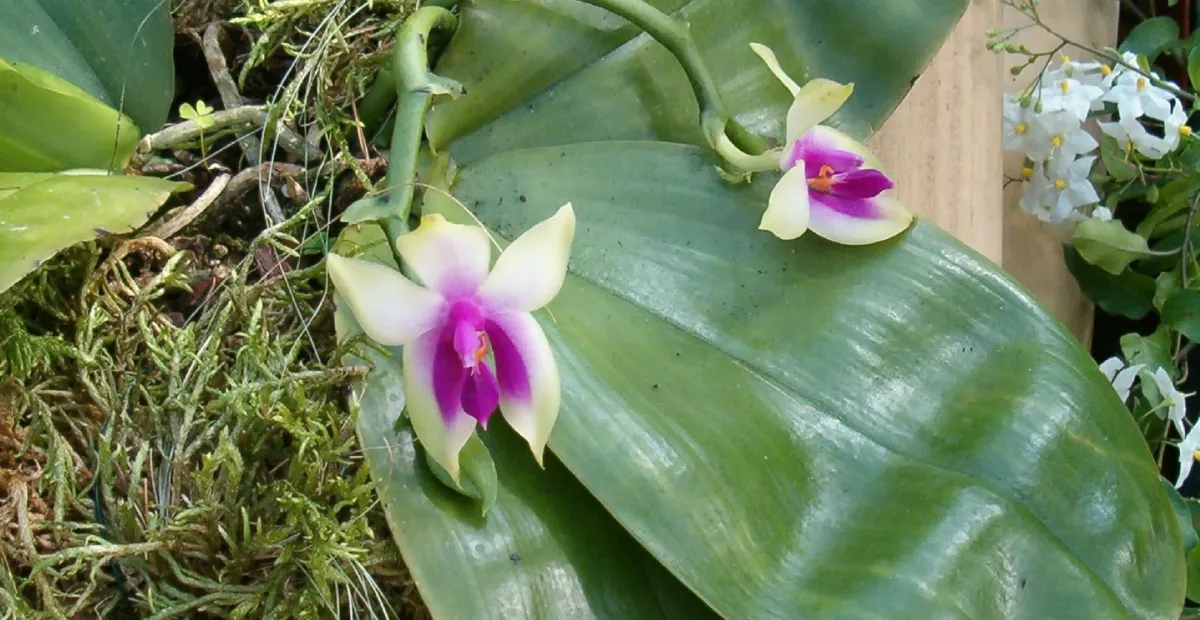
Phalaenopsis bellina is a warm-growing epiphytic orchid native to Sarawak, Borneo. It is prized for thick, oval leaves, durable flower spikes, and strongly fragrant blooms with green to green-white petals and sepals marked by saturated purple-magenta coloration near the bases. In the United States, it is best grown indoors or in a warm greenhouse with bright filtered light, excellent airflow, high humidity, and an airy orchid substrate that dries slightly between waterings.
Taxonomic classification
Phalaenopsis bellina care guide
Light and placement
Place near an east- or bright north-facing window, or several feet from a brighter south- or west-facing window behind a sheer curtain. Phalaenopsis bellina generally appreciates more light than many supermarket hybrids but should not receive harsh midday sun through glass. Pale yellow-green leaves, red-purple flushing, or scorched patches indicate excessive light; very dark green leaves and weak flowering suggest insufficient light.
Watering and humidity
Water thoroughly when the potting mix is approaching dryness, then allow excess water to drain completely. Do not leave the crown or roots standing in water. In warm, bright conditions it may need watering about weekly, while cooler or dimmer winter conditions require a longer interval. Use lower-mineral water where possible and maintain humidity with airflow rather than stagnant, constantly wet conditions.
Soil and growing medium
Grow as an epiphyte in a coarse, open orchid substrate such as medium bark blended with perlite, charcoal, or a modest amount of sphagnum. The mix should hold some moisture while leaving abundant air around the roots and should never compact. A slightly acidic orchid medium is suitable; replace decomposing material before it becomes dense or sour.
Feeding
During active root and leaf growth, apply a complete orchid fertilizer at weak strength, following the product label and avoiding repeated heavy doses. Fertilize after watering rather than onto completely dry roots. Flush the pot periodically to reduce salt accumulation, especially when using tap water. Reduce feeding during slow winter growth and do not fertilize a severely dehydrated or diseased plant.
Growth and habit
This species forms a compact, monopodial rosette and grows upward from a central stem while producing aerial roots. Flower spikes can remain productive for multiple seasons and may branch or continue extending after an initial flush. Keep the growing point dry, provide room for roots to breathe, and avoid burying the stem or forcing aerial roots into a dense medium.
Planting and repotting
Use a small, stable pot with generous drainage and place the plant so the crown sits above the substrate line. Do not pack medium tightly around aerial roots or bury the stem. Establish newly potted plants in bright filtered light with good humidity and slightly more cautious watering until fresh root growth is visible.
Repot when the medium has decomposed, drainage has declined, or roots have outgrown the container, preferably when new roots are beginning. Remove rotten material, retain healthy firm roots, and use a pot only slightly larger than the root mass. Keep the crown above the mix and avoid saturating the plant immediately after extensive root pruning.
Propagation and pruning
Propagation
Commercial propagation is usually by sterile seed culture or laboratory cloning. Home division is difficult because the plant has a single monopodial stem and does not naturally form many independent divisions. Keiki production may occur but is not reliable enough to treat as a routine method; separate offsets only after they have several roots and established leaves.
Pruning
Remove only fully dry flower spikes or dead tissue with sterilized tools. A still-green spike may continue producing flowers, so avoid cutting it merely because the first flush has finished. Remove yellowing leaves only when they detach readily or are clearly dead.
Overwintering
In most of the United States, grow indoors or in a heated greenhouse through winter. Keep nights near or above 60°F when possible, protect from cold drafts and window chill, and reduce watering when light and growth slow. Maintain humidity with ventilation and keep water out of the crown, especially during cool periods.
Uses
Primarily grown as a fragrant ornamental specimen in homes, orchid collections, conservatories, and warm greenhouses. It is also an important parent in Phalaenopsis hybrid breeding because of its fragrance, flower color, flower substance, and persistent flowering stems. No culinary or medicinal use is established here.
Appearance
Phalaenopsis bellina has thick, leathery to somewhat succulent, oval leaves that may be lightly wavy. Its arching inflorescences arise from the leaf axils, and the flowers have a distinctive moth-orchid structure with three sepals, three petals, and a central lip. Green or green-white floral surfaces contrasted with deep purple-magenta basal coloration help distinguish it from the more fully purple Phalaenopsis violacea.
Flowering
The flowers are produced on axillary racemes that may carry only a few open blooms at once but can remain active and produce additional flowers over an extended period. The species is especially valued for intense fragrance, often described in horticultural literature as sweet or cereal-like. Flowering is commonly associated with spring and summer cultivation conditions, although mature indoor plants may vary.
Pollination and visitors
Phalaenopsis flowers are insect-pollinated and produce pollinia rather than loose grains of pollen. A specific documented pollinator for Phalaenopsis bellina was not confirmed in the sources reviewed, so no species-level visitor is assigned.
Phalaenopsis bellina photos
Click any photo for a larger view. Source, author and license are shown separately.
Diseases and pests
Diseases
The main risks are crown rot, root rot, bacterial soft rot, and fungal leaf spotting caused or worsened by stagnant moisture, poor airflow, or contaminated tools. Water early enough for foliage and the crown to dry, use a free-draining medium, isolate symptomatic plants, remove badly affected tissue with sterile tools, and improve ventilation before considering a labeled orchid treatment.
Pests
Watch for scale, mealybugs, thrips, aphids, spider mites, and fungus gnats, especially on stressed plants or persistently wet media. Inspect leaf undersides, roots, and new growth regularly. Isolate affected plants, remove small infestations mechanically, and use a product labeled for ornamental orchids only as directed; repeat monitoring is more important than one treatment.
Related diseases and pests
Only Plant Doctor profiles whose host data indicate this plant may be affected are shown here.
 PestLong-tailed mealybugPseudococcus longispinus
 PestBrown Soft ScaleCoccus hesperidum
 DiseaseBacterial soft rotPectobacterium carotovorum
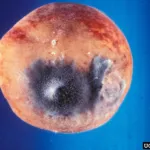 DiseaseRhizopus soft rotRhizopus stolonifer
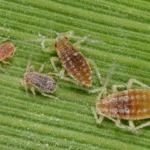 PestMealy Plum AphidHyalopterus pruni (Geoffroy, 1762)
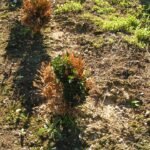 DiseasePhytophthora root and crown rotPhytophthora nicotianae
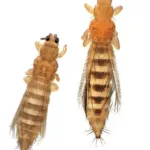 PestOnion thripsThrips tabaci Lindeman
 DiseaseBacterial WiltRalstonia solanacearum species complex
Toxicity and pollen
A reliable species-specific toxicity assessment for Phalaenopsis bellina was not confirmed in the reviewed authoritative sources. Avoid allowing children or pets to chew the plant, flowers, roots, or potting materials, and seek medical or veterinary advice if ingestion causes symptoms. Orchid fertilizer, pesticides, and decomposing media may present greater practical hazards than the plant itself.
- Typical season
- Mainly during flowering
- Pollination / pollen
- Pollinia held in compact masses
This orchid produces pollinia, compact pollen masses adapted for insect transfer, rather than abundant loose airborne pollen. That suggests relatively low routine airborne exposure compared with wind-pollinated plants, but it does not prove zero allergy risk. Fragrance, potting dust, mold, and fertilizer residues may also irritate sensitive people.
Native habitat
The species is native to Sarawak in Borneo and grows as an epiphyte in wet tropical forest. Its aerial habit places the roots on tree surfaces rather than in ordinary ground soil, where roots receive rapid drainage, frequent atmospheric moisture, and strong air exchange. Cultivation should imitate these conditions with an open root environment and warm temperatures.
Interesting fact
Phalaenopsis bellina was historically treated as a form or variety of Phalaenopsis violacea before being recognized as a separate species. Its persistent inflorescences may flower repeatedly for years. The species is notable for unusually strong fragrance within Phalaenopsis and has contributed important traits to modern hybrid breeding.
Frequently asked questions (FAQ)
The most relevant questions about this plant, with short and direct answers.
🌱Quick care
What is Phalaenopsis bellina?⌄
Phalaenopsis bellina is a fragrant, warm-growing orchid species in the Orchidaceae family and Phalaenopsis genus. It is native to Borneo, especially Sarawak, where it grows as an epiphyte in wet tropical conditions.
Is Phalaenopsis bellina easy to grow indoors?⌄
Phalaenopsis bellina can grow well indoors when provided with bright filtered light, warmth, humidity, airflow, and an airy orchid mix. It is generally manageable for growers familiar with basic Phalaenopsis care.
How much light does Phalaenopsis bellina need?⌄
Give Phalaenopsis bellina bright, filtered or indirectly bright light. Protect it from intense midday sun, but avoid very dim locations because insufficient light can reduce leaf and flower production.
How often should I water Phalaenopsis bellina?⌄
Water Phalaenopsis bellina when the potting mix is approaching dryness, then water thoroughly and let the container drain completely. The exact interval depends on the pot, medium, temperature, humidity, and airflow.
What type of soil does Phalaenopsis bellina need?⌄
Use a loose, airy orchid mix such as medium-grade bark with additional drainage material or a carefully managed bark-and-moss blend. The medium should retain some moisture without staying waterlogged around the roots.
Does Phalaenopsis bellina need a drainage pot?⌄
Yes, Phalaenopsis bellina should be grown in a pot or basket with excellent drainage and airflow around the roots. Clear orchid pots can also make it easier to monitor root condition and moisture.
🌤️Environment and placement
What temperature is best for Phalaenopsis bellina?⌄
Phalaenopsis bellina prefers warm conditions, with indoor temperatures commonly kept around 70–85°F during the day and above about 60°F at night. Avoid cold drafts, sudden temperature drops, and frost.
Can Phalaenopsis bellina grow outside in the United States?⌄
Phalaenopsis bellina can grow outdoors year-round only in frost-free, warm climates such as parts of southern Florida or Hawaii, with shade and protection from heavy rain. In most of the United States, grow it indoors or move it inside before cool weather.
What humidity does Phalaenopsis bellina need?⌄
Aim for moderate to high humidity, commonly about 50–80% relative humidity, together with good air movement. Higher humidity is safest when airflow prevents stagnant, wet conditions around the leaves and crown.
Where should I place Phalaenopsis bellina indoors?⌄
Place Phalaenopsis bellina near an east- or shaded south-facing window, or under a grow light that provides bright filtered light. Keep it away from heating vents, air-conditioning blasts, cold glass, and prolonged direct afternoon sun.
Does Phalaenopsis bellina need a cool period to bloom?⌄
Phalaenopsis bellina is a warm-growing species and usually does not require a pronounced cool rest to flower. Consistent warmth, adequate light, mature growth, and stable watering are more important for blooming.
💧Care and problems
Should I let Phalaenopsis bellina dry out completely between waterings?⌄
No, do not routinely let Phalaenopsis bellina become completely dry for long periods. Allow the mix to approach dryness between thorough waterings, while keeping the roots aerated and avoiding constant saturation.
Why are Phalaenopsis bellina leaves wrinkled?⌄
Wrinkled leaves usually indicate insufficient water reaching the plant, low humidity, damaged roots, or a combination of these problems. Check the roots and potting mix before simply watering more often, because root rot can also cause dehydration symptoms.
Why are Phalaenopsis bellina roots turning brown or mushy?⌄
Brown, soft, or hollow roots usually indicate root damage from excess moisture, decomposed media, poor drainage, or insufficient airflow. Remove dead roots with sterilized tools and repot into fresh, airy orchid medium.
Should I mist Phalaenopsis bellina?⌄
Misting is not necessary if the plant is watered correctly and room humidity is adequate. If you mist, do so early in the day and keep water out of the crown and leaf axils to reduce the risk of rot.
How should I fertilize Phalaenopsis bellina?⌄
Fertilize Phalaenopsis bellina with a balanced orchid fertilizer diluted according to the label, generally during active growth and regular watering. Periodically flush the pot with plain water to reduce fertilizer-salt buildup.
What water is best for Phalaenopsis bellina?⌄
Room-temperature water is suitable for Phalaenopsis bellina, provided it is not excessively softened or heavily mineralized. Rainwater, filtered water, or low-mineral tap water may be preferable where household water leaves heavy deposits.
Can Phalaenopsis bellina recover from root loss?⌄
Phalaenopsis bellina can recover from root loss if the crown and remaining tissue are healthy. Use fresh, lightly moist but airy medium, provide warmth and humidity, and avoid keeping the weakened plant constantly wet.
🪴Planting and repotting
When should I repot Phalaenopsis bellina?⌄
Repot Phalaenopsis bellina when the medium has decomposed, drainage has declined, the plant has outgrown its container, or the roots are damaged. Repotting is usually least disruptive when new roots or other active growth are beginning.
How often should Phalaenopsis bellina be repotted?⌄
Many Phalaenopsis bellina plants need repotting about every one to two years, but the condition of the medium matters more than the calendar. Repot sooner if bark has broken down, the mix stays wet, or roots are deteriorating.
Should Phalaenopsis bellina be planted in sphagnum moss or bark?⌄
Phalaenopsis bellina can grow in either sphagnum moss or bark-based media when watering is adjusted to the material. Bark is often more forgiving for indoor growers because it provides greater air space, while moss requires careful moisture control.
What size pot is best for Phalaenopsis bellina?⌄
Use the smallest pot that comfortably fits the healthy root system, with only limited room for new growth. An oversized pot holds excess moisture and can increase the risk of root rot.
Can Phalaenopsis bellina grow mounted on wood?⌄
Yes, Phalaenopsis bellina can be grown mounted on cork, tree fern, or another orchid-safe surface when humidity and watering are consistently high. Mounted plants generally dry faster than potted plants and may need more frequent attention.
✂️Propagation and pruning
How is Phalaenopsis bellina propagated?⌄
Phalaenopsis bellina is most commonly propagated commercially from seed or tissue culture, while home growers may occasionally separate a naturally formed keiki. Dividing the main plant is not normally practical because it has a single monopodial growing point.
How do I separate a Phalaenopsis bellina keiki?⌄
Separate a Phalaenopsis bellina keiki only after it has several healthy roots, ideally around 2–3 inches long, and enough leaves to support itself. Cut the connecting spike or stem with sterilized tools, then pot the keiki in a small airy orchid mix.
Can Phalaenopsis bellina grow a keiki from its flower spike?⌄
Yes, Phalaenopsis bellina can occasionally produce a keiki from a node on an old flower spike. Keiki formation is not guaranteed, and a healthy plant should be allowed to develop adequate roots before the young plant is removed.
Should I cut off the old Phalaenopsis bellina flower spike?⌄
Do not automatically remove a green, healthy Phalaenopsis bellina spike because it may branch or flower again. Cut a spike back to the base when it has turned brown or dried, or remove it earlier if the plant is weak and needs to prioritize recovery.
⚠️Toxicity and safety
Is Phalaenopsis bellina toxic to cats or dogs?⌄
The toxicity of Phalaenopsis bellina specifically is not firmly established in the provided core references. Keep it away from pets and children, and contact a veterinarian or poison-control service if plant material is ingested.
🌸Flowering and special interest
Is Phalaenopsis bellina fragrant?⌄
Yes, Phalaenopsis bellina is known for strongly fragrant flowers, often described as sweet, fruity, citrus-like, or reminiscent of fruit cereal. Fragrance intensity can vary with the individual plant, flower age, temperature, and time of day.
When does Phalaenopsis bellina bloom?⌄
Phalaenopsis bellina commonly flowers during the warmer part of the year, often in late spring or summer under indoor conditions. Bloom timing varies with plant maturity, light, temperature, and cultural conditions.
How can I get Phalaenopsis bellina to rebloom?⌄
Provide strong filtered light, warm temperatures, consistent moisture, adequate humidity, and regular but diluted fertilization during active growth. A mature, healthy plant may rebloom from an existing spike or produce a new spike when conditions are favorable.
How long do Phalaenopsis bellina flowers last?⌄
Individual Phalaenopsis bellina flowers can remain attractive for several weeks, although the exact duration varies with temperature, plant health, and growing conditions. Flowers may fade sooner in hot, dry, or stressful environments.
What do Phalaenopsis bellina flowers look like?⌄
Phalaenopsis bellina flowers typically combine green or green-white petals and sepals with purple or magenta coloring concentrated toward the lower portions and lip. Color patterns vary among forms and cultivated selections.
Why is my Phalaenopsis bellina growing leaves but not flowering?⌄
A Phalaenopsis bellina that grows leaves without flowering may need more usable light, greater maturity, warmer stable conditions, or improved root health. Avoid forcing bloom by allowing severe dryness or stress, which can weaken the plant.
Similar plants
 Yellow lantern chili (Capsicum chinense) care guideCapsicum chinense
 Capsicum baccatum care guideCapsicum baccatum
 Serrano (Capsicum annuum ‘Serrano’)Capsicum annuum 'Serrano'
 Purple Beauty (Capsicum annuum ‘Purple Beauty’)Capsicum annuum 'Purple Beauty'
 Numex Twilight (Capsicum annuum ‘Numex Twilight’)Capsicum annuum 'Numex Twilight'
 Explosive Ember Chili Pepper (Capsicum annuum ‘Explosive Ember’)Capsicum annuum 'Explosive Ember'