
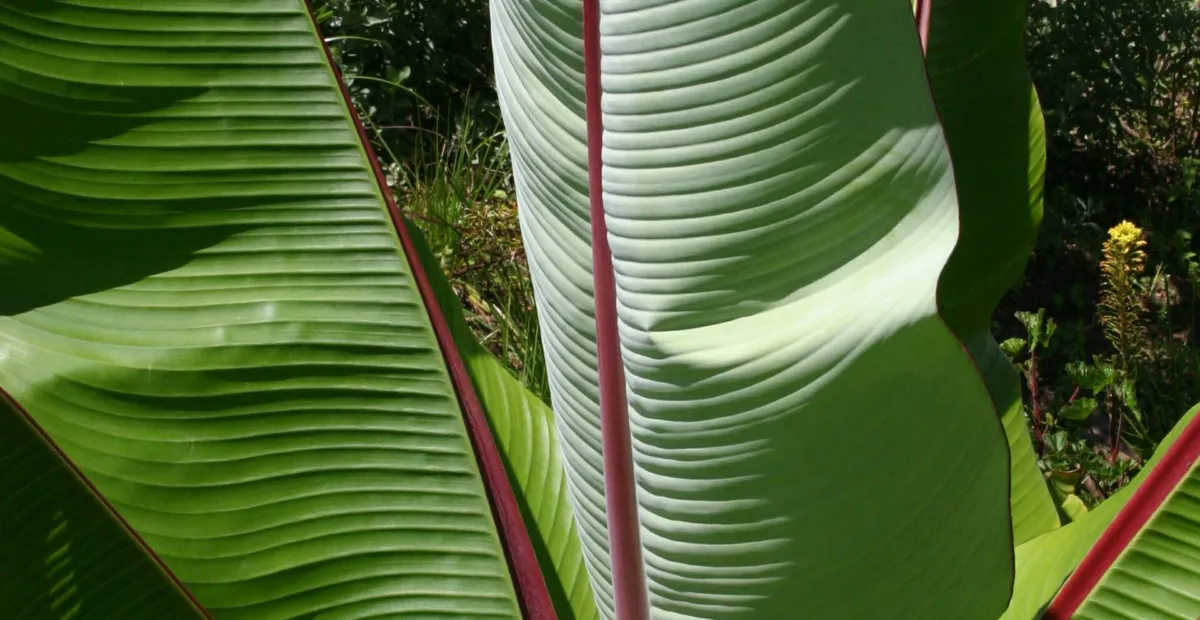
 Source:
 Enset or ensete (Ensete ventricosum) short overview
Enset or ensete is a dramatic, non-fruiting banana relative grown for enormous architectural leaves. Native to eastern Africa, it thrives in warmth, rich soil, steady moisture, and bright sun, but must be protected from freezing temperatures in most of the United States. It is especially effective as a seasonal container specimen or bold tropical accent. Ensete ventricosum is a large, upright, evergreen herbaceous perennial in the banana family. It forms a solitary pseudostem topped by huge green leaves and is grown in the United States primarily as a seasonal tropical accent or protected container plant.
Taxonomic classification
Enset or ensete (Ensete ventricosum) care guide
Light and placement
Give full sun for the strongest growth, especially in cooler US summer climates. In very hot regions, bright filtered afternoon light or light afternoon shade can reduce leaf scorch. A sheltered south- or southeast-facing position is suitable. Too little light produces weaker, slower growth; excessive wind and reflected heat can shred or scorch leaves even when light is adequate.
Watering and humidity
Water deeply whenever the upper inch of soil begins to dry, then allow excess water to drain. During hot summer growth, container plants may need frequent watering, sometimes daily in very warm weather. Reduce watering substantially in cool or dormant conditions, but never allow a protected overwintering plant to become bone dry for long periods.
Soil and growing medium
Use fertile, moisture-retentive soil that still drains freely. A loamy mix amended with compost works well, while compacted soil can cause poor root health. Slightly acidic to neutral soil is suitable. In containers, combine quality potting mix with compost or other organic matter, but avoid a dense, waterlogged medium.
Feeding
Feed regularly during active spring and summer growth with a balanced soluble fertilizer at label strength, or use a controlled-release product according to its directions. Enset is a heavy feeder when warm and well watered. Do not fertilize dry, chilled, recently transplanted, or dormant plants.
Growth and habit
Growth is vigorous in heat, rich soil, and consistent moisture. The plant maintains a single dramatic pseudostem and broad upright rosette, so maintenance is mostly about supplying space, preventing wind damage, and planning transport or protection before cold weather. The main stem dies after flowering and fruiting.
Planting and repotting
Plant outdoors only after nights are reliably warm and the danger of frost has passed. Set the root ball at the same depth it was growing, firm the soil gently, and water thoroughly. Allow generous clearance for the broad leaves and protect the plant from strong winds, which can shred foliage.
Repot container-grown plants in spring when growth resumes, moving them into a sturdy container only modestly larger than the root system. Large specimens are difficult to handle; refresh the upper layer of mix when a full repot is impractical. Ensure the pot has substantial drainage and enough weight to resist tipping.
Propagation and pruning
Propagation
Propagate from fresh seed. Sow in a warm, sterile, well-drained medium and maintain even moisture; germination can be irregular. Because the species is monocarpic and normally does not form ordinary banana-style suckers, seed propagation is the dependable method for the exact species.
Pruning
Remove torn, yellowing, or fully dead leaves at the base with clean tools. Do not cut healthy leaves merely to reduce size. After flowering and fruiting, the spent pseudostem can be cut down once it has clearly declined.
Overwintering
In USDA Zones 10–11, protect plants from cold snaps and drying winds. In colder areas, grow in a container and move it indoors, into a greenhouse, or into a bright, cool protected space before frost. Reduce watering in winter, provide strong light, and expect some leaf loss if conditions are dim.
Uses
A bold ornamental foliage plant for tropical-style borders, conservatories, greenhouses, and large containers. It is cultivated as an important food crop in Ethiopia, but ornamental plants should not be eaten unless identity, preparation, and provenance are certain; this profile makes no medicinal-use claim.
Appearance
The plant resembles a giant banana but belongs to Ensete, a related genus. Its thick green pseudostem supports a dense upright rosette of very large, paddle-shaped leaves. Leaf blades are often strongly ribbed and may tear in wind. The solitary, architectural habit is a key identification feature.
Flowering
This true flowering plant produces a large terminal inflorescence after several years of growth. Creamy to white flowers are followed by dry, banana-like fruits containing numerous seeds. Flowering is usually seasonal and terminal: after fruiting, the main pseudostem dies, while offsets are generally not produced as in many Musa bananas.
Pollination and visitors
The inflorescence is visited by insects, but a specific primary pollinator species was not consistently documented in the sources checked. Animal-visitor evidence is therefore treated conservatively rather than equated with allergy risk.
Ensete ventricosum photos
Click any photo for a larger view. Source, author and license are shown separately.
Diseases and pests
Diseases
Prevent disease by providing drainage, avoiding chronically saturated soil, and removing badly damaged leaves. Bacterial wilt and other banana-related diseases are important in production regions, but symptoms can overlap with drought or root damage. Isolate questionable plants and obtain local diagnostic advice before moving planting material.
Pests
Watch for spider mites, scale, mealybugs, aphids, and caterpillar feeding, especially on stressed container plants. Inspect leaf undersides and the pseudostem, improve watering consistency, rinse foliage when practical, and use targeted treatments only when monitoring confirms a problem.
Related diseases and pests
Only Plant Doctor profiles whose host data indicate this plant may be affected are shown here.
 DiseaseBacterial WiltRalstonia solanacearum species complex
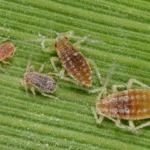 PestMealy Plum AphidHyalopterus pruni (Geoffroy, 1762)
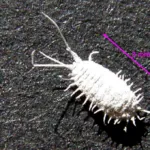 PestObscure mealybugPseudococcus viburni
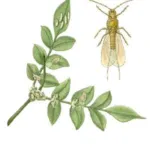 PestLong-tailed mealybugPseudococcus longispinus
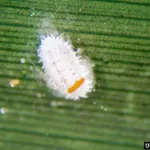 PestCitrus mealybugPlanococcus citri
 DiseaseBacterial Fruit BlotchAcidovorax citrulli
 Environmental stressDrought stress
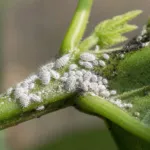 PestCotton mealybugPhenacoccus solenopsis Tinsley
Toxicity and pollen
Reliable species-specific human and pet toxicity information was not located in the authoritative sources checked. Do not assume edible safety for ornamental or unidentified plant material. Prevent ingestion of leaves, sap, flowers, fruits, or seeds and seek professional advice after exposure, especially for children or pets.
- Pollination / pollen
- Insect-associated floral pollen; airborne relevance uncertain
Enset produces pollen as a flowering angiosperm, but dependable species-specific evidence for airborne pollen levels or US allergy importance was not found. Flowering plants are not automatically allergy-free; people with strong pollen sensitivity should avoid handling flowering material closely.
Native habitat
The species is native from Ethiopia southward through parts of eastern and central tropical Africa. It occurs in warm, seasonally dry tropical settings, including upland and wetter forest-edge habitats, ravines, and stream-associated sites. Cultivated enset is especially associated with Ethiopian highland agriculture.
Interesting fact
Unlike true bananas in Musa, enset usually forms a solitary massive plant rather than a clump of suckering stems. The species is a major staple crop in Ethiopia, where processed pseudostem and corm tissues are used as food. The plant is monocarpic: the flowering stem dies after fruiting.
Frequently asked questions (FAQ)
The most relevant questions about this plant, with short and direct answers.
🌱Quick care
What is Ensete ventricosum commonly called?⌄
Ensete ventricosum is commonly called enset or ensete. It is a large, banana-like herb in the Musaceae family, often grown ornamentally for its dramatic foliage.
How much light does enset need?⌄
Enset grows best in full sun to bright filtered light. Provide afternoon shade in extremely hot, dry locations if the leaves scorch.
How often should I water Ensete ventricosum?⌄
Water enset regularly and keep the soil evenly moist during active growth. Do not leave the container standing in water, because constantly waterlogged roots can rot.
Is Ensete ventricosum frost hardy?⌄
Ensete ventricosum is frost tender and should be protected before the first frost. In much of the United States, grow it in a container or lift and overwinter it indoors.
How fast does enset grow?⌄
Enset can grow rapidly during warm, bright weather when it has ample water, fertile soil, and regular feeding. Growth slows sharply in cool or low-light conditions.
🌤️Environment and placement
Can Ensete ventricosum grow outdoors in the United States?⌄
Enset can grow outdoors during the warm season in the United States, but it is not reliably hardy through frost. Treat it as a seasonal outdoor plant unless you live in a frost-free climate.
What USDA zone is Ensete ventricosum hardy in?⌄
Ensete ventricosum is generally grown as a frost-tender plant rather than a reliably hardy perennial in the United States. Even where the roots survive briefly, cold, wet winter conditions can cause serious damage or rot.
Can I grow enset in a container?⌄
Yes, enset grows well in a large, sturdy container with drainage holes. Container culture also makes it easier to move the plant indoors or into protected storage before freezing weather.
Where should I place enset outdoors?⌄
Place enset in a warm, sheltered location with full sun or bright filtered light and protection from strong winds. Its large leaves tear easily, especially in exposed sites.
What temperature is too cold for Ensete ventricosum?⌄
Freezing temperatures are too cold for Ensete ventricosum and can kill its foliage or damage the plant. Move it to a frost-free location before temperatures approach 32°F.
💧Care and problems
What soil is best for Ensete ventricosum?⌄
Use fertile, moisture-retentive, well-drained loam for enset. The soil should hold consistent moisture while allowing excess water to drain freely from the root zone.
Why are my enset leaves turning brown?⌄
Brown enset leaves are commonly caused by drought, low humidity, wind damage, cold exposure, or excessive fertilizer salts. Check soil moisture and roots first, then protect the plant from harsh wind and temperature swings.
Why are Ensete ventricosum leaves splitting or tearing?⌄
Enset leaves naturally split and tear in wind, rain, or while unfurling. Leaf damage is usually cosmetic, but a sheltered location will help preserve larger, more attractive leaves.
Why is my enset not growing?⌄
Enset growth may stall because of cool temperatures, insufficient light, dry soil, root problems, or a pot that is too small. Warm the growing conditions, maintain even moisture, and inspect the roots if the plant remains inactive.
Should I fertilize Ensete ventricosum?⌄
Fertilize enset during active growth with a balanced fertilizer according to the product label. Stop or greatly reduce feeding during cool-season dormancy, when the plant cannot use nutrients efficiently.
🪴Planting and repotting
When should I plant Ensete ventricosum outdoors?⌄
Plant enset outdoors after the danger of frost has passed and the soil has warmed. In the United States, the appropriate date varies by location, so use your local average last-frost date as a guide.
How do I repot an enset?⌄
Repot enset when roots fill the container or growth becomes weak, moving it into a pot only moderately larger than the current one. Use fresh fertile, well-drained mix and water thoroughly after repotting.
How do I overwinter Ensete ventricosum indoors?⌄
Before frost, bring a container-grown enset into a bright, frost-free room, or cut it back and store it dormant in a cool, dark, frost-free place. Reduce watering substantially during dormancy and keep the soil from becoming completely bone dry.
✂️Propagation and pruning
How is Ensete ventricosum propagated?⌄
Ensete ventricosum is usually propagated from seed or specialized tissue culture. Unlike many Musa bananas, a single enset plant generally does not produce abundant pups for easy division.
Can I propagate enset from a leaf or stem cutting?⌄
No, ordinary leaf or stem cuttings do not reliably produce new enset plants. Use viable seed or obtain a nursery-produced plant instead.
Can I prune Ensete ventricosum?⌄
Prune enset mainly to remove dead, damaged, or frost-burned leaves. Do not cut into the central growing point unless you are intentionally preparing the plant for dormant storage.
⚠️Toxicity and safety
Is Ensete ventricosum poisonous to people or pets?⌄
Species-specific ornamental toxicity information for Ensete ventricosum is limited, so its toxicity should be treated as unknown. Do not allow people or pets to ingest ornamental plant material, and contact a poison-control service or veterinarian if ingestion occurs.
Are enset leaves safe to handle?⌄
Enset leaves are generally handled as ornamental foliage, but sap or plant material may irritate sensitive skin. Wear gloves when cutting the plant and wash exposed skin afterward.
🌸Flowering and special interest
Does Ensete ventricosum produce bananas?⌄
Ensete ventricosum is a false banana and is not grown for a conventional edible banana crop. It may produce fruit after flowering, but ornamental plants rarely reach flowering size in temperate U.S. gardens.
How long does Ensete ventricosum take to flower?⌄
Enset usually takes several years to reach flowering size under suitable conditions. It is monocarpic, meaning the main plant dies after flowering and fruiting.
What happens to enset after it flowers?⌄
After flowering and fruiting, the main Ensete ventricosum plant gradually dies. Because it usually lacks the numerous basal pups typical of many bananas, replacement plants are commonly raised from seed or nursery stock.
Can Ensete ventricosum flower in a container?⌄
Enset can flower in a container if it remains healthy and reaches sufficient maturity, but this is uncommon in seasonal U.S. cultivation. Limited growing seasons and winter storage usually prevent the plant from reaching flowering size.
Similar plants
 Azure Monkshood (Aconitum carmichaelii) care guideAconitum carmichaelii
 Monkshood (Aconitum ‘Stainless Steel’)Aconitum 'Stainless Steel'
 Monkshood (Aconitum ‘Bressingham Spire’)Aconitum 'Bressingham Spire'
 Golden full moon maple (Acer shirasawanum ‘Aureum’)Acer shirasawanum 'Aureum'
 Globosum (Acer platanoides ‘Globosum’)Acer platanoides 'Globosum'
 Striped maple (Acer pensylvanicum) care guideAcer pensylvanicum