
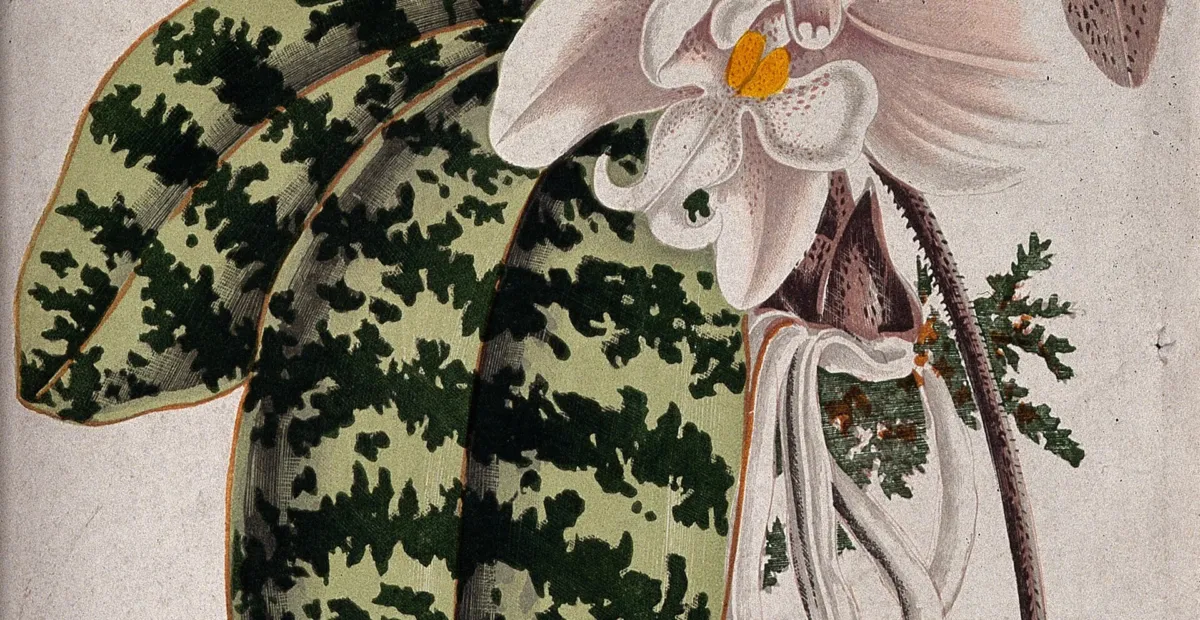
 Source:
 Phalaenopsis schilleriana short overview
Phalaenopsis schilleriana is an epiphytic orchid native to Luzon in the Philippines and one of the more approachable species Phalaenopsis for indoor growers. Its broad leaves are boldly barred in silver, often with purple beneath, while mature plants can produce long, branched, pendant sprays of pale pink flowers with a delicate rose fragrance. Give it bright filtered light, warm conditions, open orchid media, and careful watering around the crown.
Taxonomic classification
Phalaenopsis schilleriana care guide
Light and placement
Provide bright, filtered light with no harsh midday sun. An east window is often ideal; use a shaded south or west exposure, or sheer curtains, in stronger sun. Pale, yellow-green leaves or scorched patches suggest excessive light, while very dark green leaves, weak growth, and poor flowering suggest insufficient light. Gentle morning sun can be tolerated if heat buildup is avoided.
Watering and humidity
Water thoroughly when the medium is nearly dry and the roots have turned pale or silvery, then let the pot drain completely. Water into the medium rather than the crown, and empty any saucer or cachepot. Mounted plants may need more frequent watering than potted plants. Increase attention during active growth and reduce frequency in cooler, darker winter conditions without allowing prolonged desiccation.
Soil and growing medium
Use an open, airy orchid medium such as medium fir bark, bark with perlite, or a moisture-retentive sphagnum blend adapted to the growing environment. The roots need rapid drainage and abundant air, while the medium should not remain waterlogged. A slightly acidic orchid substrate is appropriate; avoid dense potting soil and containers without drainage.
Feeding
Feed during active root and leaf growth with a complete orchid fertilizer at weak strength, following the product label and watering first when roots are dry. A practical approach is dilute, regular feeding rather than heavy doses. Flush the pot with plain water periodically to reduce salt buildup, and reduce feeding when growth and light levels fall in winter.
Growth and habit
This is a monopodial orchid that grows from a central crown rather than forming pseudobulbs. Leaves and roots emerge successively, and mature plants can develop a broad, spreading presentation with aerial roots. Keep the crown unobstructed, support heavy pendant spikes only if necessary, and avoid disturbing active root tips.
Planting and repotting
In the United States, grow it as a houseplant, greenhouse orchid, or mounted epiphyte rather than as a frost-tolerant outdoor plant. Set the plant at the same depth as before, keeping the crown dry and above the medium. Allow room for arching inflorescences and aerial roots; a slotted orchid pot or hanging mount is useful.
Repot when the medium decomposes, roots outgrow the container, or drainage declines, preferably after flowering or when new roots begin growing. Remove only dead or rotten roots, use fresh orchid media, and keep the crown above the substrate. Mounted plants may be remounted when the support breaks down or the roots can no longer be managed.
Propagation and pruning
Propagation
Seed propagation requires controlled laboratory culture because orchid seeds lack substantial food reserves. Mature plants can sometimes produce keikis or side shoots; separate only after the offset has several healthy roots, ideally at least about 1 inch long, and pot into fine orchid media or sphagnum.
Pruning
No routine foliage pruning is needed. After flowering, leave a green spike if a secondary branch is desired and cut just above a lower node; remove a spike only after it has turned fully yellow or brown. Sterilize cutting tools and remove dead leaves cleanly.
Overwintering
Protect from temperatures below about 60°F for best condition, even though brief exposure into the 40s°F may be tolerated by established plants. Keep it indoors in a bright location through U.S. winters outside frost-free climates. Reduce watering and fertilizer in low light, but maintain humidity and air movement and keep the crown dry.
Uses
Primarily used as an ornamental houseplant, conservatory orchid, mounted specimen, or greenhouse display plant. Its patterned foliage provides interest between flowering cycles, and its fragrant cascading sprays are suitable for close indoor display. It has no established culinary or medicinal use in the reviewed authoritative sources.
Appearance
The plant forms a compact central rosette of broad, fleshy, oval leaves marked with conspicuous silver-gray transverse bars. Purple coloration may show on the leaf undersides. Thick aerial roots emerge from the short stem and help identify its epiphytic habit. Long branched inflorescences arise from the leaf axils and naturally arch or hang under the weight of the flowers.
Flowering
Mature plants produce long, branched inflorescences from the base of the leaves. The sprays may arch or hang naturally and carry numerous broad, moth-like flowers. Cooler autumn nights help initiate spikes; in U.S. indoor culture, flowering is commonly seen from midwinter into early spring, though timing varies with temperature and plant maturity.
Pollination and visitors
Phalaenopsis flowers are insect-pollinated, but a reliably documented pollinator species specifically for P. schilleriana was not located. The flower structure is adapted for contact with an insect visitor, while indoor plants may set seed only when deliberately pollinated.
Phalaenopsis schilleriana photos
Click any photo for a larger view. Source, author and license are shown separately.
Diseases and pests
Diseases
Prevent crown and bacterial rot by keeping water out of the leaf crown, ensuring air movement, and allowing excess water to drain completely. Remove damaged tissue with sterile tools and isolate plants showing rapidly spreading soft or foul-smelling lesions. Root loss is usually associated with stagnant, decomposed media or excessive watering.
Pests
Inspect leaf undersides, crowns, and flower spikes for scale, mealybugs, aphids, and spider mites. Remove small infestations with a cotton swab and 70% isopropyl alcohol, avoiding open flowers and sensitive new tissue. Improve air movement and quarantine affected plants; use a labeled horticultural treatment when needed.
Related diseases and pests
Only Plant Doctor profiles whose host data indicate this plant may be affected are shown here.
 PestLong-tailed mealybugPseudococcus longispinus
 PestBrown Soft ScaleCoccus hesperidum
 DiseaseBacterial soft rotPectobacterium carotovorum
 PestCotton mealybugPhenacoccus solenopsis Tinsley
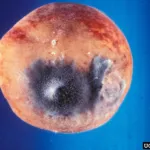 DiseaseRhizopus soft rotRhizopus stolonifer
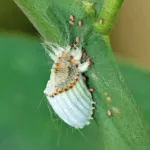 PestCottony Cushion ScaleIcerya purchasi
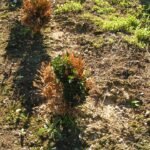 DiseasePhytophthora root and crown rotPhytophthora nicotianae
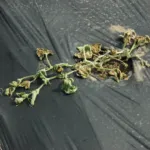 DiseaseBacterial WiltRalstonia solanacearum species complex
Toxicity and pollen
Phalaenopsis orchids are listed by the ASPCA as non-toxic to dogs and cats. No species-specific human toxicity concern was identified in the reviewed sources, but plant material and potting media should not be intentionally eaten, and normal handwashing is sensible after handling.
- Typical season
- No well-established U.S. airborne-pollen season documented; exposure is mainly during flowering.
- Pollination / pollen
- Insect-carried pollinia
The species is insect-pollinated, and its pollen is packaged in pollinia rather than released as a loose airborne cloud. This suggests low routine airborne exposure, but it does not prove zero allergy risk. Sensitive individuals should avoid contact with flowers if symptoms occur and should manage potting-media dust separately.
Native habitat
In nature it is an epiphyte of the wet tropical Philippines, with the accepted native range centered on Luzon. It grows attached to trees rather than rooted in soil, receiving filtered light, frequent moisture, rapid drainage, and strong root aeration in a warm, humid climate.
Interesting fact
The species epithet honors the German orchid grower and consul Consul Schiller. Its silver-barred leaves remain ornamental when the plant is not blooming. The naturally pendant flower sprays are best displayed without forcing them upright. It has contributed distinctive foliage and floral traits to cultivated Phalaenopsis breeding.
Frequently asked questions (FAQ)
The most relevant questions about this plant, with short and direct answers.
🌱Quick care
What is Phalaenopsis schilleriana?⌄
Phalaenopsis schilleriana is a tropical, epiphytic orchid species in the Orchidaceae family, native to the Philippines. It is valued for fragrant pink flowers and distinctive silver-barred foliage, which remains attractive even when the plant is not blooming.
Is Phalaenopsis schilleriana easy to grow?⌄
Yes, Phalaenopsis schilleriana is considered one of the easier species orchids to grow indoors. It is generally tolerant of typical Phalaenopsis conditions, although its relatively thin leaves and fine roots can respond poorly to prolonged drought or waterlogged media.
How much light does Phalaenopsis schilleriana need?⌄
Give Phalaenopsis schilleriana bright, filtered light or dappled shade. An east-facing window is usually suitable, while stronger windows may require a sheer curtain to prevent hot, direct midday sun from scorching the leaves.
How often should I water Phalaenopsis schilleriana?⌄
Water Phalaenopsis schilleriana when the potting mix is nearly dry and the roots look pale or silvery. Water thoroughly, let excess drain away, and avoid leaving the plant continuously wet because stagnant moisture can cause root loss.
What is the best temperature for Phalaenopsis schilleriana?⌄
Keep Phalaenopsis schilleriana warm, with household temperatures generally suitable during the day and slightly cooler nights. Avoid frost, cold drafts, and prolonged temperatures below about 60°F, especially when the plant is wet.
🌤️Environment and placement
Where should I place Phalaenopsis schilleriana indoors?⌄
Place it near a bright east- or lightly shaded south- or west-facing window with good air circulation. Keep it away from radiators, heating vents, air-conditioner blasts, and cold glass during winter.
Does Phalaenopsis schilleriana need high humidity?⌄
Yes, it grows best with moderate to high humidity, ideally around 50–70% indoors with air movement. If household air is dry, use a humidifier or a pebble tray, but do not allow the pot to sit directly in water.
Can Phalaenopsis schilleriana grow under artificial lights?⌄
Yes, Phalaenopsis schilleriana can grow under artificial lights when natural light is insufficient. Use bright, diffuse orchid or full-spectrum lighting on a regular schedule and keep the foliage far enough away to prevent heat stress.
Can Phalaenopsis schilleriana be grown outdoors in the United States?⌄
It can grow outdoors year-round only in frost-free, warm climates with filtered shade and high humidity. In most of the United States, grow it outdoors seasonally and bring it inside before nighttime temperatures approach 60°F or any frost threat.
💧Care and problems
Why are the leaves of my Phalaenopsis schilleriana wrinkled?⌄
Wrinkled leaves usually indicate insufficient water uptake, caused by a mix that is staying too dry or roots that have rotted. Check the roots and potting medium rather than simply watering more often, because damaged roots cannot absorb water effectively.
Why are Phalaenopsis schilleriana roots turning brown or mushy?⌄
Brown, soft, or hollow roots usually indicate rot from stagnant moisture or a deteriorated potting mix. Remove the damaged roots with sterilized tools, repot into fresh, open orchid medium, and adjust watering so the mix approaches dryness between waterings.
Should I water Phalaenopsis schilleriana from the top or bottom?⌄
Either method can work, but thorough top-watering is usually easiest because it flushes the medium and allows excess water to drain. Keep water out of the leaf crown and leaf axils, where lingering moisture can encourage bacterial or fungal rot.
How should I fertilize Phalaenopsis schilleriana?⌄
Fertilize during active growth with a balanced orchid fertilizer diluted according to its label, typically every few waterings or as directed. Water first if the roots are dry, and occasionally flush the pot with plain water to reduce fertilizer salt buildup.
What pests commonly affect Phalaenopsis schilleriana?⌄
Phalaenopsis schilleriana may be affected by mealybugs, scale insects, aphids, and occasionally mites. Inspect leaf undersides, flower spikes, and root areas regularly, isolate affected plants, and use an orchid-safe treatment according to its label.
Should I mist Phalaenopsis schilleriana?⌄
Misting is not necessary if humidity is adequate, and it should not replace proper watering. If you mist aerial roots, do so early in the day and provide airflow so water does not remain in the crown or leaf joints.
🪴Planting and repotting
What potting mix is best for Phalaenopsis schilleriana?⌄
Use an open, bark-based orchid mix that provides both drainage and air around the roots. Medium fir bark, sometimes combined with a modest amount of sphagnum or other moisture-retentive material, can work depending on how quickly your home dries the pot.
Can Phalaenopsis schilleriana be mounted on bark or cork?⌄
Yes, Phalaenopsis schilleriana can be mounted on cork or another suitable bark slab because it is naturally epiphytic. Mounted plants usually require more frequent watering and consistently humid conditions than plants grown in pots.
When should I repot Phalaenopsis schilleriana?⌄
Repot when the bark has broken down, drainage has declined, or the roots have outgrown or destabilized the container. Repotting is best timed when new roots are beginning to grow, often toward the end of winter or after flowering.
Does Phalaenopsis schilleriana need a clear orchid pot?⌄
A clear pot is helpful but not essential. It lets you monitor root color, moisture, and root health, while any container with excellent drainage and an appropriate size can work if watering is adjusted to the medium.
✂️Propagation and pruning
How can I propagate Phalaenopsis schilleriana?⌄
The practical home-propagation method is to separate a mature keiki, or side plant, after it has developed several leaves and roots at least about ¾ inch long. Seed propagation requires controlled laboratory conditions because orchid seeds need specialized fungal or sterile culture support.
Can I grow Phalaenopsis schilleriana from a flower spike?⌄
A flower spike may occasionally produce a keiki, but this is not guaranteed. Keep the plant healthy and provide stable warmth, light, watering, and humidity; do not remove a developing keiki until it has adequate roots for independent growth.
Do I need to prune Phalaenopsis schilleriana after flowering?⌄
No routine pruning is required. Cut a flower spike back to a lower node only while it remains green if you want to encourage a side branch; remove the spike at its base once it turns fully yellow or brown.
⚠️Toxicity and safety
Is Phalaenopsis schilleriana toxic to dogs and cats?⌄
Phalaenopsis schilleriana is considered non-toxic to dogs and cats. Even non-toxic plants can cause mild stomach upset if eaten in quantity, and potting materials, fertilizers, and pest-control products may pose separate risks.
🌸Flowering and special interest
When does Phalaenopsis schilleriana bloom?⌄
Phalaenopsis schilleriana commonly blooms from late winter into spring, although timing varies with plant maturity and growing conditions. Cooler autumn nights or a seasonal change in conditions can help initiate the flower spike.
Are Phalaenopsis schilleriana flowers fragrant?⌄
Yes, mature Phalaenopsis schilleriana commonly produces fragrant pink flowers, often on a branched, arching or pendant inflorescence. Fragrance intensity can vary with the individual plant, time of day, temperature, and growing conditions.
Why is my Phalaenopsis schilleriana not blooming?⌄
A plant that does not bloom may be immature, receiving insufficient light, lacking adequate nutrition during growth, or missing the seasonal temperature change that helps initiate spikes. Keep conditions stable and bright, and avoid forcing a young plant to flower before it has reached blooming size.
Why are the buds falling off my Phalaenopsis schilleriana?⌄
Bud drop, or bud blast, can result from sudden changes in temperature, humidity, watering, light, or location. Keep the plant away from drafts and heating vents, maintain consistent care, and avoid moving or repotting it while buds are developing.
How long do Phalaenopsis schilleriana flowers last?⌄
The flowers can remain attractive for several weeks, with the exact duration depending on plant health and room conditions. Stable temperatures, adequate humidity, and protection from hot sun, drafts, and ethylene-producing fruit can help prolong the display.
Similar plants
 Yellow lantern chili (Capsicum chinense) care guideCapsicum chinense
 Capsicum baccatum care guideCapsicum baccatum
 Serrano (Capsicum annuum ‘Serrano’)Capsicum annuum 'Serrano'
 Purple Beauty (Capsicum annuum ‘Purple Beauty’)Capsicum annuum 'Purple Beauty'
 Numex Twilight (Capsicum annuum ‘Numex Twilight’)Capsicum annuum 'Numex Twilight'
 Explosive Ember Chili Pepper (Capsicum annuum ‘Explosive Ember’)Capsicum annuum 'Explosive Ember'