
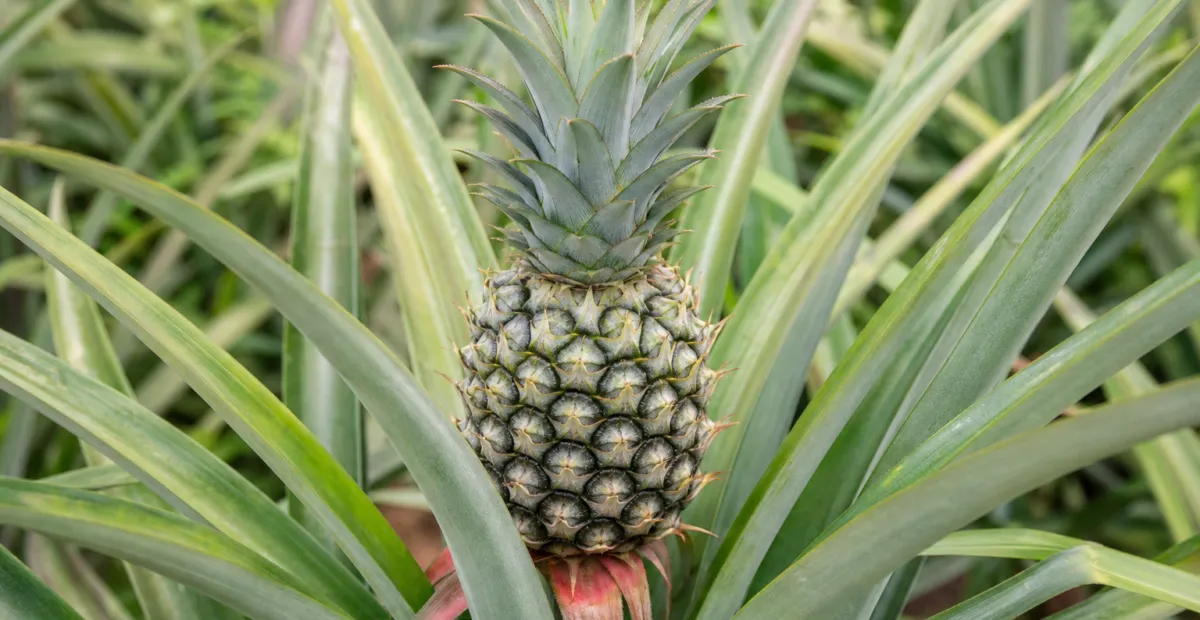
 AI-generated illustration
Pineapple (Ananas comosus) short overview
Pineapple is a tropical, clump-forming perennial bromeliad grown for its edible multiple fruit and bold rosette of spiny leaves. In the United States it is usually cultivated outdoors only in frost-free climates or indoors in a bright container. Plants need warmth, excellent drainage, moderate moisture, and patience: fruiting commonly takes many months, while crowns, slips, and suckers provide practical vegetative propagation.
Taxonomic classification
Pineapple (Ananas comosus) care guide
Light and placement
Give full sun to bright filtered light, with protection from the harshest afternoon heat in very hot climates. Indoors, place directly at a bright south- or west-facing window, or supplement with a grow light. Pale, stretched leaves suggest insufficient light; bleached patches or scorch indicate excessive intensity, heat, or a sudden change in exposure.
Watering and humidity
Water thoroughly when the upper portion of the mix has dried slightly, then let excess drain completely. Reduce frequency in winter or whenever growth slows, but do not allow the root zone to remain saturated. Good drainage matters more than keeping the medium constantly wet; prolonged dryness can cause leaf curling and stalled growth.
Soil and growing medium
Use a loose, sharply drained mix based on sand, fine bark, compost, or other porous organic material. Pineapple tolerates a range of soils but generally performs best in acidic to slightly acidic conditions. Avoid heavy, waterlogged substrates, which encourage root and fruit disorders.
Feeding
Feed during active growth with a balanced, diluted fertilizer according to the product label, or use a modest slow-release formulation. Container plants benefit from regular light feeding rather than heavy doses. Do not fertilize a cold, waterlogged, recently repotted, or visibly diseased plant; flush salts periodically from pots.
Growth and habit
This is a slow-growing, clump-forming rosette plant. After the main rosette flowers and produces one fruit, it gradually declines while slips, suckers, and other offsets develop around the base or fruit stalk. Removing some offsets can direct more energy into the parent plant and larger fruit; retaining them supports renewal of the clump.
Planting and repotting
Plant outdoors only after danger of frost has passed and soil is warm; in frost-free parts of the United States, planting can be year-round. Set crowns, slips, or suckers with their basal portion just into the medium, never burying the central rosette. Allow generous spacing for the coarse, spreading foliage.
Repot container plants when the root zone is crowded or the medium has compacted, preferably during active growth. Move only one pot size larger and keep the crown above the soil line. Use a heavy container if the tall rosette makes the plant unstable.
Propagation and pruning
Propagation
Propagate vegetatively from the leafy crown, basal suckers, slips, or plantlets formed below the inflorescence. Let a cut crown dry for several days before planting to reduce rot risk. Rooting is easiest in warm weather with bright light and a porous, lightly moist medium; crowns are slower to fruit than slips or suckers.
Pruning
Routine pruning is minimal. Remove only dead, damaged, or diseased leaves with clean tools, taking care around the sharp margins. Do not cut into the central growing point. After fruiting, allow the parent rosette to decline naturally while managing offsets if space is limited.
Overwintering
Move container plants indoors before temperatures approach 50°F, and protect outdoor plants from freezing weather. Provide the brightest available light, reduce watering during cool low-light periods, and keep foliage dry enough to avoid crown rot. In frost-free climates, use a warm, sheltered site and protect plants during unusual cold snaps.
Uses
Primarily grown for its edible fruit, ornamental form, and container appeal. It is suitable for patios, conservatories, greenhouse displays, warm landscape beds, and bright indoor collections. Pineapple leaves also provide commercially useful fiber. Fresh fruit and sap can irritate sensitive people, so culinary use should exclude unripe or irritating material.
Appearance
The plant forms a bold evergreen rosette of narrow, sword-shaped leaves that may be gray-green, deep green, reddish, or variegated. Leaf margins can be sharply spined or toothed. A thick central stalk rises above the rosette and carries the compact inflorescence and developing fruit, which is topped by a leafy crown.
Flowering
A mature plant produces a central stalk bearing a dense inflorescence of roughly 50–200 small tubular flowers. Individual flowers open briefly, while the flowering sequence continues for several weeks. The flowers fuse their developing ovaries and bracts into the familiar multiple fruit. The parent rosette declines after fruiting while offsets continue the clump.
Pollination and visitors
The seedless cultivated pineapple is not primarily grown for pollinator-dependent seed production. Its flowers can be visited by animals, but reliable documentation of a characteristic US visitor group is limited, so no specific pollinator code is assigned.
Ananas comosus photos
Click any photo for a larger view. Source, author and license are shown separately.
Diseases and pests
Diseases
Prevent problems by using clean propagation material, excellent drainage, careful watering, and good air movement. Watch for root or fruit rots, especially in saturated soil or during cool, wet conditions. Remove severely affected tissue and improve drainage rather than repeatedly treating stressed plants.
Pests
Common pests include mealybugs, scale insects, and mites. Inspect leaf bases, crown crevices, and undersides regularly. Isolate infested container plants, remove light infestations mechanically, and use a labeled horticultural treatment only as needed. Avoid chronic overwatering and excessive nitrogen, which can weaken growth.
Related diseases and pests
Only Plant Doctor profiles whose host data indicate this plant may be affected are shown here.
 PestCitrus mealybugPlanococcus citri
 PestLong-tailed mealybugPseudococcus longispinus
 Environmental stressChilling injury
 DiseaseRhizopus soft rotRhizopus stolonifer
 DiseaseCeratocystis Wilt, Canker, and Black RotCeratocystis fimbriata Ellis & Halst.
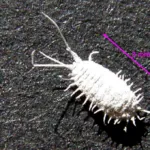 PestObscure mealybugPseudococcus viburni
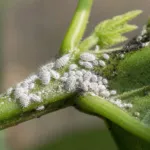 PestCotton mealybugPhenacoccus solenopsis Tinsley
 Environmental stressSalt stress
Toxicity and pollen
Extension guidance classifies pineapple as having low-severity toxic characteristics for some individuals. Sap, leaves, and fresh fruit may cause contact irritation, mouth or throat irritation, or dermatitis in sensitive people; unripe fruit can be strongly irritating. Wear gloves when handling damaged foliage and avoid consuming unripe fruit.
- Typical season
- No clearly documented high-airborne-pollen season for typical US cultivation
- Pollination / pollen
- Flower pollen; not typically a major airborne allergen source
Pineapple flowers produce pollen, but typical home-grown plants do not represent a major airborne-pollen source. The more relevant exposure concerns are irritating sap, leaf contact, and fresh fruit reactions rather than widespread seasonal pollen dispersal. Individual sensitivity cannot be ruled out.
Native habitat
The species is associated with warm tropical and seasonally dry regions of South and Central America, where it grows in open or lightly shaded terrestrial settings with warmth and good drainage. Cultivation has spread it widely, but it is not native to North America.
Interesting fact
The pineapple is a syncarp formed from the fused fruits of many individual flowers. Commercial pineapples are generally seedless cultigens. Leaf fibers have been used to make piña cloth and other durable materials. A fruiting rosette usually declines after producing its fruit, while offsets carry on the plant.
Frequently asked questions (FAQ)
The most relevant questions about this plant, with short and direct answers.
🌱Quick care
How do you care for a pineapple plant indoors?⌄
Give pineapple, Ananas comosus, bright light, porous acidic soil, and moderate watering. Let the potting mix dry slightly between waterings, and keep the plant warm and away from cold drafts.
How often should I water a pineapple plant?⌄
Water when the upper portion of the potting mix has dried slightly, then drain thoroughly. Water less often in winter or low light, because constantly wet soil can cause root problems.
Does a pineapple plant need full sun?⌄
Pineapple grows best in full sun outdoors or very bright filtered light indoors. Acclimate an indoor plant gradually before placing it in strong direct outdoor sun to reduce leaf scorch.
How big does a pineapple plant get in a pot?⌄
A container-grown pineapple commonly reaches about 3 to 4 feet tall and wide, although miniature and ornamental forms may stay smaller. Its shallow root system means a stable 3- to 7-gallon pot is usually adequate.
🌤️Environment and placement
Can pineapple plants grow outdoors in the United States?⌄
Pineapple can grow outdoors year-round only in warm, frost-free parts of the United States, generally USDA Zones 10 and warmer. In cooler areas, grow it in a container and bring it indoors before cold weather.
What temperature is too cold for a pineapple plant?⌄
Pineapple is frost tender and should be protected well before freezing weather; temperatures below about 28°F can cause severe damage. For container plants, moving indoors when nights approach 50°F provides a safer margin.
Can I grow a pineapple plant in a shaded room?⌄
A pineapple may survive in bright shade, but low light limits growth and makes fruiting unlikely. Place it near a bright south- or west-facing window or use a strong grow light.
Can a pineapple plant grow in a bathroom?⌄
A bathroom is suitable only if it receives strong natural or supplemental light and has adequate air circulation. Humidity can help, but it does not compensate for poor light or waterlogged soil.
What type of soil is best for pineapple plants?⌄
Use acidic, porous, well-drained soil such as a bromeliad mix amended with sand, perlite, or other drainage material. Avoid heavy garden soil that stays wet around the shallow roots.
Should I water a pineapple plant in the center rosette?⌄
Water the potting mix rather than routinely filling the central rosette, especially indoors. Standing water in the crown can stagnate and contribute to rot when air circulation is poor.
💧Care and problems
Why are my pineapple plant leaves turning brown at the tips?⌄
Brown tips commonly result from dry air, inconsistent watering, accumulated salts, excess fertilizer, or cold stress. Check the roots and soil moisture first, and avoid keeping the mix either bone-dry for long periods or constantly wet.
Why is my pineapple plant turning yellow?⌄
Yellow leaves often indicate excess moisture, poor drainage, low light, or natural aging of older outer leaves. If several leaves yellow at once, inspect the roots and allow the mix to dry slightly more between waterings.
Why is my pineapple plant wilting?⌄
Wilting can be caused by severe dryness, damaged roots from overwatering, cold injury, or transplant stress. Feel the soil before watering and check for soft, dark, or rotting roots rather than watering automatically.
Why is my pineapple plant not growing?⌄
Slow growth is normal, but insufficient light, cool temperatures, poor drainage, or a recently rooted crown can make it slower. Keep it warm, bright, and lightly fed during active growth without overfertilizing.
What fertilizer should I use for a pineapple plant?⌄
Use a balanced, diluted fertilizer during active growth according to the product label. Avoid heavy feeding, particularly in dry soil, because excess salts can burn leaf tips and roots.
How do I treat scale insects on a pineapple plant?⌄
Remove visible scale insects with a cotton swab or soft cloth, then use a houseplant-safe treatment labeled for scale if needed. Follow the product directions and keep the plant isolated until the infestation is controlled.
🪴Planting and repotting
What size pot does a pineapple plant need?⌄
Choose a heavy pot with drainage holes that is large enough to support the top-heavy rosette without leaving excessive wet soil around the roots. A 3- to 7-gallon container is generally suitable for a mature standard plant.
When should I repot a pineapple plant?⌄
Repot when the container is unstable, the roots have filled the pot, or the mix has broken down and drains poorly. Move it only one pot size larger and repot during active growth when possible.
Can I plant a pineapple directly in the ground?⌄
Plant pineapple in the ground only where the soil drains sharply and winter temperatures remain frost-free. In most of the United States, container culture is safer because the plant must be protected from cold.
✂️Propagation and pruning
Can you grow a pineapple plant from the top of a store-bought pineapple?⌄
Yes, a healthy leafy crown can be rooted into a new pineapple plant. Remove all attached fruit, let the cut base dry for several days, then place it in barely moist, well-drained mix in bright indirect light.
How long does it take to grow a pineapple from a crown?⌄
A crown-grown pineapple often needs at least about 24 months to flower, and fruit development adds several more months. Timing varies with plant size, variety, temperature, and light.
What are pineapple pups, and should I remove them?⌄
Pups are offsets that develop around the mother plant and can be left to form a clump or separated for propagation. Remove and pot them when they are established and roughly one-third the size of the mother plant, preferably with roots attached.
Does a pineapple plant die after producing fruit?⌄
The original rosette gradually declines after producing its fruit, but it usually produces pups that continue the plant. Keep caring for the offsets as the mother plant ages.
Does a pineapple plant need pruning?⌄
Pineapple generally needs no pruning. Remove only dead or badly damaged leaves with clean tools, taking care around the sharp leaf margins.
⚠️Toxicity and safety
Are pineapple plants poisonous to dogs or cats?⌄
Pineapple is considered low-severity in toxicity, but its sap, leaves, and fruit may irritate some people or animals if chewed or contacted. Keep the plant away from pets and children because the leaves are also sharp.
Can pineapple plants cause skin irritation?⌄
Yes, some people may develop irritation or contact dermatitis from pineapple sap, leaves, or fruit. Wear gloves when handling the plant and wash exposed skin afterward, especially if you are sensitive.
🌸Flowering and special interest
How long does it take a pineapple plant to produce fruit?⌄
A pineapple may take about 2 to 3 years to reach maturity from a crown or young plant, while fruit development after flowering commonly takes about 5 to 7 months. Larger, well-lit plants generally fruit more reliably.
How do I get my pineapple plant to flower?⌄
First provide strong light, warm temperatures, good drainage, and enough plant size; immature or low-light plants may not flower. Flower forcing is possible for a sufficiently mature plant, but household methods are variable and should not be treated as guaranteed.
How can I tell when a pineapple is ripe?⌄
A pineapple is approaching ripe when the fruit develops a fragrant smell and its skin changes from green toward yellow or golden tones. Harvest timing varies by variety, so color and aroma are more useful together than either sign alone.
Will a pineapple plant produce more than one pineapple?⌄
The main rosette normally produces one primary fruit and then declines. Additional plants can arise from pups, and those offsets may eventually produce their own fruit.
Similar plants
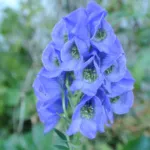 Azure Monkshood (Aconitum carmichaelii) care guideAconitum carmichaelii
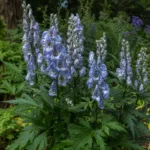 Monkshood (Aconitum ‘Stainless Steel’)Aconitum 'Stainless Steel'
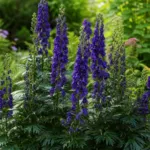 Monkshood (Aconitum ‘Bressingham Spire’)Aconitum 'Bressingham Spire'
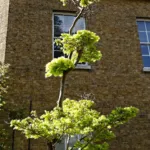 Golden full moon maple (Acer shirasawanum ‘Aureum’)Acer shirasawanum 'Aureum'
 Globosum (Acer platanoides ‘Globosum’)Acer platanoides 'Globosum'
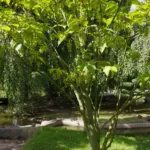 Striped maple (Acer pensylvanicum) care guideAcer pensylvanicum