
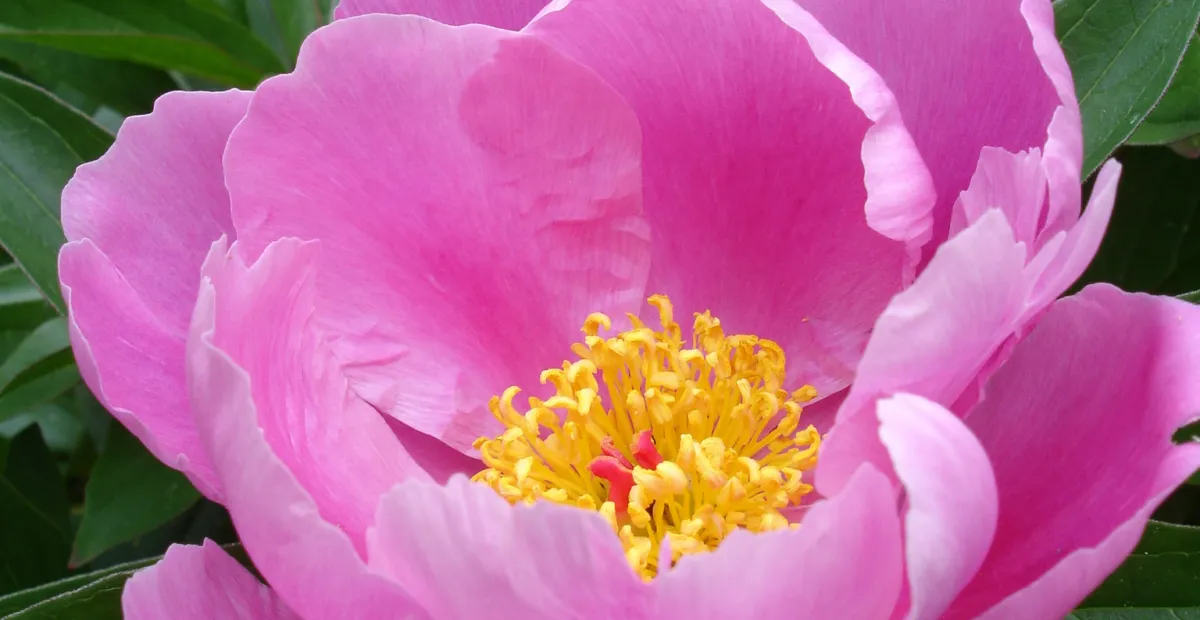
 Source:
 Common Garden Peony (Paeonia lactiflora) short overview
Common Garden Peony is a long-lived, clump-forming herbaceous perennial grown for its large, often fragrant flowers and attractive divided foliage. In United States gardens it performs best in full sun, fertile soil, and consistent but moderate moisture with excellent drainage. Plant bare-root divisions shallowly, with the buds only about 1–2 inches below the soil surface. Mature plants may need support, but they usually dislike disturbance and can remain productive for decades.
Taxonomic classification
Common Garden Peony (Paeonia lactiflora) care guide
Light and placement
Choose an open bed with at least 6 hours of direct sun, ideally with morning-to-afternoon exposure and protection from harsh, drying wind. A little afternoon shade is tolerated in hot climates, but dense shade or competition from tree roots commonly reduces flowering. Weak, floppy stems and sparse blooms suggest insufficient light; scorched foliage or rapidly drying soil suggests excessive heat or exposure.
Watering and humidity
Water deeply when the top few inches of soil begin to dry, especially during the first two growing seasons and while flower buds are developing. Established plants usually need supplemental water during prolonged dry spells rather than frequent shallow irrigation. Keep water at the soil line and avoid wetting foliage, which can encourage leaf diseases. Mulch lightly around, not over, the crown.
Soil and growing medium
Use fertile, well-drained garden soil amended with compost where needed, but avoid creating a waterlogged planting pocket. Loam is ideal; heavy clay should be improved for drainage and sandy soil should receive organic matter to hold moisture. A moderately broad pH range is tolerated, but very acidic soil can limit performance. Do not bury the crown deeply.
Feeding
If soil has been prepared well, established plants may need little fertilizer. Apply a modest amount of balanced, low-nitrogen fertilizer or compost after flowering or in early spring according to soil-test guidance. Avoid heavy nitrogen applications, which can produce lush foliage, weak stems, and fewer flowers. Do not fertilize drought-stressed, newly divided, or diseased plants until they recover.
Growth and habit
The plant forms a persistent crown of annual shoots that emerge in spring, flower in early summer, and die back after frost. It is slow to establish after planting but becomes increasingly substantial with age. Dense clumps generally need little routine division; divide only when propagation, relocation, or serious overcrowding is necessary.
Planting and repotting
Prepare a broad, well-drained bed and remove competing perennial weeds. Set bare-root divisions with the pink buds facing upward and only 1–2 inches below the finished soil surface. Water thoroughly after planting and maintain even moisture during establishment. Allow room for the mature clump and avoid routine relocation, because peonies may take 2–3 years to flower well after disturbance.
Container culture is possible in a large, deep container, but in-ground planting is usually more reliable. If transplanting is necessary, move the plant in late summer or early fall, disturb the roots as little as possible, and replant at the same shallow crown depth. Repot only when the container is clearly overcrowded or drainage has deteriorated.
Propagation and pruning
Propagation
The most practical method is division in late summer or early fall after foliage begins to decline. Lift the crown carefully and divide it into sections containing several healthy buds and substantial roots. Seed propagation is possible but slow and may produce variable offspring; seedlings can require several years before flowering.
Pruning
Remove spent flowers after blooming to prevent unwanted seed production and improve appearance. Allow foliage to remain until it yellows naturally so the crown can replenish reserves. Cut stems and foliage to the ground after a hard frost or once fully dormant, and remove debris from the bed.
Overwintering
This species is naturally cold hardy and normally overwinters outdoors throughout much of USDA Zones 3–8. After the foliage dies back, cut it to the ground and remove diseased debris. A light winter mulch may help in exposed sites, but keep mulch away from the crown and avoid heavy, wet covering that encourages rot.
Uses
Primarily used in perennial borders, cottage-style plantings, foundation beds, and cut-flower gardens. Single-flowered forms can provide accessible forage for insects, while double forms are chiefly ornamental. Flowers are commonly used in arrangements, but ingestion should be discouraged around pets because peony tissues are reported as potentially harmful.
Appearance
Leaves are alternate, dark green, and deeply divided into several pointed leaflets, giving the plant a finely textured appearance. Upright herbaceous stems arise from a thick crown and may bend under large blooms, especially in double-flowered forms. The overall clump disappears after autumn dieback, leaving a dormant underground crown through winter.
Flowering
Flowers are produced on upright stems in early summer. Wild-type and single forms expose stamens and carpels more clearly, while double cultivars may have many transformed petals and less accessible reproductive structures. Individual blooms are relatively short-lived, but early-, mid-, and late-season cultivars can extend the garden display.
Pollination and visitors
Open flowers are visited by bees, including honey bees, and by bumblebees. Single flowers generally provide easier access to pollen and nectar than densely double cultivars. Documented field research identifies honey bees as effective pollinators of Paeonia lactiflora; visitor abundance and reproductive success can vary with flower form and local insect populations.
Paeonia lactiflora photos
Click any photo for a larger view. Source, author and license are shown separately.
Diseases and pests
Diseases
Common problems include peony leaf blotch or measles, powdery mildew, Botrytis blight, peony wilt, Verticillium wilt, and occasional virus symptoms. Improve sun and air circulation, avoid overhead watering, space plants adequately, and remove diseased foliage at season’s end rather than composting it. Fungicides are most useful preventively and should be selected and used according to the product label.
Pests
Potential pests include thrips, scale, leaf and bud eelworms, and soil-dwelling larvae. Inspect distorted buds, stippled foliage, or declining shoots early. Begin with sanitation, weed control, good spacing, and removal of badly affected material. Use targeted treatment only when damage is significant and the product is labeled for the pest and crop setting.
Related diseases and pests
Only Plant Doctor profiles whose host data indicate this plant may be affected are shown here.

Toxicity and pollen
Peony is listed by veterinary plant-safety resources as potentially toxic or irritating to dogs and cats, with paeonol identified as a toxic principle in peony listings. Evidence is not always species-specific, so the exact risk for Paeonia lactiflora is best treated cautiously rather than assumed harmless. Prevent pets from chewing roots, stems, leaves, or flowers; seek veterinary advice after significant ingestion or if vomiting, diarrhea, depression, or irritation occurs.
- Typical season
- Typically May–June in much of the United States
- Pollination / pollen
- Heavy, sticky pollen released from exposed anthers and chiefly moved by flower-visiting insects
Paeonia lactiflora is insect-pollinated, and its pollen is relatively heavy and associated mainly with flower visitors rather than long-distance wind transport. That does not make allergy impossible: sensitive people may react to direct contact with flowers or nearby pollen, especially during peak bloom. Avoid handling large quantities when symptomatic and wash hands after cutting flowers.
Native habitat
The species is associated with temperate regions of northern and eastern Asia, including woodland margins, open slopes, and grassy habitats with cold winters and seasonal moisture. It prefers fertile, well-drained soils and a pronounced dormant season. Garden forms are widely cultivated outside the native range and are generally grown in open beds rather than naturalized sites.
Interesting fact
Paeonia lactiflora is the parent or close relative of many historic garden peony cultivars. The species was formerly associated in horticulture with the name Paeonia albiflora. Peony crowns can remain productive for many decades when planted correctly. Ants may appear on unopened buds because of sugary secretions, but they are not required to open the flowers.
Frequently asked questions (FAQ)
The most relevant questions about this plant, with short and direct answers.
🌱Quick care
What is Paeonia lactiflora?⌄
Paeonia lactiflora is the Common Garden Peony, a long-lived herbaceous perennial grown for its large, often fragrant flowers. It belongs to the Paeoniaceae family and dies back to the ground after frost.
How much sunlight does Common Garden Peony need?⌄
Common Garden Peony grows best in full sun, although it can tolerate partial shade. In hot climates, some afternoon shade may help protect flowers and foliage, but too much shade can reduce flowering.
How often should I water Paeonia lactiflora?⌄
Water Paeonia lactiflora when the soil surface begins to dry, keeping the root zone moderately and evenly moist. Provide extra water during spring growth, drought, and the first growing season, but avoid constantly wet soil.
Is Common Garden Peony cold hardy?⌄
Yes, Common Garden Peony is cold hardy and generally performs best in USDA Zones 3 through 8. It needs a cold winter dormancy for reliable flowering, so it may struggle in warm climates without sufficient chilling.
🌤️Environment and placement
What is the best soil for Paeonia lactiflora?⌄
The best soil for Paeonia lactiflora is fertile, humus-rich loam that remains evenly moist but drains freely. Improve poor soil with organic matter, but do not plant peonies where water regularly stands.
Can Common Garden Peony grow in partial shade?⌄
Common Garden Peony can grow in partial shade, especially where summers are hot, but it flowers most reliably with at least half a day of direct sun. Dense shade, building shade, and tree-root competition can significantly reduce performance.
Where should I plant Common Garden Peony in the garden?⌄
Plant Common Garden Peony in an open, well-drained location with good air circulation and several hours of direct sun. Avoid sites beside large trees, where roots may compete for moisture and nutrients.
Can Paeonia lactiflora grow in containers?⌄
Paeonia lactiflora can be grown in a large, deep container, but it usually performs better and lives longer in the ground. Choose a pot with drainage, use fertile well-drained soil, and provide winter protection where containers freeze deeply.
💧Care and problems
How do I care for Common Garden Peony after flowering?⌄
Remove spent flowers after blooming to keep the plant tidy and prevent unnecessary seed formation. Keep the foliage intact during summer so it can replenish the roots for next year’s growth.
When should I cut back Paeonia lactiflora?⌄
Cut Paeonia lactiflora stems and foliage to the ground in fall after the foliage has died back or after a killing frost. Remove the debris from the garden to reduce the chance of carrying disease into the next season.
Do Common Garden Peonies need support?⌄
Large-flowered or double Common Garden Peony cultivars often need support because rain can make the stems bend or collapse. Install peony rings or discreet stakes early in spring, before the stems become heavy with buds.
Why is my Paeonia lactiflora not blooming?⌄
Paeonia lactiflora may fail to bloom because it is planted too deeply, receives too little sun, is too young, was recently moved, or suffered flower-bud damage from a late frost. Excess nitrogen and root competition can also contribute.
What are the common problems affecting Common Garden Peony?⌄
Common Garden Peony is generally low maintenance, but Botrytis blight, powdery mildew, leaf blotch, and Phytophthora blight can occur. Good air circulation, careful watering, sanitation, and removal of diseased foliage help limit problems.
Are ants on Paeonia lactiflora buds harmful?⌄
No, ants on Paeonia lactiflora buds are usually harmless and are attracted to nectar on the bud surface. They do not need control unless you are cutting flowers for indoor use, when shaking the blooms can dislodge them.
🪴Planting and repotting
When is the best time to plant Common Garden Peony?⌄
The best time to plant bare-root Common Garden Peony is in fall, while the plant is dormant and before the ground freezes. Container-grown plants can be planted during the growing season, but they still need time to establish before winter.
How deep should I plant Paeonia lactiflora roots?⌄
Plant Paeonia lactiflora roots so the visible buds, or eyes, are about 1 to 2 inches below the soil surface. Planting deeper than this is a common cause of poor flowering, especially in heavy or warm soils.
How far apart should Common Garden Peonies be planted?⌄
Space Common Garden Peonies about 3 to 4 feet apart, depending on the cultivar’s mature spread. Adequate spacing improves air circulation and gives the clumps room to develop without crowding.
Can I transplant an established Paeonia lactiflora?⌄
Yes, an established Paeonia lactiflora can be transplanted, preferably in fall after the foliage dies back. Expect reduced flowering or no flowers for a year or two while the plant rebuilds its root system.
Should I divide Common Garden Peony?⌄
Common Garden Peony usually does not need regular division because established plants can remain productive for decades. Divide only to propagate a plant, correct severe crowding, or relocate it, and do so in fall.
✂️Propagation and pruning
How do I propagate Paeonia lactiflora?⌄
Propagate Paeonia lactiflora by dividing dormant roots in fall or by growing seed. Division produces plants like the parent, while seed-grown plants may differ from named cultivars and can take several years to flower.
Can I grow Common Garden Peony from seed?⌄
Yes, Common Garden Peony can be grown from seed, but germination and flowering are slow. Seeds require a period of warm and cold conditions, and named cultivars generally do not come true from seed.
Can I propagate Paeonia lactiflora from cuttings?⌄
Paeonia lactiflora is not normally propagated from ordinary stem cuttings. Root division or specialized nursery techniques are more practical for producing new plants.
⚠️Toxicity and safety
Is Common Garden Peony toxic to pets?⌄
Common Garden Peony should be treated as potentially harmful to pets if eaten. Ingestion may cause gastrointestinal upset, so contact a veterinarian or animal poison-control service if a pet consumes part of the plant.
Is Paeonia lactiflora safe around children?⌄
Keep Paeonia lactiflora away from children who may chew garden plants, because plant material can cause stomach upset if swallowed. Seek medical advice or contact poison control after a suspected ingestion.
🌸Flowering and special interest
When does Common Garden Peony bloom?⌄
Common Garden Peony usually blooms in late spring to early summer, often during May or early June in much of the United States. Exact timing varies with cultivar, USDA zone, spring temperatures, and local weather.
How long do Paeonia lactiflora flowers last?⌄
Individual Paeonia lactiflora plants typically flower for about 7 to 14 days. Planting early-, mid-, and late-season cultivars can extend the overall peony display for several weeks.
Why are my Common Garden Peony buds turning brown or not opening?⌄
Buds may brown or fail to open because of Botrytis blight, late frost, excessive rain, insufficient sun, or stress from transplanting. Improve air circulation, remove affected material, and avoid overhead watering.
Do Common Garden Peonies need winter protection?⌄
Common Garden Peonies are cold hardy and usually need little winter protection in the ground. In areas with little snow or exposed winter conditions, a light mulch over the root zone may help, but avoid burying the crown deeply.
Similar plants
 Paeonia mlokosewitschii care guidePaeonia mlokosewitschii
  Tree peony (Paeonia suffruticosa) care guidePaeonia suffruticosa
  Wild Peony (Paeonia mascula) care guidePaeonia mascula
  Garden Peony (Paeonia officinalis) care guidePaeonia officinalis
  Fern-leaf Peony (Paeonia tenuifolia) care guidePaeonia tenuifolia
 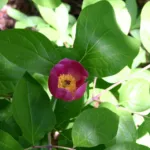 Woodland peony (Paeonia obovata) care guidePaeonia obovata