
 Source:
 Paeonia mlokosewitschii short overview
Paeonia mlokosewitschii is a rare herbaceous peony from the Caucasus, grown for its distinctive pale lemon-yellow, bowl-shaped flowers and glaucous, finely divided foliage. It blooms early in the U.S. spring, often before many familiar garden peonies. Give it full sun or light partial shade, fertile soil that drains freely, and a permanent position, because mature plants dislike root disturbance and may take several years to flower after planting.
Taxonomic classification
Paeonia mlokosewitschii care guide
Light and placement
Grow in full sun for strongest flowering, or light partial shade where summers are hot. An east-, south-, or west-facing site with morning or filtered afternoon light is suitable. Sparse flowering and stretched stems suggest insufficient light; scorched foliage or rapid wilting can indicate excessive reflected heat combined with drought. Avoid dense shade and poorly ventilated corners.
Watering and humidity
Water deeply when the top few inches of soil begin to dry during spring and summer establishment, then reduce as foliage dies back. Maintain even moisture during shoot emergence and flowering, but never leave the crown in saturated soil. Established plants are moderately drought-tolerant once rooted, though prolonged summer drought can weaken next year’s flowering.
Soil and growing medium
Use fertile, humus-enriched soil with reliable drainage and steady moisture during active growth. Loam, clay-loam, or sandy loam can work if amended for structure. Neutral to slightly alkaline conditions are commonly recommended; avoid stagnant winter wetness and very acidic, waterlogged beds.
Feeding
Apply a balanced, low-nitrogen fertilizer or a thin layer of finished compost in early spring as shoots emerge. Do not overfeed, especially with high nitrogen, which can produce weak foliage and reduce flowering. Stop routine feeding after flowering and avoid fertilizing drought-stressed or newly divided roots.
Growth and habit
A clump-forming herbaceous peony emerges from dormant fleshy roots each spring, flowers on upright stems, and dies back after the growing season. It becomes more dependable with age but resents repeated moving, deep planting, and root disturbance. Support is rarely needed in a sheltered position.
Planting and repotting
Plant bare roots in early fall where possible, or set container plants out while dormant or just beginning growth. Position the buds, or eyes, about 1–2 inches below the soil surface; deeper planting can suppress flowering. Water thoroughly after planting and keep the site undisturbed while roots establish.
Avoid routine repotting. If grown in a container, use a deep, stable pot and transplant only during dormancy, handling the fleshy roots carefully. Long-term container culture is less dependable than planting in the ground.
Propagation and pruning
Propagation
Seed is the principal method for preserving species traits, but fresh seed may require extended warm and cold stratification and seedlings can take several years to bloom. Division is possible during dormancy, but large root divisions establish slowly and should retain healthy buds and substantial root tissue.
Pruning
Remove spent flowers if seed is not desired. Allow foliage to remain until it naturally yellows so the roots can replenish reserves, then cut stems to the ground after hard frost or complete dieback. Sanitize tools and remove diseased leaves promptly.
Overwintering
Leave the plant outdoors in the ground through winter. After foliage dies back, remove debris and apply a light mulch in exposed or very cold sites, keeping mulch away from the crown. Container plants are more vulnerable to root freezing and should be insulated or sunk into the ground in cold regions.
Uses
Primarily an ornamental specimen for early spring display, species-peony collections, woodland edges, mixed borders, and rock gardens. Its flowers can be used sparingly as cut flowers, but stems are short and the plant is valued more for garden interest than commercial cutting. Do not use medicinally or as food.
Appearance
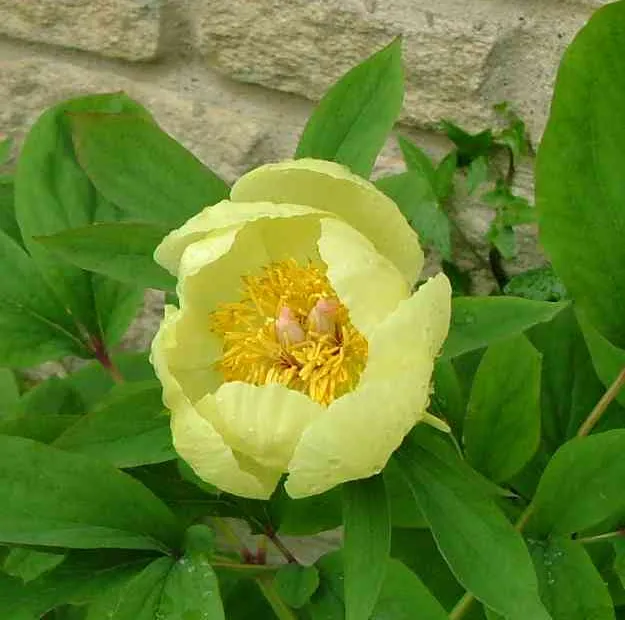
The plant forms a low, bushy clump of biternate to finely divided leaves with a distinctly blue-green, glaucous surface. Upright stems carry solitary flowers above the foliage. Fuzzy carpels and prominent golden stamens are useful identification details, especially when the plant is not in full bloom.
Flowering
This species produces solitary, bowl-shaped flowers in early to mid-spring. Flowering is brief but conspicuous, and plants can bloom before traditional late-spring peonies. Established specimens may flower reliably, while newly planted or divided plants often need several seasons to recover.
Pollination and visitors
The open, pollen-rich flowers are compatible with generalist insect visitation. Bees, bumblebees, and beetles are plausible documented or characteristic visitors for Paeonia, but a specific pollinator study focused on this taxon was not located; therefore visitor strength is rated medium rather than high.
Paeonia mlokosewitschii photos
Click any photo for a larger view. Source, author and license are shown separately.
Diseases and pests
Diseases
Provide air circulation, avoid overhead watering, and remove diseased foliage after it dies back. Botrytis blight and other fungal leaf or stem problems can occur in cool, wet conditions; cut affected material away and dispose of it rather than composting visibly diseased tissue.
Pests
Watch for aphids, thrips, scale, and peony bud or foliage damage from generalist insects. Encourage beneficial predators, improve air circulation, and use targeted treatment only when damage is significant. Remove fallen foliage at season’s end to reduce overwintering disease pressure.
Related diseases and pests
Only Plant Doctor profiles whose host data indicate this plant may be affected are shown here.

Toxicity and pollen
Direct species-specific toxicology is limited. ASPCA lists peony toxicity to dogs and cats for another Paeonia species, with paeonol associated with gastrointestinal signs, so ingestion of P. mlokosewitschii should not be treated as risk-free. Prevent pets from chewing the plant and contact a veterinarian if ingestion causes vomiting, diarrhea, or depression.
- Typical season
- April to May in much of the United States
- Pollination / pollen
- Insect-presented floral pollen
The flowers release conspicuous pollen, but reliable U.S. data on airborne concentration and clinical allergy risk for this exact species were not located. Because peonies are generally insect-pollinated, pollen is usually presented within the flower rather than dispersed like wind-borne grass or tree pollen; sensitive people should still avoid handling flowers if symptoms occur.
Native habitat
The taxon is native to the Caucasus region, including parts of Azerbaijan, Georgia, and Dagestan. It is associated with montane woodland margins and rocky or stony slopes, often in well-drained soils under deciduous trees. These conditions explain its preference for drainage, seasonal moisture, and a winter chill period.
Interesting fact
The name honors Ludwik Młokosiewicz, a Polish naturalist associated with the Caucasus. Kew currently places the taxon within Paeonia daurica as a subspecies, although the species name remains widely used horticulturally. Wild-collected forms are typically pure yellow, while some cultivated plants show a pinkish blush.
Frequently asked questions (FAQ)
The most relevant questions about this plant, with short and direct answers.
🌱Quick care
How do you care for Paeonia mlokosewitschii?⌄
Grow Paeonia mlokosewitschii in full sun to partial shade, fertile well-drained soil, and moderate, consistent moisture. Avoid waterlogged ground and do not disturb established plants unnecessarily.
🌤️Environment and placement
Is Paeonia mlokosewitschii hardy in cold climates?⌄
Yes, Paeonia mlokosewitschii is cold-hardy and is generally suitable for USDA Zones 5 and colder conditions. Winter protection is usually unnecessary in the ground, provided the soil drains well.
How much sun does Paeonia mlokosewitschii need?⌄
Paeonia mlokosewitschii grows best in full sun but tolerates partial shade. Too much shade can reduce flowering and produce weaker, less compact growth.
Can Paeonia mlokosewitschii grow in partial shade?⌄
Yes, it can grow in partial shade, especially where summers are hot. Choose the brightest site available because flowering is typically better with several hours of direct sun.
💧Care and problems
How often should I water Paeonia mlokosewitschii?⌄
Water Paeonia mlokosewitschii when the soil begins to dry, maintaining moderate moisture without saturation. Established plants need extra water during prolonged summer heat or drought.
Why is my Paeonia mlokosewitschii not flowering?⌄
The most common causes are planting the crown too deeply, insufficient sunlight, young age, or recent disturbance. Planting eyes more than about 1½ inches below the soil surface can significantly reduce flowering.
Does Paeonia mlokosewitschii need fertilizer?⌄
It usually needs little fertilizer once established in fertile soil. If growth is weak, apply a light, balanced fertilizer or compost in spring, avoiding excessive nitrogen that can encourage foliage over flowers.
Should I deadhead Paeonia mlokosewitschii?⌄
Deadhead spent flowers if you want to prevent seed formation and keep the plant tidy. Leave healthy foliage in place until it naturally declines so the roots can store energy for the following year.
When should Paeonia mlokosewitschii be cut back?⌄
Cut the foliage to the ground after it has yellowed or died back at the end of the growing season. Removing it earlier can reduce the plant’s ability to recharge its roots.
What pests affect Paeonia mlokosewitschii?⌄
It may be affected by leaf and bud eelworms or soil-dwelling larvae such as swift moth caterpillars. Inspect distorted growth and maintain clean, well-drained planting conditions.
What diseases can affect Paeonia mlokosewitschii?⌄
Possible problems include peony leaf blotch, peony wilt, Verticillium wilt, honey fungus, and virus diseases. Good drainage, adequate spacing, sanitation, and removal of diseased foliage help reduce risk.
🪴Planting and repotting
What type of soil is best for Paeonia mlokosewitschii?⌄
Use fertile, humus-rich, well-drained loam with a neutral to slightly alkaline pH. It can tolerate other soil textures if drainage and fertility are adequate.
How deeply should Paeonia mlokosewitschii be planted?⌄
Plant the root so the uppermost buds, or eyes, are no more than about 1½ inches below the soil surface. Planting deeper than this is a frequent cause of poor or absent flowering.
When is the best time to plant Paeonia mlokosewitschii?⌄
Plant bare roots in fall or very early spring while the plant is dormant. Fall planting generally gives the roots more time to establish before the next growing season.
How much space does Paeonia mlokosewitschii need?⌄
Allow roughly 3 feet of planting space around each mature plant. It usually reaches about 2 feet tall and wide, but good airflow helps reduce disease problems.
Can Paeonia mlokosewitschii be grown in a container?⌄
It can be grown temporarily in a large, deep container, but it performs best planted in the ground. Use a pot with excellent drainage and provide winter protection because container roots experience colder temperature swings.
✂️Propagation and pruning
How do you propagate Paeonia mlokosewitschii?⌄
Propagate it by seed, division, or winter root cuttings. Division is faster than seed but should include one or more plump terminal buds on each section.
How long do Paeonia mlokosewitschii seeds take to germinate?⌄
Paeonia mlokosewitschii seeds can take two or three years to germinate because peony seeds commonly require extended warm and cold conditions. Sow fresh seed outdoors in fall or winter rather than expecting quick indoor germination.
When should Paeonia mlokosewitschii be divided?⌄
Divide it in fall or very early spring just before new growth begins. Division should be reserved for overgrown or declining plants because peonies dislike root disturbance.
⚠️Toxicity and safety
Is Paeonia mlokosewitschii toxic to dogs and cats?⌄
Paeonia mlokosewitschii should be treated as potentially toxic to pets, as peonies contain compounds that can cause gastrointestinal upset if eaten. Keep roots, foliage, and flowers away from dogs and cats, and contact a veterinarian after suspected ingestion.
What should I do if my pet eats Paeonia mlokosewitschii?⌄
Contact your veterinarian or a pet poison-control service promptly if a dog or cat eats the plant. Watch for vomiting, diarrhea, depression, or other unusual symptoms, and do not induce vomiting unless a professional instructs you to do so.
🌸Flowering and special interest
How long does Paeonia mlokosewitschii take to flower after division?⌄
A divided plant may take two or three years to flower again. Replant divisions carefully and avoid burying the eyes too deeply.
When does Paeonia mlokosewitschii bloom?⌄
Paeonia mlokosewitschii usually blooms in mid-spring, often around April or May in much of the United States. The exact timing varies with latitude, elevation, and spring temperatures.
What color are Paeonia mlokosewitschii flowers?⌄
The flowers are typically single, bowl-shaped, and lemon-yellow, with prominent yellow stamens. Individual blooms are commonly about 4 to 5 inches across.
Is Paeonia mlokosewitschii fragrant?⌄
Paeonia mlokosewitschii is grown mainly for its unusual yellow flowers and blue-green foliage, and fragrance is not generally considered its defining feature. Fragrance can vary between plants and related forms.
What does Paeonia mlokosewitschii look like after flowering?⌄
After flowering, it retains attractive bluish-green, divided foliage through the growing season. The foliage remains ornamental until it naturally dies back in fall.
Similar plants
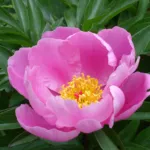 Common Garden Peony (Paeonia lactiflora) care guidePaeonia lactiflora
  Fern-leaf Peony (Paeonia tenuifolia) care guidePaeonia tenuifolia
 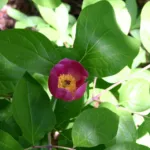 Woodland peony (Paeonia obovata) care guidePaeonia obovata
 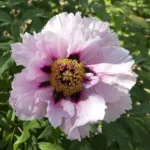 Tree peony (Paeonia suffruticosa) care guidePaeonia suffruticosa
 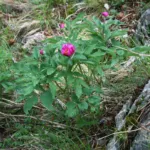 Garden Peony (Paeonia officinalis) care guidePaeonia officinalis
  Balkan Peony (Paeonia peregrina) care guidePaeonia peregrina