
 Source:
 Balkan Peony (Paeonia peregrina) short overview
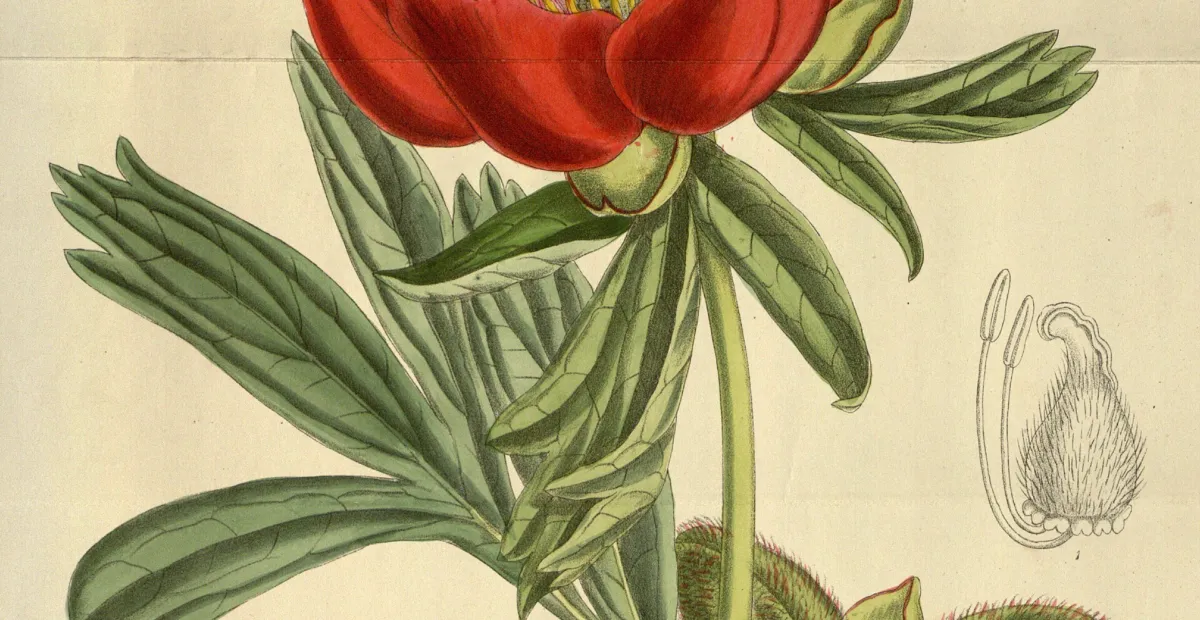
Balkan Peony is a distinctive herbaceous peony from southeastern Europe and Türkiye, valued for its dark red, cup-shaped flowers and finely divided, toothed foliage. It forms a long-lived clump in full sun or light partial shade and prefers deep, fertile soil that drains well yet stays moderately moist. Plant the crown shallowly, give it room and avoid unnecessary disturbance once established. A deciduous, herbaceous perennial peony with erect stems, deeply divided toothed leaves and solitary dark red flowers.
Taxonomic classification
Balkan Peony (Paeonia peregrina) care guide
Light and placement
Choose an open bed with at least 6 hours of direct sun, ideally morning-to-afternoon light with good air movement. A south- or east-facing site is suitable; light afternoon shade can help in hot regions. Sparse stems and few flowers usually indicate insufficient light, while scorched foliage or rapidly wilting leaves suggest excessive heat combined with drought rather than a need for deep shade.
Watering and humidity
Water deeply when the upper 1–2 inches of soil begin to dry, directing water to the root zone rather than wetting the foliage. Keep newly planted divisions evenly moist during their first growing season. Reduce watering after the foliage dies back, but do not allow container-grown roots to remain saturated. Average garden humidity is adequate; airflow matters more than misting.
Soil and growing medium
Prepare a deep planting area with friable soil and reliable drainage. Incorporate mature compost into poor soil, but avoid creating a water-holding pocket in heavy clay. The species tolerates a broad pH range, including calcareous soils, but roots perform best where soil is fertile, moisture-retentive and never stagnant. Raised beds are useful on poorly drained sites.
Feeding
Apply compost or a modest, balanced slow-release fertilizer in early spring as shoots emerge. A second light feeding after flowering is optional in poor soil. Avoid high-nitrogen applications, fresh manure and heavy late-season feeding, which can encourage weak foliage, reduce flowering quality or delay dormancy.
Growth and habit
This long-lived plant emerges from dormant, tuberous or fusiform roots in spring, flowers in late spring and dies back to the ground in autumn. It dislikes repeated disturbance and may take several seasons to settle after division or planting. Support is usually unnecessary for the species, though shelter from strong wind helps preserve the flower display.
Planting and repotting
Plant dormant bare roots in early fall whenever possible, placing the buds upward and only 1–2 inches below the finished soil surface. Dig deeply enough to loosen the root zone, backfill firmly and water thoroughly. Mulch lightly without covering the crown. Allow at least 2 feet of space, more in rich soil, and avoid sites that stay wet in winter.
Container culture is possible in a large, deep pot with excellent drainage, but permanent in-ground planting is preferable. Transplant or repot only while dormant, keep the crown at the same shallow depth and avoid frequent disturbance. Protect containers from repeated freeze-thaw exposure and do not let the root ball stay waterlogged.
Propagation and pruning
Propagation
Divide dormant roots in early fall or very early spring, ensuring each division has healthy roots and at least one or two visible buds. Seed propagation is possible but slow; fresh seed may require extended warm and cold periods and seedlings can take several years to flower.
Pruning
Remove spent flowers after blooming if seed production is not desired. Wait until the foliage has yellowed or died back in autumn, then cut stems to ground level and remove debris. Do not cut healthy foliage early, because it replenishes the roots for the following season.
Overwintering
Leave the plant dormant outdoors in the ground. After foliage dies back, remove spent stems and apply only a light, loose mulch in areas with severe freeze-thaw cycles. Do not bury the crown deeply or maintain heavy insulating mulch, because excessive covering can contribute to poor flowering.
Uses
Use Balkan Peony in sunny perennial borders, cottage-style plantings, woodland edges with bright filtered light, species collections and informal cut-flower gardens. Its bold flowers and finely divided foliage provide ornamental value, but the plant should not be treated as an edible or medicinal crop. Flowers are best cut sparingly after the plant has established.
Appearance
The erect, glabrous stems carry lustrous dark green lower leaves divided into many narrow segments. The leaflets are characteristically toothed or lobed, a useful identification feature separating this species from some related peonies. Solitary terminal flowers are typically deep red, bowl-shaped and set above the finely cut foliage.
Flowering
Flowers are borne singly at the stem tips in late spring to early summer. The typical wild form has a single corolla of deep red petals surrounding yellow or reddish stamens. Individual flowers are relatively short-lived, but an established clump can provide a strong seasonal display. Remove faded flowers if seed production is not wanted.
Pollination and visitors
The open, pollen-bearing flowers are visited by bees and other insects. Peonies also produce extrafloral nectar on developing buds, which can attract beneficial insects; this bud nectar is not the same as nectar inside the open flower and should not be used to claim a specific pollinator species for this exact plant.
Paeonia peregrina photos
Click any photo for a larger view. Source, author and license are shown separately.
Diseases and pests
Diseases
Good drainage, full sun, airflow and removal of dead foliage help reduce peony leaf blotch, peony wilt, Verticillium wilt and root problems. Remove and destroy diseased stems and leaves; avoid overhead irrigation and sanitize cutting tools between plants. Persistent wilt or poor growth warrants checking drainage and roots before using fungicides.
Pests
Potential problems include leaf and bud eelworms and soil-dwelling moth larvae. Inspect distorted foliage, weak shoots and damaged buds, remove affected material and maintain garden hygiene. Avoid moving soil or roots from infested beds, and use a proportionate integrated approach rather than routine broad-spectrum insecticide.
Related diseases and pests
Only Plant Doctor profiles whose host data indicate this plant may be affected are shown here.
 DiseaseWhite Root Rot (Rosellinia Root Rot)Rosellinia necatrix Berl. ex Prill. (synonym: Dematophora necatrix)
 DiseaseSouthern blightAthelia rolfsii
 PestStrawberry foliar nematodeAphelenchoides fragariae
 DiseaseCrown gallAgrobacterium tumefaciens (現在 commonly classified as Rhizobium radiobacter)
 DiseaseOnion downy mildewPeronospora destructor
 DiseasePurple BlotchAlternaria porri (Ellis) Ciferri
 DiseaseBacterial Fruit BlotchAcidovorax citrulli
Toxicity and pollen
Peonies contain paeonol and are recognized as potentially toxic to dogs and cats. Ingestion, especially of larger amounts, may cause vomiting, diarrhea or depression; the available veterinary guidance is for peonies generally rather than a species-specific dose for Paeonia peregrina. Prevent chewing, keep plant debris away from pets and contact a veterinarian if ingestion occurs.
- Typical season
- May–June in much of the United States
- Pollination / pollen
- Heavy, insect-carried pollen released within open flowers
Balkan Peony is insect-pollinated, and its relatively heavy pollen is primarily presented within the flower rather than carried widely by wind. That suggests low airborne exposure for most people, but it does not prove zero allergy risk. Sensitive gardeners should avoid handling flowers during peak pollen release and wash hands after contact.
Native habitat
In its native range, the species occurs in temperate southeastern Europe and Türkiye, often in deciduous broad-leaved or mixed forests, pine forests and grassy openings. It is associated with well-drained, often calcareous soils and occurs from low elevations to roughly 5,000 feet. Bright woodland margins and open sunny sites reflect its ecological range.
Interesting fact
Its deeply toothed leaf segments are among the most useful field characters for distinguishing it from related peonies. The wild species commonly has dark red, single flowers rather than the densely doubled flowers of many garden cultivars. The species has a long history in European horticulture and has contributed to cultivated peony breeding.
Frequently asked questions (FAQ)
The most relevant questions about this plant, with short and direct answers.
🌱Quick care
What is Paeonia peregrina?⌄
Paeonia peregrina, commonly called Balkan Peony, is a cold-hardy herbaceous perennial in the peony family, Paeoniaceae. It produces single, glossy deep-red, bowl-shaped flowers and dark green divided foliage.
How much sun does Balkan Peony need?⌄
Balkan Peony grows best in full sun, but it also tolerates partial shade. More sun generally supports stronger stems and better flowering, especially in cooler U.S. climates.
How often should I water Paeonia peregrina?⌄
Water Paeonia peregrina to maintain moderate, even moisture, particularly during its first growing season and while flower buds are developing. Avoid persistently soggy soil, which can damage the roots.
Is Paeonia peregrina perennial?⌄
Yes, Paeonia peregrina is a long-lived, cold-hardy herbaceous perennial. Its foliage dies back after the growing season, while the underground crown survives winter and regrows in spring.
🌤️Environment and placement
Where should I plant Balkan Peony?⌄
Plant Balkan Peony in a sheltered, sunny to partly shaded spot with deep, fertile, humus-rich soil. Choose a location where it can remain undisturbed for many years because established peonies dislike frequent transplanting.
What type of soil does Paeonia peregrina need?⌄
Paeonia peregrina prefers deep, fertile, humus-rich soil that holds moisture but drains well. Loam, clay, or sand can work if organic matter, structure, and drainage are suitable.
Can Balkan Peony grow in clay soil?⌄
Yes, Balkan Peony can grow in clay soil if it is improved with organic matter and does not remain waterlogged. Avoid planting in compacted clay where drainage is consistently poor.
Can Paeonia peregrina grow in partial shade?⌄
Yes, Paeonia peregrina tolerates partial shade, but it usually flowers best with several hours of direct sun. In warm regions, light afternoon shade can help protect the foliage and flowers.
Is Balkan Peony suitable for USDA Zones 3 through 8?⌄
Balkan Peony is generally suited to cold-winter perennial gardens and is commonly treated as hardy through USDA Zones 3–8. Performance can vary with the local summer heat, winter protection, and the plant’s source.
💧Care and problems
How do I care for Paeonia peregrina after planting?⌄
Keep the soil evenly moist, maintain a weed-free area, and apply a light layer of mulch without covering the crown. Avoid repeated disturbance, excessive nitrogen, and overwatering.
Why is my Balkan Peony not blooming?⌄
The most common causes are insufficient sunlight, planting the crown too deeply, excessive nitrogen, transplant shock, or an immature plant. Newly planted peonies may need several seasons to settle before flowering well.
Why are the leaves of Paeonia peregrina turning brown or spotted?⌄
Brown or spotted leaves may result from peony leaf blotch, wilt, other diseases, drought stress, or poor air circulation. Remove affected foliage after it dies back, improve site conditions, and avoid overhead watering.
Does Balkan Peony need staking?⌄
Balkan Peony often has relatively stiff, upright stems and may need less support than many double-flowered peonies. Staking can still help if the plant is exposed to wind or becomes top-heavy when flowering.
Should I mulch Paeonia peregrina?⌄
Yes, a thin layer of organic mulch can help conserve moisture and moderate soil temperature. Keep mulch several inches away from the crown because covering the growing points can reduce flowering or encourage rot.
🪴Planting and repotting
When is the best time to plant Balkan Peony?⌄
Early fall is usually the best time to plant bare-root or divided Balkan Peony in the United States, while container-grown plants can also be planted in spring. Planting is easiest when the plant is dormant or just beginning growth.
How deep should I plant Paeonia peregrina?⌄
Plant the crown so the dormant buds, or eyes, are only about 1 to 2 inches below the soil surface. Planting deeper than this is a frequent cause of poor flowering.
Can Paeonia peregrina be grown in a container?⌄
Paeonia peregrina can be grown temporarily in a large, deep container with excellent drainage, but it is generally better in the ground. Choose a container that allows substantial root development and protect the roots from severe temperature swings.
How far apart should I plant Balkan Peony?⌄
Space Balkan Peony plants about 2 to 3 feet apart, allowing room for mature foliage and air circulation. Exact spacing can vary with the plant’s mature size and the intended border design.
✂️Propagation and pruning
How do you propagate Paeonia peregrina?⌄
The most practical method is division in early fall or early spring, although division can produce only a small number of new plants. Species plants can also be grown from seed, but germination and early growth are slow.
Can Balkan Peony be grown from seed?⌄
Yes, Balkan Peony can be grown from seed, but the seeds usually require a prolonged warm-and-cold dormancy treatment and may germinate in the second spring after sowing. Seedlings also take several years to reach flowering size.
When should I divide Paeonia peregrina?⌄
Divide Paeonia peregrina in early fall after the foliage has died back or in very early spring before active growth. Replant divisions promptly, with healthy buds and enough root attached to each section.
Should I cut back Balkan Peony after flowering?⌄
Remove faded flowers if you want to prevent seed formation and keep the plant tidy, but leave healthy foliage in place until it naturally declines. Cut the stems to the ground after the foliage has died back in fall.
⚠️Toxicity and safety
Is Paeonia peregrina toxic to dogs and cats?⌄
Yes, Paeonia peregrina should be treated as toxic if eaten by dogs or cats. Keep pets from chewing the plant and contact a veterinarian or animal poison-control service if ingestion occurs, especially if vomiting or diarrhea develops.
Can children touch Balkan Peony?⌄
Routine contact with Balkan Peony is generally not the main concern, but the plant should not be eaten. Wash hands after handling plant material and supervise young children around garden plants.
Is Balkan Peony safe to use as an edible flower?⌄
No, Balkan Peony should not be used as an edible flower. Its plant material can be harmful when ingested, so do not add the flowers, leaves, roots, or seeds to food or drinks.
🌸Flowering and special interest
When does Paeonia peregrina bloom?⌄
Paeonia peregrina usually blooms in late spring to early summer, depending on the climate and growing conditions. Its flowers are typically single, deep red, glossy, and bowl-shaped with prominent yellow stamens.
How large are Balkan Peony flowers?⌄
Balkan Peony flowers are typically about 5 inches across. Their open, bowl-shaped form displays the yellow stamens more clearly than many double-flowered peonies.
Does Paeonia peregrina make a good cut flower?⌄
Yes, Paeonia peregrina can be grown for cut flowers, although its flowering season is relatively short. Cut stems when the buds are showing color and are soft enough to open indoors.
How tall does Balkan Peony get?⌄
Balkan Peony typically reaches about 20 to 40 inches tall and can spread to a similar width. Size varies with soil fertility, sunlight, climate, and the age of the plant.
Similar plants
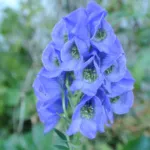 Azure Monkshood (Aconitum carmichaelii) care guideAconitum carmichaelii
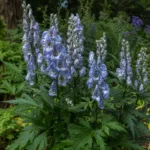 Monkshood (Aconitum ‘Stainless Steel’)Aconitum 'Stainless Steel'
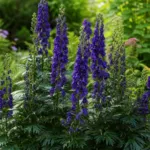 Monkshood (Aconitum ‘Bressingham Spire’)Aconitum 'Bressingham Spire'
 Golden full moon maple (Acer shirasawanum ‘Aureum’)Acer shirasawanum 'Aureum'
 Globosum (Acer platanoides ‘Globosum’)Acer platanoides 'Globosum'
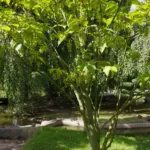 Striped maple (Acer pensylvanicum) care guideAcer pensylvanicum