
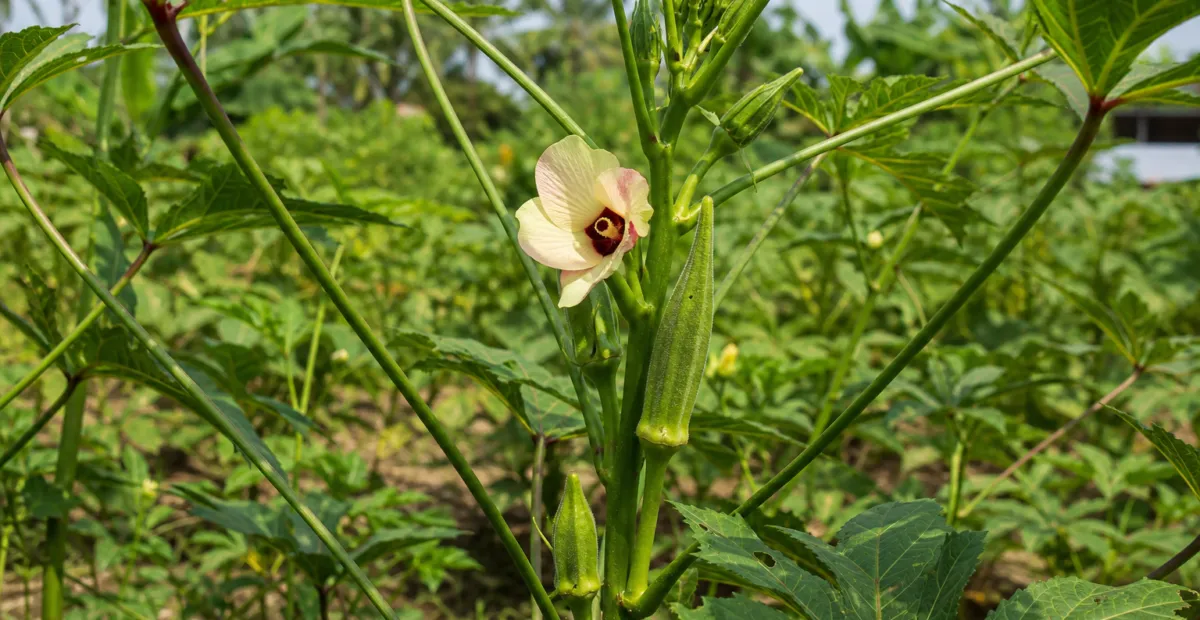
 AI-generated illustration
West African Okra (Abelmoschus caillei) short overview
West African Okra is a warm-climate, edible Abelmoschus cultivated mainly for its tender young pods and, in some regions, young leaves. It forms a stout, upright, semi-woody plant with lobed leaves, showy axillary flowers and elongated ridged capsules that become fibrous as they mature. In the United States it is best grown as a heat-loving annual, started indoors or planted outdoors only after consistently warm weather arrives.
Taxonomic classification
West African Okra (Abelmoschus caillei) care guide
Light and placement
Give West African Okra a full-sun position with at least 8 hours of direct light, ideally beside a south- or west-facing wall or in an unobstructed vegetable bed. Strong light supports sturdy stems, flowering and pod production. Pale foliage, long weak growth and poor flowering suggest insufficient light; scorched leaf edges or severe midday wilting indicate heat or water stress rather than a need for shade.
Watering and humidity
Water deeply when the top inch of soil begins to dry, aiming for a steady, evenly moist root zone rather than repeated shallow sprinkling. Mulch helps moderate soil temperature and reduces evaporation. Increase frequency during prolonged heat, flowering and pod development, but avoid waterlogged soil. Container plants may need daily checks in hot summer weather.
Soil and growing medium
Use fertile loam or improved garden soil with good drainage and substantial organic matter. The plant can tolerate heavier soil if it does not remain saturated, but compacted ground restricts roots and encourages disease. A slightly acidic to neutral reaction is a practical target; incorporate compost before planting and avoid sites where irrigation water leaves persistent standing moisture.
Feeding
Mix finished compost into the planting area before transplanting. Once plants are established, use a balanced vegetable fertilizer at label strength or side-dress lightly when vigorous growth begins. A second modest feeding can support a long harvest in poor soil. Do not overapply high-nitrogen fertilizer, which can produce excessive foliage and delay flowering; do not feed drought-stressed or waterlogged plants.
Growth and habit
This is a vigorous, upright okra relative with a relatively long crop cycle compared with common okra. The lower stem may become woody, while branching and pod production increase in sustained heat. Harvesting pods frequently encourages continued flowering and keeps the plant productive. In short-season areas, early indoor sowing and black plastic or another warming mulch can improve performance.
Planting and repotting
Sow seeds in individual cells because okra dislikes severe root disturbance, or direct-sow once the soil is thoroughly warm. Plant about 1/2 inch deep and thin or transplant to 18–24 inches apart. Harden indoor-grown plants before setting them out. Choose the warmest site available and delay planting until cold nights and cool soil have passed.
Container-grown plants should be moved into a deep container when seedlings have established several true leaves, using a fertile, well-drained vegetable mix. Choose a final container at least 5 gallons for one plant and provide strong light. Repot only when necessary; repeated disturbance can slow growth during the short outdoor season.
Propagation and pruning
Propagation
Propagate from seed. Sow fresh or properly stored seed about 1/2 inch deep in warm mix, using individual cells or direct sowing after the soil warms. Germination and early growth are strongest with bottom heat or warm indoor conditions. Transplant carefully after hardening, because rough root disturbance can delay establishment.
Pruning
Pruning is usually unnecessary. Remove damaged or diseased leaves promptly and keep harvesting immature pods to maintain production. At the end of the season, cut back or remove spent plants rather than attempting to maintain them outdoors through frost. Wear gloves if the foliage or pods irritate your skin.
Overwintering
This plant is frost-tender. In most of the United States, grow it as an annual and remove it after frost. In USDA Zones 10–12, a protected plant may persist, but cold damage is possible below 50°F. Container specimens can be brought indoors before nights cool, though maintaining strong light, warmth and adequate space is difficult.
Uses
The tender immature pods are used as a cooked vegetable and for their thickening mucilage in soups and stews. Young leaves may also be eaten as a leafy vegetable in regions where the crop is traditional. Harvest pods while still tender; mature pods quickly become fibrous. Wash hands after handling if the rough foliage or fruit causes irritation, and use only correctly identified, properly prepared plant material.
Appearance
The plant has stout green to reddish stems, long petioles and green leaves that are distinctly lobed. Hibiscus-like flowers arise singly in the leaf axils. Immature fruits are elongated, ridged capsules with a mucilaginous interior; they become coarse and fibrous if left to mature. Variation in pod shape, stem pigmentation and flower tone can occur among locally maintained populations.
Flowering
Flowers are produced singly in the leaf axils and have the familiar five-petaled mallow form. They open during the warm growing season and are followed by elongated seed capsules. Flowering is most reliable when plants receive strong sunlight, warm nights, adequate moisture and a long frost-free period.
Pollination and visitors
The large, exposed flowers are compatible with insect visitation, but a specific primary pollinator for Abelmoschus caillei was not sufficiently documented in the sources reviewed. The plant is also capable of self-pollination, so fruit set should not be treated as evidence of a particular visitor species.
Diseases and pests
Diseases
Reduce disease pressure with full sun, good airflow, clean seed, crop rotation and watering at the soil surface. Watch for damping-off in crowded seedlings, leaf spots, powdery mildew and vascular or root problems in poorly drained soil. Remove badly affected tissue, avoid overhead irrigation and discard severely diseased plants rather than composting them.
Pests
Inspect undersides of leaves and young shoots for aphids, whiteflies, mites, flea beetles and caterpillars. Use row cover over young plants, hand-pick larger pests and wash foliage with a strong water spray when practical. Encourage beneficial insects and use a crop-labeled treatment only when monitoring shows it is needed; follow all US label directions.
Related diseases and pests
Only Plant Doctor profiles whose host data indicate this plant may be affected are shown here.
 PestMelon thripsThrips palmi Karny
 PestCotton mealybugPhenacoccus solenopsis Tinsley
 PestJavanese Root-Knot NematodeMeloidogyne javanica
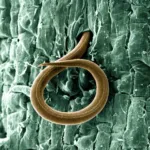 PestSouthern root-knot nematodeMeloidogyne incognita
 DiseaseMaple powdery mildewSawadaea bicornis
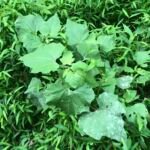 DiseaseCucurbit Powdery MildewPodosphaera xanthii (Castagne) U. Braun & Shishkoff
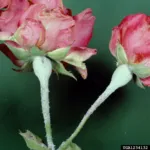 DiseaseRose powdery mildewPodosphaera pannosa
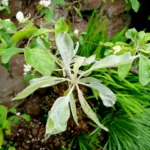 DiseaseApple Powdery MildewPodosphaera leucotricha
Toxicity and pollen
Authoritative, species-specific human and companion-animal toxicity information was not located in the sources reviewed. The crop is traditionally eaten as a vegetable, but that history does not establish safety for every plant part or preparation. Handle rough stems, leaves and pods carefully because physical irritation is possible, and seek medical or veterinary advice after an unusual ingestion or persistent reaction.
- Typical season
- Summer to early fall outdoors in the United States
- Pollination / pollen
- Dry pollen presented around the central staminal column
The plant produces pollen from its flowers, but species-specific airborne pollen measurements and clinical allergy data for Abelmoschus caillei were not found. Its conspicuous flowers suggest insect-associated pollen presentation, yet insect pollination does not prove zero allergy risk. People with pollen sensitivity should avoid rubbing the eyes after handling flowers and monitor their own response.
Native habitat
West African Okra is associated with humid tropical and subtropical farming systems, especially lowland regions of West and Central Africa. It performs best in long, hot seasons with regular moisture and fertile soils. Its crop ecology is better documented than a distinct natural wild-habitat range, because the taxon is widely maintained and cultivated.
Interesting fact
It is commonly treated as a distinct West African okra taxon, although taxonomic databases differ in whether it is accepted as a species or hybrid. It has a longer growth cycle than many common okra types. The immature pods are valued for mucilage, while mature pods are retained for seed. It has been used in breeding work involving disease tolerance.
Frequently asked questions (FAQ)
The most relevant questions about this plant, with short and direct answers.
🌱Quick care
What is West African Okra (Abelmoschus caillei)?⌄
West African Okra is a tropical, edible okra species in the mallow family, Malvaceae. It is grown mainly for its young pods and sometimes its tender leaves, and it generally has a longer productive season than common okra in warm climates.
Is West African Okra perennial or annual?⌄
West African Okra can behave as a short-lived perennial in frost-free tropical climates, but it is usually grown as an annual in the United States. Frost or prolonged cold typically ends the plant’s outdoor growing season.
How much sun does West African Okra need?⌄
West African Okra needs full sun, ideally at least 6–8 hours of direct sunlight daily. Strong light and warm soil support faster growth, flowering, and pod production.
How often should I water West African Okra?⌄
Water West African Okra whenever the soil surface begins to dry so the root zone stays evenly moist. Avoid both prolonged drought and waterlogged soil, especially while seeds are germinating and pods are developing.
What soil is best for West African Okra?⌄
Plant West African Okra in fertile, well-drained loam enriched with organic matter. The soil should retain moisture without staying soggy, because poor drainage can weaken roots and encourage disease.
🌤️Environment and placement
Can West African Okra grow in the United States?⌄
West African Okra can grow in the United States where summers are long, hot, and frost-free. In cooler regions, start seeds indoors and transplant only after the soil and nighttime temperatures are reliably warm.
Is West African Okra frost tolerant?⌄
West African Okra is frost-tender and should be protected from freezing temperatures. Grow it outdoors only during the warm season, or move container plants indoors before the first expected frost.
Can West African Okra grow in a container?⌄
West African Okra can grow in a large container if it receives full sun and has fertile, well-drained potting mix. Use a deep container with drainage holes and allow enough space for a potentially tall, vigorous plant.
How much space does West African Okra need?⌄
Give West African Okra about 18–24 inches between plants when growing individual plants for home use. Wider spacing may be helpful for vigorous types, airflow, harvesting access, and long-season growth.
Does West African Okra tolerate heat?⌄
West African Okra is adapted to hot conditions and generally performs best during warm weather. Extremely hot, dry soil can still reduce germination and stress young plants, so mulch and consistent watering are useful.
💧Care and problems
Why is my West African Okra not growing well?⌄
Poor growth is commonly caused by cool temperatures, insufficient sunlight, compacted soil, drought, or poor drainage. Move the plant to a warmer, sunnier location and keep fertile soil evenly moist without overwatering.
What pests attack West African Okra?⌄
West African Okra may be attacked by aphids, flea beetles, caterpillars, and fruit or pod borers. Inspect new growth and developing pods regularly, remove pests by hand when practical, and use a locally approved treatment only when necessary.
What diseases affect West African Okra?⌄
West African Okra can develop fungal or vascular problems, including Fusarium wilt, particularly during a long growing season or in poorly drained soil. Improve drainage, avoid repeatedly planting okra-family crops in the same spot, and remove severely diseased plants.
Should I fertilize West African Okra?⌄
Yes, fertilize West African Okra by incorporating compost or a balanced vegetable fertilizer into fertile soil before planting. Avoid excessive nitrogen, which can produce abundant leaves while delaying or reducing flowering and pod production.
Should West African Okra be pruned?⌄
Routine pruning is usually unnecessary for West African Okra. Remove damaged leaves and overmature pods, and consider cutting back an established plant only in a frost-free climate where regrowth is practical.
🪴Planting and repotting
When should I plant West African Okra?⌄
Plant West African Okra outdoors after the last spring frost, once the soil is consistently warm and nighttime temperatures are no longer cool. In much of the United States, this means waiting until late spring, with timing varying by region.
How deep should West African Okra seeds be planted?⌄
Sow West African Okra seeds about 1 inch deep in moist soil. Warm conditions are important because cool soil can slow emergence and reduce germination.
Can West African Okra be started indoors?⌄
West African Okra can be started indoors several weeks before outdoor planting to extend the season in cooler parts of the United States. Transplant carefully because okra develops a taproot and dislikes prolonged root disturbance.
How long does West African Okra take to germinate?⌄
West African Okra commonly emerges within about one week under warm, moist conditions. Germination may take longer when the soil is cool, excessively wet, or allowed to dry out.
✂️Propagation and pruning
How do you propagate West African Okra?⌄
Propagate West African Okra primarily from seed. Allow selected pods to mature and dry on the plant, then collect and store the seeds in a cool, dry place for the next growing season.
Should West African Okra seeds be soaked or scarified?⌄
Lightly scarifying the seed coat or soaking seeds before sowing may help overcome slow water uptake, although warm soil and consistent moisture are the most important requirements. Do not leave seeds submerged long enough to encourage rotting.
Can West African Okra be grown from cuttings?⌄
Stem cuttings may root under warm, highly humid conditions, but seed propagation is more reliable for West African Okra. Cuttings are therefore uncommon for ordinary home-garden production.
⚠️Toxicity and safety
Are West African Okra pods edible?⌄
Yes, young West African Okra pods are traditionally eaten cooked as a vegetable, and tender leaves may also be used as a leafy vegetable in some regions. Use only correctly identified plants and harvest pods while they are still young and tender.
Is West African Okra toxic to people or pets?⌄
Reliable toxicity evidence for West African Okra is insufficient, so it should not be treated as proven safe for pets or medicinal use. Wash edible plant parts, avoid unverified medicinal preparations, and stop use if irritation or an allergic reaction occurs.
Can West African Okra irritate the skin?⌄
Handling West African Okra may cause skin irritation in sensitive people because the plant and pods can be hairy or rough. Wear gloves when harvesting if you notice itching, redness, or discomfort.
🌸Flowering and special interest
When does West African Okra flower?⌄
Flowering time varies widely with cultivar, season, day length, and growing conditions, ranging from roughly 50 days to several months after sowing. Plants started during a cool or changing season may remain vegetative much longer than expected.
What do West African Okra flowers look like?⌄
West African Okra produces large, hibiscus-like flowers that may be yellow to pink with a dark purple center. Individual flowers open in the morning and are followed by pods if pollination succeeds.
Why is my West African Okra flowering but not making pods?⌄
Poor pod set can result from inadequate pollination, stress from drought or cool weather, or flowers being damaged before fertilization. Because flowers open briefly in the morning, avoid disturbing them and keep the plant consistently watered.
How long after flowering should West African Okra pods be harvested?⌄
Harvest young West African Okra pods about one week after flowering, or sooner if they become fibrous quickly. Pick regularly because removing immature pods encourages continued flowering and prolongs production.
Similar plants
 Azure Monkshood (Aconitum carmichaelii) care guideAconitum carmichaelii
 Monkshood (Aconitum ‘Stainless Steel’)Aconitum 'Stainless Steel'
 Monkshood (Aconitum ‘Bressingham Spire’)Aconitum 'Bressingham Spire'
 Golden full moon maple (Acer shirasawanum ‘Aureum’)Acer shirasawanum 'Aureum'
 Globosum (Acer platanoides ‘Globosum’)Acer platanoides 'Globosum'
 Striped maple (Acer pensylvanicum) care guideAcer pensylvanicum