
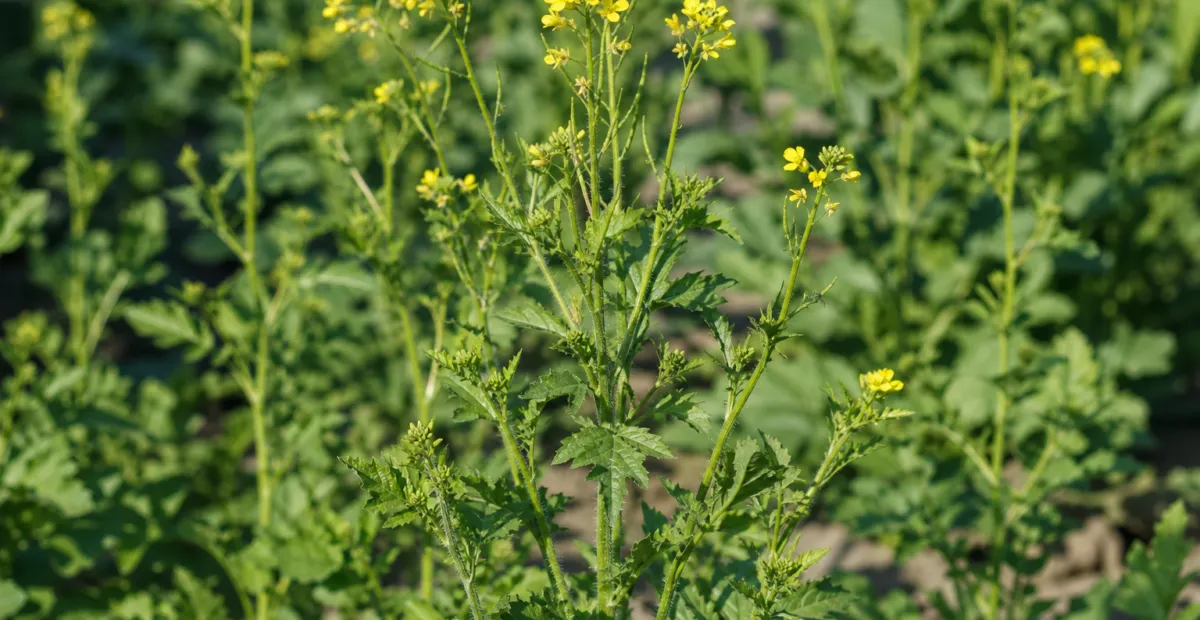
 AI-generated illustration
White Mustard (Sinapis alba) short overview
White mustard, Sinapis alba, is a quick-growing annual in the cabbage family. Its coarse, hairy leaves can be harvested young as mustard greens, while mature plants produce bright yellow four-petaled flowers followed by seed pods used for yellow mustard. It performs best in full sun, fertile well-drained soil, and cool to moderate weather. It is also useful as a short-season cover crop and attracts bees and other beneficial insects when flowering.
Taxonomic classification
White Mustard (Sinapis alba) care guide
Light and placement
Grow in full sun, ideally with at least 6 hours of direct light and good air movement. A south- or west-facing bed encourages compact growth, rapid leaf production, and flowering. Too little light causes weak, stretched stems and smaller leaves; intense heat combined with drought can hasten bolting and reduce seed set.
Watering and humidity
Keep the root zone evenly moist during germination and rapid leaf growth, watering deeply when the upper inch of soil begins to dry. Reduce frequency in cool, wet weather but do not allow repeated drought. Morning irrigation and ground-level watering help reduce foliar disease. High humidity is not required.
Soil and growing medium
Use fertile loam, sandy loam, or amended clay that drains freely but does not dry excessively. White mustard tolerates a broad pH range, approximately 5.5–7.5 in crop guidance, and can grow in somewhat more acidic or alkaline soils. Avoid persistently waterlogged ground, which encourages root and foliar disease.
Feeding
In fertile garden soil, incorporate compost before sowing. For repeated leaf harvests or poor soil, use a balanced vegetable fertilizer at label strength after seedlings establish, then avoid heavy nitrogen once plants begin flowering. Do not feed drought-stressed plants or apply excess nitrogen, which can produce soft, pest-prone growth.
Growth and habit
This rapid annual forms a leafy basal rosette, then sends up branching flowering stems. It bolts quickly as temperatures rise and day length increases. Harvest young leaves before bolting, and cut flowering plants before seed pods mature if self-seeding or volunteer mustard is undesirable.
Planting and repotting
Sow directly in early spring as soon as soil can be worked, or in late summer to early fall for a cool-season crop or cover crop. Scatter or drill seed shallowly, then cover lightly and keep the seedbed evenly moist until emergence. Thin crowded seedlings for stronger plants and better airflow.
Usually grown directly in the ground rather than maintained as a long-term container plant. If grown in a pot, transplant young seedlings promptly before the taproot becomes crowded, using a deep container with drainage holes and a fertile, well-drained mix.
Propagation and pruning
Propagation
Propagate by seed. Direct sowing is preferred because the plant develops a taproot and grows rapidly. Sow in succession for continuous young greens, or time sowing so flowering and seed maturation occur before severe heat or frost.
Pruning
No structural pruning is required. Harvest outer leaves as needed, pinch or cut flowering stems for a longer greens harvest, and remove plants after flowering before dry pods release seed. For cover crops, terminate before seed maturity.
Overwintering
Usually treated as an annual. In mild regions, fall-sown plants may continue through winter, while USDA crop guidance reports winter-kill near 25°F. Use row cover for brief cold snaps, but do not expect dependable survival through hard freezes.
Uses
Young leaves are used as pungent mustard greens, and mature seeds are used to make yellow mustard and for seasoning. Plants are also grown as rapid cover crops, green manure, and temporary soil-improvement crops. Cut or terminate before mature seed dispersal where volunteer plants are unwanted. Culinary use does not remove the risk of mustard allergy.
Appearance
White mustard has coarse, hairy green leaves that are often deeply lobed, with lower leaves larger than upper leaves. Erect, hairy stems branch toward the top and carry loose clusters of small yellow flowers. Narrow, rough-textured seed pods follow flowering and contain the pungent seeds.
Flowering
Small, bright yellow, four-petaled flowers are borne in loose terminal clusters on branching stems. Plants may flower roughly 3–6 weeks after sowing under favorable conditions, with the main season commonly running from spring into early summer. Flowering accelerates as temperatures and day length increase.
Pollination and visitors
The open, four-petaled flowers offer accessible rewards and are visited by honey bees, bumblebees, solitary bees, hoverflies, and other insects. Insect visitation supports pollination and subsequent seed production; visitor abundance depends on weather, floral display, and surrounding habitat.
Sinapis alba photos
Click any photo for a larger view. Source, author and license are shown separately.
Diseases and pests
Diseases
Prevent problems with crop rotation, clean seed, good airflow, and well-drained soil. Watch for damping-off in wet seedbeds, downy mildew, white rust, and clubroot in contaminated acidic soils. Remove badly affected plants and avoid growing brassicas repeatedly in the same bed.
Pests
Flea beetles, aphids, cabbage worms, imported cabbageworm, and slugs may attack seedlings or foliage. Use insect netting over young plants, remove weeds that shelter pests, handpick larger larvae, and maintain crop rotation. Avoid broad-spectrum insecticides during bloom because flowers attract beneficial insects.
Related diseases and pests
Only Plant Doctor profiles whose host data indicate this plant may be affected are shown here.
 PestCabbage Stem Flea BeetlePsylliodes chrysocephala
 DiseaseWhite Rust of CrucifersAlbugo candida (Pers.) Kunze
 PestDiamondback MothPlutella xylostella
 DiseaseBlackleg (Phoma stem canker)Plenodomus biglobosus (synonym: Leptosphaeria biglobosa)
 PestLarge White ButterflyPieris brassicae
 PestSwede midgeContarinia nasturtii (Kieffer)
 DiseaseClubrootPlasmodiophora brassicae Woronin
 DiseaseChrysanthemum white rustPuccinia horiana Hennings
Toxicity and pollen
The leaves, flowers, and seeds are used as food, but concentrated mustard seed or prepared mustard can irritate the mouth, skin, eyes, and digestive tract and may trigger mustard or cross-reactive food allergy in sensitive people. Avoid applying seed preparations to skin or ingesting unusually large amounts. Evidence for severe poisoning from ordinary culinary use is not established.
- Typical season
- Spring to early summer in much of the United States
- Pollination / pollen
- Insect-borne mustard pollen
Mustard pollen is recognized in broader weed-and-garden-plant allergy references, but reliable species-specific U.S. exposure severity is not well quantified. Flowering plants release pollen primarily within the floral display and are insect-pollinated, yet sensitive individuals should avoid handling flowers during peak bloom if symptoms occur.
Native habitat
The species is associated with open, disturbed, cultivated, and seasonally cool habitats. It performs well in moderate climates with adequate moisture and can tolerate loam, sand, clay, and a relatively broad soil-pH range when drainage is adequate.
Interesting fact
White mustard seeds contain the glucosinolate sinalbin, contributing to the characteristic mustard flavor. The species is among the fastest-growing mustard green-manure crops. Its flowers can provide food for honey bees, bumblebees, hoverflies, and other insects. Mature seed pods should be harvested before they split and scatter seed.
Frequently asked questions (FAQ)
The most relevant questions about this plant, with short and direct answers.
🌱Quick care
What is White Mustard (Sinapis alba)?⌄
White Mustard is a fast-growing annual herb in the Brassicaceae family, cultivated for its edible seeds, young greens, cover-crop value, and yellow flowers. It typically grows about 2–3 feet tall and completes its life cycle in one growing season.
Is White Mustard easy to grow?⌄
Yes, White Mustard is generally easy to grow from seed in full sun and fertile, well-drained soil. It germinates quickly and grows best with consistent moisture without waterlogged conditions.
🌤️Environment and placement
How much sun does White Mustard need?⌄
White Mustard needs full sun, ideally at least 6 hours of direct sunlight daily. Too much shade can produce weaker, leggier growth and reduce flowering and seed production.
What soil is best for Sinapis alba?⌄
Sinapis alba grows best in fertile, well-drained loam or sandy soil, but it can also tolerate amended clay. Avoid persistently soggy soil, which can encourage root and crown problems.
What soil pH does White Mustard prefer?⌄
White Mustard tolerates a broad soil-pH range, from slightly acidic to alkaline, provided the soil is fertile and drains well. A soil test is useful when growing it as a seed or cover crop.
Can White Mustard grow in containers?⌄
Yes, White Mustard can grow in a container if it has fertile potting mix, drainage holes, and enough depth for its taproot. Choose a container at least 12 inches deep and expect the plant to become top-heavy as it matures.
Is White Mustard frost hardy?⌄
White Mustard is a frost-tender annual, so hard freezes can kill it. Light frost may slow growth or damage foliage, although seedlings can sometimes tolerate brief cool conditions better than mature plants.
💧Care and problems
How often should I water White Mustard?⌄
Water White Mustard moderately, keeping the soil evenly moist but not saturated. Water when the surface begins to dry, with extra attention during hot, dry weather and flowering or seed development.
Does White Mustard need fertilizer?⌄
White Mustard benefits from fertile soil and usually needs little additional fertilizer in a well-amended bed. Excess nitrogen can encourage lush foliage and weaker stems rather than improving seed production.
Why is my White Mustard bolting?⌄
White Mustard naturally bolts as it matures, especially when days lengthen and temperatures rise. Heat, crowding, and drought can accelerate bolting, so harvest young greens promptly if you want tender leaves.
What pests commonly affect Sinapis alba?⌄
Flea beetles and caterpillars are common pests of Sinapis alba, and other brassica pests may also feed on its leaves. Row covers, hand-picking, and removing crop debris can help reduce damage.
Can White Mustard get clubroot?⌄
Yes, White Mustard can be affected by clubroot, a soilborne disease that causes swollen, distorted roots and poor growth. Use well-drained soil, avoid moving contaminated soil, and rotate brassica crops.
Does White Mustard need pruning?⌄
No, White Mustard does not require pruning. Remove damaged foliage or cut the plant down after harvest, and prevent unwanted reseeding by removing mature seed pods before they open.
🪴Planting and repotting
When should I plant White Mustard in the United States?⌄
Plant White Mustard in early spring for a cool-season crop or in late summer to early fall for a cover crop, depending on your local climate. Time sowing so seedlings establish in cool to moderate weather before extreme heat or a hard freeze.
How deep should I sow White Mustard seeds?⌄
Sow White Mustard seeds about 1/4 to 1/2 inch deep in prepared soil. Shallow sowing supports quick emergence, while deeper planting can delay or reduce germination.
How far apart should White Mustard plants be?⌄
For individual plants, thin White Mustard seedlings to about 6–12 inches apart, depending on whether you want greens or mature seed plants. Rows about 12 inches apart improve airflow and make harvesting easier.
How long does White Mustard take to germinate?⌄
White Mustard usually germinates quickly, often within several days under favorable moisture and temperature conditions. Cool soil, crusted soil, or inconsistent watering can delay emergence.
Can White Mustard be used as a cover crop or green manure?⌄
Yes, White Mustard is commonly used as a rapidly growing cover crop, green manure, or catch crop. Cut or terminate it before mature seed formation to limit volunteer plants and allow residues to decompose.
Should White Mustard be rotated with other brassicas?⌄
Yes, rotate White Mustard with non-brassica crops when possible, especially where clubroot or other brassica diseases are a concern. Avoid repeatedly planting it in the same bed used for cabbage, broccoli, kale, or related crops.
✂️Propagation and pruning
How do you propagate White Mustard?⌄
Propagate White Mustard by seed, because it is an annual and is not normally divided or rooted from cuttings. Sow fresh seed directly where the plants will grow or start it in containers for later transplanting.
Can I save seeds from Sinapis alba?⌄
Yes, you can save seeds from Sinapis alba by allowing pods to mature and dry on the plant, then collecting them before they split or shed. Store completely dry seeds in a cool, dark, airtight container.
Can White Mustard self-seed in the garden?⌄
Yes, White Mustard can produce volunteer seedlings if mature pods release seed. Although its pods are relatively non-shattering compared with some mustards, remove unwanted plants or pods before seed dispersal.
⚠️Toxicity and safety
Is White Mustard edible?⌄
Yes, White Mustard seeds and young leaves are edible and are used as a seasoning, condiment ingredient, or salad green. Flavor becomes hotter and more pungent as the plant matures, and raw mustard tissues may irritate sensitive people.
Can White Mustard cause allergies?⌄
Yes, White Mustard can trigger mustard allergy, particularly through its seeds and prepared mustard products. People with mustard sensitivity should avoid eating it and use caution when handling crushed or powdered seed.
Is White Mustard toxic to pets?⌄
White Mustard has low overall toxicity but can irritate the mouth, stomach, or digestive tract if pets consume significant amounts, especially seeds or concentrated products. Contact a veterinarian or animal poison service if a pet shows vomiting, drooling, pain, or weakness.
Can White Mustard be used as a home remedy?⌄
White Mustard contains pungent compounds that have been used traditionally, but concentrated seed preparations or mustard plasters can irritate or burn skin and mucous membranes. Do not use medicinal preparations without qualified medical guidance.
🌸Flowering and special interest
When does White Mustard flower?⌄
White Mustard usually flowers from late spring into summer when grown in spring, producing clusters of small, four-petaled yellow flowers. Flowering may occur earlier in warm conditions or when the plant experiences heat and long days.
What do White Mustard flowers look like?⌄
White Mustard flowers are bright yellow, four-petaled blooms arranged in elongated clusters at the ends of upright stems. They are typical cross-shaped flowers of the Brassicaceae family and attract bees and other insects.
Do White Mustard flowers attract pollinators?⌄
Yes, White Mustard flowers attract honey bees, bumblebees, solitary bees, flower flies, and other insects. Good insect pollination supports seed production, although the species is generally self-incompatible.
When should I harvest White Mustard seeds?⌄
Harvest White Mustard seeds when the pods have turned mature and the seeds are firm but before the pods begin releasing them. Cut the stems, finish drying the pods in a protected, airy place, and thresh the seeds when fully dry.
Similar plants
 Azure Monkshood (Aconitum carmichaelii) care guideAconitum carmichaelii
 Monkshood (Aconitum ‘Stainless Steel’)Aconitum 'Stainless Steel'
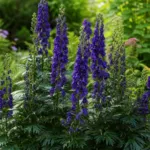 Monkshood (Aconitum ‘Bressingham Spire’)Aconitum 'Bressingham Spire'
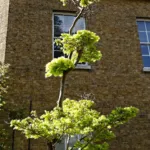 Golden full moon maple (Acer shirasawanum ‘Aureum’)Acer shirasawanum 'Aureum'
 Globosum (Acer platanoides ‘Globosum’)Acer platanoides 'Globosum'
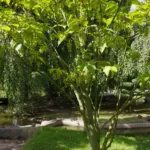 Striped maple (Acer pensylvanicum) care guideAcer pensylvanicum