 Source:
 Gynura aurantiaca short overview
Gynura aurantiaca is a tropical, herbaceous perennial grown mainly as a houseplant for its unusual green leaves covered in dense purple hairs. Its soft, velvety foliage develops the strongest color in bright, filtered light, while the weak, trailing stems suit hanging baskets and elevated containers. Small orange-yellow flower clusters may appear when light is sufficient, but their strong unpleasant odor means many growers remove the buds.
Taxonomic classification
Gynura aurantiaca care guide
Light and placement
Place near an east- or west-facing window behind a sheer curtain, or several feet from a bright south-facing window. Gentle morning or late-afternoon sun can improve the purple hairs, but strong midday exposure through glass may scorch leaves. Long, widely spaced stems and duller coloration usually indicate insufficient light; bleached patches, crisp margins or faded leaves suggest excess sun.
Watering and humidity
Water thoroughly when the upper 1 inch of mix feels dry, then allow excess water to drain completely. Keep the root ball evenly but not constantly saturated; soggy conditions encourage stem and root rot. Reduce frequency during short winter days or cooler indoor conditions, while checking more often in bright, warm summer placement. Moderate humidity is helpful, but good air movement matters more than very high humidity.
Soil and growing medium
Use a peat- or coir-based indoor potting mix amended with perlite, pine bark or another coarse material for rapid drainage. The root zone should retain some moisture without remaining wet around the stems. A slightly acidic to neutral mix is suitable. Avoid dense garden soil in containers because it compacts and can hold too much water around the shallow roots.
Feeding
Feed during spring and summer when new stems and leaves are actively developing. Apply a balanced liquid houseplant fertilizer at about half the label strength every 3 to 4 weeks, preferably to already-moist soil. Pause feeding in low-light winter conditions and after repotting until fresh growth resumes. Excess fertilizer can cause weak, overly lush growth and salt accumulation.
Growth and habit
The plant grows quickly in warmth and bright light, producing flexible stems that spread or trail over the pot edge. Without regular pinching, stems can become leggy and sparse. Pinching growing tips encourages branching and keeps the plant fuller. Because it is commonly maintained for foliage, removing developing flower buds can also redirect energy toward a tidier display.
Planting and repotting
Use a container with drainage holes and plant at the original root-ball depth. Water thoroughly after planting and keep the mix lightly moist while roots re-establish. For outdoor summer display, acclimate gradually to brighter light and bring the plant indoors before cool nights. Provide space for spreading stems rather than crowding it against other plants.
Repot in spring when roots fill the container or water runs rapidly through the mix. Move only one pot size larger to avoid excess wet soil. Refresh the upper layer or replace part of the mix if the plant is root-bound but otherwise healthy. Replant at the original depth and water thoroughly after repotting.
Propagation and pruning
Propagation
Stem cuttings are the practical propagation method. Take healthy tip cuttings during active growth, remove the lower leaves, and root them in water or a lightly moist, well-drained medium. Keep cuttings warm in bright filtered light and avoid saturating the rooting medium. Once roots are established, pot them into a loose indoor mix.
Pruning
Pinch stem tips regularly during active growth to encourage branching and reduce legginess. Remove damaged or yellowing leaves promptly. Flower buds can be pinched out before opening if the odor is objectionable or if a foliage-focused display is desired. Make cuts just above a leaf node with clean scissors.
Overwintering
Bring outdoor containers indoors before temperatures approach 55°F, and always before frost. Place in bright filtered light, reduce watering as growth slows, and keep the plant away from cold drafts and heating vents. Inspect carefully for aphids, mealybugs, whiteflies and spider mites before moving it inside.
Uses
Primarily used as an indoor foliage plant, hanging-basket specimen or warm-season container accent. Its hairy purple foliage provides strong textural contrast in mixed houseplant displays. It is not included here as a food or medicinal plant; avoid culinary or therapeutic use unless a separate authoritative source confirms a preparation and safety profile.
Appearance
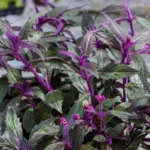
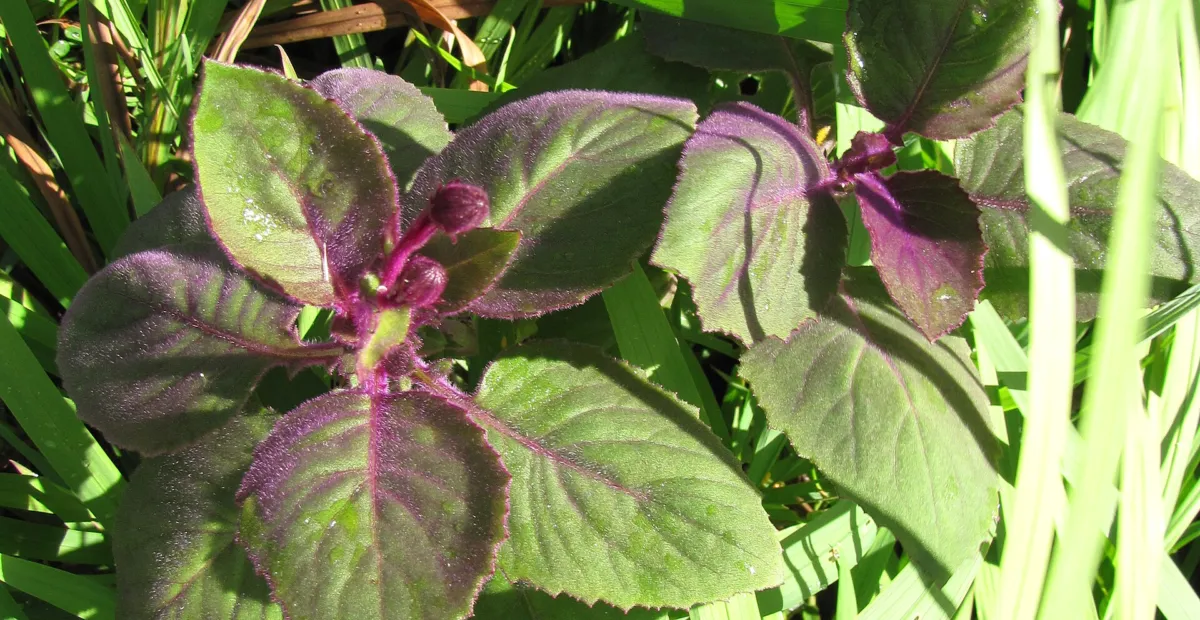
Leaves are oval to elliptical with coarse teeth and a green surface densely covered by reddish-purple hairs. The stems are also hairy, and the combination of purple fuzz and green leaf tissue gives the plant its distinctive glowing, velvet-like appearance. The foliage is more ornamental than the flowers, and the stems are soft rather than woody.
Flowering
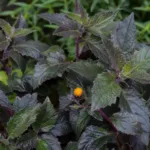
Flowering is variable indoors and is less likely in poor light. Small orange-yellow heads are produced in clusters, commonly during fall and winter indoors and in spring to early summer under Florida outdoor production conditions. The flowers are visually modest compared with the foliage and are notably malodorous, so buds are often pinched out before opening.
Pollination and visitors
Reliable sources located for this profile describe the flowers, odor and cultivation but do not identify a sufficiently documented principal pollinator or visitor group for this exact species in United States cultivation.
Gynura aurantiaca photos
Click any photo for a larger view. Source, author and license are shown separately.
Diseases and pests
Diseases
The main disease risk is root or stem rot caused by persistently wet soil, poor drainage or low airflow. Use a porous mix, drainage holes and careful watering. Remove soft or blackened tissue and re-root healthy cuttings if rot is localized. Avoid wetting dense foliage late in the day and isolate plants showing rapidly spreading collapse.
Pests
Watch for aphids, whiteflies, mealybugs, spider mites and scale, especially on crowded or drought-stressed plants. Inspect leaf undersides and stem joints regularly. Isolate affected plants, rinse small infestations with water and use insecticidal soap or horticultural oil according to the product label, testing first on a small area because hairy foliage can be sensitive.
Toxicity and pollen
A veterinary poison-control reference lists this plant as non-toxic to dogs and cats. That classification does not make it edible or guarantee that eating large quantities will cause no stomach upset. Prevent chewing where possible, and contact a veterinarian if an animal develops persistent vomiting, diarrhea, lethargy or other unusual signs after ingestion.
- Typical season
- Not reliably documented for United States indoor cultivation
- Pollination / pollen
- Pollen information for this cultivated houseplant is not well documented.
The plant produces pollen as a flowering Asteraceae species, but reliable evidence quantifying airborne pollen release or allergy risk for Gynura aurantiaca was not located. Flowers are generally insect-associated in structure, yet insect pollination does not prove zero allergy risk. People with known pollen sensitivity should avoid handling open flowers closely and remove them if symptoms occur.
Native habitat
The species is associated with humid tropical regions of Malesia, including Java, Sumatra and Sulawesi. Its tropical origin explains its intolerance of frost and preference for warmth, steady moisture, organic substrate and filtered rather than harsh exposure. In the United States it is mainly cultivated under protection or as a houseplant.
Interesting fact
The dense purple hairs occur on both leaves and stems, not only on the leaf surface. Commercial production commonly suppresses flowering because the blooms are strongly malodorous. Pinching is used both to control legginess and to create a fuller container plant. The species is an angiosperm in the daisy family, despite its unusual foliage-focused horticultural appeal.
Frequently asked questions (FAQ)
The most relevant questions about this plant, with short and direct answers.
🌱Quick care
What is Gynura aurantiaca?⌄
Gynura aurantiaca is a tropical, trailing perennial in the Asteraceae family, grown primarily as a houseplant for its velvety purple-haired foliage. It is also called purple passion vine or purple velvet plant, but no single common name is universally preferred.
🌤️Environment and placement
How much light does Gynura aurantiaca need?⌄
Gynura aurantiaca needs bright filtered or indirect light for strong growth and vivid purple coloring. Protect it from intense afternoon sun, which can scorch the leaves.
Can Gynura aurantiaca grow in low light?⌄
Gynura aurantiaca can survive in lower indoor light, but its foliage may become greener, less hairy-looking, and more leggy. Flowering is also less likely in low light.
Is a window or grow light best for Gynura aurantiaca?⌄
A bright window with filtered light or a grow light can both work well for Gynura aurantiaca. Keep the plant several feet from strong west- or south-facing glass unless the sunlight is softened by a sheer curtain.
What temperature is best for Gynura aurantiaca indoors?⌄
Gynura aurantiaca grows best at typical indoor temperatures, roughly 65–80°F, and should be protected from cold drafts. Avoid temperatures near or below frost because this tropical plant is not frost tolerant.
Can Gynura aurantiaca grow outdoors in the United States?⌄
Gynura aurantiaca can grow outdoors year-round only in warm, frost-free areas generally corresponding to USDA Zones 10–12. In colder regions, grow it in a container and bring it indoors before temperatures fall sharply.
Does Gynura aurantiaca need high humidity?⌄
Gynura aurantiaca usually adapts to average household humidity, although moderate humidity can improve its appearance. Good air circulation is important because the fuzzy foliage can remain damp and develop problems if constantly misted.
💧Care and problems
How often should I water Gynura aurantiaca?⌄
Water Gynura aurantiaca when the surface of the potting mix begins to dry, then water thoroughly and let excess drain away. Keep the mix moderately and evenly moist, but reduce watering somewhat during winter.
Should Gynura aurantiaca dry out between waterings?⌄
Gynura aurantiaca should not be allowed to dry completely for extended periods because its fine roots prefer consistent moisture. Allow only the surface to dry slightly before watering again, while avoiding constantly soggy soil.
Why is my Gynura aurantiaca wilting?⌄
Wilting usually means Gynura aurantiaca is thirsty, although root rot from persistently wet soil can cause similar symptoms. Check the mix before watering and inspect the roots if the soil stays wet for several days.
Why is my Gynura aurantiaca turning green?⌄
Insufficient light is the most common reason Gynura aurantiaca loses its intense purple coloration. Move it gradually to a brighter filtered-light location, avoiding a sudden transition to hot direct sun.
Why is my Gynura aurantiaca leggy?⌄
Gynura aurantiaca becomes leggy when light is inadequate or stems are not pinched regularly. Provide brighter filtered light and trim the growing tips to encourage branching and a fuller shape.
What pests attack Gynura aurantiaca?⌄
Common pests of Gynura aurantiaca include aphids, whiteflies, mealybugs, spider mites, and scale. Inspect stems and leaf undersides regularly, especially when the plant is stressed or moved indoors.
Why does my Gynura aurantiaca have brown or rotting leaves?⌄
Brown or rotting leaves can result from overwatering, poor drainage, or prolonged moisture on the foliage. Remove damaged tissue, improve drainage, and water only when the surface of the mix has begun to dry.
🪴Planting and repotting
What type of soil does Gynura aurantiaca need?⌄
Use a loose, humus-rich, well-drained potting mix for Gynura aurantiaca. A quality indoor potting mix amended with perlite or another drainage material helps retain moderate moisture without becoming waterlogged.
How do I repot Gynura aurantiaca?⌄
Repot Gynura aurantiaca when roots fill the container or water runs through unusually quickly, choosing a pot only slightly larger than the current one. Use fresh, well-drained potting mix and water thoroughly after repotting.
✂️Propagation and pruning
How do I make Gynura aurantiaca bushier?⌄
Make Gynura aurantiaca bushier by pinching or cutting back the growing tips just above a leaf node. Regular tip pruning also helps control its naturally sprawling or trailing growth.
How do you propagate Gynura aurantiaca?⌄
Propagate Gynura aurantiaca from stem cuttings taken just below a node. Root the cuttings in lightly moist, well-drained propagation mix or in water, then pot them once a healthy root system has formed.
Can Gynura aurantiaca be propagated in water?⌄
Gynura aurantiaca stem cuttings can often root in water, although rooting directly in a lightly moist propagation mix may produce an easier transition to potting. Keep the cutting warm and in bright indirect light.
⚠️Toxicity and safety
Is Gynura aurantiaca toxic to cats?⌄
Gynura aurantiaca is generally listed as non-toxic to cats. Even non-toxic plants can cause minor stomach upset if eaten in quantity, so prevent excessive chewing and contact a veterinarian if symptoms occur.
Is Gynura aurantiaca toxic to dogs?⌄
Gynura aurantiaca is generally listed as non-toxic to dogs. Keep pets from repeatedly eating the plant, and seek veterinary advice if a pet develops symptoms after ingesting any plant material.
Is Gynura aurantiaca safe for children?⌄
Gynura aurantiaca is generally regarded as a non-toxic ornamental plant, but it is not intended for eating. Keep cuttings, potting materials, and the plant itself away from young children who may chew on leaves.
🌸Flowering and special interest
Should I remove the flowers from Gynura aurantiaca?⌄
Many growers remove Gynura aurantiaca flower clusters because the small orange-yellow flowers have an unpleasant odor and can make the plant look less tidy. Removing flower buds also keeps the plant focused on foliage growth.
When does Gynura aurantiaca flower?⌄
Gynura aurantiaca commonly flowers in fall or winter indoors, although the timing can vary with light and growing conditions. Plants kept in low light may not flower at all.
What do Gynura aurantiaca flowers look like?⌄
Gynura aurantiaca produces small orange-yellow flowers in clusters above the foliage. The flowers are showy in color but are often removed because their odor is considered unpleasant.