 AI-generated illustration
Gynura procumbens short overview
Gynura procumbens is a tropical, scrambling member of the daisy family grown in warm climates and containers for its fleshy, softly hairy foliage. The accepted species is native across parts of tropical Africa, South and Southeast Asia, China, and New Guinea. In the United States it is best treated as a frost-tender patio or indoor plant, with bright filtered light, evenly moist but well-drained soil, and regular pruning to maintain a compact form.
Taxonomic classification
Gynura procumbens care guide
Light and placement
Provide bright filtered light, such as an east-facing window, a lightly shaded south or west exposure, or bright shade outdoors. Gentle morning sun is usually suitable, but intense afternoon sun can scorch or bleach the leaves. Weak, stretched growth and widely spaced leaves indicate insufficient light; crisp brown patches or faded foliage suggest excessive direct sun or heat.
Watering and humidity
Water thoroughly when the surface begins to dry, then allow excess water to drain completely. Keep the root ball consistently and lightly moist during active growth, reducing frequency in winter when growth slows. Do not leave the pot standing in water. Moderate to high humidity supports fuller foliage, but good air circulation is important to reduce leaf disease.
Soil and growing medium
Use a loose container mix based on peat or coir with compost and a substantial drainage component such as perlite or fine bark. The medium should retain moisture without becoming saturated. Slightly acidic to neutral conditions are suitable. Heavy, compacted soil increases the risk of root problems and should be amended or replaced rather than watered more often.
Feeding
Feed during spring and summer when the plant is actively producing shoots. Apply a balanced liquid fertilizer diluted to about half the label strength every 3 to 4 weeks, or use a modest amount of controlled-release fertilizer. Do not fertilize dry, recently stressed, diseased, or dormant plants. Flush the container occasionally to limit salt accumulation.
Growth and habit
This plant produces flexible, spreading to trailing stems and can become untidy if left uncut. Regular tip pruning encourages branching and provides useful cuttings. Support can be supplied if a climbing form is desired, while hanging baskets allow the stems to trail. Warm temperatures promote rapid regrowth after pruning.
Planting and repotting
Choose a warm, sheltered site with bright filtered light and protection from strong afternoon sun. Set plants at their existing soil level and water thoroughly after planting. Establishment is fastest in warm weather. In most of the United States, containers are preferable because the plant must be moved indoors before freezing temperatures.
Repot in spring when roots fill the container or growth slows despite adequate care. Move up only one pot size and use a fresh, free-draining mix. Handle the stems gently because they are soft and easily bruised. After repotting, water thoroughly and keep the plant in bright filtered light while it re-establishes.
Propagation and pruning
Propagation
Stem cuttings are the most practical method. Take healthy nonflowering tips, remove the lower leaves, and insert one or two nodes into a moist, airy propagation mix. Keep the cuttings warm in bright indirect light and evenly moist until rooted. Seed propagation is possible but less predictable in ordinary home cultivation.
Pruning
Pinch or cut back shoot tips regularly during active growth to encourage branching and control trailing stems. Remove weak, damaged, or congested growth with clean pruners. If the plant becomes leggy, shorten stems by up to one-third and use healthy pieces as cuttings. Avoid heavy pruning while the plant is cold or severely drought-stressed.
Overwintering
Move containers indoors before temperatures approach 50°F, and certainly before frost. Place the plant in bright filtered light, reduce watering as growth slows, and keep it away from cold windows and heating vents. Check regularly for mites, whiteflies, and mealybugs. Prune leggy growth in late winter before active regrowth begins.
Uses
Used as a tropical foliage plant, hanging-basket subject, patio container plant, and edible leafy green in regions where it is traditionally cultivated. Culinary use should be limited to correctly identified, cleanly grown material; it should not be presented as a medical treatment, and unfamiliar preparations or concentrated supplements require separate safety evaluation.
Appearance
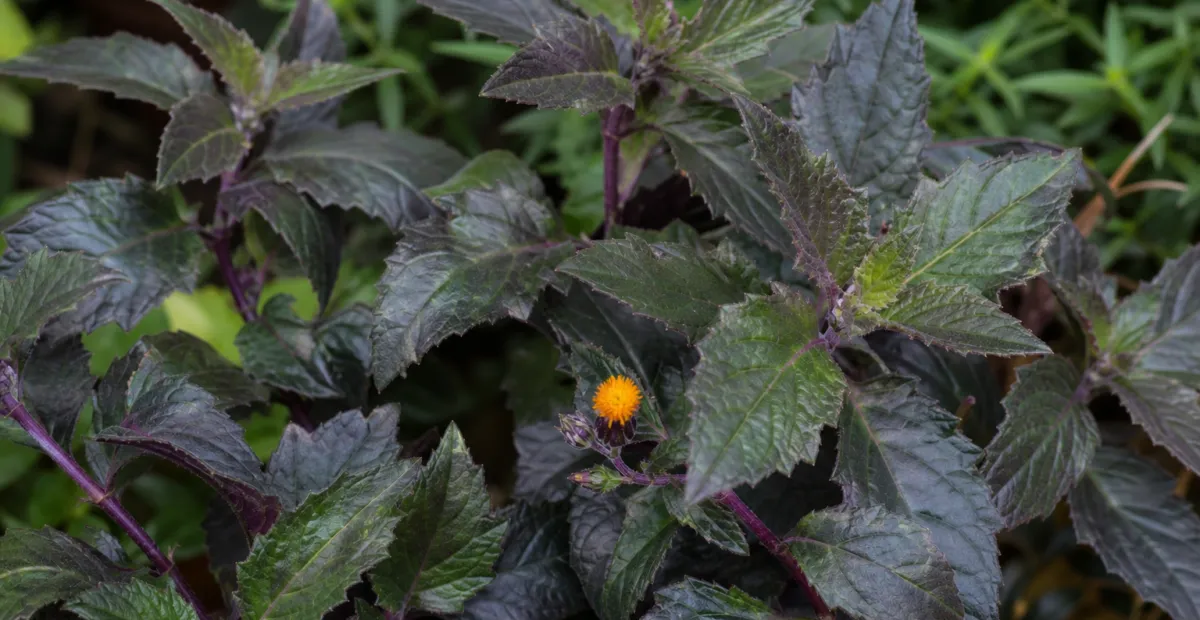
The stems are soft and flexible, and the leaves are fleshy, ovate to lance-shaped, and noticeably hairy or velvety. Young foliage may show purple coloration, particularly on the undersides or along the stems. The overall appearance differs from the more commonly sold purple passion plant, Gynura aurantiaca, which is cultivated primarily for intensely purple leaf hairs.
Flowering
The flowers are borne in composite heads characteristic of the Asteraceae, with greenish-yellow florets and a white pappus developing on the fruits. Reliable United States flowering dates are not established, and container plants may flower irregularly under warm, bright conditions. Many growers remove flower stalks to direct energy toward foliage.
Pollination and visitors
The composite flower heads are insect-pollinated in the usual manner of many Asteraceae, but species-specific visitor records and attraction strength are insufficiently documented for a reliable pollinator rating. Flowers may be visited by small insects when produced outdoors in warm conditions.
Gynura procumbens photos
Click any photo for a larger view. Source, author and license are shown separately.
Diseases and pests
Diseases
Root and stem problems are most likely in cold, saturated soil or poorly ventilated conditions. Use a clean container and porous mix, avoid wetting the foliage late in the day, and remove affected tissue promptly. Improve light and air movement rather than compensating for weak growth with excess fertilizer.
Pests
Watch for spider mites, whiteflies, mealybugs, aphids, and fungus gnats, especially indoors. Inspect leaf undersides and new growth weekly. Isolate affected plants, wash foliage with water when appropriate, and use insecticidal soap or another labeled control according to the product directions. Avoid chronic overwatering, which encourages fungus gnats.
Related diseases and pests
Only Plant Doctor profiles whose host data indicate this plant may be affected are shown here.
 DiseaseApple stem grooving virusCapillovirus mali
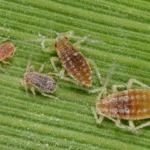 PestMealy Plum AphidHyalopterus pruni (Geoffroy, 1762)
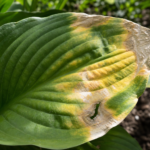 Environmental stressExcess light stress
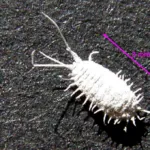 PestObscure mealybugPseudococcus viburni
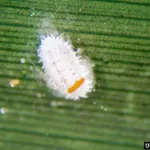 PestCitrus mealybugPlanococcus citri
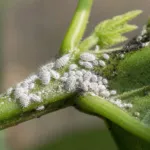 PestCotton mealybugPhenacoccus solenopsis Tinsley
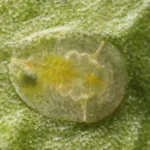 PestCitrus whiteflyDialeurodes citri
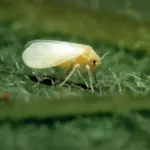 PestSweetpotato whiteflyBemisia tabaci species complex
Toxicity and pollen
Gynura procumbens is traditionally used as a leafy vegetable in parts of tropical Asia, but that history does not establish safety for every person, preparation, or concentrated product. Reliable species-specific human and companion-animal toxicity evaluations were not located. Prevent ingestion of ornamental plants treated with pesticides, and consult a poison center or veterinarian after a concerning exposure.
- Typical season
- Not established for United States exposure
- Pollination / pollen
- Pollen is produced in the composite flower heads; airborne exposure relevance is not well documented for this species.
This is a flowering Asteraceae and therefore produces pollen when it blooms, but reliable evidence about airborne pollen levels and human allergy risk for Gynura procumbens is lacking. Insect-associated pollen transfer may limit airborne dispersal compared with strongly wind-pollinated plants, but that should not be interpreted as zero allergy risk.
Native habitat
In its native range, the species occurs in wet tropical climates, including forest margins, thickets, and other disturbed or semi-open vegetation. It favors warmth, regular moisture, and soils that drain while remaining fertile. It is not native to the United States and has little outdoor frost tolerance there.
Interesting fact
The accepted name is maintained by Kew’s World Checklist of Vascular Plants. The species has a wide native distribution spanning tropical Africa, Asia, and New Guinea. Its young plants may show purple coloration even though the mature foliage is mainly green. The specific epithet procumbens refers to a low or spreading growth habit.
Frequently asked questions (FAQ)
The most relevant questions about this plant, with short and direct answers.
🌱Quick care
How do you care for Gynura procumbens indoors?⌄
Give Gynura procumbens bright filtered light, evenly moist soil, good drainage, and warm temperatures. Protect it from cold drafts, harsh afternoon sun, and freezing conditions.
🌤️Environment and placement
Is Gynura procumbens an indoor or outdoor plant?⌄
Gynura procumbens can grow indoors year-round or outdoors during warm weather. In the United States, bring it inside before temperatures approach freezing because it is frost-tender.
How much light does Gynura procumbens need?⌄
Provide bright filtered light to partial shade for Gynura procumbens. Too little light can cause weak, stretched growth, while intense direct afternoon sun may scorch the leaves.
Can Gynura procumbens grow in full sun?⌄
Gynura procumbens may tolerate gentle morning sun, but partial shade or bright filtered light is safer. Increase direct exposure gradually and protect the plant from strong afternoon sunlight.
What temperature is best for Gynura procumbens?⌄
Warm indoor temperatures are best for Gynura procumbens, and the plant should be protected from frost and freezing weather. Treat it as a tender plant in most U.S. climates.
Does Gynura procumbens need high humidity?⌄
Gynura procumbens generally benefits from moderate to high humidity, especially indoors during dry winter conditions. Improve humidity with a humidifier or by grouping plants, while avoiding constantly wet foliage and stagnant air.
Can Gynura procumbens be grown outdoors in the United States?⌄
Gynura procumbens can be grown outdoors in warm, frost-free parts of the United States or as a seasonal patio plant elsewhere. In colder areas, grow it in a container and bring it indoors before freezing weather.
Can Gynura procumbens survive winter outdoors?⌄
Gynura procumbens generally cannot survive freezing temperatures outdoors. Overwinter it indoors in bright filtered light, reduce watering slightly during slower growth, and keep it away from cold windows.
💧Care and problems
How often should you water Gynura procumbens?⌄
Water Gynura procumbens when the soil surface begins to dry, keeping the mix evenly moist but not waterlogged. Check the pot regularly because bright light and warm conditions can increase water use.
Why are the leaves of my Gynura procumbens turning yellow?⌄
Yellow leaves on Gynura procumbens commonly indicate overly wet soil, poor drainage, insufficient light, or normal aging of older leaves. Check the roots and potting mix before increasing watering.
Why is my Gynura procumbens wilting?⌄
Gynura procumbens can wilt from dry soil, heat, root damage, or chronically wet conditions. Feel the soil first, then correct the moisture problem while ensuring the container drains freely.
Why is Gynura procumbens getting leggy?⌄
Leggy growth usually means Gynura procumbens is not receiving enough bright light or has not been pruned. Move it closer to a bright filtered-light source and pinch the growing tips to encourage branching.
What pests attack Gynura procumbens?⌄
Common indoor pests such as aphids, whiteflies, spider mites, and mealybugs may affect Gynura procumbens. Inspect leaf undersides and new growth regularly, and isolate affected plants before treating them.
How do you treat pests on Gynura procumbens?⌄
Start by isolating the affected Gynura procumbens and rinsing visible pests from the foliage. Repeat an appropriate insecticidal-soap treatment according to its label, testing a small area first to check for leaf damage.
Why are the leaves of Gynura procumbens curling?⌄
Curling leaves may result from underwatering, dry air, heat stress, pests, or root problems caused by soggy soil. Examine the plant and roots rather than treating curling alone as a single diagnosis.
🪴Planting and repotting
What soil is best for Gynura procumbens?⌄
Use loamy, humus-rich, well-drained soil that retains some moisture for Gynura procumbens. A quality indoor potting mix amended with compost and drainage material is suitable for container growing.
What type of pot does Gynura procumbens need?⌄
Choose a pot with drainage holes for Gynura procumbens and avoid oversized containers that stay wet for too long. Repot when roots fill the container or water begins draining unusually quickly.
When should you repot Gynura procumbens?⌄
Repot Gynura procumbens when it becomes root-bound, dries out unusually fast, or has exhausted its potting mix. Move it into a slightly larger container during active growth rather than making a large jump in pot size.
Can Gynura procumbens grow in a hanging basket?⌄
Yes, Gynura procumbens can grow well in a hanging basket because its stems may trail or sprawl. Use a lightweight, well-drained potting mix and prune the stems when they become too long.
✂️Propagation and pruning
How do you make Gynura procumbens bushier?⌄
Make Gynura procumbens bushier by regularly pinching or pruning the stem tips above a leaf node. Keep the plant in bright filtered light so new growth remains compact.
How do you propagate Gynura procumbens?⌄
Propagate Gynura procumbens most reliably from stem cuttings. Place a healthy cutting with lower leaves removed into moist, well-drained medium and keep it warm in bright filtered light until roots develop.
Can you propagate Gynura procumbens in water?⌄
Gynura procumbens can often root in water, although transferring rooted cuttings to soil may cause some adjustment stress. Move the cutting into a moist, well-drained mix once it has a useful root system.
Where should you cut Gynura procumbens for propagation?⌄
Take Gynura procumbens cuttings just below a healthy leaf node, using a clean, sharp blade or pruner. Remove the lower leaves and keep at least one or two leaves above the rooting medium.
Should you prune Gynura procumbens?⌄
Yes, pruning helps Gynura procumbens branch, stay compact, and produce useful cuttings. Remove damaged growth and shorten overly long stems just above a leaf node.
⚠️Toxicity and safety
Is Gynura procumbens edible?⌄
Gynura procumbens is cultivated in some regions as a leafy vegetable, but edible use should be based on correct identification and clean, pesticide-free plants. Evidence for medicinal benefits is not a substitute for medical advice.
Is Gynura procumbens toxic to cats and dogs?⌄
Species-specific toxicity information for Gynura procumbens is not firmly established. Keep pets from chewing the plant and contact a veterinarian or animal poison-control service if ingestion causes symptoms.
Is Gynura procumbens safe for children?⌄
The safety of Gynura procumbens for children has not been fully established, especially when plant material is eaten in large amounts. Keep cuttings and potted plants out of reach of young children.
🌸Flowering and special interest
Does Gynura procumbens flower?⌄
Yes, Gynura procumbens can produce small yellow flower heads, often on mature or strongly growing plants. Flowering may be less frequent indoors, and many growers prune the flower stems to keep the foliage tender and attractive.
Should you remove flowers from Gynura procumbens?⌄
Remove flowers from Gynura procumbens if your priority is leafy growth or edible young shoots. Allowing flowers to remain is harmless, but flowering stems can become less focused on vegetative growth.