
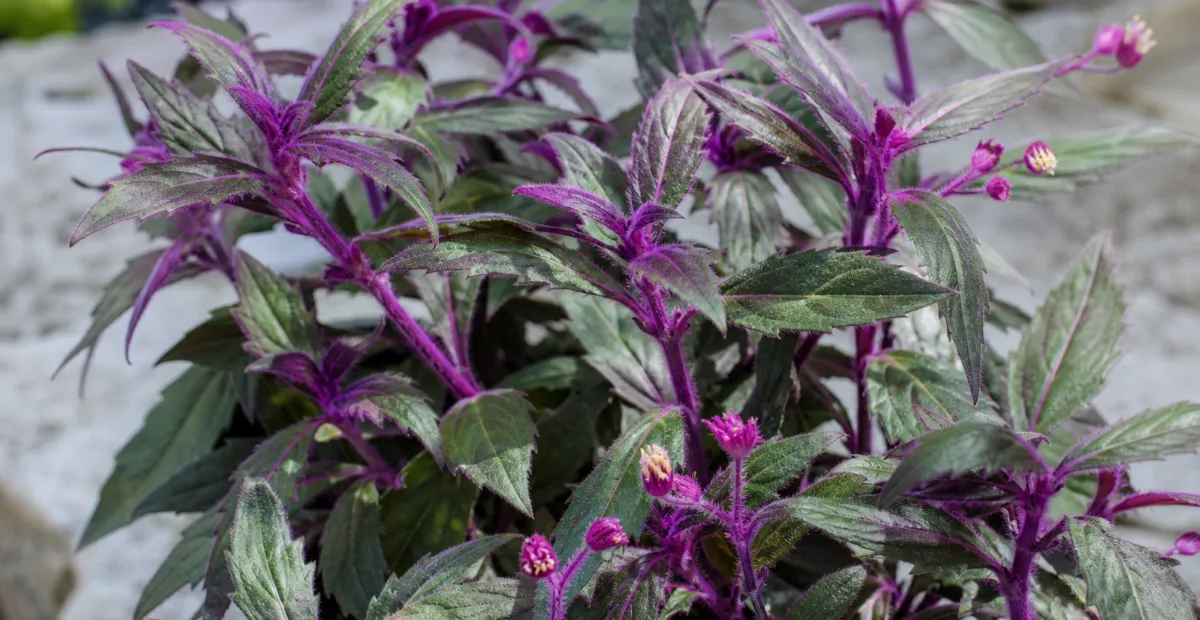
 AI-generated illustration
Gynura bicolor short overview
Gynura bicolor is a warm-climate perennial grown for its soft, velvety foliage: the upper leaf surface is green while the underside is reddish purple. It is cultivated as a leafy vegetable in parts of Asia and can also be grown ornamentally in containers. In the United States, provide bright filtered light, evenly moist but well-drained soil, and protection from cold. Young leaves and shoots are commonly harvested, although food-safety evidence deserves careful consideration.
Taxonomic classification
Gynura bicolor care guide
Light and placement
Provide bright filtered light, such as an east-facing window indoors or morning sun with afternoon shade outdoors. A few hours of gentle direct sun can deepen foliage color, but harsh afternoon sun may scorch or bleach leaves. Stretching, wide spacing between leaves, and weak stems indicate insufficient light; crisp patches or faded foliage suggest excess intensity.
Watering and humidity
Water when the top 1 inch of mix begins to dry, then soak thoroughly until excess drains from the pot. Keep the root zone evenly moist during warm active growth, reducing frequency in cool or dim winter conditions. Do not leave the container standing in water. Moderate humidity is useful, but avoid persistently wet leaves and stagnant air.
Soil and growing medium
Use fertile, loamy soil or a quality container mix amended with compost and perlite. The substrate should hold steady moisture without becoming saturated; poorly drained soil can cause root problems. A slightly acidic to neutral reaction is suitable, approximately pH 6.0–7.0.
Feeding
Feed during active growth every 3–4 weeks with a balanced liquid fertilizer diluted to half the label rate, or use a modest controlled-release product. Because the plant is harvested for foliage, avoid heavy fertilization and stop feeding when growth slows in cool, dim conditions. Water the soil first if it is dry before applying fertilizer.
Growth and habit
This is a vigorous, soft-stemmed perennial that responds well to regular tip pinching. Frequent harvesting keeps the plant compact and promotes tender side shoots. Without trimming, stems can become elongated and less leafy, particularly under weak indoor light.
Planting and repotting
Plant outdoors only after nights remain reliably warm and all frost danger has passed. Set the root ball at its original depth and allow about 12–18 inches between plants for harvesting and air movement. Establish with consistent moisture, then pinch growing tips to encourage branching.
Repot in spring when roots fill the container or growth becomes crowded. Move up only one pot size, refresh part of the mix, and water thoroughly after transplanting. Root disturbance is best followed by bright filtered light rather than intense direct sun.
Propagation and pruning
Propagation
Stem cuttings are the practical method. Take 3–6 inch non-flowering shoots during warm active growth, remove lower leaves, and root them in water or a lightly moist, airy medium. Keep cuttings warm in bright filtered light and pot them once roots are established.
Pruning
Pinch shoot tips regularly to promote branching and harvestable foliage. Remove weak, damaged, or overly elongated stems with clean scissors. If the plant becomes leggy after winter, cut it back in spring just above healthy nodes and use suitable pieces as cuttings.
Overwintering
Move containers indoors before temperatures fall below 50°F. Place the plant in bright filtered light, reduce watering to match slower growth, and inspect carefully for pests before bringing it inside. In colder regions it can be maintained as a houseplant or replanted from cuttings the following spring.
Uses
Use as an ornamental foliage plant in containers, sheltered beds, and indoor collections. Young leaves and shoots are used as a cooked leafy vegetable in regional cuisines, including soups, stews, and stir-fries. Because safety findings are not uniform, this profile does not recommend medicinal use or frequent consumption.
Appearance
Leaves are elongated and fleshy, with a green upper surface, reddish-purple underside, short petioles, and a soft covering of fine hairs. The plant forms branched, succulent-looking herbaceous stems and is more recognizable by its contrasting leaf surfaces than by its small flowers.
Flowering
Small daisy-family flower heads may appear on mature plants, but flowering is not the principal horticultural feature and is not consistently documented for United States cultivation. Plants grown for leaves are often trimmed before substantial flowering.
Pollination and visitors
Reliable species-specific pollinator records were not located. As an Asteraceae member with small flower heads, it may receive visits from generalist insects when flowering, but the strength and identity of those interactions remain uncertain.
Gynura bicolor photos
Click any photo for a larger view. Source, author and license are shown separately.
Diseases and pests
Diseases
Prevent disease by using clean soil, avoiding waterlogged conditions, and providing gentle air circulation. Remove damaged foliage promptly. Persistent wilt, foul-smelling roots, or collapsing stems suggests excessive moisture and possible root disease; replace saturated medium and discard badly rotted tissue.
Pests
Watch for aphids, whiteflies, spider mites, and mealybugs, especially indoors. Inspect leaf undersides and growing tips weekly. Isolate affected plants, wash foliage gently where appropriate, and use insecticidal soap according to its label. Avoid routine broad-spectrum insecticides and correct stress caused by dry air or poor light.
Related diseases and pests
Only Plant Doctor profiles whose host data indicate this plant may be affected are shown here.
 DiseaseApple stem grooving virusCapillovirus mali
 PestBroad mitePolyphagotarsonemus latus (Banks)
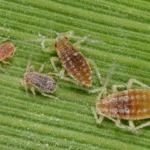 PestMealy Plum AphidHyalopterus pruni (Geoffroy, 1762)
 Environmental stressWaterlogging
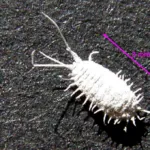 PestObscure mealybugPseudococcus viburni
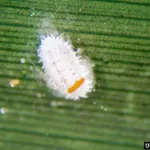 PestCitrus mealybugPlanococcus citri
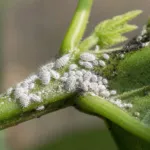 PestCotton mealybugPhenacoccus solenopsis Tinsley
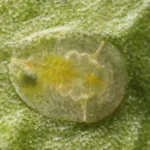 PestCitrus whiteflyDialeurodes citri
Toxicity and pollen
Leaves and young shoots are eaten in some regions, but published research has reported pyrrolizidine alkaloids in tested Gynura bicolor material. Concentrations may vary by origin and preparation, and the United States has no widely established home-gardening safety standard for this species. Avoid medicinal use, do not consume large or frequent amounts, and seek specialist advice for children, pregnancy, liver disease, or pets.
- Typical season
- Not reliably documented for United States cultivation
- Pollination / pollen
- Likely insect-dispersed pollen; species-specific allergy data unavailable
No dependable United States airborne-pollen data were located for this species. Its flowers are insect-associated rather than known as a major wind-pollen source, but that does not establish zero allergy risk. Avoid assuming the plant is allergy-free if it flowers indoors or near living spaces.
Native habitat
The species is native from the Indian subcontinent through parts of China, Taiwan, mainland Southeast Asia, and the Caroline Islands. It is associated with warm subtropical to tropical environments and benefits in cultivation from fertile, moist but freely draining ground rather than stagnant wet soil.
Interesting fact
The species is accepted by Kew’s Plants of the World Online.
Its native range extends from the Indian subcontinent to southern China and Taiwan.
Leaves have green upper surfaces and reddish-purple undersides.
Young leaves and shoots are harvested as a vegetable in parts of Asia.
Stem cuttings are the standard practical propagation method.
Frequently asked questions (FAQ)
The most relevant questions about this plant, with short and direct answers.
🌱Quick care
What is Gynura bicolor?⌄
Gynura bicolor is a frost-tender perennial herb in the Asteraceae family, grown for its green leaves with reddish-purple undersides and, in some regions, as a leafy vegetable. In the United States, it is best treated as a container plant or seasonal garden plant outside warm climates.
How much light does Gynura bicolor need?⌄
Give Gynura bicolor bright filtered light or partial shade. Protect it from intense afternoon sun, especially in hot climates, because strong exposure can scorch foliage and excessive shade may reduce its color and compact growth.
How often should I water Gynura bicolor?⌄
Water Gynura bicolor when the surface of the soil begins to dry, keeping the root zone moderately and evenly moist. Do not leave the pot standing in water, because persistently saturated soil can cause root problems.
Is Gynura bicolor an indoor or outdoor plant?⌄
Gynura bicolor can grow indoors in a bright window or outdoors in partial shade during warm weather. Bring it indoors before frost, since it is frost-tender and may be damaged by freezing temperatures.
🌤️Environment and placement
What temperature is best for Gynura bicolor?⌄
Gynura bicolor grows best in warm conditions typical of the growing season, generally above 60°F. Protect it from frost, cold drafts, and prolonged temperatures near freezing.
Can Gynura bicolor grow in full sun?⌄
Gynura bicolor can tolerate some gentle morning sun, but bright filtered light or partial shade is safer than full, intense sun. Provide extra protection during hot summer afternoons in the southern United States.
Does Gynura bicolor need high humidity?⌄
Gynura bicolor appreciates moderate to high humidity but can adapt to typical indoor conditions if watering is consistent. Good air circulation is important, and avoid keeping the foliage constantly wet.
Can Gynura bicolor grow outside in the United States?⌄
Gynura bicolor can grow outdoors year-round only in frost-free parts of the United States, while gardeners elsewhere should grow it as a summer annual or overwinter it indoors. Use a container if your local winter temperatures are uncertain.
What USDA hardiness zone is suitable for Gynura bicolor?⌄
Gynura bicolor is most reliable in frost-free USDA-style climates and should be protected from freezing weather in colder zones. Because reliable hardiness information is limited, container culture is the safest choice outside warm southern areas.
💧Care and problems
What soil does Gynura bicolor need?⌄
Use fertile, loamy, moisture-retentive soil that still drains freely. A quality potting mix amended with compost and a drainage material such as perlite can help balance moisture retention and aeration.
Why are the leaves of my Gynura bicolor turning pale?⌄
Pale leaves on Gynura bicolor often indicate insufficient light, nutrient depletion, or stress from inconsistent watering. Move it to brighter filtered light and check that the soil is fertile but not waterlogged.
Why is my Gynura bicolor wilting?⌄
Gynura bicolor may wilt when the soil becomes too dry, especially in hot weather or a small container. Water thoroughly when needed, but also check for root damage if the soil stays wet and the plant remains wilted.
Why is Gynura bicolor becoming leggy?⌄
Leggy growth usually means Gynura bicolor is receiving too little light or has not been pinched regularly. Provide brighter filtered light and trim long stems to encourage branching and a fuller shape.
What pests affect Gynura bicolor?⌄
Common houseplant pests such as aphids, whiteflies, mealybugs, spider mites, and scale may attack Gynura bicolor. Inspect leaf undersides and new growth regularly, then isolate affected plants and treat infestations promptly.
How should I fertilize Gynura bicolor?⌄
Feed Gynura bicolor during active growth with a balanced, diluted fertilizer according to the product label. Avoid heavy feeding when growth slows in winter or when the plant is stressed by cold, drought, or saturated soil.
🪴Planting and repotting
When should I plant Gynura bicolor outdoors?⌄
Plant Gynura bicolor outdoors after the danger of frost has passed and nighttime temperatures are reliably warm. In colder parts of the United States, start it in a container so it can be moved indoors before fall freezes.
Can Gynura bicolor grow in a container?⌄
Gynura bicolor grows well in containers with drainage holes and fertile, evenly moist potting mix. Choose a container only modestly larger than the root ball, because oversized pots can remain wet for too long.
When should I repot Gynura bicolor?⌄
Repot Gynura bicolor when roots fill the container, water runs through unusually quickly, or growth slows despite suitable care. Move it into a pot one size larger using fresh, well-drained soil, preferably during active growth.
✂️Propagation and pruning
How do you propagate Gynura bicolor?⌄
Propagate Gynura bicolor most reliably from stem cuttings. Take a healthy cutting with several nodes, remove the lower leaves, and root it in moist, well-drained medium or water before transplanting it into soil.
Can Gynura bicolor cuttings root in water?⌄
Yes, Gynura bicolor stem cuttings can root in water, although they should be moved into a well-drained growing medium after roots develop. Keep the cutting warm and in bright, indirect light while it establishes.
Can Gynura bicolor be grown from seed?⌄
Gynura bicolor can produce seed after flowering, but seed is less commonly used than stem cuttings and may be difficult to source. Cuttings are generally the more practical method for maintaining a reliable plant.
How do I prune Gynura bicolor?⌄
Prune Gynura bicolor by cutting long stems just above a leaf node. Regular tip pruning encourages branching, controls sprawling growth, and provides suitable material for propagation.
⚠️Toxicity and safety
Is Gynura bicolor edible?⌄
Gynura bicolor has a history of use as a cooked leafy vegetable in parts of Asia, but its food-safety profile is not fully resolved. Research has detected pyrrolizidine alkaloids in Gynura species, so do not assume that a home-grown or unidentified plant is safe to eat.
Is Gynura bicolor toxic to humans?⌄
The toxicity risk of Gynura bicolor remains uncertain rather than clearly established as harmless or poisonous. Because pyrrolizidine alkaloids have been reported in the species, avoid medicinal use and seek professional guidance before consuming it, especially regularly or in large amounts.
Can you eat Gynura bicolor leaves raw?⌄
Raw consumption of Gynura bicolor leaves should not be treated as automatically safe because evidence about species-specific food safety is unresolved. If the plant is grown as food, use only correctly identified material and consult authoritative food-safety guidance rather than relying on common-name claims.
Is Gynura bicolor safe for pets?⌄
There is not enough reliable evidence to confirm that Gynura bicolor is safe for pets. Keep it away from animals that chew plants and contact a veterinarian or pet poison service if ingestion occurs.
🌸Flowering and special interest
Does Gynura bicolor flower?⌄
Yes, Gynura bicolor produces small yellow to orange, thistle-like flower heads in terminal clusters. Flowering season varies with climate and growing conditions, and plants grown mainly for foliage may flower infrequently.
When does Gynura bicolor bloom?⌄
Gynura bicolor commonly blooms during the warmer part of the year, with reports ranging from spring through fall depending on location. Adequate light and mature growth make flowering more likely.
Should I remove the flowers from Gynura bicolor?⌄
Remove Gynura bicolor flower stalks if you want to keep the plant focused on leafy growth or maintain a compact shape. Leave them if you want to observe flowering or collect seed, recognizing that seed production can redirect energy from foliage.
Similar plants
 Azure Monkshood (Aconitum carmichaelii) care guideAconitum carmichaelii
 Monkshood (Aconitum ‘Stainless Steel’)Aconitum 'Stainless Steel'
 Monkshood (Aconitum ‘Bressingham Spire’)Aconitum 'Bressingham Spire'
 Golden full moon maple (Acer shirasawanum ‘Aureum’)Acer shirasawanum 'Aureum'
 Globosum (Acer platanoides ‘Globosum’)Acer platanoides 'Globosum'
 Striped maple (Acer pensylvanicum) care guideAcer pensylvanicum