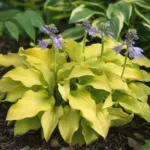
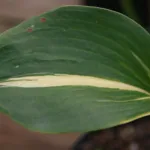
AI-generated illustration
Hosta ‘White Feather’ short overview
Hosta 'White Feather' is a small, unusual shade perennial valued for its nearly white spring leaves, which gradually develop green veins and streaks as the season progresses. The compact clump produces lavender flowers in early to midsummer and performs best in evenly moist, organically rich, well-drained soil. Deep shade helps protect its thin foliage from scorching, while slugs, deer, and pet access require monitoring.
Taxonomic classification
Hosta ‘White Feather’ care guide
Light and placement
Place in deep shade or bright filtered shade, ideally with morning light or dappled illumination and protection from hot afternoon sun. A north- or east-facing bed, woodland edge, or shaded patio works well. Bleached, scorched, papery margins indicate excessive light or heat; weak, stretched growth may indicate excessively dark or crowded conditions.
Watering and humidity
Keep the root zone evenly moist, especially during spring emergence, summer heat, and the first growing season. Water deeply at the soil surface rather than wetting the leaves, and increase frequency during dry spells. Do not allow the soil to dry completely, but avoid persistent saturation, which encourages crown and root problems.
Soil and growing medium
Use fertile, humus-rich soil that holds steady moisture without becoming waterlogged. A loamy, well-drained structure is ideal; improve heavy clay with organic matter rather than creating a sharply contrasting planting pocket. Hostas generally perform across mildly acidic to neutral soil, approximately pH 5.5–7.5.
Feeding
Top-dress with compost in spring or apply a balanced, slow-release perennial fertilizer as growth begins. Do not overfeed; excessive nitrogen can produce soft foliage and weaker growth. Avoid fertilizing drought-stressed, newly divided, or dormant plants, and water after applying granular products.
Growth and habit
Forms a small, clumping crown and develops slowly, especially while its early foliage is largely white and photosynthetically limited. Growth typically becomes more vigorous as green coloration develops. Protect the plant from drying winds, hot sun, and competition from aggressive roots.
Planting and repotting
Plant in spring or early fall with the crown at soil level and the roots spread naturally. Allow about 24–30 inches between plants for mature spread, although closer spacing can be used for a quicker mass effect. Water thoroughly after planting and maintain even moisture during establishment.
Repot container-grown plants in early spring as growth begins, or divide and refresh the container when the crown becomes crowded. Use a moisture-retentive but well-drained potting mix and a container with drainage holes.
Propagation and pruning
Propagation
Divide established crowns in early spring before leaves unfurl or in early fall. Use a clean knife or spade and ensure each division has viable roots and at least one growth point. Seed is not a reliable way to reproduce this named cultivar true to type.
Pruning
Remove flower scapes after flowering if seed production is unwanted, or leave them briefly for ornamental interest. Cut yellowed, frosted foliage to the ground after dormancy in late fall or early spring, and remove diseased leaves promptly.
Overwintering
Leave the plant outdoors in the ground within its hardiness range. After frost turns the foliage yellow, cut it back and remove debris. In colder or exposed sites, apply a light mulch after the soil cools, keeping mulch from contacting the crown. Container plants need protection from repeated freeze-thaw cycles.
Uses
Use as a foliage accent, specimen, edging plant, mass planting, woodland-garden perennial, or shaded container plant. Its pale emerging leaves brighten dark borders. It is not recommended as a food plant in this profile because pet toxicity is documented and cultivar-specific human safety information is limited.
Appearance
Leaves are lance-shaped with tapered bases, noticeable veins, and gently wavy margins. New growth is unusually creamy white, then develops green coloration from the veins outward and may retain white streaks. The plant forms a low, rounded clump, with upright flower scapes rising above the foliage.
Flowering
Tubular to bell-shaped lavender flowers appear on upright, mostly leafless scapes in early to midsummer, commonly June and July in the United States. The flowers rise above the foliage and are ornamental, but the cultivar is grown primarily for its changing leaf coloration.
Pollination and visitors
The lavender flowers are documented as attractive to hummingbirds and may be visited by other insects, but cultivar-specific visitor records are limited. The main documented visitor group is birds, especially hummingbirds.
Diseases and pests
Diseases
Watch for crown rot and leaf spots, especially where drainage is poor or foliage stays wet for long periods. Hosta Virus X, tobacco rattle virus, and tomato ringspot virus warrant removal and disposal of affected plants rather than composting. Avoid moving sap between plants with contaminated tools.
Pests
Slugs and snails can chew irregular holes, especially in damp, mulched beds. Deer and rabbits may browse the foliage, while voles can damage crowns and roots. Reduce hiding places, keep debris away from crowns, inspect at night for slugs, and use physical barriers or appropriately labeled controls where needed.
Related diseases and pests
Only Plant Doctor profiles whose host data indicate this plant may be affected are shown here.
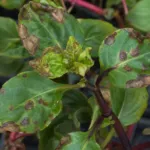 DiseaseImpatiens necrotic spot virus diseaseImpatiens necrotic spot orthotospovirus
 DiseaseSouthern blightAthelia rolfsii
 PestStrawberry foliar nematodeAphelenchoides fragariae
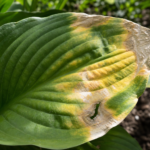 Environmental stressExcess light stress
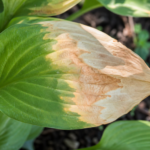 Environmental stressLeaf sunburn
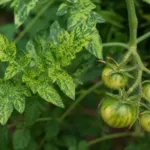 DiseaseTomato mosaic virusTobamovirus tomatotessellati
 DiseaseTobacco mosaic virusTobamovirus tabaci
 DiseaseSeptoria leaf spot of tomatoSeptoria lycopersici Speg.
Toxicity and pollen
Hostas contain saponins and are listed by the ASPCA as toxic to dogs and cats; ingestion may cause vomiting, diarrhea, or depression. Keep plant material away from pets and seek veterinary advice after ingestion. Human-specific cultivar toxicity data are limited, so avoid deliberate consumption and supervise children around the plant.
- Typical season
- June–July
- Pollination / pollen
- Insect-associated pollen; not prominently wind-dispersed
As an insect-pollinated hosta, pollen is generally released within or near the flower rather than dispersed in large airborne clouds. Airborne allergy relevance is therefore expected to be low, but individual sensitivity cannot be ruled out and cultivar-specific allergen testing is unavailable.
Native habitat
The cultivar is a garden selection rather than a wild habitat plant. Its hosta heritage is associated with moist, organic woodland margins and open shade in East Asia. In cultivation, it prefers protected, moisture-retentive soils with reliable drainage and shelter from intense afternoon heat.
Interesting fact
The foliage emerges almost ghostly white before developing green through the veins and streaks.
Thin leaves make this cultivar especially vulnerable to scorching in direct sun.
The plant is valued more for its foliage than for its summer flowers.
Its compact mature spread makes it suitable for shaded containers.
The cultivar is reported as relatively slow-growing compared with many hostas.
Frequently asked questions (FAQ)
The most relevant questions about this plant, with short and direct answers.
🌱Quick care
Is Hosta 'White Feather' easy to grow?⌄
Hosta 'White Feather' is moderately easy to grow when given deep shade, consistent moisture, and rich, well-drained soil. Its thin, initially white leaves are more prone to scorching and slug damage than those of many green hostas.
How much light does Hosta 'White Feather' need?⌄
Hosta 'White Feather' grows best in deep shade to filtered shade, with no direct afternoon sun. Gentle morning light may be tolerated in some climates, but strong sun can scorch its thin white leaves.
How often should I water Hosta 'White Feather'?⌄
Water Hosta 'White Feather' whenever the soil surface begins to dry, keeping the root zone consistently moist but not waterlogged. Deep watering is preferable to frequent shallow sprinkling.
What soil is best for Hosta 'White Feather'?⌄
Use humus-rich, moisture-retentive, well-drained soil for Hosta 'White Feather'. Incorporating compost or other organic matter can improve both moisture retention and drainage.
🌤️Environment and placement
Can Hosta 'White Feather' grow in full shade?⌄
Yes, Hosta 'White Feather' is well suited to full or deep shade. It generally performs better there than in bright locations because its white foliage can burn easily.
Can Hosta 'White Feather' tolerate morning sun?⌄
Hosta 'White Feather' may tolerate limited gentle morning sun if the soil stays evenly moist, but filtered shade is safer. Avoid hot direct sunlight, especially in the afternoon.
What USDA hardiness zones can grow Hosta 'White Feather'?⌄
Hosta 'White Feather' is commonly listed as hardy in USDA Zones 3 through 8 or 9, depending on the source and local conditions. Container plants need extra winter protection in the coldest areas.
Can Hosta 'White Feather' be grown in a container?⌄
Yes, Hosta 'White Feather' grows well in a container with drainage holes, rich potting mix, and shade. Containers also make it easier to protect the plant from slugs, rabbits, and harsh sunlight.
How big does Hosta 'White Feather' get?⌄
Hosta 'White Feather' is a small hosta that typically reaches about 6 to 12 inches tall and roughly 18 to 30 inches wide at maturity. Final size varies with climate, soil, moisture, and growing conditions.
💧Care and problems
Why does Hosta 'White Feather' turn green?⌄
Hosta 'White Feather' naturally develops more green coloration as the season progresses because its leaves produce chlorophyll needed for growth. Green veins and a gradual pale-green cast are usually normal rather than a disease.
Why are my Hosta 'White Feather' leaves turning brown?⌄
Brown leaves on Hosta 'White Feather' are commonly caused by sun scorch, drought stress, wind, hail, or slug damage. Move or shade the plant if necessary and keep the soil consistently moist.
Why is my Hosta 'White Feather' wilting?⌄
Wilting usually means Hosta 'White Feather' is short of water or has damaged roots from poor drainage. Check soil moisture, water deeply when needed, and make sure excess water can drain away.
How do I protect Hosta 'White Feather' from slugs?⌄
Protect Hosta 'White Feather' by reducing hiding places, watering the soil rather than the foliage, and using a slug control method labeled for ornamental plants. Check leaves regularly because its thin foliage is especially attractive to slugs.
Do deer and rabbits eat Hosta 'White Feather'?⌄
Yes, deer and rabbits may eat Hosta 'White Feather', especially when other food is scarce. Use fencing, repellents, or physical protection where browsing pressure is high.
Does Hosta 'White Feather' need fertilizer?⌄
Hosta 'White Feather' usually needs only light feeding in spring as new shoots emerge. A balanced slow-release fertilizer or compost is generally sufficient; avoid heavy late-season fertilizing.
Should I mulch Hosta 'White Feather'?⌄
Yes, apply a modest layer of organic mulch around Hosta 'White Feather' to conserve moisture and moderate soil temperature. Keep mulch away from the crown to reduce the risk of rot.
🪴Planting and repotting
When is the best time to plant Hosta 'White Feather'?⌄
Plant Hosta 'White Feather' in spring or early fall while temperatures are moderate and soil moisture is reliable. Spring planting is especially helpful in colder USDA Zones.
How deep should I plant Hosta 'White Feather'?⌄
Plant Hosta 'White Feather' with the crown at soil level or just slightly below it, keeping the roots spread naturally beneath the soil. Planting too deeply can encourage crown or root problems.
How far apart should I plant Hosta 'White Feather'?⌄
Space Hosta 'White Feather' about 18 to 30 inches apart, depending on the mature size you expect and whether you want the plants to form a continuous grouping. Allow extra room for air circulation.
Can Hosta 'White Feather' grow in clay soil?⌄
Hosta 'White Feather' can grow in clay soil if it is amended with organic matter and drains adequately. Avoid planting it in compacted clay that stays saturated after rain.
✂️Propagation and pruning
How do I propagate Hosta 'White Feather'?⌄
Propagate Hosta 'White Feather' primarily by dividing its crown or rhizomatous clump. Division is usually easiest in early spring before the leaves fully unfurl or in early fall.
Can Hosta 'White Feather' be grown from seed?⌄
Hosta 'White Feather' can produce seed, but seedlings may not reproduce the parent’s distinctive cultivar characteristics. Division is the more reliable way to preserve this exact cultivar.
When should I divide Hosta 'White Feather'?⌄
Divide Hosta 'White Feather' in early spring before leaf expansion or in early fall after the hottest weather has passed. Replant divisions promptly and keep them evenly moist while they establish.
Should I cut back Hosta 'White Feather' in fall?⌄
Cut back Hosta 'White Feather' after its foliage collapses or is killed by frost, leaving the crown undisturbed. Removing declining leaves helps tidy the planting and reduces overwintering debris.
Should I remove the flowers from Hosta 'White Feather'?⌄
Remove spent flower stalks from Hosta 'White Feather' if you want a tidier appearance or want the plant to focus energy on foliage and roots. Leaving the lavender flowers is also harmless.
⚠️Toxicity and safety
Is Hosta 'White Feather' toxic to dogs?⌄
Yes, Hosta 'White Feather' is toxic to dogs if eaten and may cause gastrointestinal upset such as vomiting or diarrhea. Keep pets from chewing the foliage or contact a veterinarian if ingestion occurs.
Is Hosta 'White Feather' toxic to cats?⌄
Yes, Hosta 'White Feather' is toxic to cats if ingested and may cause gastrointestinal symptoms. Keep the plant inaccessible to cats and seek veterinary advice after suspected ingestion.
🌸Flowering and special interest
Does Hosta 'White Feather' flower?⌄
Yes, Hosta 'White Feather' produces tubular lavender flowers on upright stalks in early to midsummer. The foliage is its main ornamental feature, but the flowers can attract hummingbirds.
When does Hosta 'White Feather' bloom?⌄
Hosta 'White Feather' generally blooms from June into July, although timing varies with climate and growing conditions. Flower stalks usually rise above the foliage.