
 Source:
 Elephant’s-ears (Bergenia crassifolia) short overview
Elephant's-ears is a hardy, evergreen perennial from temperate Asia, valued for its thick, glossy leaves and early spring clusters of pink flowers. It forms slowly spreading clumps in moist, well-drained soil and performs reliably in partial shade, though it tolerates more sun where summers are cool and soil does not dry out. In the United States, it is useful for shady borders, woodland-style plantings, rock gardens, and containers.
Taxonomic classification
Elephant’s-ears (Bergenia crassifolia) care guide
Light and placement
Give Elephant's-ears bright partial shade with morning sun or filtered light beneath open trees. In cool climates it can take more sun, but strong afternoon exposure may scorch leaves or cause moisture stress. Too little light commonly produces fewer flower stalks and looser growth; excessive heat and sun can bleach or brown the foliage. Shelter from reflected heat and position where winter foliage is not exposed to drying winds.
Watering and humidity
Water deeply when the upper inch of soil begins to dry, then allow excess water to drain. Keep the root zone evenly moist during establishment, flowering, and summer heat, but avoid constantly saturated soil. Reduce frequency in cool or rainy weather and during winter dormancy while preventing prolonged drought. Mulch lightly to moderate moisture fluctuations, keeping mulch away from the crown.
Soil and growing medium
Use fertile soil that holds moisture without becoming waterlogged. A loam amended with compost or leaf mold is suitable; sandy or clay soils can work when improved with organic matter and drainage. Plant with the crown at soil level rather than burying it. The species tolerates a broad pH range from slightly acidic through slightly alkaline, provided the root zone remains aerated.
Feeding
In spring, apply a thin layer of finished compost or a balanced slow-release perennial fertilizer according to the product label. Heavy feeding is unnecessary and may encourage soft, floppy growth. Do not fertilize drought-stressed plants or apply strong fertilizer late in the season, when tender growth would be more vulnerable to winter damage.
Growth and habit
This species develops a dense clump from short, creeping rhizomes and can gradually form a low groundcover. Mature clumps may become crowded and flower less freely, so divide them after flowering or in early fall when necessary. Evergreen leaves often persist through winter, with older foliage sometimes darkening or bronzing in cold weather.
Planting and repotting
Plant in spring after the soil can be worked or in early fall, allowing several weeks for root establishment before hard freezes. Prepare a broad area with compost, set the crown level with the surrounding soil, and water thoroughly. Space plants about 18–24 inches apart for clumps to fill gradually. A shallow organic mulch helps conserve moisture but should not cover the crown.
Container-grown plants should be repotted when roots fill the pot or the rhizome crown becomes crowded, preferably in spring or early fall. Use a fertile, moisture-retentive but well-drained potting mix and a container with drainage holes. Replant at the original depth and water thoroughly after division or transplanting.
Propagation and pruning
Propagation
Division is the most practical method for named garden plants. Lift an established clump after flowering or in early fall, separate rhizome sections with healthy roots and shoots, and replant immediately at crown level. Seed can be sown when fresh, but seedlings may vary and require more time to reach flowering size.
Pruning
Remove damaged, winter-burned, or declining leaves in spring as new growth begins. Cut flowering stalks to the base after blooms fade if seed production is not desired and to keep the clump tidy. Avoid cutting away healthy evergreen foliage unnecessarily, because it protects the crown and contributes to winter structure.
Overwintering
Plants in USDA Zones 3–5 benefit from a light winter mulch after the ground begins to freeze, especially where snow cover is unreliable. Avoid piling wet mulch over the crown. In containers, protect roots from repeated freeze-thaw cycles by moving pots to a sheltered location or insulating the container; do not keep the plant warm indoors unless necessary.
Uses
Use Elephant's-ears in shady borders, woodland gardens, rock gardens, foundation plantings, and containers with reliable drainage. Its evergreen foliage provides structure when many perennials are dormant, while the early flowers add seasonal color. It can function as a gradual groundcover in suitable sites. Culinary and medicinal uses are reported in some regions, but ornamental plants should not be consumed without authoritative identification and preparation guidance.
Appearance
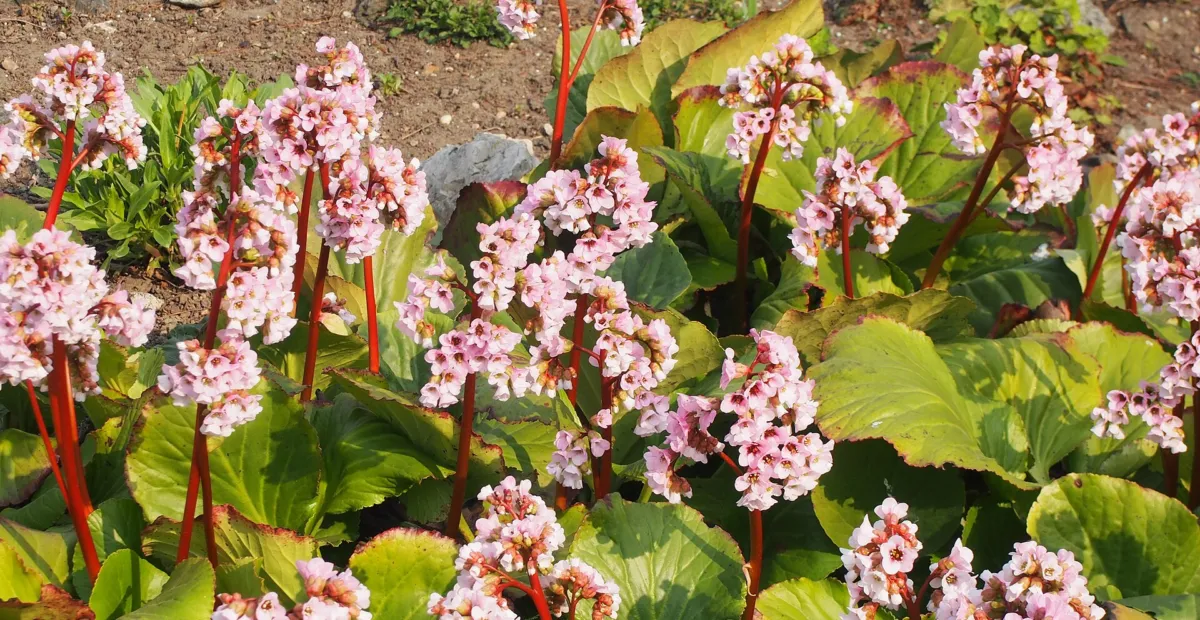
The plant is recognized by thick, leathery, glossy leaves that are broadly rounded to heart-shaped and held in a basal rosette. Pink flowers rise above the foliage on sturdy, leafless stalks. The fleshy leaves and rhizomatous crown help distinguish it from thinner-leaved shade perennials; leaves may take on reddish or bronze tones during cold weather.
Flowering
Flowering is among the earliest seasonal displays for a hardy garden perennial, usually beginning in late winter or early spring in warmer parts of the United States and later in colder regions. Upright stalks carry branched clusters of pink, five-petaled flowers above the evergreen foliage. Flowering can be reduced by severe late frosts, deep shade, drought, or crowded clumps.
Pollination and visitors
The open, clustered flowers are insect-pollinated and may be visited by small bees, hoverflies, and other early-season insects when weather permits. Species-level pollinator documentation for Bergenia crassifolia in the United States is limited, so no particular insect species is assigned here.
Bergenia crassifolia photos
Click any photo for a larger view. Source, author and license are shown separately.
Diseases and pests
Diseases
Poor drainage can promote crown or rhizome rot. Prevent problems by planting at crown level, avoiding standing water, and improving compact soil before planting. Remove damaged tissue and fallen debris, improve air circulation, and avoid overhead irrigation when foliage remains wet for long periods. Treat only after confirming the disease and follow the product label.
Pests
Slugs and snails may chew the broad leaves, particularly in damp, shaded sites. Inspect plants at night, remove hiding places, and use barriers or labeled controls when needed. Watch for general sap-feeding pests on stressed plants, but avoid routine insecticide use during bloom and preserve visiting insects.
Related diseases and pests
Only Plant Doctor profiles whose host data indicate this plant may be affected are shown here.

Toxicity and pollen
Reliable, species-specific human and companion-animal toxicity information was not located in the authoritative sources reviewed. Do not assume that the plant is edible because some regional sources report traditional uses. Prevent children and pets from chewing ornamental plants, and seek medical or veterinary advice after ingestion or if symptoms occur.
- Typical season
- Late winter to spring during flowering
- Pollination / pollen
- Insect-dispersed pollen
Bergenia crassifolia produces pollen in its flowers, but reliable measurements of airborne pollen abundance and clinical allergy relevance were not located. Because the flowers are insect-pollinated, airborne dispersal may be limited compared with wind-pollinated plants, but insect pollination does not prove zero allergy risk. Sensitive individuals should avoid handling flowers if symptoms occur.
Native habitat
In its native range, Bergenia crassifolia occurs across temperate parts of Siberia and Central Asia through northern China and North Korea. It is associated with rocky slopes, forest margins, crevices, and other cool sites where moisture is available but drainage is good. The plant is adapted to cold winters, seasonal temperature variation, and soils ranging from mineral substrates to humus-rich woodland ground.
Interesting fact
The species is evergreen in many gardens and can develop bronze or reddish winter foliage. Its thick leaves are adapted to seasonal cold and moisture stress. The genus name Bergenia honors the German botanist and physician Karl August von Bergen. Bergenia crassifolia has also been treated under several historical synonyms, including Bergenia cordifolia.
Frequently asked questions (FAQ)
The most relevant questions about this plant, with short and direct answers.
🌱Quick care
What is Bergenia crassifolia commonly called?⌄
Bergenia crassifolia is commonly called Elephant's-ears in English. It is also known by names such as pigsqueak, leather bergenia, and winter-blooming bergenia, but Elephant's-ears is the preferred common name here.
Is Bergenia crassifolia evergreen?⌄
Yes, Bergenia crassifolia is generally an evergreen perennial. Its leathery leaves may turn reddish in cold weather or suffer some winter damage in exposed locations, then recover in spring.
How large does Bergenia crassifolia get?⌄
Bergenia crassifolia typically forms a clump about 12 to 20 inches tall and wide, although mature size varies with the growing conditions and cultivar. Flower stems rise above the foliage during the blooming period.
How fast does Bergenia crassifolia spread?⌄
Bergenia crassifolia spreads slowly by thick rhizomes and gradually forms broad clumps. It is generally regarded as a well-behaved, non-invasive ground cover when grown in suitable conditions.
🌤️Environment and placement
How much light does Bergenia crassifolia need?⌄
Bergenia crassifolia grows best in partial shade with bright, indirect light or gentle morning sun. It can tolerate more sun where summers are mild and the soil stays moist, but hot afternoon sun may scorch the leaves.
Can Bergenia crassifolia grow in full shade?⌄
Yes, Bergenia crassifolia can grow in full or deep shade, but it may produce fewer flowers. Some filtered light improves flowering while protecting the foliage from excessive heat.
What soil is best for Bergenia crassifolia?⌄
Use rich, moist, well-drained soil with plenty of organic matter. The plant tolerates a range of soil pH and textures, but it performs poorly in soil that stays waterlogged or becomes extremely dry.
Is Bergenia crassifolia cold hardy?⌄
Yes, Bergenia crassifolia is cold hardy and is suited to many temperate U.S. gardens. Severe exposure can damage or remove foliage, while late freezes may injure early flower buds.
💧Care and problems
How much water does Bergenia crassifolia need?⌄
Bergenia crassifolia needs moderate, consistent moisture, especially while establishing and during hot, dry weather. Water when the soil surface begins to dry, but do not leave the roots in standing water.
Is Bergenia crassifolia drought tolerant?⌄
Established Bergenia crassifolia can tolerate short periods of dryness, but it is not reliably drought tolerant in hot climates. Mulch and partial shade help keep the root zone evenly moist.
Does Bergenia crassifolia need fertilizer?⌄
Bergenia crassifolia usually needs little or no fertilizer when planted in reasonably fertile soil. An annual spring mulch of compost is generally more useful than heavy feeding, which can encourage weak growth.
Why are Bergenia crassifolia leaves turning red?⌄
Red or burgundy winter coloring is often a normal response to cold temperatures and exposure. If the leaves are also scorched, collapsed, or dry, check for excessive sun, drought, or winter damage.
What pests affect Bergenia crassifolia?⌄
Slugs and snails may chew Bergenia crassifolia foliage, and vine weevils can sometimes damage plants, especially in containers. Remove hiding places, avoid excessive moisture, and monitor plants regularly for feeding damage.
What diseases affect Bergenia crassifolia?⌄
Bergenia crassifolia can develop leaf spot, particularly where foliage stays wet and air circulation is poor. Remove affected leaves, water at the soil line, and thin congested growth to improve airflow.
Is Bergenia crassifolia deer resistant?⌄
Bergenia crassifolia is often considered relatively resistant to deer and rabbits because of its thick, leathery foliage, but no ornamental plant is completely browse-proof. Hungry wildlife may still eat it, especially when preferred food is scarce.
🪴Planting and repotting
Where should I plant Bergenia crassifolia?⌄
Plant Bergenia crassifolia in partial shade beneath trees or shrubs, along shaded borders, or as a ground cover in a bed with rich, moist soil. Avoid locations with intense afternoon heat or persistent winter saturation.
Can Bergenia crassifolia grow under trees?⌄
Yes, Bergenia crassifolia is well suited to planting beneath trees and shrubs. Choose a site with filtered light, improve compacted soil with organic matter, and provide supplemental water if tree roots make the soil dry.
When should I plant Bergenia crassifolia?⌄
Plant Bergenia crassifolia in fall or spring when the soil is workable. Fall planting gives the roots time to establish before late-winter or spring flowering, while spring planting is useful in areas with harsh winters.
How do I plant Bergenia crassifolia in the ground?⌄
Set Bergenia crassifolia at the same depth it was growing in its container, spacing plants about 18 to 24 inches apart. Firm the soil gently, water thoroughly, and apply a light organic mulch without covering the crown.
Can Bergenia crassifolia grow in containers?⌄
Yes, Bergenia crassifolia grows well in a container with drainage holes and a moisture-retentive but well-drained potting mix. Choose a wide, stable pot because the plant spreads into a clump rather than forming a deep root system.
✂️Propagation and pruning
How do I prune Bergenia crassifolia?⌄
Bergenia crassifolia needs minimal pruning. Remove blackened, damaged, or unsightly leaves and cut faded flower stems with clean pruners, leaving healthy foliage in place.
How do I divide Bergenia crassifolia?⌄
Divide Bergenia crassifolia in fall or in spring after flowering by lifting the clump and separating sections of rhizome that include roots and a leaf rosette. Replant the divisions promptly and water them well.
Can Bergenia crassifolia be grown from seed?⌄
Yes, Bergenia crassifolia can be grown from seed, but this method is slower and less predictable than division. The seeds need light and a period of cold, so sow them on the soil surface rather than covering them deeply.
How long does Bergenia crassifolia take to flower from seed?⌄
Seed-grown Bergenia crassifolia commonly takes about two years to flower under good conditions. Plants grown by division generally establish and bloom sooner than seedlings.
⚠️Toxicity and safety
Is Bergenia crassifolia toxic to dogs or cats?⌄
The toxicity of Bergenia crassifolia to dogs, cats, and other pets is undocumented. Prevent pets from chewing ornamental plants, and contact a veterinarian or poison-control service if ingestion causes concerning symptoms.
Is Bergenia crassifolia edible or safe to use as tea?⌄
Bergenia crassifolia has traditional references as a tea plant, but home gardeners should not consume it without reliable plant identification and safety guidance. Toxicity and appropriate preparation are not sufficiently established for casual household use.
🌸Flowering and special interest
Why is my Bergenia crassifolia not flowering?⌄
Bergenia crassifolia may fail to flower because of deep shade, drought stress, overcrowding, or a recently divided clump. Move or thin the plant only when appropriate, and keep it evenly moist while providing some filtered light.
When does Bergenia crassifolia bloom?⌄
Bergenia crassifolia typically blooms from late winter into spring, earlier than many other Bergenia species. Flowering time varies with cultivar, climate, and winter temperatures.
What color are Bergenia crassifolia flowers?⌄
Bergenia crassifolia usually produces nodding pink to purple-pink flowers on sturdy branched stems. Flower color can vary among selections, and early blooms may be damaged by a late freeze.
Should I remove Bergenia crassifolia flowers after they fade?⌄
Yes, removing faded flower stems improves the plant’s appearance and prevents spent stalks from remaining in the clump. Cut the stem near its base after flowering, taking care not to damage healthy leaves.
Is Bergenia crassifolia good for pollinators?⌄
Yes, Bergenia crassifolia can provide an early nectar source for bees because it flowers from late winter into spring. Its value is greatest in gardens where few other plants are blooming at that time.
Similar plants
 Azure Monkshood (Aconitum carmichaelii) care guideAconitum carmichaelii
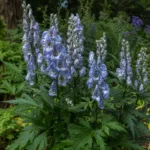 Monkshood (Aconitum ‘Stainless Steel’)Aconitum 'Stainless Steel'
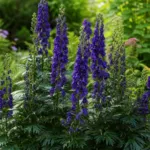 Monkshood (Aconitum ‘Bressingham Spire’)Aconitum 'Bressingham Spire'
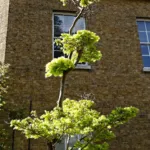 Golden full moon maple (Acer shirasawanum ‘Aureum’)Acer shirasawanum 'Aureum'
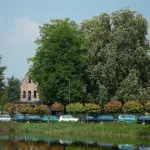 Globosum (Acer platanoides ‘Globosum’)Acer platanoides 'Globosum'
 Striped maple (Acer pensylvanicum) care guideAcer pensylvanicum