
 AI-generated illustration
Papaya (Carica papaya) short overview
Papaya is a fast-growing, short-lived tropical fruit plant with a soft, usually single trunk and a crown of deeply lobed leaves. Its creamy yellow flowers may be male, female, or bisexual, so fruiting depends on plant sex and pollination. In the United States, it is best suited to frost-free regions such as southern Florida and Hawaii, while gardeners elsewhere can grow it in containers and overwinter it indoors.
Taxonomic classification
Papaya (Carica papaya) care guide
Light and placement
Give papaya a full-sun position with at least 6–8 hours of direct light, ideally against a south- or southeast-facing wall in marginal climates. Shelter it from strong wind, which can tear leaves and topple fruiting plants. Sparse, stretched growth and small leaves indicate insufficient light; scorched leaves, persistent wilting, or bleached patches suggest excessive heat, drought, or root stress rather than a need for shade.
Watering and humidity
Water deeply whenever the upper inch of soil begins to dry, keeping the root zone evenly moist but never waterlogged. Increase frequency during hot weather, flowering, and fruit development; reduce it somewhat during cool indoor periods. Excellent drainage is essential because saturated soil encourages root disease. Humidity is useful indoors, but air movement should remain good to limit fungal problems.
Soil and growing medium
Use a loose, fertile medium that drains rapidly yet retains some moisture. Sandy loam enriched with compost is suitable in the ground; containers need a high-quality potting mix amended for drainage rather than heavy garden soil. Papaya tolerates mildly acidic through slightly alkaline conditions, but compacted, salty, or poorly drained soil can quickly reduce growth and fruiting.
Feeding
Feed actively growing plants regularly with a complete fertilizer containing nitrogen, phosphorus, potassium, and micronutrients. Apply according to the product label, using lighter applications for containers, and supplement depleted soil with compost. Fertilize after watering rather than onto bone-dry roots. Do not push lush growth with heavy nitrogen late in the season or when the plant is cold, drought-stressed, or recently transplanted.
Growth and habit
Papaya grows rapidly from seed and usually forms one soft, succulent trunk rather than woody branching. Leaves and fruit are concentrated near the crown and upper trunk, while older lower leaves naturally yellow and drop. Plants are short-lived compared with true trees and may decline after several productive years. Wind protection, balanced feeding, and replacement seedlings help maintain a continuous crop.
Planting and repotting
Plant after frost danger in a sunny, wind-protected site with fast drainage. Set transplants no deeper than they grew in their container, because buried stems are vulnerable to rot. Space plants generously enough for airflow and maintenance. In uncertain climates, start several seedlings so at least one suitable sex type remains for fruit production, then protect young plants from cold and drying winds.
Move container plants into progressively larger pots when roots fill the current container, preferably during warm active growth. Use a sturdy, well-drained pot with drainage holes and avoid disturbing the fragile root system more than necessary. Do not bury the trunk deeper during repotting. A heavy container or support may be needed because the tall, shallow-rooted plant can become unstable.
Propagation and pruning
Propagation
Seed is the standard method. Clean seeds from fully ripe fruit, remove the gelatinous coating, rinse, and sow fresh seed about 1/4 inch deep in a warm, sterile medium. Germination commonly takes roughly 2–3 weeks under warm conditions. Grow several seedlings when sex is unknown. Tissue culture and rooted cuttings exist but are less practical for home growers.
Pruning
Papaya normally needs little pruning. Remove yellow, damaged, or diseased leaves with clean tools, cutting the petiole close to the trunk without injuring growing tissue. Remove fallen debris and overcrowded lower growth to improve airflow. If cold kills the crown, wait until damage is clear before cutting back; a severely damaged plant may not recover because it generally has limited trunk branching.
Overwintering
Papaya cannot tolerate freezing temperatures. In Zones colder than its outdoor range, grow it in a container and move it indoors before nights approach 40°F. Place it in the brightest available window or under a strong grow light, reduce watering while growth slows, and keep it away from cold drafts. Inspect for spider mites and whiteflies before bringing it inside.
Uses
The ripe fruit is eaten fresh, chilled, or used in salads and beverages; firm green fruit is cooked as a vegetable. Papaya is also a bold tropical accent for frost-free landscapes and a productive container plant where summers are hot. Unripe fruit and other tissues contain latex and papain, so culinary use should follow established food-preparation practices rather than unsupported medicinal claims.
Appearance
The plant has a smooth, green to gray-green, often hollow-looking trunk marked by leaf scars and topped by a crown of very large, deeply palmately lobed leaves. Milky latex appears when leaves, stems, or unripe fruit are cut. Fruits hang close to the trunk beneath the leaf canopy and vary from pear-shaped to elongated or rounded depending on plant type and cultivar.
Flowering
Papaya is polygamous: plants may be male, female, or bisexual. Male flowers are smaller, tubular, and borne on branched, hanging inflorescences; female flowers are larger and usually close to the trunk; bisexual flowers combine functional stamens and carpels. Warm conditions support flowering, while cool temperatures, drought, shade, or excessive heat can reduce flower production or fruit set.
Pollination and visitors
Papaya flowers may be visited by honey bees, wasps, midges, thrips, hoverflies, and butterflies. Insect visitation can contribute to pollen transfer, although bisexual plants may self-pollinate and wind may also assist. Fruit production is strongly affected by whether plants are female, male, or bisexual and by the availability of compatible pollen.
Carica papaya photos
Click any photo for a larger view. Source, author and license are shown separately.
Diseases and pests
Diseases
Papaya ringspot virus can cause mottling, leaf distortion, stunting, and poor fruit production; infected plants have no reliable curative treatment and should be removed to reduce spread. Prevent disease with clean planting material, vector management, good airflow, and sanitation. Avoid overhead irrigation and saturated soil, which favor root and collar rots. Remove badly affected leaves or plants promptly.
Pests
Common problems include papaya whitefly, aphids, mites, fruit flies, and other sap-feeding or fruit-infesting insects. Check leaf undersides, new growth, and developing fruit regularly. Use strong water sprays for light infestations, remove heavily affected tissue, improve airflow, and use insecticidal soap or horticultural oil only as labeled. Bagging developing fruit can reduce fruit-fly damage; avoid spraying open flowers unnecessarily.
Related diseases and pests
Only Plant Doctor profiles whose host data indicate this plant may be affected are shown here.
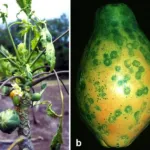 DiseasePapaya ringspot virusPapaya ringspot virus
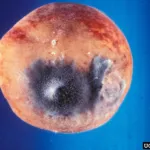 DiseaseRhizopus soft rotRhizopus stolonifer
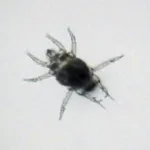 PestBroad mitePolyphagotarsonemus latus (Banks)
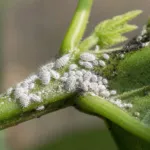 PestCotton mealybugPhenacoccus solenopsis Tinsley
 PestCitrus red mitePanonychus citri
 DiseaseFusarium solani species complex: root, crown and fruit rotsFusarium solani species complex (FSSC); older reports may use Fusarium solani sensu lato
 PestMediterranean fruit flyCeratitis capitata (Wiedemann)
 Environmental stressChilling injury
Toxicity and pollen
Ripe papaya fruit is a food crop, but the milky latex in unripe fruit and other plant tissues contains papain and related proteolytic compounds that can irritate skin, eyes, and the mouth. Handling or cutting green fruit may cause dermatitis in sensitive people. Wear gloves when pruning or harvesting unripe fruit, keep sap away from eyes, and do not treat the latex as a harmless household substance.
- Typical season
- During flowering; potentially year-round in warm U.S. growing areas
- Pollination / pollen
- Light, readily released pollen from male and bisexual flowers; transfer occurs by insects and sometimes wind.
Papaya produces pollen in male and bisexual flowers. Although flowers are commonly visited by insects, papaya pollen can also be moved by air, and insect pollination does not guarantee zero allergy relevance. Sensitive gardeners should avoid direct exposure to abundant male flowers, wear gloves when handling plant material, and consider a mask during heavy flowering if symptoms occur.
Native habitat
The species is associated with wet tropical environments from southern Mexico through northern South America. It performs best in warm, humid climates with regular moisture, fertile but freely draining soils, and little or no frost. Cultivated plants can escape in disturbed tropical areas, roadsides, and other human-altered habitats.
Interesting fact
Papaya fruit is botanically a berry with a hollow seed cavity. The plant is not a true tree in the usual woody sense; its trunk is soft and semi-herbaceous. Plant sex is genetically determined but flower expression can vary with temperature, day length, and soil moisture. Some bisexual plants can produce fruit without a separate male plant.
Frequently asked questions (FAQ)
The most relevant questions about this plant, with short and direct answers.
🌱Quick care
What is the best light for a papaya plant?⌄
Give papaya full sun, ideally at least 6 hours of direct sunlight daily. Strong light supports vigorous growth, flowering, and fruit production.
How often should I water papaya?⌄
Water papaya regularly to keep the soil consistently moist but never waterlogged. Sandy soils may need watering every day or every other day during hot, dry weather, while loams may need water every 3 to 4 days.
Can papaya grow in a pot?⌄
Yes, papaya can grow in a large container with excellent drainage, but it may remain smaller and produce less fruit than a plant grown in the ground. Choose a heavy pot and move it indoors or under protection before freezing temperatures.
How fast does papaya grow?⌄
Papaya grows rapidly in warm conditions and may flower within about 4 to 6 months from planting. Fruit can develop in roughly 7 to 12 months when the plant receives sufficient heat, light, water, and nutrients.
🌤️Environment and placement
What USDA hardiness zones are suitable for papaya?⌄
Papaya is best suited to USDA Hardiness Zones 9b through 11 in the United States. In colder zones, grow it as a container plant or seasonal annual and protect it from cold.
What temperature is too cold for papaya?⌄
Papaya is damaged by freezing temperatures and may be killed below about 31°F. Growth slows substantially below 60°F, and prolonged cool weather can reduce flowering and fruit quality.
Can papaya survive frost?⌄
No, papaya is frost-tender and generally cannot survive a hard freeze. Cover small plants during brief cold events and move container plants indoors or into a heated, bright space before temperatures reach freezing.
Where should I plant papaya outdoors?⌄
Plant papaya in the warmest full-sun location that does not flood, preferably with protection from strong winds. A south or southeast side of a building can provide useful warmth in marginal U.S. climates.
Does papaya need protection from wind?⌄
Yes, papaya is sensitive to constant or strong winds, and fruit-laden plants can topple or break. Plant it near a windbreak without shading it excessively, and stake young or heavily loaded plants when needed.
What type of soil is best for papaya?⌄
Use well-drained sandy loam or loam that does not remain wet after watering or rain. Papaya tolerates several soil types, but poor drainage and standing water greatly increase the risk of root problems.
Can papaya grow in clay soil?⌄
Papaya can grow in clay soil only when drainage is improved substantially. Use a raised bed or amend the planting area broadly rather than creating a small, water-trapping pocket around the roots.
💧Care and problems
How do I fertilize a papaya plant?⌄
Fertilize papaya with small, regular applications of a complete fertilizer rather than one heavy dose. Young plants commonly benefit from feeding about every two weeks, while established plants are often fed every other month according to soil and plant growth.
Why are my papaya leaves turning yellow?⌄
Yellow papaya leaves can result from overwatering, poor drainage, nutrient deficiency, cold stress, or normal aging of lower leaves. Check the roots and soil moisture first, then assess light, temperature, and fertilization.
Why is my papaya plant dropping flowers?⌄
Papaya may drop flowers because of drought, cool temperatures, excessive heat, shade, or inadequate nutrition. Keep moisture consistent and provide warm, sunny conditions to support flowering and fruit set.
Why is my papaya tree not producing fruit?⌄
A papaya may fail to fruit because it is male, too young, exposed to cold or shade, drought-stressed, or lacking a compatible flowering type for pollination. Female plants generally need pollen from a male or bisexual plant, while bisexual plants can often fruit alone.
How can I tell whether a papaya plant is male or female?⌄
Male papayas produce long, branched flower clusters, while female plants produce larger flowers close to the trunk. Bisexual plants usually have flowers near the trunk and are commonly preferred because one plant can often produce fruit without a separate male.
How much space does papaya need?⌄
Space papaya plants about 7 to 12 feet apart and keep them away from buildings, power lines, and competing trees. Good spacing improves sunlight, airflow, watering, and access for harvesting.
Should I prune papaya?⌄
Do not routinely cut off the main growing tip because papaya fruits best from a single central stem. Remove dead leaves, and if side shoots develop after damage, retain one or two strong shoots and remove the rest.
Why are my papaya leaves curling or distorted?⌄
Leaf curling or distortion may be caused by insects, viral disease, herbicide injury, nutrient problems, or cold stress. Inspect the undersides of leaves and new growth, isolate symptomatic plants, and contact a local Extension office if a virus is suspected.
How do I protect papaya from root rot?⌄
Prevent root rot by planting in sharply drained soil, avoiding standing water, and watering deeply without keeping the root zone saturated. Raised beds are useful where native soil drains slowly.
What are common papaya pests and diseases?⌄
Common problems include aphids, mites, whiteflies, nematodes, anthracnose, powdery mildew, and papaya ringspot virus. Remove severely diseased plants, keep fallen debris cleared, and use current recommendations from your state Extension service for treatment.
🪴Planting and repotting
When is the best time to plant papaya outdoors?⌄
Plant papaya outdoors after the danger of frost has passed and soil temperatures are consistently warm. In much of the United States, this means spring planting only where the warm season is long enough for fruit development.
How do I plant a papaya tree in the ground?⌄
Choose a healthy, non-root-bound plant and set it in a full-sun site with excellent drainage at about the same depth it grew in its container. Water thoroughly after planting and apply 2 to 6 inches of mulch while keeping mulch away from the trunk.
Can I transplant a papaya tree?⌄
Papaya can be transplanted when young, but its shallow, sensitive root system makes disturbance risky. Move container-grown plants carefully, avoid damaging the roots, and transplant during warm weather while maintaining steady moisture.
How deep should I plant papaya?⌄
Plant papaya no deeper than it was growing in its nursery container. Deep planting or burying the trunk can encourage stem and root problems, especially in wet soil.
✂️Propagation and pruning
How do I grow papaya from seed?⌄
Remove seeds from a fully ripe papaya, wash away the gelatinous coating, dry them briefly out of direct sun, and sow them in a warm, sterile potting medium. Germination commonly takes about 2 to 3 weeks.
Can I grow papaya from store-bought fruit seeds?⌄
Yes, seeds from ripe grocery-store papayas can germinate and produce plants, but the seedlings may vary in sex, fruit quality, and disease resistance. Plant several seeds and thin them later because not every seedling will be a productive type.
How many papaya seeds should I plant together?⌄
Sow two to four seeds in each container or planting spot, then keep the most vigorous seedling after emergence. Growing two or three plants initially can improve the chance of obtaining a fruiting female or bisexual plant.
Can papaya be grown from cuttings?⌄
Papaya can be propagated from cuttings or side shoots, but this method is less common than growing from seed and may require inducing branches first. Seed propagation is usually simpler for home gardeners.
Do papaya plants need a male plant to produce fruit?⌄
Not always: bisexual papaya plants can commonly produce fruit with their own flowers, but female plants usually require pollen from a male or bisexual plant. Because seed-grown plants vary, growing several seedlings is a practical way to improve fruiting reliability.
⚠️Toxicity and safety
Are papaya leaves and stems toxic to people or pets?⌄
Papaya leaves, stems, and unripe fruit contain latex and other compounds that may irritate skin, eyes, or the digestive system. Wear gloves when handling cut tissues and keep plant material away from children and pets.
Can papaya latex cause skin irritation?⌄
Yes, the milky latex from papaya stems, leaves, and unripe fruit can irritate sensitive skin and eyes. Avoid direct contact, wear gloves when pruning or harvesting green fruit, and wash exposed skin promptly.
Is green papaya safe to eat?⌄
Green papaya is used as a cooked food, but it contains more latex than ripe fruit and may irritate some people. Handle it carefully, cook it appropriately, and avoid it if you have a known latex or papaya sensitivity.
🌸Flowering and special interest
How long does it take papaya to flower?⌄
Papaya may begin flowering about 4 to 6 months after planting under warm, sunny conditions. Cold temperatures, drought, shade, and poor nutrition can delay flowering or cause flowers to drop.
How long does it take papaya to produce fruit?⌄
Papaya may produce harvestable fruit about 7 to 12 months after planting when temperatures remain warm and the plant receives adequate water and nutrients. Timing varies with cultivar, plant sex, pollination, and local weather.
How do I know when papaya fruit is ripe?⌄
A papaya is usually ready to harvest when the skin begins changing from green to yellow or orange and the fruit gives slightly to gentle pressure. Fruit picked at the color-break stage can continue ripening indoors.
Similar plants
 Azure Monkshood (Aconitum carmichaelii) care guideAconitum carmichaelii
 Monkshood (Aconitum ‘Stainless Steel’)Aconitum 'Stainless Steel'
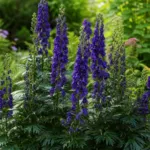 Monkshood (Aconitum ‘Bressingham Spire’)Aconitum 'Bressingham Spire'
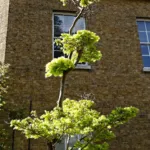 Golden full moon maple (Acer shirasawanum ‘Aureum’)Acer shirasawanum 'Aureum'
 Globosum (Acer platanoides ‘Globosum’)Acer platanoides 'Globosum'
 Striped maple (Acer pensylvanicum) care guideAcer pensylvanicum