
Papaya ringspot virus
Papaya ringspot virusPapaya ringspot virus overview
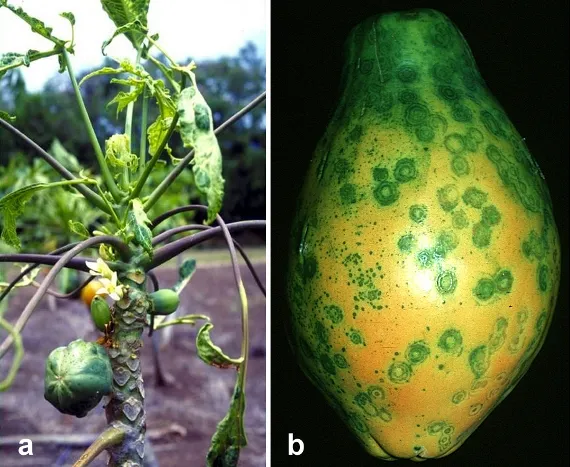
Papaya ringspot virus is a destructive viral disease of papaya and cucurbits. In papaya, it causes yellow mosaic, vein clearing, distorted or shoestring-like leaves, water-soaked streaks on petioles and trunks, stunting, and ring-marked or malformed fruit. Aphids spread the virus rapidly during brief feeding probes, and infected plants cannot be cured, so prevention, sanitation, resistant cultivars, and early removal are central to management.
Typical conditions
Overview
Papaya ringspot virus is one of the most damaging viral diseases of papaya in tropical and subtropical production regions, including Hawaii, southern Florida, Puerto Rico and other warm US growing areas. It also affects cucurbit crops, particularly where PRSV-W or cucurbit-infecting PRSV strains occur.
Symptoms and severity vary among virus isolates, cultivars, plant age and mixed infections. Young papaya plants infected early may remain severely stunted and fail to produce an economical crop. A laboratory or extension diagnostic service is recommended because mosaic and distortion can resemble other viruses, herbicide injury, mite injury or nutrient disorders.
Symptoms and identification
- Papaya leaves: yellow-green mosaic, chlorosis, vein clearing, leaf distortion, reduced leaf size and deep narrowing of lobes.
- Young growth: severe infections may produce shoestring-like or threadlike leaves, brittle foliage and a progressively smaller canopy.
- Petioles and trunk: water-soaked or oily-looking streaks may develop on petioles and the upper trunk.
- Fruit: infected papaya may develop dark green rings or ring-like markings, bumps, malformation and reduced market quality.
- Cucurbits: intense mosaic, leaf narrowing, distortion, stunting and malformed, knobby or color-broken fruit may occur.
Severe isolates can cause systemic necrosis, wilting or plant death, but these symptoms are not present in every infection.
Causes and spread
PRSV is spread primarily by aphids, including several species, in a nonpersistent transmission process. An aphid can acquire virus during a brief probe on an infected plant and transmit it rapidly while probing another plant; the virus does not multiply in the aphid and is retained only briefly.
Spread is favored by proximity to infected papaya, cucurbit crops or volunteer plants, winged aphid movement, and repeated planting of susceptible hosts. Mechanical transfer through contaminated hands, tools or sap contact is possible, although aphid transmission is the principal field pathway. Reliable extension and pathology references generally do not consider PRSV seed-borne in papaya or cucurbits.
Life cycle and persistence
The virus survives and multiplies in infected living host plants rather than passing through a fungal spore or insect developmental cycle. Aphids acquire PRSV from infected foliage, then transmit it during short feeding probes on healthy plants. Newly infected plants become sources for additional aphid-mediated spread as virus levels increase systemically.
In warm climates, disease development and orchard spread can be rapid. Plants infected at a young stage are usually affected most severely. PRSV-P and PRSV-W are biologically distinct host-range types: PRSV-P infects papaya and cucurbits, while PRSV-W is associated mainly with cucurbits.
Treatment and control
There is no curative treatment that removes PRSV from an infected plant. Fungicides, bactericides and general plant tonics do not cure viral infection. Remove and destroy symptomatic papaya plants, particularly young plants with obvious systemic symptoms, and remove crop debris and volunteer hosts that could serve as virus reservoirs.
For cucurbits, remove severely infected plants when practical and prioritize early planting, resistant or tolerant varieties where available, weed management and crop isolation. Aphid insecticides usually provide limited protection against nonpersistent viruses because transmission can occur before the insect is killed; broad-spectrum sprays may also disrupt beneficial insects. Manage aphids only as part of a broader IPM program and follow local extension guidance.
Low-impact and biological control
Organic and low-input management relies on exclusion and sanitation rather than attempting to cure infected plants. Use certified or verified clean planting material, resistant or tolerant cultivars when available, insect-exclusion netting for young plants, reflective mulch where suitable, weed and volunteer-host removal, prompt roguing, and dedicated or disinfected tools.
Conserve natural enemies of aphids and avoid unnecessary broad-spectrum insecticides. Products labeled for organic production may suppress aphids but generally cannot prevent all PRSV transmission because aphids transmit the virus during brief probes. Check the current OMRI status and the product label, and treat any spray as supplementary to sanitation and host-management measures.
Prevention
- Start with healthy, reputable nursery plants or tested seed and inspect transplants before planting.
- Use PRSV-resistant or tolerant cultivars where they are adapted and legally available. In Hawaii, resistant papaya cultivars have been important; resistance performance is region- and strain-dependent.
- Remove volunteer papaya, volunteer cucurbits and unmanaged host plants near production areas where practical.
- Scout new growth frequently and remove symptomatic plants promptly, especially in small plantings and young orchards.
- Do not move cuttings, transplants, tools or plant sap from suspect plants to healthy plants. Wash hands and disinfect tools between plants.
- Separate successive papaya plantings from older infected blocks and avoid maintaining overlapping susceptible papaya and cucurbit crops when feasible.
- Use insect-exclusion screening for valuable young plants where practical. Reflective mulches may reduce some aphid landing, but they are not a stand-alone control.
- Submit representative samples to a university plant clinic or qualified diagnostic laboratory when confirmation will affect removal or replanting decisions.
Interesting facts
- The name refers to conspicuous ring-like markings that can develop on infected papaya fruit.
- PRSV was historically confused with or grouped under names such as watermelon mosaic virus type 1; modern classification separates papaya-infecting PRSV-P from cucurbit-infecting PRSV-W.
- PRSV particles are flexuous, filamentous rods and the virus has a single positive-sense RNA genome.
- Papaya plants infected early may be permanently stunted, while plants infected later can sometimes continue producing fruit with reduced yield or quality.
- Virus-resistant papaya developed through genetic engineering helped restore production in Hawaii, but resistance and cultivar performance should be evaluated for the local virus population and regulatory setting.
No pesticide cures papaya ringspot virus. Use insecticides only when aphid management is justified within an integrated program and only products legally authorized for the specific crop and problem in the United States. Follow the current EPA-approved label, crop restrictions, preharvest interval, personal-protection requirements and state regulations. Because PRSV is transmitted nonpersistently, insecticide applications may not reliably prevent infection and should not replace resistant plants, sanitation or removal of infected hosts.
Affected plants
The plants below are linked to this problem by structured host-plant data. The list updates automatically as new plant profiles are added.
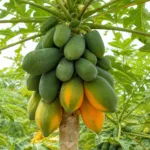 Papaya (Carica papaya) care guideCarica papaya
 Maroon cucumbe (Cucumis anguria) care guideCucumis anguria
 Horned Melon (Cucumis metuliferus) care guideCucumis metuliferus
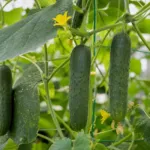 Cucumber (Cucumis sativus) care guideCucumis sativus
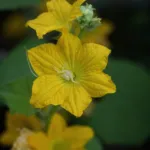 Melon or true melo (Cucumis melo) care guideCucumis melo
 Cantalupensis Group (Cucumis melo Cantalupensis Group)Cucumis melo Cantalupensis Group
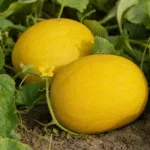 Mango melon (Cucumis melo Chito Group)Cucumis melo Chito Group
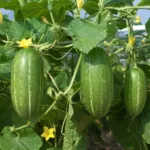 Oriental pickling melon (Cucumis melo Conomon Group)Cucumis melo Conomon Group
 Dudaim melon (Cucumis melo Dudaim Group)Cucumis melo Dudaim Group
 Flexuosus Group (Cucumis melo Flexuosus Group)Cucumis melo Flexuosus Group
 Inodorus Group (Cucumis melo Inodorus Group)Cucumis melo Inodorus Group
 Makuwa Group (Cucumis melo Makuwa Group)Cucumis melo Makuwa Group