

Cantalupensis Group (Cucumis melo Cantalupensis Group) short overview
Cucumis melo Cantalupensis Group is a horticultural group of warm-season melons cultivated for aromatic, usually orange-fleshed fruit. Plants form vigorous annual vines with separate male and female flowers and depend on insect pollination for reliable fruit set. Group members vary considerably in rind texture, fruit size, sweetness, and netting, so the group name describes a broad horticultural category rather than one uniform cultivar.
Taxonomic classification
Cantalupensis Group (Cucumis melo Cantalupensis Group) care guide
Light and placement
Give plants an unobstructed full-sun position with at least 8 hours of direct light, preferably with a south- or southwest-facing aspect. Strong light supports flowering, fruit sweetness, and compact internodes. Pale leaves, long weak stems, and few female flowers suggest inadequate light; scorched leaf margins usually indicate heat, drought, or root stress rather than excessive sunlight alone.
Watering and humidity
Water deeply at the root zone when the upper inch of soil begins to dry, keeping moisture even while vines establish and fruits enlarge. Drip irrigation or a soaker hose helps keep foliage dry. Reduce irrigation slightly as fruit approaches maturity, but do not allow severe drought; sudden swings between drought and excess water can reduce flavor and promote cracking. Humidity itself is not a primary requirement.
Soil and growing medium
Use fertile, loose soil that drains freely yet holds steady moisture. Incorporate finished compost before planting, but avoid dense, waterlogged clay and poorly drained depressions. Raised beds are useful in heavy soils. A slightly acidic to neutral reaction supports nutrient availability; excessive nitrogen can produce lush vines at the expense of fruiting.
Feeding
Mix mature compost into the planting area before sowing or transplanting. Once vines begin active growth, use a balanced vegetable fertilizer at the label rate; shift away from heavy nitrogen after flowering begins so foliage does not overwhelm fruit production. A light potassium-containing feed during fruit development may be useful where soil tests indicate a deficiency. Do not fertilize drought-stressed or waterlogged plants.
Growth and habit
Plants produce long, flexible vines that naturally ramble across the ground but can be trained up sturdy trellising. Trellised fruits need slings or other support as they enlarge. The group contains substantial variation in fruit size and rind character. Leave enough space for air movement and avoid crowding, because dense foliage can interfere with bee access and increase disease pressure.
Planting and repotting
Plant after cold weather has passed in a sunny, fertile bed. Harden indoor-grown transplants before setting them out, and use black plastic or organic mulch to warm soil and reduce moisture loss. Sow several seeds per hill and thin to the strongest seedling, or transplant one healthy plant per site. Keep flowers accessible to pollinators and avoid insecticide use during bloom.
Container culture is possible in a large container with drainage, but the plant is not well suited to repeated repotting. Use a container of at least 5 gallons for one plant, provide a strong trellis, and transplant only while young. Move the entire root ball with minimal disturbance and water thoroughly after planting.
Propagation and pruning
Propagation
Propagate by seed. Sow directly after soil warms, or start seeds indoors 3–4 weeks before outdoor planting in short-season regions. Use fresh, reputable seed and avoid damaging roots during transplanting. Different melon cultivars and groups can cross-pollinate, so isolate flowering plants if saving seed and maintaining a line’s characteristics.
Pruning
Routine pruning is usually unnecessary in ground-grown plants. Remove badly diseased leaves promptly and direct or thin vines only when needed for access, airflow, or trellis management. Excessive cutting can reduce leaf area needed for fruit filling. On a trellis, secure stems early and support developing melons with slings rather than removing large sections of vine.
Overwintering
This is a frost-tender annual and is normally finished by the first hard freeze. Do not expect outdoor overwintering in the United States. In cold climates, extend the season with row cover early and late, but remove covers during flowering so pollinators can reach the blossoms.
Uses
Primarily grown for fresh eating, salads, desserts, smoothies, and small-scale market production. Fruit is harvested ripe according to cultivar-specific cues, often including aroma, color change, and separation from the stem. The vines also provide nectar and pollen resources for flower-visiting insects. Fruit should be washed and handled hygienically before cutting.
Appearance
The vine has rough, angular stems with curling tendrils and broad, shallowly lobed leaves carried on long petioles. Male and female flowers are borne separately on the same plant. Developing fruits show group-specific variation, including ribbing, netting, warts, or scales; mature fruit is commonly aromatic and orange-fleshed, although green-fleshed forms also occur.
Flowering
Flowering begins in warm summer conditions, with male flowers generally appearing before female flowers. Female flowers are recognizable by the small swollen ovary beneath the corolla and are receptive for roughly one day. Successful fruit development depends on pollen transfer during that short receptive period; cool, wet, or windy weather can reduce activity and fruit set.
Pollination and visitors
Melons require insect visitors to move heavy pollen between separate male and female flowers. Honey bees are especially important in commercial and garden production, while bumblebees may also visit cucurbit flowers. More frequent visits generally improve seed development, fruit size, and fruit shape. Avoid insecticides harmful to bees during flowering.
Diseases and pests
Diseases
Common problems include powdery mildew, downy mildew, gummy stem blight, anthracnose, and fusarium wilt. Use resistant cultivars where available, rotate cucurbit crops, provide wide spacing and airflow, irrigate at the soil surface, and remove severely infected material. Avoid working among wet vines. Diagnose before treatment and follow the product label for any approved fungicide.
Pests
Watch for cucumber beetles, squash bugs, aphids, spider mites, and melon aphids. Inspect undersides of leaves and young shoots regularly, use floating row covers before flowering, hand-remove localized pests, and conserve beneficial insects. Manage weeds around plants and use insecticides only when necessary, avoiding applications to open flowers or active pollinators.
Toxicity and pollen
Cucumis melo is listed by the ASPCA as non-toxic to dogs and cats. The ripe fruit is a commonly eaten food, but any plant material can still cause individual digestive upset if consumed in large quantities. Wash fruit, discard spoiled portions, and seek professional advice after an unusual or symptomatic exposure.
- Typical season
- Summer flowering period
- Pollination / pollen
- Heavy, sticky pollen moved mainly by visiting insects
Melon pollen is relatively heavy and sticky and is primarily transferred by insects rather than dispersed widely by wind. This suggests limited airborne exposure compared with wind-pollinated plants, but it does not establish zero allergy risk. People with known melon or pollen-related reactions should use personal medical guidance when handling flowers, pollen, or fruit.
Native habitat
This is a cultivated annual crop rather than a naturally occurring wild habitat plant. It performs best in warm, sunny conditions with a long frost-free season, fertile soils, and reliable but well-drained moisture. Melon diversity is associated with domestication and selection across Africa and Eurasia, while modern Cantalupensis Group types are grown widely in temperate and subtropical agriculture.
Interesting fact
Cantalupensis is a horticultural group within Cucumis melo, not a separate species. Group members may have netted, warty, scaly, or ribbed rinds. Fruit commonly detaches from the peduncle at maturity, unlike many winter-melon types. The group includes important commercial melon material and has been used extensively in breeding.
Frequently asked questions (FAQ)
The most relevant questions about this plant, with short and direct answers.
🌱Quick care
What is Cucumis melo Cantalupensis Group?⌄
Cucumis melo Cantalupensis Group is a warm-season melon group commonly associated with true cantaloupes, including European types such as Charentais. Fruits are typically aromatic, sweet, and orange- or green-fleshed, with smooth, warty, ribbed, or lightly netted rinds depending on the cultivar.
Is Cucumis melo Cantalupensis Group the same as American cantaloupe?⌄
Not exactly. In the United States, the melon sold as cantaloupe is often a netted muskmelon from the Reticulatus Group, while Cantalupensis Group refers more precisely to true cantaloupes, which are often ribbed, warty, or less heavily netted.
Is Cucumis melo Cantalupensis Group easy to grow?⌄
It can be productive in warm, sunny conditions, but it needs a long frost-free season and consistent moisture. Gardeners in cooler areas often get better results by starting transplants indoors or growing plants under row cover, in a high tunnel, or in a greenhouse.
🌤️Environment and placement
How much sun does Cucumis melo Cantalupensis Group need?⌄
Provide full sun, ideally at least 8 hours of direct sunlight daily. Strong light promotes vigorous vines, flowering, fruit set, and better melon sweetness.
What temperature is best for growing Cucumis melo Cantalupensis Group?⌄
Warm conditions are best, with daytime temperatures around 75–90°F supporting strong growth. This frost-tender annual should be planted outdoors only after the danger of frost has passed and the soil has warmed.
Can Cucumis melo Cantalupensis Group grow in containers?⌄
Yes, but use a large container with excellent drainage, fertile potting mix, and room for the vine to spread or climb. A container of about 15–20 gallons is a practical minimum for one plant, although larger containers provide more stable moisture.
How much space does Cucumis melo Cantalupensis Group need?⌄
Allow roughly 3–6 feet between plants when vines grow along the ground, depending on the cultivar’s vigor. Trellising can save ground space, but developing melons may need slings or other support.
Can Cucumis melo Cantalupensis Group be grown vertically?⌄
Yes, vigorous vines can be trained on a sturdy trellis or support. Because the fruit can become heavy, support each developing melon with a breathable sling or netting rather than relying on the stem alone.
💧Care and problems
How often should I water Cucumis melo Cantalupensis Group?⌄
Keep the soil evenly and consistently moist, usually providing about 1–2 inches of water per week from rain or irrigation. Water at the soil surface and avoid prolonged drought followed by heavy watering, which can reduce fruit quality or cause splitting.
What soil is best for Cucumis melo Cantalupensis Group?⌄
Use fertile, well-drained loam enriched with compost or other organic matter. The soil should hold moisture without becoming waterlogged, because poorly drained conditions can contribute to root problems.
Should Cucumis melo Cantalupensis Group be fertilized?⌄
Yes, incorporate compost before planting and use a balanced vegetable fertilizer according to the product label. Avoid excessive nitrogen, which can produce lush vines and fewer fruits, and provide additional nutrition when vines begin flowering if growth is weak.
Why is my Cucumis melo Cantalupensis Group flowering but not producing melons?⌄
Poor fruit set is commonly caused by inadequate pollination, cool weather, heat stress, or irregular watering. Growers can hand-pollinate by transferring pollen from a male flower to a female flower in the morning when pollinators are inactive.
What pests commonly attack Cucumis melo Cantalupensis Group?⌄
Common pests include cucumber beetles, aphids, squash bugs, spider mites, and melon aphids. Monitor leaves and flowers frequently, use row covers before flowering where appropriate, and remove or treat infestations promptly with methods suitable for edible crops.
What diseases affect Cucumis melo Cantalupensis Group?⌄
Powdery mildew, downy mildew, Fusarium wilt, bacterial wilt, and other fungal or bacterial diseases can affect melons. Improve air circulation, water at the base, rotate cucurbit crops, remove severely diseased material, and choose resistant cultivars when available.
Do Cucumis melo Cantalupensis Group vines need pruning?⌄
Pruning is optional rather than essential. In small gardens, remove damaged growth and limit excessive side shoots if necessary, but heavy pruning can reduce the leaves needed to support fruit development.
🪴Planting and repotting
When should I plant Cucumis melo Cantalupensis Group outdoors?⌄
Plant outdoors after the last frost when soil temperatures are at least about 65°F and nighttime temperatures remain reliably warm. In much of the United States, this means late spring, but the exact timing depends on the local climate and cultivar days to maturity.
How deep should Cucumis melo Cantalupensis Group seeds be planted?⌄
Sow seeds about ½–¾ inch deep in warm soil. Plant several seeds per hill or cell, then thin to the strongest seedling after emergence to avoid root disturbance.
Can I start Cucumis melo Cantalupensis Group seeds indoors?⌄
Yes, start seeds indoors about 4–6 weeks before the average last frost date. Use biodegradable pots or handle the root ball carefully, because melon roots are sensitive to disturbance during transplanting.
How long does Cucumis melo Cantalupensis Group take to produce fruit?⌄
Many cultivars mature approximately 70–90 days from transplanting, although the exact period varies by cultivar and growing conditions. Cool weather, transplant shock, drought, and poor pollination can delay harvest.
✂️Propagation and pruning
How is Cucumis melo Cantalupensis Group propagated?⌄
It is normally propagated from seed. Seeds saved from hybrid fruit may not produce plants true to the parent, and cross-pollination between melon cultivars can affect the next generation.
Should I thin Cucumis melo Cantalupensis Group fruits?⌄
Thinning can improve the size and quality of the remaining melons, especially on vigorous plants carrying many fruits. Once young fruits are established, retain a manageable number for the plant’s size and growing season, removing damaged or poorly positioned fruit first.
⚠️Toxicity and safety
Is Cucumis melo Cantalupensis Group toxic to people or pets?⌄
The plant and ripe fruit are generally considered non-toxic, and the melons are grown as edible food crops. Wash the rind before cutting, refrigerate cut melon promptly, and discard fruit that is moldy, fermented, or visibly spoiled.
🌸Flowering and special interest
Does Cucumis melo Cantalupensis Group need bees for pollination?⌄
Yes, bees and other pollinators are important because separate male and female flowers are produced on the same plant. If fruit set is poor, hand-pollinate early in the morning by brushing pollen from a male flower onto the central stigma of a female flower.
How can I tell when Cucumis melo Cantalupensis Group melons are ripe?⌄
Ripeness is often indicated by strong aroma, a change in rind color, and the fruit beginning to separate from the stem, known as slipping. Because signs vary among cultivars, check the seed packet or cultivar guidance when available rather than relying on rind appearance alone.
Can Cucumis melo Cantalupensis Group melons ripen off the vine?⌄
They may soften after harvest, but flavor and sugar development are generally best when fruit is harvested at or very near full maturity. Harvesting too early can result in fruit that becomes softer without developing the expected sweetness or aroma.
Similar plants
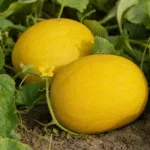 Mango melon (Cucumis melo Chito Group)Cucumis melo Chito Group
 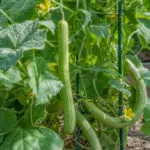 Flexuosus Group (Cucumis melo Flexuosus Group)Cucumis melo Flexuosus Group
  Momordica Group (Cucumis melo Momordica Group)Cucumis melo Momordica Group
 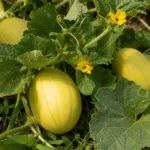 Makuwa Group (Cucumis melo Makuwa Group)Cucumis melo Makuwa Group
  Melon or true melo (Cucumis melo) care guideCucumis melo
 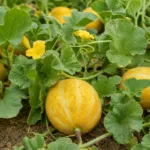 Dudaim melon (Cucumis melo Dudaim Group)Cucumis melo Dudaim Group