
Mediterranean fruit fly
Ceratitis capitata (Wiedemann)Mediterranean fruit fly overview
The Mediterranean fruit fly, Ceratitis capitata, is a highly polyphagous tephritid pest that attacks ripening fruit and some fruiting vegetables. Females pierce the skin to lay eggs, and legless larvae feed inside the pulp, causing soft rot, premature fruit drop, crop loss, and quarantine problems. In the United States, suspected mainland findings should be reported promptly because eradication and movement controls may apply.
Typical conditions
Overview
The Mediterranean fruit fly, commonly called medfly, is a small tephritid fly and one of the most damaging fruit pests worldwide. It is not a plant disease: the principal injury is caused by larvae developing inside fruit.
Adults are smaller than a house fly and have a dark thorax, tan abdomen with darker markings, and clear wings with brownish bands and spots. The white, legless larvae are usually found inside fruit rather than on exposed plant surfaces.
In the United States, medfly is established in Hawaii. California, Florida, and Texas are considered high-risk areas, and mainland detections can trigger official delimiting surveys, quarantine measures, sanitation requirements, and eradication treatments. A suspected infestation should be reported to the state plant health authority or USDA APHIS.
Symptoms and identification
- Tiny oviposition punctures or slightly sunken spots on ripening fruit.
- Internal brown discoloration, softening, fermentation, and decay that may spread through the pulp.
- White or cream-colored maggots inside fruit, often near the seed cavity or damaged tissue.
- Premature fruit drop and fruit becoming unmarketable or inedible.
- Larvae may leave fallen fruit and pupate in nearby soil, so visible adult flies may be absent when damage is discovered.
External symptoms can resemble damage from other fruit flies, mechanical injury, or secondary rots. Confirmation normally requires inspection of larvae, rearing, trapping, or official diagnostic testing.
Causes and spread
Spread occurs mainly when gravid females reach ripening host fruit and when infested fruit is transported. Eggs and larvae are concealed beneath the skin and inside pulp, allowing fruit to move unnoticed. Fallen fruit left beneath trees supports continued development, while larvae leaving fruit can pupate in nearby soil.
Long-distance introduction is strongly associated with movement of infested fresh produce, including fruit brought or mailed across state or international borders. Warm conditions, continuous fruit availability, dense plantings, and poor orchard sanitation increase local population growth.
Life cycle and persistence
Females use a slender ovipositor to pierce the skin of suitable ripening fruit and commonly deposit several eggs in a puncture. Eggs hatch inside the fruit, and larvae pass through three feeding stages while the pulp softens and decays. Mature larvae exit the fruit, often from fallen fruit, and enter the soil to pupate. Adults emerge, feed on carbohydrates and protein sources, mate, and begin another cycle.
At favorable temperatures, development can be rapid, and several generations may occur during a warm season. Temperature thresholds and generation timing vary by location; California phenology models should be treated as local decision-support tools and validated against field monitoring rather than used alone.
Treatment and control
There is no reliable curative treatment for fruit after larvae have entered the pulp. Remove and safely destroy infested fruit, sanitize beneath host plants, and preserve suspect material for official diagnosis only if instructed.
For confirmed or suspected mainland infestations, treatment is normally directed by federal and state plant-health authorities. Programs may include delimiting traps, host-fruit surveys, quarantine and movement controls, protein bait applications, targeted insecticide treatments, and sterile insect technique. Home gardeners should not attempt to eradicate a suspected introduction independently because uncoordinated actions can interfere with surveys and regulatory response.
Where medfly is already present and treatment is legally available for a crop, use a documented IPM program based on trap captures, fruit maturity, local recommendations, and the current product label. Rotate control modes where labels permit and protect pollinators and beneficial insects.
Low-impact and biological control
For a home garden or small orchard, organic and low-residue measures are most effective when combined as an integrated program:
- Inspect fruit frequently as it begins to color and harvest promptly; do not leave overripe fruit on trees.
- Collect fallen fruit every day or two, and destroy it by an approved method such as sealed double-bag disposal, cooking, freezing, or other locally authorized treatment. Do not compost suspect fruit unless the process reliably destroys larvae.
- Use exclusion netting where practical, with mesh fine enough to prevent adult flies from reaching fruit, and keep the enclosure closed.
- Use labeled protein-bait or attract-and-kill products, traps, or mass-trapping systems only when they are permitted for the crop and pest in the United States and applied according to the current label.
- Coordinate with neighbors because isolated sanitation is often inadequate when several properties contain host fruit.
- Do not move fresh fruit, cuttings, or plant material from a quarantine area unless official rules allow it.
Organic certification requirements and allowable inputs differ by operation and state. Biological and sterile-insect methods are generally most effective as coordinated area-wide programs rather than as a stand-alone backyard treatment.
Prevention
Prevent establishment by combining exclusion, sanitation, surveillance, and compliance with plant-health rules.
- Remove and destroy fallen, overripe, damaged, and unharvested host fruit throughout the fruiting season.
- Harvest frequently and avoid allowing fruit to soften fully on the plant when practical.
- Inspect purchased or received produce, especially fruit from areas with fruit-fly quarantines, and follow state and federal restrictions.
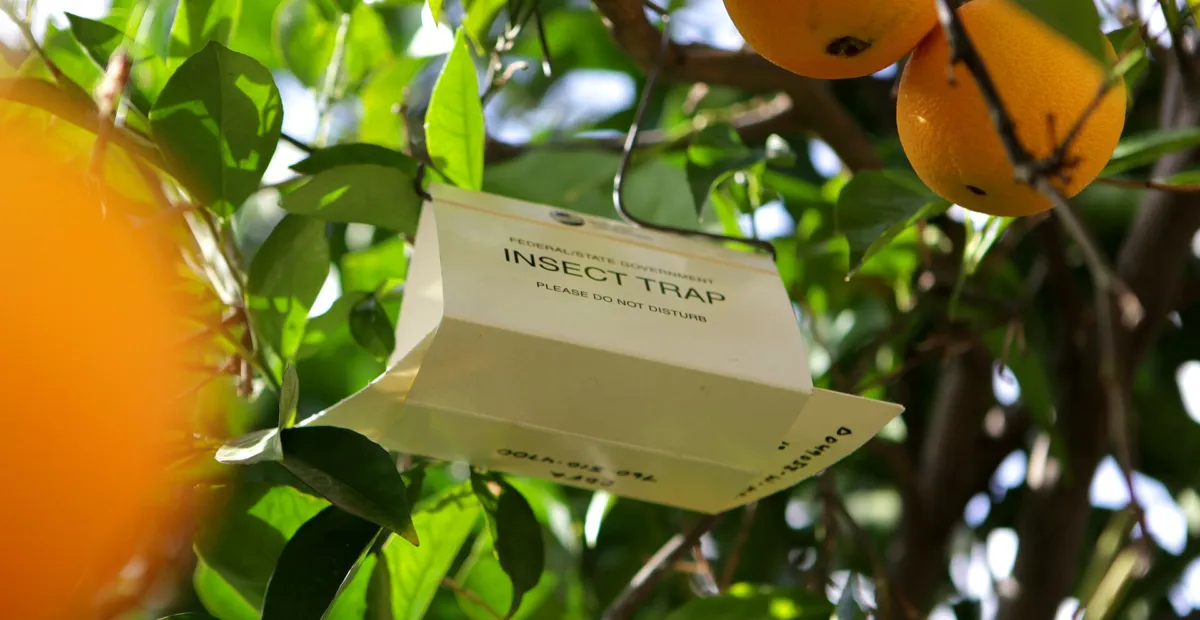
- Use approved monitoring traps in the canopy before fruit ripens and check them on a regular schedule.
- Keep suspect fruit on the property until local plant-health officials provide instructions.
- Report suspected medfly immediately to the state plant regulatory agency, USDA APHIS, or Cooperative Extension; do not mail or transport samples unless instructed.
Because medfly is a regulated pest, prevention depends on community and area-wide action as well as individual garden practices.
Interesting facts
- USDA host-compendium work records hundreds of suitable fruit-bearing host taxa, but regulatory host lists and biological host evidence are not identical.
- Medfly is unusually polyphagous and can use tropical, subtropical, and temperate fruit crops.
- Larval feeding is concealed, so fruit may appear acceptable externally until cut open.
- Area-wide programs may combine surveillance, sanitation, bait treatments, quarantine actions, and sterile insect technique.
- Movement of infested fruit is a major pathway for spreading the pest to new areas.
Use insecticides only when a product is currently legally authorized and labeled for Mediterranean fruit fly or the specific crop and use site in your state. Follow the current label exactly, including crop restrictions, preharvest interval, reentry interval, protective equipment, application limits, and disposal requirements. Do not transport potentially infested fruit from a regulated area. For suspected introductions, follow instructions from USDA APHIS, the state plant regulatory agency, or Cooperative Extension rather than initiating an unapproved spray program.
Affected plants
The plants below are linked to this problem by structured host-plant data. The list updates automatically as new plant profiles are added.
 Apple tree (Malus domestica) care guideMalus domestica
 Papaya (Carica papaya) care guideCarica papaya
 Maroon cucumbe (Cucumis anguria) care guideCucumis anguria
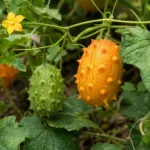 Horned Melon (Cucumis metuliferus) care guideCucumis metuliferus
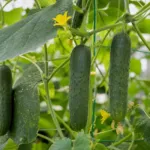 Cucumber (Cucumis sativus) care guideCucumis sativus
 Solanum aethiopicum care guideSolanum aethiopicum
 Solanum macrocarpon care guideSolanum macrocarpon
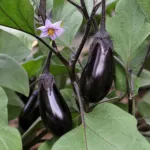 Eggplant (Solanum melongena) care guideSolanum melongena
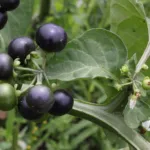 Garden Huckleberry (Solanum scabrum) care guideSolanum scabrum
 Melon or true melo (Cucumis melo) care guideCucumis melo
 Cantalupensis Group (Cucumis melo Cantalupensis Group)Cucumis melo Cantalupensis Group
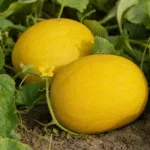 Mango melon (Cucumis melo Chito Group)Cucumis melo Chito Group