
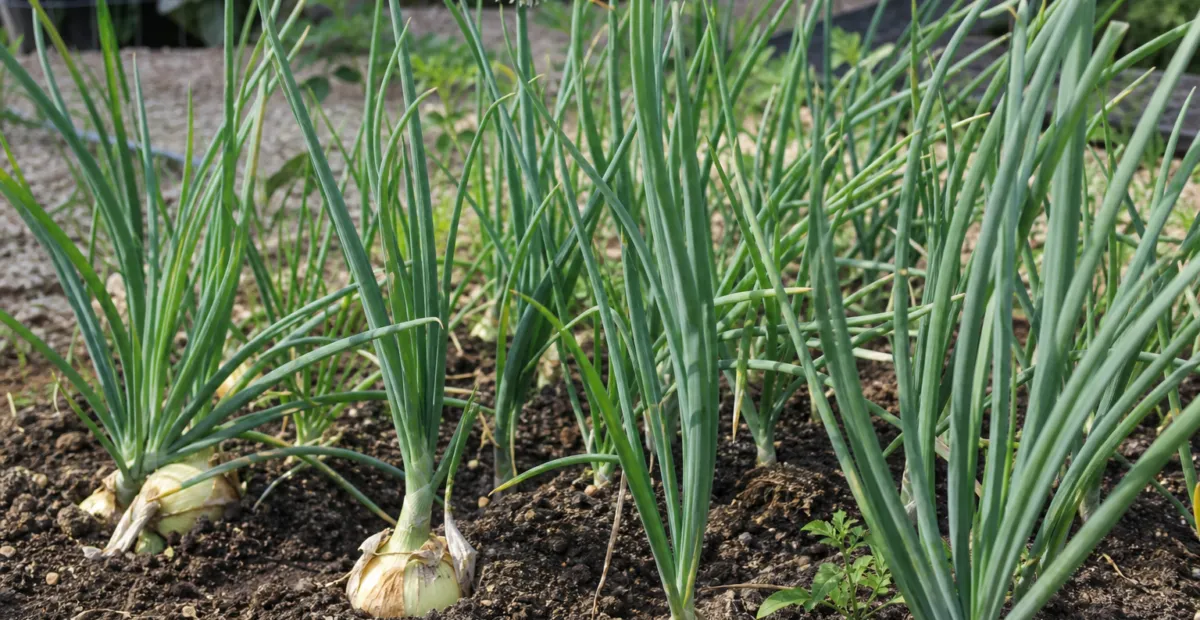
 AI-generated illustration
Cepa Group (Allium cepa Group) short overview
Allium cepa Cepa Group is the cultivated onion group, encompassing the familiar bulb onions grown for fresh use, storage, cooking, and regional specialties. Plants form hollow, strap-like leaves and a layered underground bulb, usually during a cool-to-warm growing cycle. If allowed to mature beyond bulb harvest, they send up a tall flowering stalk topped by a rounded cluster of small white flowers. Full sun, fertile well-drained soil, steady moisture, and timely planting support dependable bulbs.
Taxonomic classification
Cepa Group (Allium cepa Group) care guide
Light and placement
Choose an open bed receiving at least 6–8 hours of direct sun, preferably with unobstructed southern or southeastern exposure. Strong light supports sturdy leaves and bulb formation. Excess shade produces thin foliage and smaller bulbs; intense heat combined with drought can stop growth or encourage premature dormancy. Keep taller crops from shading the onion bed.
Watering and humidity
Water deeply enough to moisten the root zone, then irrigate when the surface begins to dry rather than keeping soil saturated. Maintain steady moisture during establishment and bulb enlargement; uneven drought and rewetting can reduce size and contribute to splitting. As bulbs mature and foliage falls, reduce irrigation and keep the soil comparatively dry for curing.
Soil and growing medium
Grow onions in loose, fertile soil that drains freely but holds moderate moisture. Sandy loam or loam is ideal. Avoid compacted clay and poorly drained beds, which can restrict bulb expansion and encourage rot. A slightly acidic to neutral reaction, approximately pH 6.0–7.0, is suitable. Raised beds help where drainage is marginal.
Feeding
Before planting, incorporate finished compost and base fertilizer according to a soil test. Onions benefit from nitrogen during early leaf growth, but excessive late nitrogen can delay maturity and reduce storage quality. Stop feeding as bulbs mature and foliage begins to yellow. Do not use fresh manure, which can cause uneven growth or introduce pathogens.
Growth and habit
Plants develop a compact basal bulb from overlapping fleshy leaf bases while producing upright, hollow or semi-hollow leaves. Bulb size and maturity depend on cultivar day-length class, planting date, temperature, nutrition, and uninterrupted growth. Weed competition is especially damaging because onion foliage is not highly competitive.
Planting and repotting
Plant onion sets or transplants in early spring as soon as the soil can be worked; in mild regions, some cultivars are planted in fall. Set bulbs shallowly, with the neck just at or slightly above the soil surface. Keep the bed weed-free and maintain even moisture during establishment and bulb enlargement.
Container-grown onions are usually harvested rather than permanently maintained. If transplanting starts, move them carefully while young and avoid damaging the shallow roots. Use a container at least 8 inches deep with drainage holes and enough surface area for the selected spacing.
Propagation and pruning
Propagation
Propagate mainly by seed, sets, or young transplants. Sow seed indoors or directly outdoors according to cultivar and local season. Sets are convenient but may bolt more readily in some conditions. For seed production, allow mature bulbs to overwinter and flower in the following season; maintain isolation between distinct breeding lines when purity matters.
Pruning
Do not routinely cut healthy foliage, because leaves supply energy for bulb enlargement. Remove only damaged or diseased leaves. If flowering is not desired, harvest bolting plants promptly; otherwise leave the scape intact for flowering and seed production.
Overwintering
In cold regions, overwintering is mainly relevant to fall-planted hardy cultivars or plants grown for seed. Use a light mulch after the ground cools, but do not bury necks in wet organic matter. In very cold or poorly drained sites, grow as a spring-planted crop instead.
Uses
Primarily grown as an edible bulb and green onion crop for cooking, storage, pickling, dehydration, and fresh market use. Flowering plants can provide late-season nectar and pollen for insects, but allowing plants to flower usually sacrifices bulb quality. Do not use onion plant material as pet food.
Appearance
The plant forms a basal fan of cylindrical to strap-like blue-green leaves from a compressed stem and layered bulb. The bulb consists of swollen, concentric leaf bases enclosed by dry outer scales. A mature flowering plant produces a smooth, upright, leafless scape ending in a rounded umbel. Onion odor becomes stronger when tissues are bruised or cut.
Flowering
Plants normally flower in their second year or after exposure to conditions that trigger bolting. A leafless scape rises above the foliage and ends in a spherical umbel of many small, usually white to greenish-white, six-tepaled flowers. Flowering commonly reduces bulb quality, so bolting plants are often harvested early unless seed production is intended.
Pollination and visitors
Flowering umbels produce nectar and pollen visited by bees, bumblebees, hoverflies, and other small insects. Animal visitation can improve seed set, although individual plants and cultivars may vary in attractiveness. Pollinator activity concerns the flowers and should not be confused with the separate issue of onion toxicity to pets.
Diseases and pests
Diseases
Common problems include downy mildew, purple blotch, botrytis neck rot, basal rot, and damping-off. Preventive measures include crop rotation, clean planting material, good air circulation, restrained irrigation late in the season, and curing bulbs thoroughly after harvest. Remove badly diseased plants and avoid replanting Allium crops in contaminated soil.
Pests
Watch for onion thrips, onion maggots, aphids, and mites. Use floating row cover over young plants, remove crop debris, control volunteer Allium plants, and rotate crops. Avoid routine broad-spectrum insecticide use during bloom. For persistent infestations, use locally approved products exactly as labeled and prioritize integrated pest management.
Related diseases and pests
Only Plant Doctor profiles whose host data indicate this plant may be affected are shown here.
 PestOnion thripsThrips tabaci Lindeman
 DiseasePurple BlotchAlternaria porri (Ellis) Ciferri
 PestOnion MaggotDelia antiqua
 DiseaseOnion downy mildewPeronospora destructor
 PestMelon thripsThrips palmi Karny
 PestChilli thripsScirtothrips dorsalis Hood
 DiseaseAllium rustPuccinia allii
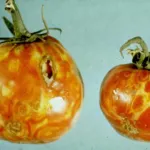 DiseaseTomato spotted wilt virusOrthotospovirus tomatomaculae (tomato spotted wilt virus; TSWV)
Toxicity and pollen
Onion tissues contain sulfur compounds that can cause gastrointestinal irritation and oxidative red-blood-cell damage in dogs and cats. The edible bulb is a normal human food when properly prepared, but plant material should not be fed to pets. Handle damaged bulbs normally; seek veterinary advice after significant pet ingestion.
- Typical season
- Usually late spring through summer when flowering
- Pollination / pollen
- Insect-dispersed pollen; not typically a major airborne source
Onion flowers release pollen during bloom, but onions are not generally among the dominant airborne pollen sources in U.S. seasonal allergy calendars. Local sensitivity is still possible, particularly during close contact with flowering plants or harvested floral material.
Native habitat
The species is a domesticated cultigen associated with temperate cultivation and is traced broadly to Central Asia. Cultivated onions perform best in open, fertile soils with a distinct growing season, adequate moisture during development, and a comparatively dry period for maturation and curing.
Interesting fact
The Cepa Group includes the standard bulb onions cultivated for fresh eating, cooking, and storage. Bulb formation is strongly influenced by day length, so short-, intermediate-, and long-day cultivars are matched to different U.S. latitudes. Flowering is normally associated with the second year, although cold exposure can trigger premature bolting.
Frequently asked questions (FAQ)
The most relevant questions about this plant, with short and direct answers.
🌱Quick care
What is Allium cepa Cepa Group?⌄
Allium cepa Cepa Group is the horticultural group containing common bulb onions, including many yellow, white, sweet, and red onion cultivars. It is grown primarily as a cool-season vegetable for edible bulbs, although the leaves and immature bulbs can also be harvested.
How much sun does Allium cepa Cepa Group need?⌄
Allium cepa Cepa Group needs full sun, ideally at least 6 hours of direct sunlight daily. Strong light supports vigorous leaf growth and proper bulb formation.
How often should I water Allium cepa Cepa Group?⌄
Water onions regularly enough to keep the soil evenly and moderately moist, because their roots are shallow. Reduce or stop watering when the tops begin falling over and the bulbs are nearing maturity.
Is Allium cepa Cepa Group frost tolerant?⌄
Established Allium cepa Cepa Group plants tolerate light frost, but hardiness varies by cultivar and growth stage. Young seedlings and newly planted sets benefit from protection during severe freezes.
🌤️Environment and placement
What soil is best for Allium cepa Cepa Group?⌄
Use loose, fertile, well-drained loam or sandy loam enriched with organic matter. Avoid compacted or waterlogged soil, which restricts bulb development and increases the risk of rot.
What soil pH does Allium cepa Cepa Group prefer?⌄
Onions generally perform best in slightly acidic to neutral soil, approximately pH 6.0 to 7.0. A soil test is the most reliable way to determine whether lime or other amendments are needed.
Can Allium cepa Cepa Group grow in containers?⌄
Yes, Allium cepa Cepa Group grows well in containers that are at least 8 to 10 inches deep and have drainage holes. Use fertile potting mix, provide full sun, and allow enough horizontal space for the chosen bulb spacing.
Do onion varieties need different day lengths?⌄
Yes, bulb onions are commonly classified as short-day, intermediate-day, or long-day types, and the correct choice depends on latitude and planting season. Choose a cultivar recommended for your region so bulbing begins at the appropriate time.
Can Allium cepa Cepa Group grow in partial shade?⌄
It may survive in partial shade, but bulb size and maturity will usually be reduced. Full sun is strongly preferred for dependable bulb formation.
💧Care and problems
How do I fertilize Allium cepa Cepa Group?⌄
Incorporate balanced fertilizer or compost before planting, then provide modest supplemental nitrogen while plants are actively producing leaves. Stop heavy nitrogen feeding as bulbs mature, because late leaf growth can delay curing and reduce storage quality.
Why are my Allium cepa Cepa Group bulbs not forming?⌄
Small or absent bulbs are often caused by the wrong day-length type, late planting, inadequate sunlight, drought stress, crowding, or poor fertility. Onions must produce sufficient leaves before the appropriate day length and temperatures trigger bulbing.
Why are my onion tops falling over?⌄
Tops naturally fall over as Allium cepa Cepa Group bulbs mature, especially when roughly half the foliage has yellowed or lodged. Premature collapse accompanied by wilting, lesions, or soft tissue may instead indicate pests or disease.
How can I prevent Allium cepa Cepa Group from bolting?⌄
Reduce bolting risk by selecting a regionally adapted cultivar, planting at the recommended time, and avoiding oversized sets or transplants. Cold stress followed by warming can also trigger flowering, so protect young plants from severe temperature swings when practical.
What pests commonly affect Allium cepa Cepa Group?⌄
Common onion pests include onion maggots, thrips, and leaf-mining insects, with pressure varying by region. Crop rotation, removal of damaged plants, weed control, and insect-excluding row covers can reduce infestations.
What diseases affect Allium cepa Cepa Group?⌄
Potential diseases include downy mildew, white rot, neck rot, bacterial soft rot, and other fungal or bacterial problems. Good drainage, careful watering, crop rotation, sanitation, and avoiding bulb or root injuries are important preventive measures.
Should I mulch around Allium cepa Cepa Group?⌄
Yes, a thin layer of clean, weed-free organic mulch can conserve moisture and suppress weeds. Keep mulch from burying the growing point, and avoid cultivating deeply because onion roots and bulbs are easily damaged.
When should I harvest Allium cepa Cepa Group?⌄
Harvest dry bulb onions when the bulbs have reached usable size and about half to two-thirds of the tops have naturally fallen and begun to dry. Lift them carefully with a garden fork to avoid bruising or cutting the bulbs.
How do I cure Allium cepa Cepa Group onions?⌄
Cure harvested onions in a warm, dry, well-ventilated place for about 2 to 4 weeks, until the outer skins are dry and the necks are tight. Keep the bulbs out of direct rain and handle them gently to prevent storage rot.
How should I store Allium cepa Cepa Group onions?⌄
Store cured onions in a cool, dry, dark, well-ventilated location where they will not freeze. Check them regularly and use any bulbs that soften, sprout, or show signs of decay first.
🪴Planting and repotting
When should I plant Allium cepa Cepa Group in the United States?⌄
Plant onions in early spring as soon as the soil can be worked, with timing adjusted to local climate and cultivar day length. In mild regions, some cultivars can also be planted in fall for overwintering, but regional recommendations should guide the schedule.
Should I grow Allium cepa Cepa Group from seed, sets, or transplants?⌄
Seeds offer the widest cultivar choice, transplants provide a strong head start, and sets are the simplest option for beginners. Seeds require the earliest start, while sets are convenient but may be more prone to bolting if they are large or planted too early.
How deep should I plant onion sets?⌄
Plant onion sets about 1 to 2 inches deep, with the pointed end upward and the neck near the soil surface. Planting too deeply can restrict bulb expansion, while planting too shallowly can expose roots and bulbs.
How far apart should I plant Allium cepa Cepa Group?⌄
Space plants about 4 to 6 inches apart for full-size bulbs, or closer if harvesting them young as green onions. Rows or beds should be wide enough to allow good air circulation and shallow weed control.
Can I plant Allium cepa Cepa Group in raised beds?⌄
Yes, raised beds are useful because they provide loose, well-drained soil and make spacing and weed management easier. Ensure the bed receives full sun and does not dry out faster than you can water it.
Can I grow Allium cepa Cepa Group after other onions or garlic?⌄
It is better not to plant onions immediately after onions, garlic, leeks, or shallots when disease or onion pests have been present. Rotate Allium crops through different parts of the garden for several years when possible.
✂️Propagation and pruning
How is Allium cepa Cepa Group propagated?⌄
Allium cepa Cepa Group is propagated mainly from seed, transplants, or onion sets. Sets are immature bulbs, while seeds and transplants allow more precise cultivar selection and timing.
Can I regrow an onion from a kitchen onion?⌄
A kitchen onion may regrow leaves or roots, but it is unlikely to produce a large replacement bulb indoors or from a cut bulb. For reliable garden production, start with viable seed, healthy sets, or nursery transplants.
Do I need to prune Allium cepa Cepa Group?⌄
No, routine pruning is not needed. Remove only dead, diseased, or badly damaged foliage, and avoid repeatedly cutting healthy leaves because the foliage supplies energy for bulb growth.
⚠️Toxicity and safety
Is Allium cepa Cepa Group toxic to dogs and cats?⌄
Yes, Allium cepa Cepa Group is moderately toxic to dogs and cats if ingested. Onions can damage red blood cells and cause anemia, so contact a veterinarian promptly if a pet eats onions, plants, scraps, or concentrated onion products.
Can people eat Allium cepa Cepa Group?⌄
Yes, the bulbs and young leaves of Allium cepa Cepa Group are edible when properly identified and grown for food. Discard bulbs that are moldy, severely rotted, or contaminated with chemicals not approved for edible crops.
🌸Flowering and special interest
Does Allium cepa Cepa Group flower?⌄
Yes, plants that bolt produce a tall flower stalk topped by a rounded cluster of small flowers. Flowering diverts energy from bulb enlargement, so bolted bulbs are usually smaller and do not store as well.
Can I save seeds from Allium cepa Cepa Group?⌄
Yes, you can save seed from mature flower heads if the plants were not cross-pollinated with other compatible onions nearby. Allow the seed heads to dry on the plant, collect the dark seeds, and store them cool and dry.
Similar plants
 Azure Monkshood (Aconitum carmichaelii) care guideAconitum carmichaelii
 Monkshood (Aconitum ‘Stainless Steel’)Aconitum 'Stainless Steel'
 Monkshood (Aconitum ‘Bressingham Spire’)Aconitum 'Bressingham Spire'
 Golden full moon maple (Acer shirasawanum ‘Aureum’)Acer shirasawanum 'Aureum'
 Globosum (Acer platanoides ‘Globosum’)Acer platanoides 'Globosum'
 Striped maple (Acer pensylvanicum) care guideAcer pensylvanicum