
 Source:
 Fern-leaf Peony (Paeonia tenuifolia) short overview
Fern-leaf Peony (Paeonia tenuifolia) is a distinctive herbaceous perennial with finely divided, fernlike foliage and early deep-red bowl-shaped flowers. Native to dry steppe and open woodland regions of southeastern Europe, the Caucasus and western Asia, it prefers full sun, sharply drained soil and cold winters. This long-lived peony is unusual, compact and especially valuable for naturalistic borders and specialist collections.
Taxonomic classification
Fern-leaf Peony (Paeonia tenuifolia) care guide
Light and placement
Provide full sun, ideally six or more hours of direct light with an open eastern, southern or western exposure. Strong light supports flowering and keeps the compact stems sturdy. Insufficient light can produce weak growth and few flowers; excessive heat is usually less damaging than wet soil, though afternoon shade can help in very hot climates if bloom remains strong.
Watering and humidity
Water deeply when the upper few inches of soil become dry during establishment, allowing excess water to drain completely. Once established, the plant is relatively drought tolerant but flowers best with steady moisture during spring growth and bloom. Reduce watering after foliage yellows and avoid frequent shallow irrigation or winter saturation.
Soil and growing medium
Use fertile but sharply drained soil; sandy loam or gritty loam is suitable, and rocky or calcareous ground is tolerated. Avoid heavy, persistently wet clay because dormant crowns can rot. A near-neutral to slightly alkaline reaction is generally suitable; incorporate compost before planting, but do not bury the crown in rich mulch.
Feeding
Apply a modest layer of compost or a balanced, low-nitrogen perennial fertilizer as shoots emerge in spring. Avoid heavy nitrogen feeding, which can produce lush foliage with fewer flowers and may increase disease pressure. Do not fertilize drought-stressed plants or feed late in the season after growth begins to mature.
Growth and habit
This deciduous perennial emerges from a dormant crown in spring, forms a compact leafy clump and dies back after the growing season. Mature plants usually need little staking because their stems are shorter and firmer than those of many large garden peonies. Excellent drainage is more important than frequent division.
Planting and repotting
Plant bare-root divisions in early fall, or container plants in spring or fall. Set the eyes about 1–2 inches below the soil surface; deeper planting commonly reduces flowering. Allow about 24–30 inches between plants, then water consistently during the first growing season while roots establish.
Container culture is possible but less reliable than planting in the ground. If needed, transplant or divide during dormancy in early fall, disturbing the brittle storage roots as little as possible. Use a deep container with excellent drainage and refresh the mix only when the plant is dormant.
Propagation and pruning
Propagation
Division is best done in early fall, using dormant crowns with several viable eyes and healthy root sections. Seed propagation is possible but slow and may require a warm-cold cycle; seedlings can take several years to flower. Division is practical for named garden material, while seed is useful for species conservation and breeding.
Pruning
After frost blackens the foliage, cut stems to ground level and remove the debris. Do not cut healthy foliage while it is still green because the crown uses it to replenish reserves for next year. Disinfect tools when removing diseased tissue.
Overwintering
Leave the crown outdoors in suitable USDA zones. After foliage dies back, cut it to the ground and keep the site free of wet, packed mulch. In colder or poorly drained locations, use only a light, breathable winter mulch after the soil freezes; do not cover the crown deeply. Containers need protection from repeated freeze-thaw cycles.
Uses
Use as an early-flowering specimen in sunny borders, rock gardens, dry-style perennial plantings and specialist peony collections. Its finely cut foliage provides ornamental interest before and after flowering. It is not recommended as an edible or medicinal plant for home use; keep plant material away from pets and children.
Appearance
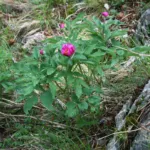
The stems carry unusually fine, threadlike leaf segments that create a soft fern or dill-like texture. Foliage is blue-green to silvery and emerges early in spring. Upright stems hold conspicuous, usually single red flowers above the finely cut leaves. The plant forms a neat, rounded clump and becomes dormant after the foliage yellows.
Flowering
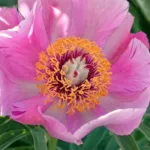
Flowers are usually single, bowl-shaped and borne singly on upright stems. The species is among the earliest peonies to bloom, opening in late spring before many traditional garden peonies. Deep red flowers surround a conspicuous mass of yellow stamens; seed pods may develop after successful pollination.
Pollination and visitors
The open flowers expose abundant pollen and are visited by bees, bumblebees and beetles. Peony flowers provide a broad landing surface and accessible reproductive structures, making them useful early-season resources for flower-visiting insects. Visitor activity is distinct from human airborne-allergy risk.
Paeonia tenuifolia photos
Click any photo for a larger view. Source, author and license are shown separately.
Diseases and pests
Diseases
Improve air circulation, avoid overhead irrigation and remove diseased foliage after it dies back. Reported problems in Paeonia include leaf blotch, peony wilt, Verticillium wilt and virus diseases. Remove and discard badly affected tissue; avoid replanting in contaminated soil if wilt is suspected.
Pests
Watch for aphids, thrips and peony scale, although serious infestations are uncommon. Encourage beneficial insects, improve plant vigor and use a strong water spray for light infestations. Remove heavily infested material and avoid unnecessary broad-spectrum insecticides during bloom.
Toxicity and pollen
Paeonia species are listed by veterinary poison-control references as toxic to dogs and cats because of paeonol, with gastrointestinal upset and depression reported after ingestion. Evidence is generally presented for peony plants at genus level rather than specifically for P. tenuifolia, so keep pets from chewing the plant and seek veterinary advice after ingestion.
- Typical season
- April–May in much of the United States
- Pollination / pollen
- Insect-dispersed, heavy floral pollen
Pollen is produced openly from the numerous stamens, but peonies are primarily insect-visited rather than wind-pollinated. This generally limits airborne spread compared with wind-pollinated plants, although sensitive people may still react during bloom or while handling flowers. Avoid shaking flowers indoors and wash hands after gardening.
Native habitat
Paeonia tenuifolia is associated with open steppe, dry grassland, rocky slopes and open woodland margins across southeastern Europe, the Caucasus, western Asia and parts of the temperate Eurasian region. These habitats commonly have sunny exposure, seasonal dryness, mineral soils and strong winter cold, explaining its dislike of stagnant moisture.
Interesting fact
The species has exceptionally narrow, finely divided leaf segments that give it a fernlike appearance. It blooms earlier than many familiar herbaceous peonies. Its native range includes steppe landscapes where excellent drainage is critical. The compact plant can remain attractive even after flowering because of its unusual foliage.
Frequently asked questions (FAQ)
The most relevant questions about this plant, with short and direct answers.
🌱Quick care
What is Paeonia tenuifolia called in the United States?⌄
Paeonia tenuifolia is commonly called Fern-leaf Peony in the United States. It is a compact, cold-hardy herbaceous perennial in the peony family, Paeoniaceae.
Does Fern-leaf Peony die back in winter?⌄
Yes, Fern-leaf Peony is a herbaceous perennial that usually dies back to the ground after frost and reemerges in spring. The dormant roots remain underground through winter when planted in suitable hardiness conditions.
🌤️Environment and placement
How much sun does Fern-leaf Peony need?⌄
Fern-leaf Peony grows best in full sun, ideally with at least 6 hours of direct sunlight daily. Too much shade can reduce flowering and make the plant less compact.
What USDA hardiness zones can grow Fern-leaf Peony?⌄
Fern-leaf Peony is generally hardy in USDA Zones 4–8, although some selections may tolerate colder conditions. Local performance depends on drainage, winter moisture, and the specific plant source.
💧Care and problems
Does Fern-leaf Peony tolerate drought?⌄
Established Fern-leaf Peony has better drought tolerance than many garden plants, but it needs regular water while becoming established. Water deeply during prolonged dry spells, allowing the soil to dry somewhat between waterings.
How often should I water Fern-leaf Peony?⌄
Water Fern-leaf Peony when the upper several inches of soil become dry, usually more often during its first growing season and less often after establishment. Avoid frequent shallow watering and saturated soil.
Should I remove spent flowers from Fern-leaf Peony?⌄
Remove spent flowers from Fern-leaf Peony to prevent seed formation and keep the plant’s energy directed toward its roots and future growth. Cut just below the faded flower after blooming.
Does Fern-leaf Peony need staking?⌄
The single-flowered species often holds itself upright, so staking is not usually necessary. Double forms or plants grown in exposed or overly rich conditions may need support if stems become weak or flower-heavy.
What pests and diseases affect Fern-leaf Peony?⌄
Fern-leaf Peony is relatively resistant to many pests, but wet conditions can contribute to fungal or root-related problems such as botrytis or blight. Improve air circulation, avoid overhead watering, and remove diseased foliage promptly.
Are ants on Fern-leaf Peony harmful?⌄
Ants on Fern-leaf Peony buds are usually harmless and are attracted to nectar on the buds. They do not cause flowering and generally do not need to be controlled.
🪴Planting and repotting
What type of soil is best for Paeonia tenuifolia?⌄
Use well-drained sandy or gritty loam for Paeonia tenuifolia. Heavy, poorly drained soil is a major risk because its roots are sensitive to prolonged wetness.
Can Fern-leaf Peony grow in containers?⌄
Fern-leaf Peony can grow in a large container with excellent drainage, but it generally performs better in the ground. Choose a deep, sturdy pot and protect the root system from extreme winter temperature swings.
When is the best time to plant Fern-leaf Peony in the United States?⌄
Early fall is usually the best time to plant bare-root Fern-leaf Peony, while container-grown plants can be planted during the growing season. Plant early enough for roots to establish before the ground freezes.
How deep should I plant Fern-leaf Peony roots?⌄
Plant Fern-leaf Peony roots with the eyes about 1–2 inches below the soil surface. Planting too deeply is a common cause of poor or absent flowering.
How far apart should Fern-leaf Peonies be planted?⌄
Space Fern-leaf Peonies about 2–3 feet apart, allowing room for their mature clumps and good air circulation. Tighter spacing may be suitable for a temporary mass planting but can increase crowding over time.
✂️Propagation and pruning
When should Fern-leaf Peony foliage be cut back?⌄
Cut Fern-leaf Peony foliage to the ground in fall after it has naturally yellowed or after frost kills it. Do not remove healthy green foliage early because it helps replenish the roots for the following season.
Can Fern-leaf Peony be divided?⌄
Fern-leaf Peony can be divided in early fall, but it is generally best left undisturbed because division and establishment can be slow. Each division should include healthy roots and at least one or two viable eyes.
How do you propagate Paeonia tenuifolia?⌄
Paeonia tenuifolia is most commonly propagated by root division, while seed propagation is slower and less predictable. Commercial propagation is considered more difficult than for many common garden peonies, which can make plants less available.
⚠️Toxicity and safety
Is Fern-leaf Peony toxic to dogs and cats?⌄
Fern-leaf Peony should be treated as potentially toxic to dogs and cats if eaten. Keep pets from chewing the plant and contact a veterinarian or pet poison service if ingestion causes vomiting, diarrhea, depression, or other concerning symptoms.
Is Fern-leaf Peony deer resistant?⌄
Fern-leaf Peony is generally considered relatively resistant to deer browsing. Deer resistance is not absolute, especially when food is scarce or deer pressure is high.
🌸Flowering and special interest
Why is my Fern-leaf Peony not blooming?⌄
Fern-leaf Peony may fail to bloom because it is too young, planted too deeply, receiving insufficient sun, or stressed after transplanting. Late spring frost, excessive competition from tree roots, and poor drainage can also affect flowering.
When does Fern-leaf Peony bloom?⌄
Fern-leaf Peony is one of the earliest peonies to bloom, commonly flowering in spring, often around May in much of the United States. Exact timing varies with climate, latitude, and seasonal temperatures.
What do Fern-leaf Peony flowers look like?⌄
The species typically produces dark red to crimson, bowl-shaped flowers above finely divided, fern-like foliage. Both single- and double-flowered forms are grown, although the true species is often associated with single red blooms.
How long do Fern-leaf Peony flowers last?⌄
Individual Fern-leaf Peony plants usually flower for roughly one to two weeks. Cool weather can extend the display, while heat, wind, and heavy rain may shorten it.
Similar plants
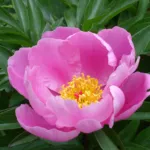 Common Garden Peony (Paeonia lactiflora) care guidePaeonia lactiflora
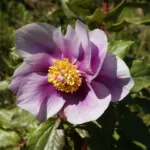 Wild Peony (Paeonia mascula) care guidePaeonia mascula
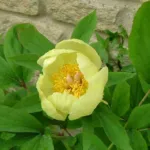 Paeonia mlokosewitschii care guidePaeonia mlokosewitschii
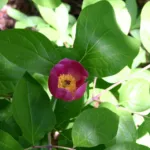 Woodland peony (Paeonia obovata) care guidePaeonia obovata
 Paeonia anomala veitchii care guidePaeonia anomala veitchii
 Garden Peony (Paeonia officinalis) care guidePaeonia officinalis