
 Source:
 Margaritas (Bellis perennis) short overview
Margaritas (Bellis perennis) is a low-growing, evergreen perennial with compact rosettes of spoon-shaped leaves and small white flower heads centered in yellow, often flushed pink at the tips. It thrives in sun or light partial shade and evenly moist, well-drained soil. In the United States it is grown as a cool-season bedding plant, lawn accent, container subject, and informal pollinator plant, although it can spread beyond intended planting areas in favorable climates.
Taxonomic classification
Margaritas (Bellis perennis) care guide
Light and placement
Give margaritas full sun for the strongest flowering, especially in cooler regions, or partial shade where summers are hot. Morning sun with afternoon protection is a useful placement in the South and Southwest. Sparse leaves and stretched flower stems usually indicate insufficient light; scorched foliage and rapid wilting suggest excessive heat, reflected sun, or drought rather than too much light alone.
Watering and humidity
Water deeply when the top inch of soil begins to dry, then allow excess water to drain. Keep newly planted plants consistently moist while roots establish. Reduce irrigation during cool, rainy periods, but do not let containers dry completely. Good drainage is essential because saturated soil can cause crown and root problems. Outdoor humidity is normally adequate.
Soil and growing medium
Use moderately fertile soil that drains freely but retains some moisture. Loam or sandy loam is ideal, while clay should be amended with organic matter and never left compacted or waterlogged. The species tolerates acidic, neutral, and alkaline conditions, including chalky soils. In containers, use a quality all-purpose potting mix with added perlite or fine bark for drainage.
Feeding
In garden soil, incorporate a modest amount of finished compost before planting. If growth is weak, apply a balanced, slow-release fertilizer in spring at the label rate. Container plants may receive a diluted balanced feed every four to six weeks during active growth. Avoid heavy nitrogen applications, which can produce foliage at the expense of compact flowering, and do not fertilize drought-stressed or dormant plants.
Growth and habit
Margaritas form spreading clumps from persistent crowns and may reseed in open soil or expand into adjacent lawn. They remain close to the ground and are most floriferous in cool conditions. Deadheading can extend the display and reduce unwanted seedlings. In warm regions, plants may decline during summer heat and return with cooler weather or be grown as seasonal bedding.
Planting and repotting
Prepare a weed-free bed with loose, well-drained soil. Plant nursery-grown clumps with the crown level with the surrounding soil, water thoroughly, and maintain even moisture until established. Space plants about 6–10 inches apart for a dense edging or groundcover effect. Sow seed shallowly in a prepared surface during cool spring or fall conditions and avoid burying it deeply.
Repot container-grown plants when roots fill the pot or the crown becomes crowded, preferably in spring or early fall. Move to a slightly wider container with drainage holes and fresh, well-drained potting mix. Keep the crown at the same depth, water thoroughly, and provide bright outdoor light while the plant re-establishes.
Propagation and pruning
Propagation
Propagate by seed or division. Sow seed shallowly in spring or fall and keep the seedbed evenly moist until germination. Divide established clumps in spring or after flowering by separating rooted crown sections and replanting them immediately. Division is the quickest way to preserve the habit of a selected plant.
Pruning
No regular pruning is needed. Remove spent flower heads to prolong flowering and reduce self-seeding. If foliage becomes tired after hot weather, trim damaged leaves lightly and allow the crown to regrow during cooler conditions. Avoid cutting into the crown or removing healthy foliage unnecessarily.
Overwintering
Established plants generally overwinter outdoors in USDA Zones 4–8. Avoid winter-wet soil, which can damage crowns. In colder exposed locations, a light mulch after the ground freezes can reduce heaving, but do not bury the crown deeply. Container plants are more vulnerable to freezing and should be placed in a sheltered location or sunk into the ground for insulation.
Uses
Useful for cool-season beds, edging, containers, balcony displays, informal lawn plantings, and small pollinator-friendly areas. It can naturalize in lawns and disturbed ground, which is ornamental in some settings but undesirable where a uniform turf is required. Some references describe the leaves or flowers as edible, but consumption should be limited to correctly identified, pesticide-free plants and should not be treated as a medicinal recommendation.
Appearance
The plant forms basal rosettes of dark green, spoon-shaped leaves with short stalks. Leaf blades are typically rounded to obovate and may appear slightly hairy. Flowering stems rise above the foliage and carry solitary daisy-like heads. The species is distinguished by its small stature, yellow disc florets, and white rays often marked pink or reddish at the tips.
Flowering
Each apparent flower is a composite head made of numerous central disc florets surrounded by white ray florets. The rays may develop pink or red tips, especially in cool conditions or selected forms. Flowering is strongest in spring and early summer in much of the United States, with occasional bloom during mild autumn or winter weather. Removing faded heads can encourage further flowering.
Pollination and visitors
The open flower heads provide accessible nectar and pollen for small bees, bumblebees, hoverflies, and some butterflies. Its early flowering can offer forage when fewer garden plants are in bloom. Visitor numbers vary with weather, surrounding floral resources, cultivar form, and whether flower heads remain open and accessible.
Bellis perennis photos
Click any photo for a larger view. Source, author and license are shown separately.
Diseases and pests
Diseases
The plant is generally trouble-free but may develop rust, crown rot, or root problems in crowded, humid, or waterlogged conditions. Provide air circulation, avoid overhead watering late in the day, remove badly affected foliage, and improve drainage. Start with healthy plants and discard severely diseased material rather than composting it.
Pests
Usually relatively pest-free, but slugs, snails, rabbits, and mice may nibble young foliage or flower stems. Reduce hiding places, hand-pick pests, use barriers where appropriate, and protect new plantings if browsing is persistent. Avoid routine broad-spectrum insecticides, especially while flowers are open to visiting insects.
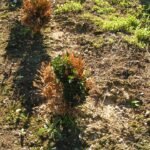
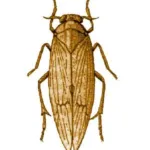
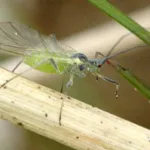
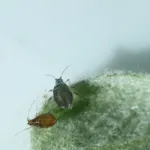
Related diseases and pests
Only Plant Doctor profiles whose host data indicate this plant may be affected are shown here.

Toxicity and pollen
Reliable references do not identify Bellis perennis as a major systemic poison for people or pets, but plant material can still cause gastrointestinal upset or contact sensitivity in some individuals. Do not allow children or animals to consume large amounts, and never eat plants treated with pesticides or growing in contaminated lawns. Seek medical or veterinary advice if symptoms are persistent or severe.
- Typical season
- Typically spring through early summer in the United States
- Pollination / pollen
- Light pollen produced within composite flower heads and primarily moved during insect visits
Bellis perennis is insect-pollinated, so its pollen is not released in the same large airborne quantities as wind-pollinated trees and grasses. Published allergenicity references nevertheless list the species as having some potential allergenicity, so sensitive people should avoid handling flowers if they notice symptoms. Individual reactions vary, and low airborne exposure does not mean zero allergy risk.
Native habitat
The species is associated with short grassland, lawns, meadows, pasture, roadsides, disturbed ground, and other open habitats. It prefers cool to temperate climates and soils that remain moderately moist but drain adequately. In North America it is introduced rather than native and has naturalized in portions of the northern United States and along the West Coast.
Interesting fact
The apparent single flower is actually a head composed of many tiny florets. The species can flower during mild winter spells. It commonly behaves as a lawn plant or weed as well as an ornamental. Many double-flowered cultivars have reduced access to the reproductive florets and may be less useful to pollinators than single forms.
Frequently asked questions (FAQ)
The most relevant questions about this plant, with short and direct answers.
🌱Quick care
What are margaritas (Bellis perennis)?⌄
Margaritas are low-growing, cool-season perennial daisies in the Asteraceae family. They form compact rosettes of spoon-shaped leaves and produce white, pink, or red-centered flowers, often appearing in lawns, meadows, borders, and containers.
Is Bellis perennis the same as a lawn daisy?⌄
Yes, Bellis perennis is commonly known as a lawn daisy because it naturally grows low in turf and tolerates close mowing. In the United States, it may be grown as an ornamental ground cover or treated as a lawn weed.
🌤️Environment and placement
How much sunlight do margaritas need?⌄
Margaritas grow best in full sun to partial shade, receiving at least several hours of direct light daily. In hot-summer areas, afternoon shade can help extend flowering and reduce heat stress.
Can Bellis perennis grow in shade?⌄
Bellis perennis can tolerate partial shade but usually flowers more heavily with brighter light. Avoid dense shade, especially in humid conditions, because poor air circulation and wet foliage can encourage rust.
What USDA hardiness zones can grow Bellis perennis?⌄
Bellis perennis is generally hardy in USDA Zones 4 through 8, although performance varies with cultivar and local summer temperatures. In colder northern areas it may be grown as an annual, while hot southern areas may treat it as a biennial or short-lived perennial.
Does Bellis perennis tolerate heat?⌄
Bellis perennis prefers cool temperatures and often declines during hot summers. Provide partial afternoon shade, consistent moisture, and good soil drainage in warmer regions to help plants persist longer.
What soil is best for margaritas?⌄
Margaritas grow in well-drained loam, sandy loam, clay, or chalky soil, provided it does not remain waterlogged. Fertile soil that stays evenly moist supports better foliage and flowering than dry, poor soil.
Can I grow margaritas indoors?⌄
Margaritas are better suited to outdoor growing because they need strong light, cool temperatures, and good air circulation. A very bright, cool window may support a potted plant temporarily, but indoor conditions often produce weak growth and limited flowering.
💧Care and problems
How often should I water Bellis perennis?⌄
Water Bellis perennis moderately, keeping the soil consistently moist but not saturated. Water when the surface begins to dry, and increase frequency during hot or unusually dry weather because the plant is not drought tolerant.
Are margaritas drought tolerant?⌄
No, margaritas are not reliably drought tolerant, particularly during hot weather. Extended dryness can reduce flowering and cause the plants to decline, so apply water deeply enough to keep the root zone from drying out.
Why are my Bellis perennis leaves turning brown or spotted?⌄
Brown or spotted leaves may result from rust, excess moisture, poor air circulation, or heat stress. Remove badly affected foliage, avoid overhead watering, improve spacing and light, and discard severely diseased plants rather than composting them.
What pests and diseases affect margaritas?⌄
Margaritas usually have few serious pest problems, but they can be affected by rust, root-knot nematodes, and occasional insect feeding. Good drainage, adequate light, clean-up of diseased leaves, and avoiding crowded growth help reduce problems.
🪴Planting and repotting
Can Bellis perennis grow in a lawn?⌄
Yes, Bellis perennis commonly grows in lawns, parks, and turf, especially where soil is moist and fertile. It forms low rosettes and can be attractive in informal lawns, but it may spread into patches where a uniform grass surface is preferred.
When should I plant margaritas in the United States?⌄
Plant margaritas in fall or early spring, depending on your climate and whether you are using transplants or seed. Fall planting suits mild regions, while spring planting is safer where winters are severe or soils remain frozen.
How far apart should I plant Bellis perennis?⌄
Space Bellis perennis about 6 to 12 inches apart for a continuous low planting, allowing room for clumps to expand. Closer spacing fills an area faster but can increase humidity and disease risk.
Can margaritas be grown in containers?⌄
Yes, margaritas grow well in containers with drainage holes and a quality potting mix. Containers are also useful where you want to enjoy the flowers while limiting self-seeding or spread into lawns and nearby planting beds.
✂️Propagation and pruning
How do I grow Bellis perennis from seed?⌄
Sow Bellis perennis seed on the soil surface because light can help germination, then press it gently into the mix and keep it evenly moist. Seedlings may flower after establishment, but timing varies with sowing date, climate, and cultivar.
Can I divide margaritas?⌄
Yes, divide established margarita clumps in spring or after flowering. Separate rooted sections carefully, replant them at the original depth, and keep them watered while they reestablish.
Do margaritas self-seed?⌄
Margaritas can self-seed and may spread gradually through lawns, borders, and open soil. Deadhead spent flowers if you want to limit seedlings, or leave some flower heads in place if naturalization is desired.
Do I need to prune Bellis perennis?⌄
Bellis perennis needs little formal pruning. Remove faded flower heads to tidy plants and reduce self-seeding, and remove damaged or diseased leaves as needed.
⚠️Toxicity and safety
Are margaritas toxic to dogs and cats?⌄
Margaritas are generally considered low toxicity, but eating plant material can still cause mild stomach upset or irritation. Contact a veterinarian or animal poison service if a pet consumes a large amount or develops vomiting, diarrhea, or unusual symptoms.
Are Bellis perennis flowers edible?⌄
Bellis perennis has a history of traditional culinary and herbal use, but garden flowers should not be eaten unless they are correctly identified and grown without pesticides. Eating larger amounts may cause irritation or digestive discomfort in sensitive people.
Can children touch margaritas safely?⌄
Most people can touch margaritas safely, although sensitive individuals may develop skin irritation from plant sap or contact with the Asteraceae family. Wash hands after handling and prevent children from eating unidentified flowers or treated plants.
Is Bellis perennis invasive in the United States?⌄
Bellis perennis can naturalize and behave weedy in some U.S. regions, particularly in lawns and moist coastal areas, but its status varies locally. Check your state or county invasive-plant guidance before planting it extensively or allowing it to spread.
🌸Flowering and special interest
How long do margaritas bloom?⌄
Margaritas typically bloom from spring into early summer, with sporadic flowers possible until frost in favorable conditions. Flowering is usually strongest during cool weather and may decline during intense summer heat.
Why is my Bellis perennis not flowering?⌄
Poor flowering is commonly caused by excessive shade, heat, drought, overcrowding, or immature plants. Move or thin plants for better light and air circulation, keep the soil evenly moist, and avoid letting them dry out.
Do margaritas flower more than once?⌄
Yes, margaritas can produce repeated flowers when spent blooms are removed and growing conditions remain cool and moist. Flowering may pause during hot weather and resume when temperatures moderate.
Are Bellis perennis flowers good for pollinators?⌄
Bellis perennis flowers can provide accessible nectar and pollen for some small pollinating insects, especially during cool-season flowering. Single-flowered forms are generally more useful to insects than densely double cultivars.
Should I deadhead Bellis perennis?⌄
Deadhead Bellis perennis to encourage a tidier appearance, support continued flowering, and reduce self-seeding. Leave a few flower heads if you want the plant to naturalize or collect seed.
Similar plants
 Azure Monkshood (Aconitum carmichaelii) care guideAconitum carmichaelii
 Monkshood (Aconitum ‘Stainless Steel’)Aconitum 'Stainless Steel'
 Monkshood (Aconitum ‘Bressingham Spire’)Aconitum 'Bressingham Spire'
 Golden full moon maple (Acer shirasawanum ‘Aureum’)Acer shirasawanum 'Aureum'
 Globosum (Acer platanoides ‘Globosum’)Acer platanoides 'Globosum'
 Striped maple (Acer pensylvanicum) care guideAcer pensylvanicum