
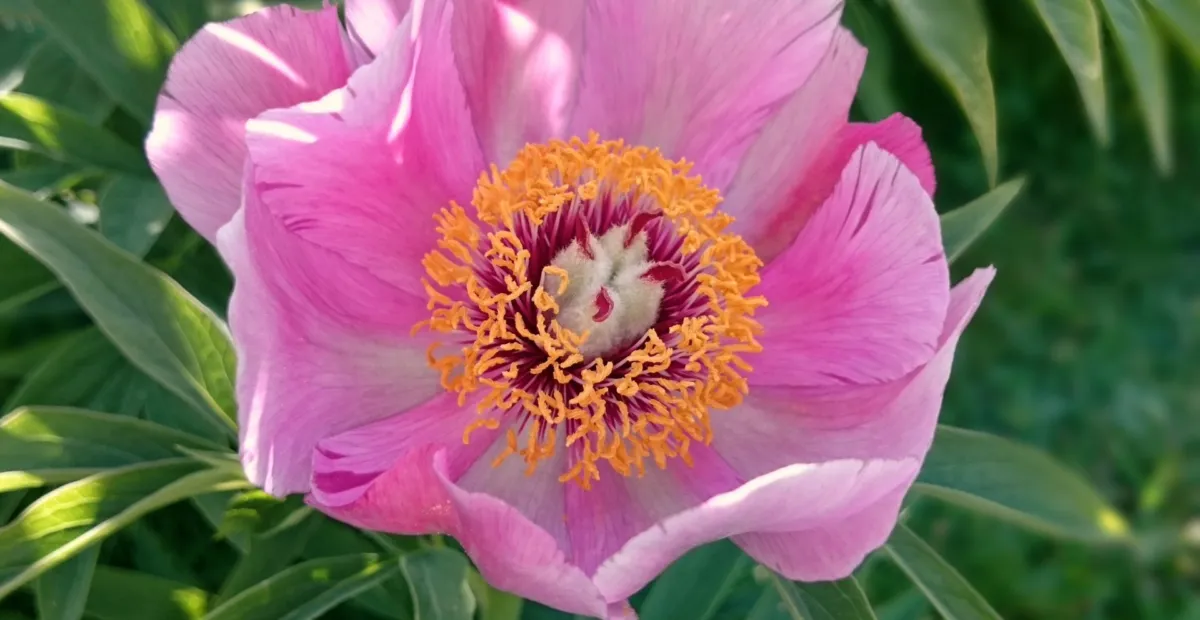
Paeonia anomala veitchii short overview
Paeonia anomala veitchii is a distinctive herbaceous peony from mountainous China, valued for its finely divided, fernlike foliage and nodding, saucer-shaped flowers. Blooms are commonly pale to deep pink, with occasional white forms and prominent yellow stamens. The plant forms a long-lived clump in fertile, moisture-retentive but well-drained soil and performs best in full sun or light afternoon shade. Major references differ on whether it is treated as a species or subspecies.
Taxonomic classification
Paeonia anomala veitchii care guide
Light and placement
Give full sun for strongest flowering, with light or afternoon partial shade in hot climates. An east- or west-facing position is suitable; shelter the plant from strong prevailing winds. Too little light produces weak stems and reduced bloom, while intense reflected heat or drought may scorch leaf edges and shorten flower life.
Watering and humidity
Water deeply when the upper inch of soil begins to dry, keeping the root zone consistently moist during spring growth and flowering. Reduce watering after foliage yellows and the plant enters dormancy, but do not allow newly planted roots to dry completely. Good drainage is essential because saturated winter soil can damage the crown and roots.
Soil and growing medium
Use a deep, fertile soil with reliable moisture but rapid drainage. A loam amended with mature compost is suitable; heavier clay should be loosened to prevent winter waterlogging. Published horticultural guidance accepts acidic, neutral, or alkaline soils, so extreme pH correction is unnecessary unless a soil test identifies a problem.
Feeding
Incorporate compost before planting and apply a balanced, slow-release fertilizer in early spring only if growth or soil tests indicate a need. Avoid heavy nitrogen, which can produce lush foliage with weaker flowering. Do not fertilize during summer drought, immediately after division, or once the plant has entered autumn dormancy.
Growth and habit
This non-woody peony dies back to a crown in autumn and re-emerges in spring. It forms a persistent clump from a substantial root system and dislikes repeated lifting or transplanting. Once established, it needs little structural maintenance beyond deadheading if desired and removal of spent foliage.
Planting and repotting
Plant dormant roots in fall or very early spring. Set the crown eyes about 1 inch below the soil surface; planting too deeply can delay or prevent flowering. Choose a permanent site, improve drainage before planting, and water deeply after installation. Allow roughly 24 to 36 inches between plants for mature clumps.
Avoid routine repotting because established peonies resent root disturbance. If container culture is necessary, use a deep container with ample drainage and transplant while dormant in fall. Move the root system with as much soil intact as possible, then keep evenly moist during establishment.
Propagation and pruning
Propagation
Division is practical for established plants and is best done in fall or very early spring, with each division retaining roots and several dormant buds. Fresh seed can also be used, but species peony seed commonly requires warm followed by cold stratification and may take more than one season to emerge. Seedlings are genetically variable.
Pruning
Remove faded flowers if seed production is not wanted. After frost or natural autumn dieback, cut stems and foliage to ground level and remove the debris to reduce overwintering disease inoculum. Do not cut green foliage prematurely because it replenishes the roots.
Overwintering
Leave the dormant crown outdoors in the ground. A thin winter mulch can moderate freeze-thaw cycles, but keep mulch away from the crown and remove excess material in spring. Container-grown plants need greater root protection than plants in the ground; sink the pot or insulate it in a sheltered location.
Uses
Best used as an ornamental specimen, border perennial, woodland-edge planting, or seasonal cut flower. Its finely divided foliage adds texture before and after bloom. Do not use the roots, seeds, or other parts as food or medicine in a home-garden context; medicinal references concern regulated traditional preparations and do not establish safe household use.
Appearance
The plant has upright to bushy herbaceous stems and highly dissected, twice-compound leaves that give a fernlike texture uncommon among peonies. Flowers nod slightly above the foliage and open as broad, single bowls. After flowering, follicles develop and the foliage eventually dies back to the crown.
Flowering
The flowers are hermaphroditic, nodding, and usually single, with a shallow saucer form. Unlike typical Paeonia anomala, this taxon commonly develops two to four fully formed flowers per stem. Bloom occurs in late spring or early summer, followed by follicles containing dark seeds.
Pollination and visitors
The open flowers expose yellow anthers and reproductive structures, making pollen accessible to visiting insects. General peony references and horticultural observations indicate visits by bees, bumblebees, and butterflies, but a consistently documented pollinator species for this exact taxon was not found.
Diseases and pests
Diseases
Watch for peony wilt, peony leaf blotch, Verticillium wilt, honey fungus, and virus symptoms. Good air circulation, clean tools, removal of diseased foliage, and cutting stems to ground level after dieback reduce carryover problems. Avoid persistently wet soil and discard badly infected material rather than composting it.
Pests
Leaf and bud eelworms and soil-dwelling swift moth larvae may occur. Inspect distorted shoots and damaged buds early, remove affected growth, maintain clean cultivation, and avoid moving contaminated soil. There is no need for routine insecticide use when damage is minor.
Related diseases and pests
Only Plant Doctor profiles whose host data indicate this plant may be affected are shown here.
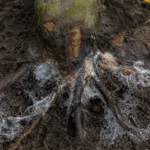 DiseaseWhite Root Rot (Rosellinia Root Rot)Rosellinia necatrix Berl. ex Prill. (synonym: Dematophora necatrix)
 DiseaseSouthern blightAthelia rolfsii
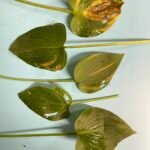 PestStrawberry foliar nematodeAphelenchoides fragariae
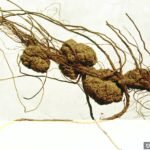 DiseaseCrown gallAgrobacterium tumefaciens (現在 commonly classified as Rhizobium radiobacter)
 DiseaseAsh diebackHymenoscyphus fraxineus
 DiseasePurple BlotchAlternaria porri (Ellis) Ciferri
 DiseaseBacterial Fruit BlotchAcidovorax citrulli
Toxicity and pollen
Reliable plant-specific toxicity data for this exact taxon are limited. Peony references identify paeonol or related compounds in the genus and veterinary sources list peonies as potentially harmful to pets, with gastrointestinal upset possible after ingestion. Do not consume this ornamental plant, and prevent chewing of roots, foliage, flowers, or seeds.
- Typical season
- Late spring to early summer during flowering
- Pollination / pollen
- Exposed insect-carried pollen
Peony pollen is primarily released from exposed anthers within the flower and is generally carried by flower visitors rather than dispersed in large airborne clouds. Airborne allergy risk for this exact taxon is not well studied, so sensitive individuals should still avoid handling flowers during peak bloom if symptoms occur.
Native habitat
Native populations occur in temperate mountainous regions of China, including Qinghai, Tibet, Gansu, Shaanxi, Shanxi, Sichuan, and nearby areas. The plant is associated with alpine meadows, grassy woodland margins, open forest, and shrub communities at roughly 5,900–12,800 feet, usually in relatively moist soils.
Interesting fact
This taxon was first described as Paeonia veitchii and later reduced by some authors to a subspecies of Paeonia anomala. Its usual two to four developed flowers per stem help distinguish it from typical P. anomala. The deeply divided leaves are unusually fine for a peony. It is native to high-elevation regions of China.
Frequently asked questions (FAQ)
The most relevant questions about this plant, with short and direct answers.
🌱Quick care
What is Paeonia anomala veitchii?⌄
Paeonia anomala veitchii is a herbaceous peony taxon from central China, also widely treated botanically as Paeonia veitchii or Paeonia anomala subsp. veitchii. It forms a clump of finely divided foliage and typically produces multiple flowers per stem.
What is the common name for Paeonia anomala veitchii?⌄
No consistently verified US common name is established for Paeonia anomala veitchii. It may be labeled Veitch’s peony or Chinese peony in some horticultural and taxonomic sources, but the scientific name is the clearest identification.
🌤️Environment and placement
How much sun does Paeonia anomala veitchii need?⌄
Grow Paeonia anomala veitchii in full sun to partial shade. Morning sun or filtered afternoon light can be useful in hot climates, while too much shade may reduce flowering and produce weaker stems.
Can Paeonia anomala veitchii grow in partial shade?⌄
Yes, Paeonia anomala veitchii can grow in partial shade, especially where summers are hot. Choose a bright site with several hours of direct light because dense shade can limit flowering.
What soil is best for Paeonia anomala veitchii?⌄
The best soil is fertile, moisture-retentive but well-drained loam. The plant can tolerate clay, sand, and a broad pH range, but persistent waterlogging can damage its roots.
Is Paeonia anomala veitchii cold hardy?⌄
Yes, Paeonia anomala veitchii is a cold-hardy perennial when planted in well-drained soil. Winter survival is more likely to fail from wet, poorly drained conditions than from ordinary freezing temperatures.
What USDA hardiness zone is Paeonia anomala veitchii?⌄
A definitive USDA zone range is not consistently reported for this taxon, but it is regarded as a hardy peony suitable for many cold-winter regions. Local performance depends strongly on drainage, summer heat, and the source of the plant.
💧Care and problems
How often should I water Paeonia anomala veitchii?⌄
Water Paeonia anomala veitchii moderately, keeping the soil evenly moist during active growth. Water deeply when the surface begins to dry, and reduce watering after the foliage dies back in fall.
Why is my Paeonia anomala veitchii not blooming?⌄
Poor light, planting too deeply, recent transplanting, drought, or excessive nitrogen can reduce flowering. Give the plant bright light, steady moisture, and time to establish because peonies often need several seasons after planting before blooming well.
Does Paeonia anomala veitchii need fertilizer?⌄
Paeonia anomala veitchii usually needs only modest feeding in fertile soil. Apply compost or a balanced, low-nitrogen fertilizer in spring, avoiding heavy nitrogen applications that encourage foliage instead of flowers.
What pests affect Paeonia anomala veitchii?⌄
Paeonia anomala veitchii may be affected by leaf and bud eelworms and soil-dwelling moth larvae. Inspect new growth, remove badly damaged material, and improve sanitation rather than treating routinely without identifying the pest.
What diseases can Paeonia anomala veitchii get?⌄
Possible problems include peony leaf blotch, peony wilt, Verticillium wilt, virus diseases, and honey fungus. Good airflow, careful watering, removal of diseased foliage, and well-drained soil help reduce risk.
🪴Planting and repotting
When should I plant Paeonia anomala veitchii?⌄
Plant Paeonia anomala veitchii in early fall whenever possible, or in early spring before vigorous growth begins. Fall planting allows the roots to establish before winter and is generally preferable to moving an actively growing plant.
How deeply should I plant Paeonia anomala veitchii?⌄
Plant the eyes of a bare-root division only about 1 to 2 inches below the soil surface in cold-winter areas, and slightly shallower in warmer areas. Excessive depth is a common cause of poor flowering.
Can Paeonia anomala veitchii be grown in a container?⌄
It can be grown temporarily in a large, deep container, but it is better suited to the ground because its roots are substantial and the plant dislikes disturbance. Use a pot with excellent drainage and protect the roots from extreme winter temperature swings.
Does Paeonia anomala veitchii resent transplanting?⌄
Yes, Paeonia anomala veitchii generally resents disturbance and may take several seasons to resume strong flowering after being moved. Transplant only when necessary, preferably in early fall, and preserve as much of the root system as possible.
✂️Propagation and pruning
How do you propagate Paeonia anomala veitchii?⌄
The most practical method is division in early fall or early spring. Seed propagation is also possible, but peony seeds may require extended warm and cold periods and can take several years to produce flowering plants.
Can Paeonia anomala veitchii be grown from seed?⌄
Yes, Paeonia anomala veitchii can be grown from seed, although germination is slow and irregular. Fresh seed generally benefits from alternating warm and cold conditions, and seedlings may need several years to flower.
When should I divide Paeonia anomala veitchii?⌄
Divide Paeonia anomala veitchii in early fall after the foliage begins to decline, or in very early spring before growth starts. Each division should include healthy roots and viable buds, but avoid dividing unnecessarily because recovery can be slow.
Should I cut back Paeonia anomala veitchii?⌄
Cut the stems to the ground in fall after the foliage has naturally died back. Remove faded flowers earlier if you want to prevent seed development, but leave healthy foliage in place until autumn so it can replenish the roots.
⚠️Toxicity and safety
Is Paeonia anomala veitchii toxic to dogs and cats?⌄
Paeonia anomala veitchii is potentially harmful if ingested, and its sap may irritate pets. Keep plant material away from dogs, cats, and children, and contact a veterinarian or poison-control service if ingestion causes symptoms.
Can people eat Paeonia anomala veitchii?⌄
No, Paeonia anomala veitchii should not be eaten as an ornamental garden plant. Ingestion may be harmful, and traditional medicinal uses of related peonies do not make home preparation or consumption of this plant safe.
Is Paeonia anomala veitchii deer resistant?⌄
Paeonia anomala veitchii is often considered relatively unappealing to deer, as are many garden peonies, but no plant is completely deer-proof. Hungry deer may still browse it, particularly where other food is scarce.
🌸Flowering and special interest
How many flowers does Paeonia anomala veitchii produce per stem?⌄
Paeonia anomala veitchii typically produces two to four developed flowers per stem, which helps distinguish it from typical Paeonia anomala forms that more often produce a single flower. Flower number can vary by plant and growing conditions.
What color are the flowers of Paeonia anomala veitchii?⌄
Flowers may range from red and pale red to rose, pink, or occasionally white. Color varies among plants, and the species is valued for its natural variation rather than a single standardized flower color.
When does Paeonia anomala veitchii bloom?⌄
Paeonia anomala veitchii generally blooms in spring to early summer, with timing influenced by latitude, elevation, and local weather. Plants in colder regions may flower later than those in mild climates.
Does Paeonia anomala veitchii have fragrant flowers?⌄
Fragrance is not consistently documented as a defining feature of Paeonia anomala veitchii. Some plants may have a light scent, but it is safer to choose this peony primarily for its flowers and finely divided foliage rather than dependable fragrance.
Similar plants
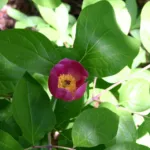 Woodland peony (Paeonia obovata) care guidePaeonia obovata
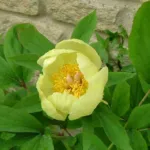 Paeonia mlokosewitschii care guidePaeonia mlokosewitschii
 Garden Peony (Paeonia officinalis) care guidePaeonia officinalis
 Fern-leaf Peony (Paeonia tenuifolia) care guidePaeonia tenuifolia
 Wild Peony (Paeonia mascula) care guidePaeonia mascula
 Delavay’s tree peony (Paeonia delavayi) care guidePaeonia delavayi