
 Source:
 Wild Peony (Paeonia mascula) short overview
Wild Peony is a clump-forming herbaceous perennial native to southern Europe, the eastern Mediterranean, and parts of western Asia. In late spring, it produces large, usually single, bowl-shaped flowers in deep pink, rose, red, or occasionally pale shades above divided blue-green foliage. It prefers a sunny to lightly shaded, sheltered position with fertile, well-drained soil and a distinct winter chilling period.
Taxonomic classification
Wild Peony (Paeonia mascula) care guide
Light and placement
Give Wild Peony full morning or afternoon sun for the strongest stems and flowering. In hot climates, light afternoon shade can reduce heat stress, especially on south- or west-facing sites. Avoid deep shade, where stems stretch and flowering declines. Pale foliage, weak stems, and few flowers suggest insufficient light; scorched margins or rapid wilting suggest excessive heat combined with dry roots.
Watering and humidity
Water deeply when the upper few inches of soil begin to dry, then allow excess water to drain. Keep newly planted divisions evenly moist during establishment, but do not keep the crown or root zone saturated. Reduce irrigation after foliage yellows and dies back in autumn. Consistent moisture during spring growth and bud development is more useful than frequent shallow watering.
Soil and growing medium
Plant in soil that holds some moisture but drains freely, such as fertile loam or sandy loam enriched with compost. Heavy clay should be opened with organic matter and, if necessary, planted slightly high rather than placed in a wet pocket. Calcareous soils are acceptable, and neutral to mildly alkaline conditions are often suitable. Avoid waterlogged beds and compacted planting holes.
Feeding
Spread a thin layer of mature compost around the plant in early spring, keeping it away from the crown. If growth is weak, use a balanced slow-release fertilizer at the label rate as shoots emerge. Avoid heavy nitrogen feeding, fresh manure, and late-season fertilizer, which can produce soft growth and increase disease risk without improving flowering.
Growth and habit
This species forms a persistent clump from thickened, tuberous roots and usually dies back to the ground after the growing season. Established plants become more floriferous with age but dislike repeated disturbance. Support is usually unnecessary in a sheltered site, although heavy rain can bend flower stems. Allow the foliage to mature after flowering so the roots can replenish reserves.
Planting and repotting
Choose a permanent, sheltered site because mature peonies resent frequent transplanting. Prepare a broad planting area rather than a narrow deep hole, loosen compacted soil, and set the fleshy roots horizontally with the dormant buds only lightly covered. Water thoroughly after planting and maintain even moisture through the first growing season. Fall planting usually gives roots the best establishment before spring growth.
Container culture is possible only in a large, deep container with excellent drainage. Repot or transplant during early fall while the plant is dormant, disturbing the fleshy roots as little as possible. Refresh the growing medium only when the container is crowded or the soil structure has deteriorated. Protect containers from repeated freeze-thaw exposure.
Propagation and pruning
Propagation
Propagation is possible from fresh seed or by division of dormant root sections. Seed usually requires a prolonged period of warm and cold conditions and may take more than one season to germinate; seedlings also take several years to flower. Divide established plants in early fall, keeping several healthy buds and substantial roots on each section. Division is slow and requires careful handling.
Pruning
Remove spent flowers if seed production is not desired. Cut the stems and foliage to ground level only after the leaves have yellowed or died back in autumn. Disinfect tools if removing diseased foliage, and do not cut healthy leaves immediately after flowering because they continue feeding the roots.
Overwintering
Leave the plant dormant outdoors where it receives a genuine winter chill. After the foliage dies back, remove debris and apply only a light, loose mulch in colder regions; do not bury the crown deeply. Container plants need protection from severe freeze-thaw cycles, but they should remain cold rather than be kept warm indoors.
Uses
Use Wild Peony as an ornamental specimen, in mixed perennial borders, sheltered woodland edges, or a cool rock-garden setting where the soil is deep and fertile. Flowers can be suitable for limited cutting, although harvesting reduces the plant’s display and leaf area. Do not use the roots, leaves, flowers, or seeds as food or medicine; peonies are treated as potentially harmful if eaten.
Appearance
The upright stems carry large, divided leaves that may be ternate, biternate, or more deeply divided into broad oval to elliptic leaflets. Foliage is commonly blue-green or glaucous, and regional forms may differ in hairiness beneath the leaflets. Flowers are solitary and showy, with broad petals surrounding numerous yellow stamens and several hairy carpels that later form follicles.
Flowering
Flowers are generally solitary at the ends of upright stems and may reach roughly 3–5 inches across. Regional forms vary from deep red or rose-pink to paler shades. The flowering period is relatively short, usually concentrated in spring, after which the fertilized carpels develop into follicles containing dark seeds and conspicuous fleshy arils.
Pollination and visitors
The open flowers expose abundant yellow stamens and are visited by generalist insects, including bees and other flower visitors. Evidence specific to Paeonia mascula is limited compared with the broader peony literature, so a precise principal pollinator species cannot be assigned confidently. Ants may also visit peony buds for extrafloral nectar, but they should not automatically be treated as the principal pollinator.
Paeonia mascula photos
Click any photo for a larger view. Source, author and license are shown separately.
Diseases and pests
Diseases
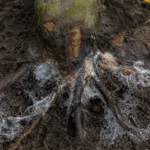
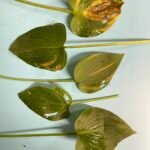
Peony leaf blotch, peony wilt, Verticillium wilt, viruses, and honey fungus may occur. Reduce risk with good spacing, morning sun, clean tools, and removal of fallen diseased foliage. Avoid overhead irrigation and excessive nitrogen. Remove and discard badly infected stems or plants rather than composting diseased material.
Pests
Pests are usually secondary to cultural problems. Inspect young shoots and flower buds for aphids, thrips, and other sap-feeding insects, and check for slug or snail damage in wet conditions. Encourage natural predators, wash minor infestations from foliage, and use targeted treatments only when damage is persistent or economically significant.
Related diseases and pests
Only Plant Doctor profiles whose host data indicate this plant may be affected are shown here.

Toxicity and pollen
Sources differ in emphasis, but Paeonia mascula and other peonies are commonly treated as mildly toxic or potentially harmful when plant material is ingested, while the RHS specifically flags pet skin irritation. Keep roots, leaves, flowers, and seeds away from children and pets, avoid ingestion, and wear gloves if handling causes skin sensitivity. Seek medical or veterinary advice after significant exposure.
- Typical season
- Usually spring, around April–June in the United States
- Pollination / pollen
- Pollen is released from numerous exposed stamens within the open flower.
Wild Peony has conspicuous stamens and produces pollen, but reliable species-specific data on airborne concentration and clinical allergy risk are limited. Because the flowers are generally insect-pollinated, pollen is often concentrated within the flower rather than dispersed widely; this does not prove zero allergy risk. People with known pollen sensitivity should avoid rubbing their eyes after handling flowers and wash hands afterward.
Native habitat
Wild Peony occurs in temperate and Mediterranean landscapes including open woodland, forest margins, scrub, meadow-like clearings, and rocky slopes. It is associated with well-drained soils, often over limestone or other mineral substrates, and may occur from low elevations into mountainous areas. Natural populations are variable and are divided by some authorities into regional subspecies.
Interesting fact
The accepted species is highly variable across its broad native range. Its fleshy underground roots allow the plant to survive seasonal drought and winter dormancy. The large flowers are usually single rather than densely double, making the stamens and carpels easy to observe. Several regional subspecies are recognized within the current broad species concept.
Frequently asked questions (FAQ)
The most relevant questions about this plant, with short and direct answers.
🌱Quick care
What is Paeonia mascula commonly called?⌄
Paeonia mascula is commonly called Wild Peony. It is an herbaceous perennial in the peony family, Paeoniaceae, and is accepted as a species by current botanical references.
🌤️Environment and placement
How much sun does Wild Peony need?⌄
Wild Peony grows best in full sun to partial shade. More sun generally supports stronger flowering, while light afternoon shade can help in hot U.S. climates.
Is Paeonia mascula cold hardy?⌄
Yes, Paeonia mascula is cold-hardy and benefits from winter chilling. Exact performance depends on the cultivar, provenance, and local winter conditions, so protection may be useful in unusually exposed sites.
Can Wild Peony grow in partial shade?⌄
Wild Peony can grow in partial shade, especially where it receives several hours of direct light. Heavy shade may reduce flowering and produce weaker, more stretched growth.
Is Wild Peony native to the United States?⌄
No, Paeonia mascula is native to parts of Europe and western Asia rather than the United States. In U.S. gardens it is grown as an ornamental species and should not automatically be treated as a native plant.
💧Care and problems
How often should I water Wild Peony?⌄
Water Wild Peony moderately, keeping the soil evenly moist during active growth without leaving it waterlogged. Established plants need additional water during prolonged summer heat or drought.
How do I fertilize Paeonia mascula?⌄
Apply compost or a light, balanced fertilizer in spring as new growth begins. Avoid excessive nitrogen, which can encourage lush foliage at the expense of flowers and may increase disease-prone growth.
Should I deadhead Wild Peony?⌄
Deadhead Wild Peony after flowering unless you want to collect seed. Removing spent flowers prevents unnecessary seed production and keeps the plant looking tidy, but leave the healthy foliage in place until it naturally declines.
When should I cut back Paeonia mascula?⌄
Cut back Paeonia mascula in fall after the foliage has yellowed or died back naturally. Remove the stems near ground level and discard diseased foliage rather than leaving it around the plant.
What pests and diseases affect Paeonia mascula?⌄
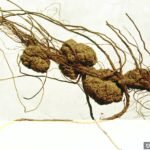
Paeonia mascula can be affected by peony leaf blotch, peony wilt, Verticillium wilt, honey fungus, viruses, eelworms, and soil-dwelling moth larvae. Good drainage, adequate spacing, sanitation, and removal of diseased foliage help reduce problems.
🪴Planting and repotting
What type of soil is best for Paeonia mascula?⌄
Plant Paeonia mascula in fertile, well-drained soil that holds moderate moisture. Loam, sandy loam, or improved clay is suitable when amended with organic matter.
When should I plant Paeonia mascula in the United States?⌄
Plant bare-root or divided Paeonia mascula in early fall when possible, allowing roots to establish before the ground freezes. Container-grown plants can be planted in spring or fall, but fall planting is usually less stressful.
How deep should I plant Wild Peony roots?⌄
Plant the dormant buds, or eyes, only about 1 to 2 inches below the soil surface. Planting them too deeply is a common reason peonies produce foliage but few or no flowers.
Does Paeonia mascula resent transplanting?⌄
Yes, Paeonia mascula is long-lived but resents disturbance and may take time to recover after transplanting. Choose the permanent site carefully and avoid moving an established plant unless necessary.
Can Wild Peony be grown in a container?⌄
Wild Peony can be grown temporarily in a large, deep container with excellent drainage, but it is better planted in the ground for long-term growth. Containers require closer monitoring of moisture, winter exposure, and root space.
✂️Propagation and pruning
How do I propagate Wild Peony by division?⌄
Divide Wild Peony in early fall or very early spring, separating root sections with healthy buds and roots attached. Division is generally faster and more predictable than growing the plant from seed.
Can Paeonia mascula be grown from seed?⌄
Yes, Paeonia mascula can be grown from seed, but germination is slow and uneven. Peony seeds commonly require a warm period followed by cold stratification, and seedlings may take two or more years to emerge or reach flowering size.
How long do Wild Peony seeds take to germinate?⌄
Wild Peony seeds may take one to three years to germinate because peony seeds often have complex dormancy. Outdoor sowing in fall can provide the natural temperature sequence they need, although results vary.
⚠️Toxicity and safety
Is Wild Peony toxic to people?⌄
Wild Peony should be treated as potentially harmful if eaten, and no part should be consumed without verified expert guidance. Keep plant material away from children and do not use it as a home remedy.
Is Paeonia mascula toxic to dogs and cats?⌄
Peony plants are considered toxic to dogs, cats, and horses by the ASPCA, with ingestion potentially causing vomiting, diarrhea, or depression. Contact a veterinarian or animal poison-control service if a pet eats the plant.
🌸Flowering and special interest
Why is my Wild Peony not flowering?⌄
Wild Peony may fail to flower because it is newly planted, planted too deeply, growing in too much shade, or stressed by poor drainage. Peonies can also need several seasons to become established before flowering reliably.
When does Paeonia mascula bloom?⌄
Paeonia mascula generally blooms in late spring or early summer, depending on climate and local weather. Individual plants may flower for a relatively short period, often around one to two weeks.
Can Wild Peony be used as a cut flower?⌄
Wild Peony can be used as a cut flower when grown vigorously and allowed to develop sturdy stems. Harvest stems when buds are showing color but are still partly closed, and keep the remaining foliage on the plant.
Similar plants
 Fern-leaf Peony (Paeonia tenuifolia) care guidePaeonia tenuifolia
  Common Garden Peony (Paeonia lactiflora) care guidePaeonia lactiflora
 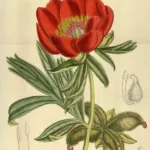 Balkan Peony (Paeonia peregrina) care guidePaeonia peregrina
 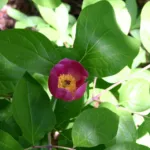 Woodland peony (Paeonia obovata) care guidePaeonia obovata
 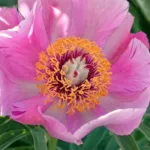 Paeonia anomala veitchii care guidePaeonia anomala veitchii
 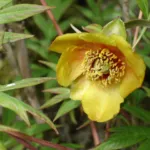 Delavay’s tree peony (Paeonia delavayi) care guidePaeonia delavayi