
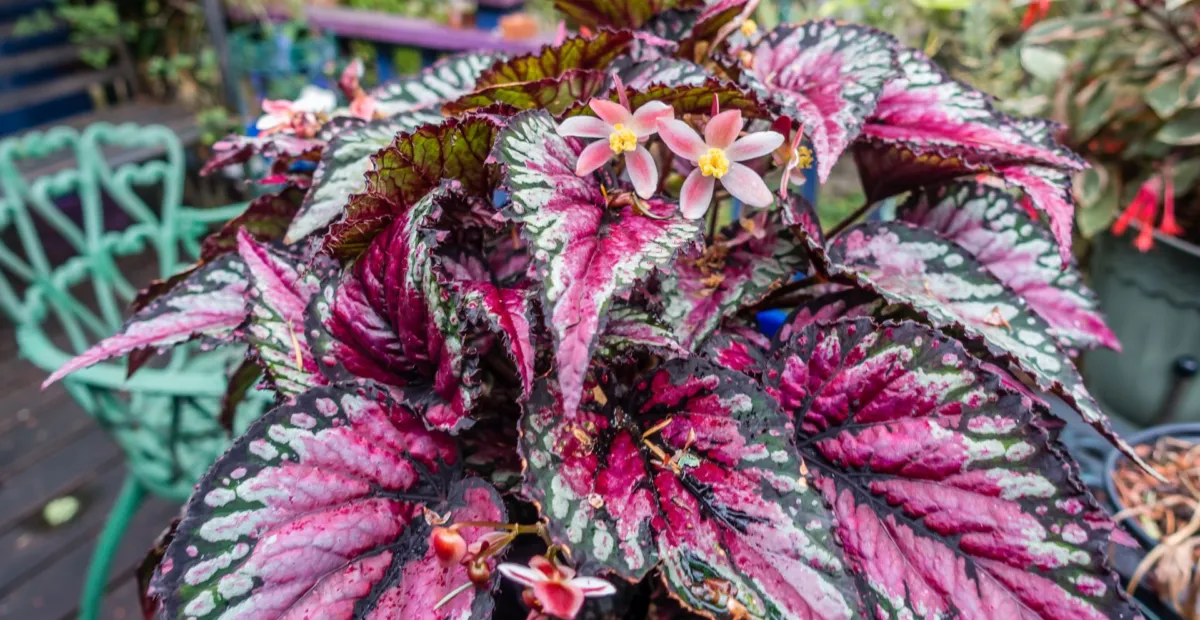
King begonia (Begonia rex) short overview
King begonia is a rhizomatous tropical foliage plant prized for broad, asymmetrical leaves marked with silver, burgundy, green, pink, or purple tones. Native to the eastern Himalayas and northern Myanmar, it is usually grown indoors in the United States, where bright filtered light, evenly moist but well-drained soil, steady warmth, and moderate to high humidity support the best color and growth. Small flowers may appear, but the dramatic foliage is the main attraction.
Taxonomic classification
King begonia (Begonia rex) care guide
Light and placement
Place near an east- or north-facing window, or a few feet from a bright south- or west-facing window behind a sheer curtain. Gentle morning sun can be tolerated, but hot direct afternoon sun may bleach or scorch the leaves. Weak, stretched growth and dull color indicate insufficient light; crisp brown patches or faded foliage suggest excessive sun or heat.
Watering and humidity
Water thoroughly when the surface begins to feel slightly dry, then allow excess water to drain completely. Keep the mix consistently lightly moist during active growth, but do not leave the rhizome or roots in stagnant water. Reduce frequency in winter, especially if growth slows. Water the soil rather than repeatedly wetting the leaves, and provide humidity through a humidifier or grouped plants with adequate ventilation.
Soil and growing medium
Use a loose indoor mix based on peat or coco coir with fine bark and perlite, or another porous blend that holds some moisture while draining quickly. Avoid dense garden soil and pots without drainage holes. A slightly acidic to neutral reaction suits normal growth; compacted or persistently saturated media increases the risk of rhizome and root decay.
Feeding
Feed during active growth with a balanced liquid fertilizer diluted to about one-quarter to one-half the label rate every 3–4 weeks. Water first if the potting mix is dry, and flush the container occasionally to limit salt buildup. Do not fertilize a stressed, recently divided, dormant, or badly root-damaged plant until it resumes healthy growth.
Growth and habit
This species develops leaves from a creeping rhizome and usually forms a low, spreading clump rather than a tall stemmed plant. Mature specimens can become crowded in a small pot, so remove weak leaves, rotate the container for even growth, and divide only when the rhizome has produced several healthy growing points.
Planting and repotting
Use a container only slightly larger than the root ball and ensure it has drainage holes. Set the shallow rhizome at the mix surface, keeping the crown dry and uncovered. Water gently after potting and place the plant in bright filtered light while it re-establishes. Avoid outdoor planting unless the site is frost-free, shaded, humid, and protected from harsh weather.
Repot in spring or early summer when roots or rhizomes have filled the container, usually moving up only one pot size. Use fresh porous mix and a shallow pot with drainage. Keep the rhizome crown at the surface, remove only dead roots, and give the plant bright filtered light while it recovers.
Propagation and pruning
Propagation
Propagate most reliably from healthy leaf sections, leaf cuttings, or rhizome division during active spring or summer growth. For division, separate pieces only when each section has a viable growing point and roots or rooting potential. Keep propagation media lightly moist, warm, and airy rather than saturated.
Pruning
Remove yellow, damaged, or diseased leaves at the base with clean scissors. Trim overly long petioles or crowded growth selectively to preserve the plant’s rounded form. Avoid cutting into the central rhizome unless dividing or removing clearly dead tissue.
Overwintering
Grow indoors before nighttime temperatures approach 50°F. Provide bright filtered light, warmth, and good humidity while reducing watering as growth slows. Keep leaves away from cold glass, heating vents, and drafts. If the plant becomes semi-dormant, avoid heavy feeding and keep the mix only lightly moist until new growth returns.
Uses
Used chiefly as an indoor foliage accent, terrarium or conservatory specimen, and shaded container plant in frost-free climates. Its patterned leaves suit desks, shelves, covered patios, and bright bathrooms. It is not recommended as an edible plant, and pets and children should be prevented from chewing it because the plant contains soluble calcium oxalates.
Appearance
Leaves are large, asymmetrical, and often heart-shaped or winged, with a strongly textured surface and contrasting bands, spirals, veins, or metallic patches. Color varies widely from green and silver to burgundy, rose, purple, and charcoal. Fleshy petioles arise from a creeping rhizome, making the rhizome and patterned leaves useful identification features.
Flowering
King begonia is grown primarily as a foliage plant. When mature and well established, it can produce small flowers on slender branched stalks, with male and female flowers occurring separately on the same plant. Indoor flowering is irregular and depends on light, temperature, plant maturity, and growing conditions.
Pollination and visitors
The flowers are structurally compatible with insect pollination, but reliable documentation identifying the principal animal visitors to Begonia rex specifically is limited. Do not treat its occasional indoor flowers as a dependable pollinator-garden resource.
Begonia rex photos
Click any photo for a larger view. Source, author and license are shown separately.
Diseases and pests
Diseases
The main risks are rhizome or root rot, powdery mildew, botrytis, and bacterial or fungal leaf spots. Prevent problems with a porous mix, drainage, moderate watering, good spacing, and airflow. Remove affected leaves promptly, keep foliage as dry as practical, isolate symptomatic plants, and avoid reusing contaminated potting mix.
Pests
Watch for spider mites, thrips, mealybugs, aphids, and fungus gnats. Dry air often favors mites, while persistently wet media favors fungus gnats. Inspect leaf undersides and new growth regularly; isolate affected plants, remove visible pests, and use insecticidal soap or another product labeled for indoor ornamentals according to its directions.
Related diseases and pests
Only Plant Doctor profiles whose host data indicate this plant may be affected are shown here.
 PestCitrus mealybugPlanococcus citri
 PestCyclamen mitePhytonemus pallidus
 PestBroad mitePolyphagotarsonemus latus (Banks)
 DiseaseCucumber mosaic virusCucumber mosaic virus
 DiseaseBlack Root RotBerkeleyomyces basicola
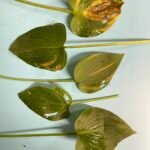 PestStrawberry foliar nematodeAphelenchoides fragariae
 DiseaseMaple powdery mildewSawadaea bicornis
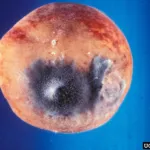 DiseaseRhizopus soft rotRhizopus stolonifer
Toxicity and pollen
ASPCA lists Begonia rex as toxic to dogs and cats because of soluble calcium oxalates, with vomiting and salivation among reported signs; the underground parts are identified as the most toxic. Keep the plant away from chewing pets and seek veterinary advice promptly after suspected ingestion, especially if symptoms occur.
- Pollination / pollen
- Pollen is produced by the male flowers, but airborne-allergy significance is not well established.
Begonia rex produces pollen in its male flowers, but dependable evidence about airborne concentration and allergy prevalence for this exact species is limited. Its flowers are generally inconspicuous indoors, yet sensitive people should avoid handling flowers if they notice symptoms and should maintain ventilation.
Native habitat
In its native range, Begonia rex is associated with humid subtropical environments of southern Bhutan and northern Myanmar. It is a rhizomatous geophyte adapted to warm, moist conditions and filtered light rather than exposed, dry sites. Cultivation succeeds when the root zone remains aerated and the foliage is protected from intense sun and cold.
Interesting fact
Begonia rex was formally described in the nineteenth century and is the source of the name used for the horticultural rex-begonia group. The species is a rhizomatous geophyte, meaning its stem is modified into a creeping underground structure. Many cultivated rex begonias are hybrids or selections and may not be botanically identical to the species.
Frequently asked questions (FAQ)
The most relevant questions about this plant, with short and direct answers.
🌱Quick care
How do you care for a king begonia indoors?⌄
Grow king begonia in bright filtered light, an airy moisture-retentive mix, and evenly moist soil that never stays waterlogged. Keep it warm, protected from drafts, and provide good airflow around the leaves.
Is Begonia rex easy to grow as a houseplant?⌄
Begonia rex is moderately challenging because it dislikes both prolonged dryness and soggy soil. Consistent moisture, filtered light, warmth, humidity, and airflow make it much easier to grow successfully.
🌤️Environment and placement
How much light does Begonia rex need?⌄
Begonia rex needs bright filtered or indirect light to maintain strong growth and colorful foliage. Protect it from intense direct afternoon sun, which can scorch the leaves; gentle morning sun may be tolerated if introduced gradually.
Can Begonia rex grow in a north-facing window?⌄
Begonia rex can grow in a bright north-facing window, although growth and leaf color may be weaker than in brighter filtered light. Move it closer to the window or supplement with a grow light if it becomes leggy or pale.
Can Begonia rex tolerate direct sunlight?⌄
Begonia rex generally does not tolerate strong direct sunlight, especially through a hot south- or west-facing window. A few hours of mild morning sun may be acceptable, but harsh light can cause bleached, brown, or crispy patches.
What humidity does Begonia rex need indoors?⌄
Begonia rex grows best with moderate to high humidity, commonly around 50% or higher, provided the foliage has good air circulation. Avoid crowding plants or keeping leaves constantly wet, because stagnant, damp conditions encourage fungal problems.
Can Begonia rex grow in a bathroom?⌄
Begonia rex can grow well in a bright bathroom if it receives filtered light and the room has enough ventilation. A dark bathroom or one with persistently stagnant air is unsuitable.
Can Begonia rex live outdoors in the United States?⌄
Begonia rex can live outdoors during warm, frost-free weather in bright shade, but it should usually be grown as an indoor plant in the United States. Bring it inside before temperatures approach the low 50s°F, and protect it from frost.
💧Care and problems
How often should you water Begonia rex?⌄
Water Begonia rex when the surface of the potting mix is beginning to dry, then water thoroughly and let excess drain away. Do not follow a fixed calendar because watering frequency changes with pot size, light, temperature, humidity, and season.
Should Begonia rex soil stay moist all the time?⌄
Begonia rex should remain lightly and evenly moist, but not constantly saturated. Allow the surface to dry slightly between waterings while preventing the entire root zone from becoming bone-dry for long periods.
Why are my Begonia rex leaves drooping?⌄
Drooping leaves usually indicate underwatering, root damage from overly wet soil, sudden temperature stress, or excessively strong light. Check the mix and roots before watering, because adding more water to a plant with root rot can worsen the problem.
Why are Begonia rex leaves turning brown and crispy?⌄
Brown, crispy edges commonly result from dry soil, low humidity, hot direct sun, or drafts. Correct the environmental stress gradually and remove severely damaged leaves, since brown tissue will not recover.
Why are Begonia rex leaves turning yellow?⌄
Yellow leaves are often caused by overwatering, poor drainage, insufficient light, or normal aging of older foliage. Check whether the mix remains wet for a long time and inspect the roots for softness or decay.
Can you mist Begonia rex leaves?⌄
Regularly misting Begonia rex leaves is not necessary and can increase the risk of leaf spots or fungal disease when air circulation is poor. Raise humidity with a humidifier, plant grouping, or a well-ventilated humidity tray instead.
Why does Begonia rex have brown or black spots on its leaves?⌄
Brown or black spots can result from fungal or bacterial disease, water sitting on leaves, overwatering, sun damage, or physical injury. Keep foliage dry, improve airflow, remove affected leaves with sterilized scissors, and correct the watering or light problem.
Does Begonia rex need fertilizer?⌄
Begonia rex benefits from a balanced, diluted houseplant fertilizer during active growth. Apply it according to the product label after the soil is already moist, and reduce or stop feeding during periods of weak growth or winter dormancy.
🪴Planting and repotting
What soil is best for Begonia rex?⌄
Use an airy, humus-rich, moisture-retentive potting mix amended for excellent drainage. A quality indoor mix with ingredients such as perlite, fine bark, or coco coir is generally more suitable than dense garden soil.
Does Begonia rex need a drainage hole?⌄
Yes, Begonia rex should be planted in a container with a drainage hole. Excess water must be able to escape because waterlogged soil can cause root and rhizome rot.
When should you repot Begonia rex?⌄
Repot Begonia rex when roots fill the container, water runs through unusually quickly, or the potting mix has broken down. Move it only one pot size larger and repot during active growth when possible to reduce stress.
Does Begonia rex like shallow pots?⌄
Begonia rex often performs well in a relatively shallow, well-draining pot because its rhizomatous growth habit does not require a very deep root zone. The container should still be wide enough for the plant and have a drainage hole.
✂️Propagation and pruning
How do you propagate Begonia rex from a leaf?⌄
Propagate Begonia rex from a healthy leaf by placing the leaf or cut leaf sections on a lightly moist, airy propagation medium with the veins contacting the surface. Provide bright indirect light, warmth, and moderate humidity until plantlets form.
Can Begonia rex be propagated in water?⌄
Begonia rex may root from leaf or stem material in water, but leaf propagation in a moist, airy medium is generally more dependable for producing plantlets. Change water regularly and move rooted material into mix before roots become long and fragile.
Can you propagate Begonia rex from a stem cutting?⌄
Yes, a healthy stem cutting with at least one node can usually be rooted in moist propagation mix or water. Keep the cutting warm and humid with bright indirect light, but avoid saturating the medium.
Should you prune Begonia rex?⌄
Begonia rex usually needs only light pruning to remove dead, damaged, or overcrowded leaves. Cut cleanly at the leaf stem and avoid removing too much foliage at once, since the leaves are the plant’s primary energy source.
Why is my Begonia rex getting leggy?⌄
Leggy growth usually means the plant is receiving too little light or is being rotated infrequently toward a one-sided light source. Move it into brighter filtered light and rotate the pot periodically to encourage more even growth.
⚠️Toxicity and safety
Is Begonia rex toxic to cats and dogs?⌄
Yes, Begonia rex is toxic to cats and dogs if chewed or ingested. It contains soluble calcium oxalates that can cause mouth irritation, drooling, vomiting, or other symptoms, so keep it away from pets and contact a veterinarian if ingestion occurs.
Which part of Begonia rex is most toxic to pets?⌄
The underground parts of Begonia rex are considered the most toxic, although chewing other parts may also cause irritation. Keep the entire plant out of reach of cats, dogs, and other animals.
🌸Flowering and special interest
Does Begonia rex flower indoors?⌄
Begonia rex can produce small flowers indoors, but it is grown mainly for its decorative foliage. Adequate filtered light, active growth, and good general care can encourage flowering, although individual cultivars vary.
Should you remove Begonia rex flowers?⌄
You may remove Begonia rex flowers if you prefer to emphasize the foliage or improve the plant’s appearance. Removing them is optional and is not required for routine plant health.
Similar plants
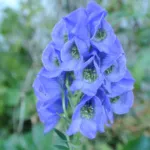 Azure Monkshood (Aconitum carmichaelii) care guideAconitum carmichaelii
 Monkshood (Aconitum ‘Stainless Steel’)Aconitum 'Stainless Steel'
 Monkshood (Aconitum ‘Bressingham Spire’)Aconitum 'Bressingham Spire'
 Golden full moon maple (Acer shirasawanum ‘Aureum’)Acer shirasawanum 'Aureum'
 Globosum (Acer platanoides ‘Globosum’)Acer platanoides 'Globosum'
 Striped maple (Acer pensylvanicum) care guideAcer pensylvanicum