
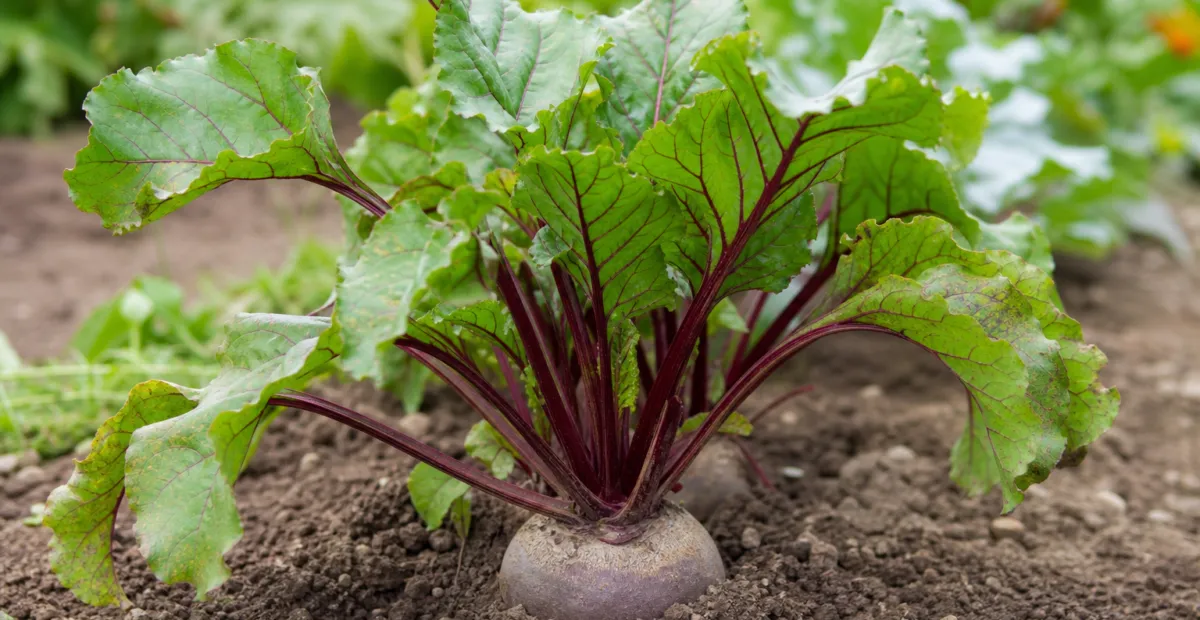
 AI-generated illustration
Beet (Beta vulgaris) short overview
Beet (Beta vulgaris) is a highly variable crop species that includes garden beet, Swiss chard, sugar beet, and mangel. In the United States it is usually grown as a cool-season annual for its swollen edible root or nutritious leaves, although the species is botanically biennial and can flower in its second year. Give it full sun, fertile soil, steady moisture, and room for the root to develop evenly.
Taxonomic classification
Beet (Beta vulgaris) care guide
Light and placement
Provide at least 6 hours of direct sun, ideally with morning-to-afternoon exposure in an open bed. Light shade can reduce vigor and root quality, while intense heat combined with drought may cause stress, premature bolting, or rough roots. In very hot climates, give plants afternoon protection while preserving strong morning light.
Watering and humidity
Keep soil consistently and evenly moist, especially from sowing through emergence and while roots enlarge. Water deeply when the upper inch of soil begins to dry rather than alternating severe drought with flooding. Mulch lightly to moderate soil temperature and reduce evaporation. Reduce irrigation only near harvest if conditions are cool; do not allow plants to wilt repeatedly.
Soil and growing medium
Grow in deep, friable soil that drains reliably but holds even moisture. Loam or amended sandy clay is suitable when compacted layers are removed. A soil pH around 6.0–7.5 is generally workable; consistent calcium availability and good structure help roots develop smoothly. Avoid freshly manured soil, which can encourage excessive foliage and misshapen roots.
Feeding
Incorporate mature compost before sowing if the soil is poor, then avoid heavy feeding during root development. Excess nitrogen can produce large tops and smaller, less uniform roots. If growth is weak, use a balanced vegetable fertilizer at the label rate rather than repeated high-nitrogen applications. Do not fertilize drought-stressed plants until the soil is rewatered.
Growth and habit
Plants form a compact basal rosette during the first season, storing reserves in the root or producing a substantial leaf harvest depending on the crop type. If allowed to overwinter, they bolt into branching seed stalks. Regular thinning, weed control, and steady moisture are more useful than frequent pruning.
Planting and repotting
Sow directly outdoors as soon as the soil can be worked in spring, then make succession sowings every few weeks for a continuous crop. In mild regions, sow again in late summer for a fall crop. Thin crowded seedlings early because each corky seed cluster may produce several seedlings. Keep the seedbed evenly moist until emergence.
Usually not needed in the ground. Container-grown plants can be transplanted while young, but root disturbance may reduce uniformity. Use a container at least 10–12 inches deep for full-size roots and provide drainage holes.
Propagation and pruning
Propagation
Propagate from seed. Direct sowing is preferred because beets form a taproot and can be set back by rough transplanting. Seed clusters can produce multiple seedlings, so thinning is normally part of establishment. For seed saving, isolate from other Beta vulgaris flowering types because cross-pollination is common.
Pruning
Do not prune the root crop. Harvest outer leaves selectively from leafy forms, leaving the central growing point intact. Remove damaged foliage promptly. If a plant is being kept for seed, do not cut back the flowering stems except to remove broken or diseased growth.
Overwintering
In mild climates, plants may overwinter outdoors under mulch and flower the following season. In colder regions, roots can be harvested before hard freezes, or selected plants can be protected with a thick organic mulch. Plants kept for seed must remain undisturbed until spring growth resumes.
Uses
Cultivated forms provide edible roots and leaves, sugar, livestock feed, and seed for crop production. Garden beets are harvested young or mature; leaves may be eaten as greens. Swiss chard represents a leaf-focused crop form, while sugar beet is grown industrially. Culinary use does not establish medicinal claims, and preparation should follow normal food-safety practices.
Appearance
The first-season plant forms a low rosette of broad, often glossy leaves with prominent veins and fleshy petioles. Cultivars range from green-leaved forms to strongly red, purple, yellow, or striped foliage. Garden beet develops a swollen root partly above or below the soil surface, with colors ranging from red and purple to golden and white.
Flowering
In the second season, overwintered plants send up tall, branched flowering stems bearing clusters of small, mostly green flowers in the leaf axils. Flowering is inconspicuous compared with the swollen root and is mainly associated with plants retained for seed. Cultivars and related crop groups may differ in bolting and flowering response.
Pollination and visitors
Flowering Beta vulgaris is primarily wind-pollinated rather than dependent on animal visitors. Small flowers may be visited incidentally by insects, but reliable animal pollinator attraction is not well documented for this species as a garden crop.
Beta vulgaris photos
Click any photo for a larger view. Source, author and license are shown separately.
Diseases and pests
Diseases
Rotate away from other Chenopodiaceae and avoid prolonged leaf wetness. Cercospora leaf spot causes circular gray-tan lesions with darker margins; remove badly affected foliage and improve airflow. Root rots are favored by waterlogged or compacted soil, so use raised beds or improve drainage where necessary.
Pests
Leaf miners create winding pale tunnels in leaves; remove affected leaves and use row cover over young plants. Aphids may cluster on new growth and can be reduced with water sprays or beneficial insects. Flea beetles make small holes in seedlings; keep plants growing vigorously and protect early sowings with insect mesh.
Related diseases and pests
Only Plant Doctor profiles whose host data indicate this plant may be affected are shown here.
 DiseaseCercospora leaf spotCercospora beticola Sacc.
 DiseaseTobacco mosaic virusTobamovirus tabaci
 DiseasePotato common scabStreptomyces scabiei (synonym: Streptomyces scabies)
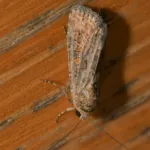 PestBeet ArmywormSpodoptera exigua (Hübner)
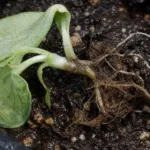 DiseasePythium ultimum Damping-Off and Root RotPythium ultimum Trow
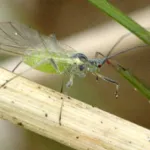 PestGreen Peach AphidMyzus persicae
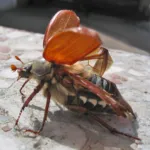 PestCommon cockchafer (European cockchafer)Melolontha melolontha
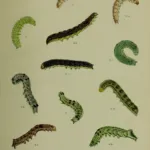 PestCabbage mothMamestra brassicae (Linnaeus, 1758)
Toxicity and pollen
ASPCA lists Beta vulgaris as non-toxic to dogs and cats, but large mature leaves contain oxalic acid. Human food use is well established, yet very large quantities of raw mature foliage are unnecessary; wash produce and cook leaves when appropriate. Seek medical or veterinary advice after unusual or severe symptoms.
- Typical season
- Typically summer in the United States when plants flower.
- Pollination / pollen
- Abundant, wind-dispersed pollen from second-year flowering plants
Beta vulgaris pollen is airborne and occupational allergy has been documented, particularly during intense exposure in seed-production or greenhouse work. Routine home-garden exposure is usually much lower, but flowering plants can release pollen in summer. People with known pollen sensitivity should avoid handling flowering plants when pollen is abundant and use appropriate protective measures.
Native habitat
Wild forms occur mainly in coastal and Mediterranean habitats, including sea-cliff, strand, disturbed, and ruderal environments. The species tolerates mineral soils and varied temperate conditions, while cultivated forms are adapted to fertile agricultural ground. In gardens, excessive compaction and waterlogging are more limiting than ordinary summer humidity.
Interesting fact
The species includes garden beet, Swiss chard, sugar beet, and mangel. Beet “seeds” are commonly corky fruit clusters containing multiple true seeds. Plants are biennial botanically but are usually harvested before flowering. The swollen beet root is a storage organ formed from the hypocotyl and upper root.
Frequently asked questions (FAQ)
The most relevant questions about this plant, with short and direct answers.
🌱Quick care
What is Beta vulgaris commonly called in the United States?⌄
Beta vulgaris is commonly called beet in the United States. Garden beet, red beet, and beetroot are also used for forms grown primarily for their edible roots.
Is beet an annual or perennial plant?⌄
Beet is usually grown as a cool-season annual vegetable. It is technically biennial, producing flowers and seeds in its second year if the root overwinters.
How much sun does beet need?⌄
Beet grows best in full sun, with at least 6 hours of direct light daily. It can tolerate some light afternoon shade, especially in hot climates, but roots may develop more slowly.
How often should I water beet plants?⌄
Water beet plants regularly to keep the soil evenly moist but not waterlogged. Inconsistent moisture can reduce root quality and contribute to tough, cracked, or poorly developed roots.
How long does beet take to grow?⌄
Many beet varieties reach harvest size in about 50 to 70 days from direct sowing. Baby beets and greens can be harvested earlier, while larger roots take longer and may become fibrous.
🌤️Environment and placement
What soil is best for growing beet?⌄
Beet prefers deep, fertile, well-drained soil that is loose enough for the taproot to expand. Remove stones and break up compaction before sowing to reduce misshapen roots.
What soil pH does beet prefer?⌄
Beet generally performs well in slightly acidic to neutral soil, approximately pH 6.0 to 7.5. A soil test can identify whether lime or other amendments are actually needed.
Can beet grow in partial shade?⌄
Beet can grow in partial shade, but full sun usually produces faster growth and larger roots. Shade is more acceptable when growing beet mainly for its edible greens.
Is beet tolerant of frost?⌄
Beet is frost tolerant as a cool-season crop and can withstand light freezes. Young plants may survive colder weather, but severe or prolonged freezing can damage roots and foliage.
Can beet survive winter outdoors?⌄
Beet may overwinter outdoors in mild climates when protected with mulch, but survival depends on variety, soil moisture, and local winter temperatures. In colder areas, harvest roots before the ground freezes.
💧Care and problems
Why are my beet plants producing tops but no roots?⌄
Overcrowding is a common reason beet plants produce foliage without developing good roots. Thin seedlings promptly, keep moisture consistent, and avoid excessive nitrogen fertilizer.
Why are my beet roots small?⌄
Small beet roots are often caused by overcrowding, poor soil fertility, drought stress, insufficient sunlight, or harvesting too early. Thin plants and maintain even moisture while allowing enough time for root enlargement.
Why are my beet roots cracked?⌄
Beet roots commonly crack after uneven watering, especially when a dry period is followed by heavy irrigation or rain. Keep soil evenly moist and add mulch to reduce moisture fluctuations.
Why are my beet leaves turning red or purple?⌄
Red or purple beet leaves can result from the plant’s natural pigmentation, cool temperatures, nutrient stress, or another growing problem. If growth is poor, check soil fertility and moisture before adding fertilizer.
How do I prevent beet plants from bolting?⌄
Reduce bolting by growing beet during cool weather, maintaining steady moisture, and choosing bolt-resistant varieties when available. Sudden heat or stress can encourage premature flowering.
How should I thin beet seedlings?⌄
Thin beet seedlings when they are a few inches tall, leaving the strongest plant every 3 to 4 inches. Because beet seed clusters often contain multiple seeds, thinning is usually essential for good root development.
How do I control weeds around beet plants?⌄
Control weeds early with shallow hand cultivation or careful hoeing because beet seedlings compete poorly and have shallow roots. Avoid deep cultivation, which can damage developing roots.
Can I fertilize beet plants with nitrogen?⌄
Use nitrogen sparingly because excessive nitrogen promotes leafy growth at the expense of roots. A soil test and a balanced vegetable fertilizer are safer than routine heavy feeding.
When should I harvest beet roots?⌄
Harvest beet roots whenever they reach the size you prefer, commonly about 1 1/4 to 3 inches in diameter. Smaller roots are tender, while roots larger than about 3 inches may become tough or fibrous.
Can I harvest beet greens without killing the plant?⌄
Yes, harvest a few outer beet leaves at a time while leaving the central growing point intact. Removing too many leaves can reduce the plant’s ability to enlarge its root.
How should I harvest and store fresh beet?⌄
Twist or cut off the greens, leaving about 1 inch of stem attached, and store the unwashed roots in a bag in the refrigerator. Keep the greens separately because they draw moisture from the roots and wilt quickly.
🪴Planting and repotting
When should I plant beet in the United States?⌄
Plant beet in early spring as soon as the soil can be worked, then sow again in late summer for a fall crop. Exact timing depends on your USDA hardiness zone and local frost dates.
Can I plant beet before the last frost?⌄
Yes, beet can usually be direct-sown several weeks before the average last frost because it is a cool-season crop. Avoid planting into saturated or frozen soil, which can slow germination.
Should beet seeds be soaked before planting?⌄
Soaking beet seeds is optional rather than necessary. Keeping the seedbed consistently moist is more important because beet seed clusters can germinate unevenly.
How deep should I plant beet seeds?⌄
Sow beet seeds about one-half inch deep in prepared soil. Planting too deeply can delay emergence, especially in heavy or crusted soil.
How far apart should beet plants be?⌄
Thin beet seedlings to about 3 to 4 inches apart for full-size roots, or closer for baby beets. Rows can be spaced roughly 12 to 18 inches apart, depending on cultivation space.
Can I grow beet in containers?⌄
Yes, beet grows well in containers that are at least 8 to 12 inches deep and have drainage holes. Use loose potting mix and thin plants so each root has enough space to develop.
Can beet be transplanted?⌄
Beet is best direct-sown because disturbing its taproot can cause transplant stress or misshapen roots. If started indoors, use biodegradable cells and transplant very young seedlings with minimal root disturbance.
✂️Propagation and pruning
How is beet propagated?⌄
Beet is propagated primarily from seed. Each corky seed cluster may contain multiple seeds, so seedlings usually need thinning after emergence.
Can I save seeds from beet plants?⌄
Yes, you can save beet seed, but the plant generally needs to overwinter and flower in its second year. Beets can cross with related Beta types, so seed purity requires adequate isolation.
Do beet plants need pruning?⌄
Beet does not need pruning for healthy root production. Harvesting a few mature outer leaves is sufficient if you want greens, but avoid removing the central leaves.
⚠️Toxicity and safety
Are beet roots and leaves edible?⌄
Yes, the roots, leaves, and tender stems of garden beet are edible when properly washed and prepared. Beet greens can be eaten raw when young or cooked like other leafy greens.
Is beet toxic to dogs and cats?⌄
Beet is listed as non-toxic to dogs and cats, although eating large amounts of any plant material can cause digestive upset. Large mature leaves contain oxalic acid, so pets should not consume them in excess.
Can beet cause red urine or stool?⌄
Yes, eating red beet can temporarily turn urine or stool pink, red, or reddish-brown. This is usually harmless, but unexplained discoloration that persists without recent beet consumption should be discussed with a healthcare professional.
🌸Flowering and special interest
Does beet flower?⌄
Yes, beet flowers if it is allowed to overwinter and complete its second growing season. The tall flowering stalk produces small, wind-pollinated flowers followed by seed clusters.
Why did my beet flower in its first year?⌄
First-year flowering, called bolting, is usually triggered by temperature stress, especially prolonged cold followed by warming, or by other stress conditions. Bolted roots may become woody, so harvest them promptly if edible quality remains acceptable.
Similar plants
 Foxtail Palm (Wodyetia bifurcata) care guideWodyetia bifurcata
 He Mexican fan palm (Washingtonia robusta) care guideWashingtonia robusta
 He California fan palm (Washingtonia filifera) care guideWashingtonia filifera
 Veitchia arecina care guideVeitchia arecina
 Trachycarpus latisectus care guideTrachycarpus latisectus
 He Chusan palm (Trachycarpus fortunei) care guideTrachycarpus fortunei