
Fire Blight
Erwinia amylovoraFire Blight overview
Fire blight is a destructive bacterial disease of apple, pear and many other members of the rose family, caused by Erwinia amylovora. Blossoms, shoots, leaves and branches can blacken rapidly, often forming a characteristic shepherd’s-crook shape. Warm, humid weather, open flowers, vigorous growth, hail and insect activity favor infection. Early sanitation, resistant plant selection and careful bloom protection are central to management.
Typical conditions
Overview
Fire blight is one of the most damaging bacterial diseases of apple, pear and related ornamental plants in the United States. The bacterium commonly enters through open flowers, but it can also invade through hail injury, wind damage, pruning wounds, frost injury and other natural openings.
Symptoms may progress quickly during warm, humid weather. Infected tissues often appear water-soaked at first, then wilt, turn brown to black and remain attached. The disease can move from shoots into larger branches and form perennial cankers that supply bacteria for future infections.
Diagnosis should be confirmed when practical because drought injury, frost damage, fungal cankers and other vascular problems can produce similar dieback.
Symptoms and identification
- Blossoms become water-soaked, wilted, brown or black and may remain attached.
- Young shoots wilt rapidly and commonly develop the characteristic curved shepherd’s-crook appearance.
- Leaves on infected shoots turn dull green, brown or black without necessarily dropping.
- Sunken, darkened or slightly cracked cankers develop on twigs and branches, often at the margin between healthy and diseased bark.
- In humid weather, sticky amber to reddish bacterial ooze may appear on cankers or infected tissues.
- Fruitlets may become blackened, shriveled and mummified; severe infections can girdle limbs or kill young trees.
Causes and spread
Erwinia amylovora survives primarily in infected bark and cankers, where it can multiply and produce bacterial ooze. Bees and other flower-visiting insects can carry bacteria from infected blossoms to healthy flowers. Splashing rain, wind-driven moisture, contaminated pruning equipment and contact with wounded tissues can also contribute to spread.
Hail, wind abrasion, frost, shoot-thinning injuries and other wounds are important entry points, especially during active bacterial populations. Excess nitrogen, heavy fertilization and overly vigorous succulent growth increase susceptibility. Disease pressure is often greatest when blossoms are open and temperatures are warm, with high humidity, rain, dew or frequent wetting.
Life cycle and persistence
The bacterium overwinters in the margins of cankers and becomes active in spring as temperatures rise. Bacterial ooze is produced during moist weather and is moved to flowers by insects, rain or handling. Flowers are highly susceptible during bloom, and infection can progress into the flower base, spur, shoot and branch.
After blossom infection, bacteria multiply in young tissues and move systemically or through adjacent bark and vascular tissues. New cankers may produce additional ooze, creating secondary infection sources. Summer storms and mechanical injury can initiate trauma blight on shoots or fruitlets. Infected perennial wood may harbor the bacterium through winter.
Treatment and control
There is no reliable curative treatment that restores fire-blighted tissue. Remove infected shoots and branches to reduce bacterial sources and protect remaining structure. In home landscapes, pruning during dry weather is generally preferable; cut well below visible symptoms and remove severely affected branches or young trees when recovery is unlikely.
For commercial orchards, bloom protection and post-storm protection may be considered only when products are registered for the specific crop and use. Disease forecasting, cultivar susceptibility, bloom timing, weather records and local extension recommendations should guide decisions. Antibiotic or copper treatments protect susceptible tissues; they do not cure established cankers, and resistance or phytotoxicity can limit their usefulness.
Low-impact and biological control
Use an integrated approach centered on sanitation, resistant cultivars, balanced nutrition, reduced tree vigor and careful moisture management. Remove cankers and blighted shoots, destroy or remove prunings, and prevent movement of contaminated tools and plant material.
Some biological products containing beneficial bacteria or yeasts are used to colonize blossoms and compete with Erwinia amylovora. Their performance depends on timing, weather, product strain and label directions, so they should be viewed as preventive tools rather than cures. Copper-based materials may be permitted in some organic systems, but they can injure foliage or fruit and must be used only in accordance with the current U.S. product label and applicable organic certification requirements.
Prevention
- Choose cultivars and rootstocks with documented fire blight resistance or lower susceptibility for the local climate.
- Purchase disease-free nursery stock and inspect trees before planting.
- Remove overwintering cankers during dormancy, cutting well below diseased margins into visibly healthy wood.
- During dry weather, remove newly blighted shoots promptly and dispose of them away from the planting. Avoid spreading contaminated material through piles or compost.
- Disinfect tools between cuts when practical, particularly when working in visibly diseased wood; clean and dry tools after using disinfectants.
- Avoid excessive nitrogen, heavy manure applications and irrigation practices that keep flowers and foliage wet.
- Reduce unnecessary pruning, rubbing, mowing or other injuries during periods of active growth.
- Monitor bloom, weather and hail events closely, especially in apple and pear plantings with a previous history of disease.
Interesting facts
- Fire blight is caused by a bacterium rather than a fungus, so many conventional fungicides do not control it.
- The shepherd’s-crook shape results from rapid death and bending of infected young shoots.
- Apple and pear are major economic hosts, but susceptibility also occurs in crabapple, quince, hawthorn, cotoneaster, firethorn, mountain ash, serviceberry and other Rosaceae plants.
- All pear cultivars are not equally susceptible, but pears are generally considered highly vulnerable compared with many apple cultivars.
- Some populations of Erwinia amylovora have reduced sensitivity or resistance to commonly used bactericides, making sanitation and resistance management especially important.
Use only products legally authorized in the United States for the specific crop, site and fire blight use, and follow the current product label, worker-protection requirements, resistance-management instructions and preharvest restrictions. Do not apply antibiotics, copper products, biologicals or growth regulators based on a generic program; product registrations and permitted uses vary by crop, state and production system.
Affected plants
The plants below are linked to this problem by structured host-plant data. The list updates automatically as new plant profiles are added.
 Apple tree (Malus domestica) care guideMalus domestica
 Pyracantha ‘Golden Charmer’Pyracantha 'Golden Charmer'
 Pyracantha ‘Mohave’Pyracantha 'Mohave'
 Pyracantha ‘Orange Charmer’Pyracantha 'Orange Charmer'
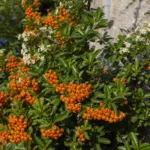 Pyracantha ‘Orange Glow’Pyracantha 'Orange Glow'
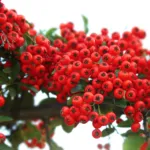 Pyracantha ‘Red Column’Pyracantha 'Red Column'
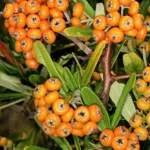 Narrowleaf Firethorn (Pyracantha angustifolia) care guidePyracantha angustifolia
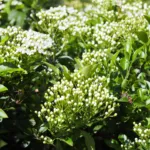 Firethorn (Pyracantha coccinea) care guidePyracantha coccinea
 Taiwan Firethorn (Pyracantha koidzumii) care guidePyracantha koidzumii
 Bunching onion (Allium fistulosum) care guideAllium fistulosum
 Wild Celery (Apium graveolens) care guideApium graveolens
 Border Forsythia (Forsythia intermedia) care guideForsythia intermedia