
 Source:
 Firethorn (Pyracantha coccinea) short overview
Firethorn is a thorny, broadleaf evergreen to semi-evergreen shrub valued for glossy foliage, white spring flowers and persistent orange-red pomes. Pyracantha coccinea suits sunny, well-drained sites, hedges, espaliers and wildlife plantings, but its sharp spines require careful handling. The berries are not considered highly poisonous, although large ingestions may cause mild stomach upset. Pyracantha coccinea is a thorny, upright to spreading shrub in the rose family. It has glossy dark green leaves, small white spring flowers and orange-red pomes that can persist into winter.
Taxonomic classification
Firethorn (Pyracantha coccinea) care guide
Light and placement
Grow in full sun for the strongest flowering, fruiting and densest habit; light partial shade is tolerated, especially in hot climates. A south- or west-facing wall can improve performance in cooler regions, while morning sun with afternoon protection suits very hot sites. Sparse flowering or weak, elongated shoots suggest insufficient light; scorched foliage may indicate excessive reflected heat or drought.
Watering and humidity
Water deeply and slowly when the upper few inches of soil begin to dry, directing water to the root zone rather than the foliage. Maintain more regular moisture during the first growing season and during prolonged summer heat, then allow the established shrub to dry moderately between irrigations. Do not keep the soil constantly saturated. Average outdoor humidity is adequate, so misting is unnecessary.
Soil and growing medium
Use a fertile but freely draining soil or container mix. The species tolerates clay, loam and sand when drainage is good, and performs best in acidic to neutral conditions. Avoid persistently waterlogged ground, especially in winter, because saturated roots can decline. Incorporating compost is useful in poor soil, but do not create a sharply different pocket from the surrounding soil.
Feeding
Apply a balanced, slow-release shrub fertilizer in early spring if growth is weak or soil fertility is poor. A thin mulch layer or finished compost can support steady growth, but keep it away from the stems. Avoid heavy nitrogen feeding, which can produce overly vigorous, soft growth and may reduce flowering and fruiting. Do not fertilize drought-stressed or newly transplanted plants until they recover.
Growth and habit
This species develops an upright, stiff, densely branched framework and can become overgrown without periodic training. Older branches bear spurs and short shoots that carry flowers and later fruit, so maintenance should preserve productive older wood. Its thorny structure makes formative pruning more demanding than ordinary hedge trimming.
Planting and repotting
Plant in spring or early fall while soil moisture supports establishment. Set the root ball level with the surrounding soil rather than burying the crown. Space plants about 4–8 feet apart for a hedge, depending on the desired density and pruning regime. Water deeply during the first growing season, then reduce irrigation as roots establish.
Container-grown plants are best moved in early spring before strong new growth. Use a sturdy container with drainage holes and a gritty, well-drained shrub mix. Repot only when roots have filled the container; frequent disturbance is unnecessary, and established plants can be difficult to transplant.
Propagation and pruning
Propagation
Sow cleaned seed after a period of cold, moist stratification; germination can be slow and variable. Semi-ripe summer cuttings taken with a heel may root under mist, while layering is practical for small numbers. Cultivars may require clonal propagation to preserve their traits. Protect new plants from drying until a strong root system develops.
Pruning
Prune after flowering when possible, shortening unwanted shoots while retaining older flowering spurs for next season. Avoid severe shearing immediately after bloom if berries are desired. Remove crossing, dead or badly placed branches with thorn-resistant gloves and eye protection. Rejuvenate gradually rather than cutting the entire shrub hard, particularly on established plants.
Overwintering
In USDA Zone 6 and exposed parts of Zone 7, shelter plants from drying winter winds and use an airy mulch over the root zone after the ground cools. Container plants are more vulnerable than in-ground specimens; place them in a protected location and prevent complete root-ball drying. In colder areas outside the reliable hardiness range, overwintering indoors is generally impractical because the shrub needs strong light and cool conditions.
Uses
Use Firethorn for hedges, barriers, espalier, wall training, specimen planting and winter fruit display. Dense thorny growth can provide shelter for birds, while the pomes are eaten and dispersed by birds. It is not recommended as a household food plant; despite low documented toxicity, the fruit may cause stomach upset and should not be eaten casually.
Appearance
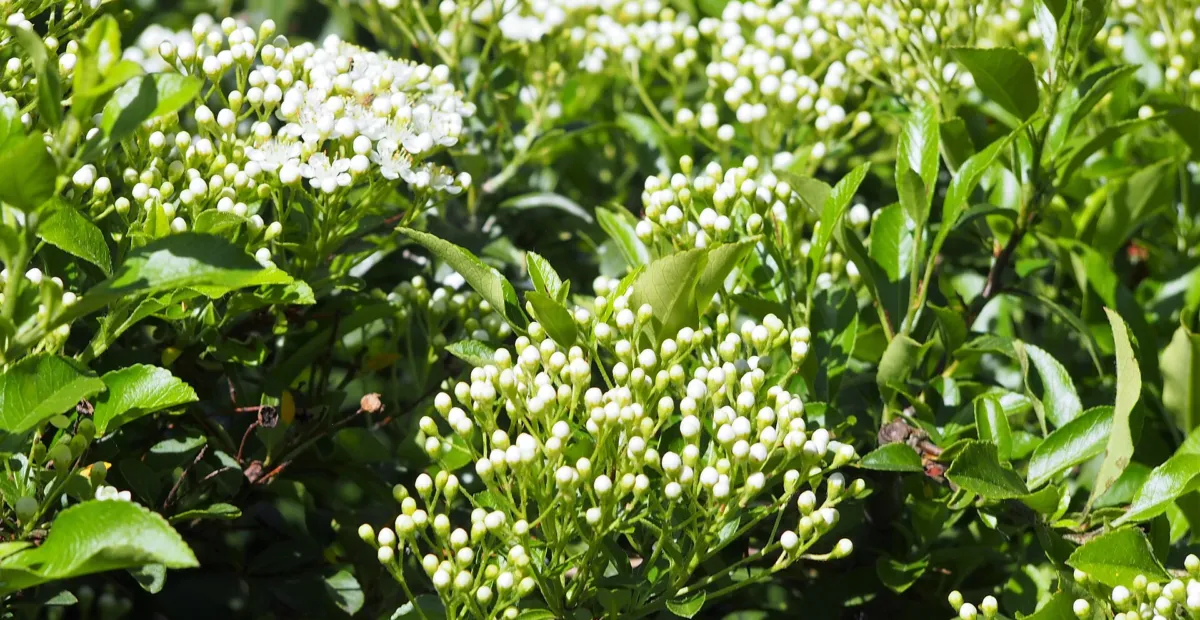
Firethorn is recognized by its glossy, alternate, simple leaves; pale, sometimes slightly hairy undersides; stiff branches; and sharp spur thorns. The shrub is upright to arching and broad in outline, with white flower clusters followed by tight groups of orange-red, berry-like pomes. Foliage may remain evergreen in mild winters but can become semi-evergreen in colder climates.
Flowering
Small white, five-petaled flowers are produced in dense corymbs on spurs and short shoots formed on older wood. Bloom occurs from late spring into early summer in much of the United States. Flowers are showy but commonly described as having a strong, unpleasant odor. Subsequent pomes mature from late summer into fall and may persist into winter.
Pollination and visitors
The small, open flowers are consistent with generalist insect visitation, and horticultural references identify bees as visitors. The available evidence does not justify naming a particular bee species for this exact taxon. Flowering shrubs may provide a useful late-spring nectar and pollen resource, but visitor numbers vary with weather and local insect populations.
Pyracantha coccinea photos
Click any photo for a larger view. Source, author and license are shown separately.
Diseases and pests
Diseases
Watch for fire blight, scab and iron chlorosis, especially where drainage is poor or soil conditions are unsuitable. Improve air circulation, avoid excessive nitrogen and remove clearly diseased shoots with disinfected tools. Irrigate at the soil line rather than wetting foliage. Severe recurring symptoms warrant local extension diagnosis because management depends on the disease and region.
Pests
Common problems include aphids, scale insects, spider mites and occasional caterpillars. Inspect new growth and leaf undersides regularly. Encourage natural enemies and use a strong water spray for minor infestations; reserve horticultural oils or insecticidal soap for confirmed problems and follow the product label. Avoid unnecessary broad-spectrum insecticides while the shrub is flowering.
Related diseases and pests
Only Plant Doctor profiles whose host data indicate this plant may be affected are shown here.
 DiseaseFire BlightErwinia amylovora
 DiseaseEntomosporium Leaf SpotDiplocarpon mespili (synonym: Entomosporium mespili)
 PestSan Jose scaleDiaspidiotus perniciosus
 PestGreen Apple AphidAphis pomi
 PestBroad mitePolyphagotarsonemus latus (Banks)
 Environmental stressChlorine deficiency (chloride deficiency)
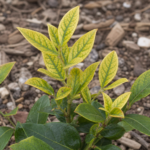 Environmental stressIron Deficiency Chlorosis
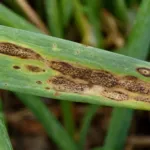 DiseaseStemphylium Leaf BlightStemphylium vesicarium (Wallr.) E.G. Simmons
Toxicity and pollen
Poison Control reports that Pyracantha berries have not been shown to be toxic to humans or animals, although large amounts may cause mild nausea, vomiting or other stomach upset. The bright pomes can also pose a choking risk to young children. The main physical hazard is puncture injury from the sharp thorns; wear heavy gloves and eye protection when pruning. Do not treat the fruit as a recommended edible crop.
- Typical season
- Spring to early summer flowering period
- Pollination / pollen
- Insect-dispersed flower pollen
This is an insect-pollinated shrub with exposed flower pollen, but reliable species-specific data on airborne pollen counts or allergy rates were not located. Do not assume zero allergy risk simply because insects visit the flowers. People with known pollen sensitivity should avoid prolonged close contact during bloom and wash hands after handling flowers.
Native habitat
The species is native from south-central and southern Europe eastward to Iran, where it occurs in temperate shrubland, woodland margins and disturbed habitats. In cultivation it tolerates heat, drought and a range of soil textures, provided drainage is reliable. In the United States it is introduced and may occur outside cultivation in disturbed sites; local invasive-plant guidance should be checked.
Interesting fact
The genus name combines Greek words for fire and thorn, referring to its bright fruit and spiny branches. Its fruit is botanically a pome, despite appearing berry-like. Birds consume the fruit and help disperse seeds. Plants can be trained as espaliers against walls or fences.
Frequently asked questions (FAQ)
The most relevant questions about this plant, with short and direct answers.
🌱Quick care
What is Firethorn (Pyracantha coccinea)?⌄
Firethorn (Pyracantha coccinea) is a thorny, broadleaf evergreen or semi-evergreen shrub in the rose family, Rosaceae. It is grown for white spring flowers, glossy foliage, and orange-red fruit clusters that often persist into winter.
How much sun does Firethorn need?⌄
Firethorn grows best in full sun to partial shade, with better flowering and fruiting in sunnier locations. Provide afternoon shade in very hot climates if the soil dries excessively.
How often should I water Firethorn?⌄
Water Firethorn moderately while it establishes, allowing the soil to dry slightly between waterings. Once established, it tolerates drought, but occasional deep watering during prolonged heat improves vigor and fruiting.
How cold-hardy is Pyracantha coccinea?⌄
Pyracantha coccinea is generally hardy in USDA Zones 6 through 9, although exact performance varies by cultivar and exposure. In colder areas, shelter it from drying winter winds and severe cold.
🌤️Environment and placement
Where should I plant Firethorn?⌄
Plant Firethorn where it has room to mature and where its sharp thorns will not contact children, pets, or frequent foot traffic. It works well as a hedge, barrier, wall-trained shrub, foundation plant, or espalier.
What soil is best for Pyracantha coccinea?⌄
Firethorn performs best in well-drained acidic to neutral soil. It tolerates several soil types, including clay, but poorly drained conditions and excessive fertility can weaken growth and reduce fruiting.
Can Firethorn grow in clay soil?⌄
Firethorn can tolerate clay soil if drainage is adequate. Improve compacted ground with organic matter and avoid planting where water remains around the roots after rain.
Can Firethorn grow in shade?⌄
Firethorn can tolerate partial shade, but heavy shade usually reduces flowering and fruit production and may increase disease problems. Aim for several hours of direct sunlight each day.
Is Firethorn suitable for a privacy hedge?⌄
Firethorn can make an effective privacy or security hedge because its dense branches and sharp thorns discourage passage. Regular pruning is needed to control its naturally rangy, spreading habit.
Can Firethorn be grown against a wall or fence?⌄
Firethorn can be trained against a wall or fence as an espalier, provided it has strong support and adequate air circulation. Tie branches carefully and prune after flowering to preserve the following season’s flower buds.
💧Care and problems
How large does Pyracantha coccinea get?⌄
Pyracantha coccinea can reach roughly 10 to 15 feet tall and wide when unpruned, although size varies by cultivar and growing conditions. Allow sufficient space unless you plan to prune it regularly.
When should I prune Firethorn?⌄
Prune Firethorn mainly after flowering, because it blooms on older wood. Light shaping can be done at other times, but late or heavy pruning may remove next year’s flowers and fruiting spurs.
How do I prune Firethorn safely?⌄
Wear thick gloves, long sleeves, eye protection, and use tools that keep your hands away from the branches. Remove crossing, damaged, or unwanted stems selectively rather than heavily shearing the entire shrub.
Why is my Firethorn not producing berries?⌄
Poor fruiting is commonly caused by insufficient sunlight, excessive pruning, or pruning after flower buds have formed. Excessive nitrogen fertilizer can also encourage leafy growth at the expense of flowers and fruit.
Why is my Firethorn losing leaves or turning brown?⌄
Leaf loss or browning can result from drought stress, winter injury, poor drainage, fire blight, scab, or leaf-spot diseases. Inspect stems and leaves for symptoms, correct watering and drainage issues, and remove clearly diseased material.
What diseases affect Pyracantha coccinea?⌄
Firethorn may be affected by fire blight, scab, leaf spots, and leaf blight. Avoid excessive fertilization, improve air circulation, remove diseased branches, and choose resistant cultivars where disease pressure is persistent.
What pests attack Firethorn?⌄
Common Firethorn pests include spider mites, scale insects, and lacebugs. Drought-stressed plants are more vulnerable, so maintain appropriate watering and inspect the undersides of leaves before using any treatment.
Does Firethorn need fertilizer?⌄
Firethorn usually needs little fertilizer when planted in reasonably fertile soil. Avoid heavy nitrogen feeding because it can cause rampant growth, lower berry production, and increase susceptibility to fire blight.
🪴Planting and repotting
When is the best time to plant Firethorn?⌄
Plant Firethorn in spring or fall when temperatures are moderate and the soil can be worked. Water it consistently during the first growing season, especially after spring planting or during summer heat.
Can Firethorn be transplanted?⌄
Firethorn is relatively difficult to transplant and may suffer significant root disturbance. Select the permanent site carefully and, when possible, plant a container-grown specimen without disturbing its root ball.
Can Pyracantha coccinea grow in a container?⌄
Pyracantha coccinea can be grown in a large container, especially when a compact cultivar is selected. Use a well-drained potting mix, provide full sun to partial shade, and protect the root system from severe winter cold.
✂️Propagation and pruning
How do I propagate Firethorn from cuttings?⌄
Propagate Firethorn from softwood or semi-hardwood cuttings taken during the growing season. Rooting is most reliable under humid conditions with a well-drained rooting medium and optional rooting hormone.
Can Firethorn be grown from seed?⌄
Firethorn can be grown from seed, but germination may require a period of cold, moist stratification and seedlings may not reproduce the parent plant exactly. Cuttings are generally preferred for preserving desirable cultivar traits.
Can Firethorn be trained as an espalier?⌄
Firethorn responds well to espalier training because its flexible young branches can be tied to a sturdy support. Begin training early and prune after flowering so the shrub retains productive older wood.
⚠️Toxicity and safety
Are Firethorn berries poisonous to people?⌄
Firethorn berries are considered low in toxicity and have not been shown to cause serious poisoning from small accidental ingestions. Eating large amounts may cause stomach upset, so do not treat the berries as a food plant.
Are Firethorn berries poisonous to dogs and cats?⌄
Firethorn berries are generally regarded as low-toxicity, but pets should not be allowed to eat large quantities because gastrointestinal upset is possible. Contact a veterinarian or animal poison service if a pet consumes many berries or develops symptoms.
Are Firethorn thorns dangerous?⌄
Firethorn thorns are not considered poisonous, but they can cause painful puncture wounds, irritation, and occasionally embedded-thorn injuries. Wear protective clothing when pruning and seek medical care for deep, retained, or infected punctures.
Is Firethorn safe to plant near children or walkways?⌄
Firethorn is best kept away from children’s play areas, narrow walkways, and places where people may brush against it. Its sharp thorns create a greater practical hazard than its low-toxicity berries.
🌸Flowering and special interest
When does Firethorn bloom?⌄
Firethorn usually blooms in late spring to early summer with small white flowers arranged in clusters. The flowers can have an unpleasant odor, especially when the shrub is in full bloom.
When do Firethorn berries appear?⌄
Firethorn fruit develops after flowering and typically colors from late summer into fall. Orange-red clusters may remain on the branches through winter, particularly when birds do not consume them quickly.
Do birds eat Firethorn berries?⌄
Birds commonly eat Firethorn berries, especially in fall and winter when other food sources are limited. The dense, thorny branches also provide useful cover and nesting protection for some birds.
Similar plants
 Saucer Magnolia (Magnolia soulangeana) care guideMagnolia soulangeana
 Magnolia × loebneri ‘Merrill’Magnolia × loebneri 'Merrill'
 Magnolia loebneri care guideMagnolia loebneri
 Sweetbay magnolia (Magnolia virginiana) care guideMagnolia virginiana
 Star magnolia (Magnolia stellata) care guideMagnolia stellata
 Magnolia sprengeri care guideMagnolia sprengeri