
 AI-generated illustration
Pyracantha ‘Orange Glow’ short overview
Pyracantha 'Orange Glow' is a vigorous evergreen firethorn valued for its glossy dark-green leaves, thorny upright growth, white flower clusters, and long-lasting bright-orange berries. It performs best in sun or partial shade with good drainage and can be used as a specimen, informal hedge, security planting, or wall-trained shrub. Give it room to mature and use heavy gloves when pruning. A vigorous, thorny evergreen firethorn with glossy dark-green foliage, white early-summer flowers, and abundant bright-orange berries that persist into the colder months.
Taxonomic classification
Pyracantha ‘Orange Glow’ care guide
Light and placement
Grow in full sun for the heaviest flowering and brightest berry display, or partial shade where afternoon heat is intense. A south- or west-facing position is suitable, while an open north-facing site may reduce flowering. Sparse flowers and weak, stretched growth suggest insufficient light; scorched foliage or drought stress suggests excessive heat combined with inadequate moisture.
Watering and humidity
Water deeply and regularly during the first growing season, allowing the surface to dry slightly between applications. Once established, water during prolonged summer drought, especially in sandy soil or against a hot wall. Avoid frequent shallow watering and do not leave the root zone saturated. Average outdoor humidity is adequate.
Soil and growing medium
Use fertile, well-drained soil that does not remain waterlogged. The cultivar tolerates clay, loam, sand, chalky soils, and a broad pH range from acidic to alkaline, but drainage is especially important in heavy ground. Incorporate compost only where soil structure is poor; excessive fertility can encourage weak, overly vigorous growth and reduce berry production.
Feeding
Feed lightly in early spring with a balanced, slow-release shrub fertilizer or a modest layer of mature compost around the root zone. Do not pile fertilizer against the stems. Avoid repeated high-nitrogen feeding, especially in fertile soil, because it can produce excessive leafy growth, reduce berry display, and increase disease-prone soft growth.
Growth and habit
A strong-growing shrub with an upright habit that may broaden and spread with age. Its vigorous, thorny framework is useful for screening and barrier planting but requires planned placement and regular maintenance near paths or windows. Wall training can help control the shape and display the fruit.
Planting and repotting
Plant in spring or fall while the soil is workable. Set the root ball level with the surrounding soil, water thoroughly, and mulch without touching the stems. Allow approximately 5–8 feet between plants for informal screening, using closer spacing only when a denser hedge is intended. Stake only if exposed plants are unstable, then remove support after establishment.
For container-grown plants, repot in spring when roots fill the container. Move to a slightly larger, heavy pot with a loam-based, free-draining mix. Mature specimens are better planted in the ground because their thorny, vigorous framework becomes difficult to manage in small containers.
Propagation and pruning
Propagation
Semi-hardwood cuttings are the most practical documented method, generally taken from late spring onward. Use clean material from healthy shoots, remove lower leaves, and root under humid conditions in a free-draining medium. Seed is not a reliable way to reproduce the cultivar because seedlings may not retain its selected traits.
Pruning
Prune after flowering if maintaining a hedge or controlled wall-trained form, preserving short fruiting spurs where possible. Remove dead, damaged, crossing, or badly placed shoots first. Long shoots can be shortened selectively rather than sheared indiscriminately, because heavy cutting may remove the wood that bears next season's flowers and fruit. Wear thick gloves and eye protection.
Overwintering
Established plants are generally hardy outdoors in suitable USDA Zones 6–9. Protect young plants from drying winter winds and severe exposure with a temporary windbreak or mulch over the root zone, keeping mulch away from stems. In colder areas, expect some leaf loss or dieback rather than assuming the plant will remain fully evergreen.
Uses
Use 'Orange Glow' for evergreen structure, bright winter fruit, informal screening, security hedges, wall training, and wildlife-friendly gardens. Its dense thorny framework can shelter birds, while the flowers provide accessible pollen and limited nectar for insects. The fruits are ornamental rather than a recommended food crop.
Appearance
Identification features include glossy, oblong dark-green leaves; stiff, thorn-bearing branches; dense upright growth; white flower clusters; and conspicuous bright-orange rounded fruits. The foliage may remain evergreen in mild climates but can become semi-evergreen or shed leaves after severe cold. The fruit is a small pome that resembles a berry.
Flowering
Small white, five-petaled flowers are produced in dense, broad clusters on short shoots in late spring or early summer. Flowering is followed by rounded, berry-like pomes that mature bright orange and can remain decorative into winter. Flowering and fruiting are generally strongest in good light; plants in deep shade may flower poorly.
Pollination and visitors
Pyracantha flowers have an open, accessible structure and are described as generalist insect-pollinated. Bees are documented visitors to Pyracantha, while hoverflies and other insects may also visit comparable species. Direct cultivar-specific visitor records for 'Orange Glow' are limited, so the attraction rating is conservative.
Diseases and pests
Diseases
Watch for pyracantha scab, fire blight, and honey fungus. Improve air circulation, avoid prolonged leaf wetness, remove diseased material promptly, and disinfect pruning tools between cuts. Avoid excessive nitrogen and waterlogged soil. Cultivar-specific resistance claims vary by source, so do not assume complete disease immunity.
Pests
Aphids, woolly aphid, caterpillars, brown scale, and leaf-mining moths may occur. Inspect new growth and leaf undersides, encourage natural enemies, and use targeted treatment only when damage is significant. Prune for airflow and avoid excessive nitrogen, which can produce soft growth attractive to pests.
Related diseases and pests
Only Plant Doctor profiles whose host data indicate this plant may be affected are shown here.
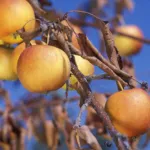 DiseaseFire BlightErwinia amylovora
 DiseaseEntomosporium Leaf SpotDiplocarpon mespili (synonym: Entomosporium mespili)
 PestSan Jose scaleDiaspidiotus perniciosus
 PestGreen Apple AphidAphis pomi
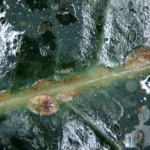 PestBrown Soft ScaleCoccus hesperidum
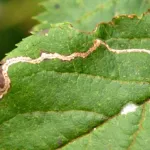 PestApple Leaf Mining MothLyonetia clerkella
 Environmental stressWaterlogging
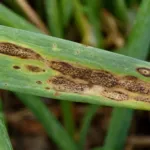 DiseaseStemphylium Leaf BlightStemphylium vesicarium (Wallr.) E.G. Simmons
Toxicity and pollen
Poison Control reports no demonstrated serious toxicity from Pyracantha berries in humans; eating large quantities may cause mild stomach upset, and the berries can present a choking risk. The bright fruits should still be treated as ornamental and not intentionally eaten. Thorns can cause painful puncture wounds, so wear heavy gloves and eye protection when handling the plant.
- Typical season
- Late spring to early summer
- Pollination / pollen
- Insect-dispersed pollen
This is an insect-pollinated shrub whose pollen is mainly deposited by flower visitors rather than released in large airborne clouds. A low allergy-risk label is appropriate as a practical estimate, but sensitive individuals may still react to nearby flowering plants. Avoid handling flowers or pruning when symptoms are a concern.
Native habitat
Pyracantha cultivars derive from firethorn species associated with temperate Mediterranean, European, and Asian habitats. They generally tolerate exposed conditions, pollution, and a range of soils, provided drainage is adequate. In cultivation, growth is strongest where roots have access to moisture without prolonged waterlogging.
Interesting fact
The orange fruits are berry-like pomes, not true berries.
Dense thorny branches provide protective cover for birds.
The cultivar has received the RHS Award of Garden Merit.
Its flowers are open and accessible to a range of insect visitors.
Frequently asked questions (FAQ)
The most relevant questions about this plant, with short and direct answers.
🌱Quick care
What is Pyracantha 'Orange Glow'?⌄
Pyracantha 'Orange Glow' is an evergreen or semi-evergreen firethorn shrub with glossy foliage, sharp thorns, white flowers, and long-lasting orange berries. It is grown as a specimen, hedge, screen, or wall-trained shrub.
How much sun does Pyracantha 'Orange Glow' need?⌄
Pyracantha 'Orange Glow' grows best in full sun but tolerates partial shade. More sunlight usually supports heavier flowering and berry production.
How often should I water Pyracantha 'Orange Glow'?⌄
Water deeply when the soil begins to dry during the first couple of growing seasons. Established plants usually need little supplemental water except during prolonged drought or when grown against a wall.
Is Pyracantha 'Orange Glow' evergreen?⌄
Pyracantha 'Orange Glow' is generally evergreen in mild climates and may become semi-evergreen in colder areas. Severe winter exposure can cause some leaf drop without necessarily killing the plant.
How large does Pyracantha 'Orange Glow' get?⌄
Pyracantha 'Orange Glow' commonly reaches about 5 to 8 feet tall and wide in cultivation, although size varies with climate, pruning, and training. Give it enough room for its thorny branches to spread.
🌤️Environment and placement
What USDA hardiness zones are suitable for Pyracantha 'Orange Glow'?⌄
Pyracantha 'Orange Glow' is generally suitable for USDA Zones 6 through 9. In colder parts of Zone 6, plant it in a protected location and expect possible winter foliage damage.
Where should I plant Pyracantha 'Orange Glow'?⌄
Plant it in a sunny to partly shaded site with well-drained soil and enough space away from walkways. It works especially well for hedges, privacy screens, slopes, fences, and walls.
Can Pyracantha 'Orange Glow' grow in clay soil?⌄
Pyracantha 'Orange Glow' can grow in clay soil if drainage is adequate. Improve persistently heavy or wet soil before planting because waterlogging can damage the roots.
Can Pyracantha 'Orange Glow' grow in a container?⌄
Pyracantha 'Orange Glow' can be grown in a large, stable container with drainage holes and well-drained potting mix. Container roots are more vulnerable to cold and drying, so provide winter protection and monitor moisture closely.
Can Pyracantha 'Orange Glow' be planted near a wall or fence?⌄
Yes, Pyracantha 'Orange Glow' can be trained against a wall or fence. Plant it about 20 inches away from the structure so the root zone is not trapped in the dry soil immediately beside the wall.
Is Pyracantha 'Orange Glow' good for privacy screening?⌄
Pyracantha 'Orange Glow' makes an effective privacy screen because it is dense, vigorous, and thorny. It can be grown as a free-standing hedge or trained along a fence or trellis.
💧Care and problems
Does Pyracantha 'Orange Glow' need fertilizer?⌄
Pyracantha 'Orange Glow' usually does not need regular fertilizer in reasonably fertile soil. An annual spring mulch of compost or well-rotted organic matter is generally more useful than routine feeding.
Why is my Pyracantha 'Orange Glow' not producing berries?⌄
Poor berrying is commonly caused by excessive pruning, insufficient light, or poor pollination. Avoid cutting away the previous season’s flowering wood and give the shrub more sun if possible.
Why are the leaves on my Pyracantha 'Orange Glow' turning black?⌄
Black spots on leaves or berries may indicate pyracantha scab, especially when affected tissue yellows or drops prematurely. Remove infected debris and badly affected shoots, improve air circulation, and avoid overhead watering.
What pests affect Pyracantha 'Orange Glow'?⌄
Pyracantha 'Orange Glow' may be affected by aphids, woolly aphids, scale, caterpillars, or leaf-mining moths. Inspect new growth and foliage regularly and use the least disruptive control appropriate for the pest.
Can Pyracantha 'Orange Glow' get fire blight?⌄
Yes, Pyracantha 'Orange Glow' can be affected by fire blight, although cultivar resistance may reduce risk. Prune out diseased tissue well below visible symptoms with disinfected tools and avoid spreading the infection.
Why is my Pyracantha 'Orange Glow' losing leaves?⌄
Some leaf loss can occur after severe cold, drought, transplanting, or disease. Check soil moisture, winter exposure, roots, and foliage for scab or fire-blight symptoms before assuming the plant is dead.
🪴Planting and repotting
When is the best time to plant Pyracantha 'Orange Glow'?⌄
Plant Pyracantha 'Orange Glow' in fall, winter, or early spring when the ground is workable. Fall planting is especially helpful because roots can establish before hot, dry summer weather.
How far apart should Pyracantha 'Orange Glow' plants be for a hedge?⌄
Space Pyracantha 'Orange Glow' plants about 20 inches apart for a dense hedge, adjusting the distance for the size of the nursery plants. Wider spacing produces a looser screen but reduces initial competition for water.
How do I plant Pyracantha 'Orange Glow' in the ground?⌄
Dig a hole no deeper than the root ball and about twice as wide, set the plant at the same depth it was growing, backfill with native soil, and water deeply. Apply mulch around the root zone while keeping it away from the stems.
Can Pyracantha 'Orange Glow' be transplanted?⌄
Pyracantha 'Orange Glow' can be transplanted, but established shrubs may be difficult to move because they develop substantial roots and thorny branches. Transplant during dormancy, preserve as much of the root ball as possible, and keep it evenly watered afterward.
✂️Propagation and pruning
How do I propagate Pyracantha 'Orange Glow' from cuttings?⌄
Propagate Pyracantha 'Orange Glow' from semi-hardwood cuttings taken from healthy current-season growth after flowering. Keep the cuttings in a moist, well-drained rooting medium under bright, indirect light until roots form.
Can Pyracantha 'Orange Glow' be grown from seed?⌄
It can be grown from seed, but seeds generally need a period of cold stratification and seedlings may not reproduce the named cultivar reliably. Use cuttings when you want plants true to 'Orange Glow'.
How long does Pyracantha 'Orange Glow' take to establish?⌄
Pyracantha 'Orange Glow' usually needs regular watering during its first one to two growing seasons while roots establish. Growth afterward can be vigorous if the plant receives adequate light and drainage.
Can Pyracantha 'Orange Glow' be trained as an espalier?⌄
Yes, Pyracantha 'Orange Glow' can be trained flat against a wall or fence as an espalier. Tie flexible young shoots to supports and prune selectively so you retain flowering and berry-bearing wood.
When should I prune Pyracantha 'Orange Glow'?⌄
For the best berry display, prune Pyracantha 'Orange Glow' after flowering or in late summer, shortening side shoots while retaining the older wood that carries next season’s flowers. Remove dead, damaged, or diseased growth whenever necessary.
Can Pyracantha 'Orange Glow' be cut back hard?⌄
Yes, Pyracantha 'Orange Glow' generally tolerates hard renovation pruning when badly overgrown. Severe pruning may reduce flowers and berries for a season, so stagger the work when possible.
How do I prune Pyracantha 'Orange Glow' safely?⌄
Wear thick gloves, long sleeves, eye protection, and use sharp, clean tools because the branches have strong thorns. Check the shrub carefully before reaching into dense growth, especially when pruning near paths or play areas.
⚠️Toxicity and safety
Are Pyracantha 'Orange Glow' berries poisonous?⌄
Pyracantha 'Orange Glow' berries are ornamental and are not recommended for eating. Keep children and pets from consuming them, and contact a poison-control or veterinary professional if a significant amount is eaten.
Are Pyracantha 'Orange Glow' thorns dangerous?⌄
The thorns can cause painful punctures and scratches, so place the shrub away from high-traffic areas and wear protective clothing when handling it. Do not use it where children or pets regularly brush against plants.
Is Pyracantha 'Orange Glow' deer resistant?⌄
Pyracantha 'Orange Glow' is often relatively resistant to deer because of its thorny branches and tough foliage. Deer resistance is not absolute, particularly when browsing pressure is high or food is scarce.
🌸Flowering and special interest
When does Pyracantha 'Orange Glow' flower?⌄
Pyracantha 'Orange Glow' usually flowers in late spring or early summer. Its small white flowers are followed by orange berries that develop from summer into fall.
When do Pyracantha 'Orange Glow' berries appear?⌄
The orange berries usually develop in late summer or fall and can persist into winter. Birds may gradually remove them, especially during cold weather when other food is scarce.
Does Pyracantha 'Orange Glow' attract birds?⌄
Yes, Pyracantha 'Orange Glow' provides berries for birds and dense thorny cover for shelter. Its flowers also attract pollinating insects.
Why did my Pyracantha 'Orange Glow' flower but not set berries?⌄
A shrub may flower without setting many berries because of poor pollination, unfavorable weather during bloom, insufficient sunlight, or pruning that removed fruiting wood. Avoid heavy trimming during or before flowering and encourage pollinator activity.
Similar plants
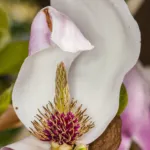 Saucer Magnolia (Magnolia soulangeana) care guideMagnolia soulangeana
 Magnolia × loebneri ‘Merrill’Magnolia × loebneri 'Merrill'
 Magnolia loebneri care guideMagnolia loebneri
 Sweetbay magnolia (Magnolia virginiana) care guideMagnolia virginiana
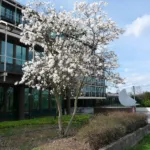 Star magnolia (Magnolia stellata) care guideMagnolia stellata
 Magnolia sprengeri care guideMagnolia sprengeri