
 Source:
 Narrowleaf Firethorn (Pyracantha angustifolia) short overview
Narrowleaf Firethorn is an evergreen, thorny shrub from western China with stiff branches and distinctive narrow leaves whose undersides are covered in gray felt. Small white flowers appear in spring, followed by long-lasting orange-yellow pomes that can brighten the garden into winter. Grow it in sun or light partial shade in well-drained soil. Its sharp spines make it useful for hedges and security planting, while fruit handling deserves caution around children and pets.
Taxonomic classification
Narrowleaf Firethorn (Pyracantha angustifolia) care guide
Light and placement
Grow in full sun for the densest habit, best flowering, and heaviest fruiting; light partial shade is acceptable, especially in hot regions. An east-, south-, or west-facing position with good air movement works well. Too little light produces looser growth and fewer flowers and berries. Excessive reflected heat or drought can scorch foliage, especially on newly planted shrubs.
Watering and humidity
Water deeply when the upper few inches of soil dry during establishment, usually once or twice weekly depending on heat and soil. After rooting in, the shrub tolerates short dry periods but performs best with occasional deep irrigation during prolonged summer drought. Avoid frequent shallow watering and saturated soil. Average outdoor humidity is adequate; supplemental misting is unnecessary.
Soil and growing medium
Use moderately fertile, well-drained soil; sandy or loamy ground is suitable, and established plants tolerate some calcareous conditions. Avoid persistently waterlogged sites, which encourage root problems. A slightly acidic to slightly alkaline reaction is generally acceptable. Improve heavy clay with organic matter and drainage rather than planting into a compacted basin.
Feeding
Apply a balanced slow-release shrub fertilizer in early spring if growth is weak or the soil is poor; otherwise, an annual compost mulch is usually sufficient. Water fertilizer in thoroughly. Avoid high-nitrogen feeding, which can produce soft leafy growth, reduce fruiting, and increase vulnerability to some pests and diseases. Do not fertilize drought-stressed or newly transplanted plants until they are recovering.
Growth and habit
This evergreen shrub develops a dense, stiff, spreading framework with thorn-tipped branches. It can be trained against a wall or maintained as an informal barrier. Fruit production is strongest when flowering wood is retained, so routine pruning should be selective rather than indiscriminate shearing.
Planting and repotting
Plant in spring or fall while the soil is workable. Set the root flare level with the surrounding soil, water deeply, and mulch lightly without covering the stem base. Space roughly 6–10 feet apart for informal screens, allowing more room for vigorous forms. Keep new plants evenly watered through their first growing season while roots establish.
For container plants, repot in early spring before strong growth begins, moving up only one pot size. Refresh some of the mix and preserve the root ball. Use a sturdy, free-draining shrub or loam-based container mix, and ensure the pot has ample drainage holes. Large specimens are better root-pruned or replaced than repeatedly shifted into very large containers.
Propagation and pruning
Propagation
Sow cleaned seed after a period of cold, moist stratification; germination may be slow. Semi-ripe or hardwood cuttings can be taken in suitable seasons with rooting hormone and bottom warmth. Layering is practical for selected branches, and grafting is used horticulturally. Seed-grown plants may vary in fruit color, habit, and hardiness.
Pruning
Prune after flowering if shaping is needed, shortening selected shoots while retaining fruiting wood. Remove dead, damaged, crossing, or badly congested branches at any time with heavy gloves and eye protection. Hard shearing can reduce the next season’s flowers and berries. Wall-trained plants need regular tying and selective thinning rather than repeated topping.
Overwintering
Established plants generally need no winter protection in suitable USDA zones. In colder or exposed sites, mulch the root zone after the ground cools, protect young plants from drying winds, and avoid late-summer nitrogen that encourages tender growth. Container specimens have less root insulation and should be sheltered from severe freezes or moved to an unheated protected space.
Uses
Useful as an informal hedge, barrier, security screen, wall-trained shrub, specimen, or winter-interest planting. The dense thorny structure provides shelter and nesting cover, while the fruit can support birds. Fruit should not be treated as an edible crop, and planting should be checked against local invasive-plant guidance because the species can naturalize in some regions.
Appearance
The plant has simple, narrow oblong to narrowly obovate leaves, usually with entire or faintly toothed margins. Upper surfaces are dark green and mostly hairless, while undersides are gray and felted. Young shoots are conspicuously woolly. Rigid branches carry sharp woody spines, and rounded orange-yellow pomes develop in clusters after flowering.
Flowering
Small, dull-white, five-petaled flowers are produced in dense clusters on the previous season’s growth, usually during spring in much of the United States. The flowers are open and accessible rather than highly specialized, with a faint scent and abundant pollen. Heavy pruning immediately after flowering can remove developing fruiting wood.
Pollination and visitors
Open flowers are visited by honey bees and several flies, including hoverfly relatives, in documented field observations. The flowers provide pollen and limited nectar. Visitor records come mainly from South African studies, so the exact visitor community can differ in United States gardens.
Pyracantha angustifolia photos
Click any photo for a larger view. Source, author and license are shown separately.
Diseases and pests
Diseases
Watch for fire blight, scab, and root disease in poorly drained soil. Reduce risk by providing good air circulation, avoiding overhead irrigation, removing infected shoots well below symptoms, and disinfecting pruners between cuts. Do not overwater or heavily fertilize stressed plants. Severe or recurring fire blight may require professional diagnosis and removal.
Pests
Potential pests include aphids, scale insects, spider mites, and caterpillars. Inspect new growth and leaf undersides regularly. Encourage natural enemies, wash off light infestations, and prune out badly affected shoots when appropriate. Use horticultural oil or insecticidal soap only according to the product label and avoid spraying open flowers when pollinators are active.
Related diseases and pests
Only Plant Doctor profiles whose host data indicate this plant may be affected are shown here.
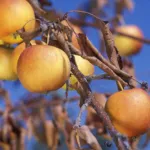 DiseaseFire BlightErwinia amylovora
 DiseaseEntomosporium Leaf SpotDiplocarpon mespili (synonym: Entomosporium mespili)
 PestSan Jose scaleDiaspidiotus perniciosus
 PestGreen Apple AphidAphis pomi
 Environmental stressOverwatering
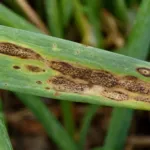 DiseaseStemphylium Leaf BlightStemphylium vesicarium (Wallr.) E.G. Simmons
 DiseaseChestnut blightCryphonectria parasitica (Murrill) M.E. Barr
 Environmental stressSalt stress
Toxicity and pollen
Poison Control reports no demonstrated serious toxicity for Pyracantha berries in humans or animals, although swallowing large quantities may cause mild stomach upset. Species-level evidence is limited, and fruit is bitter and not considered a food crop. Prevent eating, supervise children, wear gloves when handling thorny branches, and contact a poison center or veterinarian after substantial ingestion or concerning symptoms.
- Typical season
- Spring
- Pollination / pollen
- Insect-dispersed floral pollen
The species is insect-pollinated and releases pollen from exposed anthers during spring bloom. Airborne exposure is likely lower than for wind-pollinated plants, but low risk is not the same as zero risk. People with strong pollen sensitivity should avoid handling flowering branches closely and should wash after pruning.
Native habitat
Native to western China and adjacent Himalayan regions, where it occurs in upland shrublands, woodland margins, open slopes, and disturbed habitats. It favors seasonal moisture with periods of dryness, good drainage, and climates ranging from temperate to subtropical. In some introduced regions it has escaped cultivation and formed dense stands.
Interesting fact
The species is readily recognized by its narrow, nearly entire leaves and gray-felted undersides. Its orange-yellow pomes can remain attractive well into winter. Young shoots are densely woolly, while mature branches become stiff and spine-tipped. The fruit is a pome, botanically related to the fruits of apples and pears.
Frequently asked questions (FAQ)
The most relevant questions about this plant, with short and direct answers.
🌱Quick care
What is Narrowleaf Firethorn (Pyracantha angustifolia)?⌄
Narrowleaf Firethorn (Pyracantha angustifolia) is an evergreen or semi-evergreen thorny shrub in the rose family, grown for narrow leaves, white spring flowers, and yellow-orange to orange-red fruit. Its dense, spiny growth also makes it useful as a barrier or hedge.
How much sun does Pyracantha angustifolia need?⌄
Pyracantha angustifolia grows best in full sun, although it tolerates light partial shade. Flowering and fruit production are usually heavier with at least 6 hours of direct sunlight.
How often should I water Narrowleaf Firethorn?⌄
Water Narrowleaf Firethorn moderately while it establishes, usually during dry periods in the first couple of growing seasons. Once established, it is somewhat drought tolerant, but prolonged heat and drought can reduce flowering, fruiting, and foliage quality.
Is Pyracantha angustifolia evergreen?⌄
Pyracantha angustifolia is generally evergreen in mild climates but may become partially deciduous or lose foliage after severe cold. Its winter appearance depends on local conditions, exposure, and cultivar.
How big does Narrowleaf Firethorn get?⌄
Narrowleaf Firethorn can become a large shrub, commonly reaching about 6 to 12 feet tall and wide under favorable conditions. Size varies substantially with cultivar, pruning, climate, and whether it is trained against a support.
🌤️Environment and placement
What USDA hardiness zone is Pyracantha angustifolia?⌄
Pyracantha angustifolia is commonly grown in USDA Zones 6 or 7 and warmer, but hardiness varies by cultivar and site. A protected location and a cold-hardy selection are important in areas with severe winter temperatures.
What is the best soil for Narrowleaf Firethorn?⌄
Plant Narrowleaf Firethorn in well-drained loam or sandy soil with moderate fertility. It tolerates a range of soils, but persistent waterlogging can cause root problems and poor growth.
Can Pyracantha angustifolia grow in clay soil?⌄
Pyracantha angustifolia can grow in clay soil if drainage is improved and water does not remain around the roots. Incorporating organic matter into the planting area and avoiding low, saturated sites can help.
Can Narrowleaf Firethorn grow in drought conditions?⌄
Narrowleaf Firethorn tolerates moderate drought after its roots are established. Water it deeply during extended drought, especially in hot climates, newly planted sites, or sandy soil.
Where should I plant Pyracantha angustifolia?⌄
Plant Pyracantha angustifolia in a sunny, well-drained location with enough room for its mature width and thorny branches. It can be used as a freestanding shrub, hedge, security planting, or trained against a fence or wall.
Can Pyracantha angustifolia be grown against a wall or fence?⌄
Yes, Pyracantha angustifolia can be trained against a fence, trellis, or wall. Leave roughly 20 inches between the plant and a wall so the root zone is not placed in the driest area beside the foundation.
Does Narrowleaf Firethorn tolerate salt or wind?⌄
Narrowleaf Firethorn can tolerate exposed conditions once established, but severe wind, salt, and winter exposure may cause leaf damage or dieback. In coastal or windy areas, choose a protected site and monitor soil moisture.
💧Care and problems
How do I fertilize Pyracantha angustifolia?⌄
Fertilize Pyracantha angustifolia only when growth is weak or a soil test indicates a deficiency. Excess nitrogen can encourage leafy growth at the expense of flowers and berries, so use a balanced, slow-release fertilizer according to its label.
Why is my Narrowleaf Firethorn not producing berries?⌄
Poor light, insufficient flowering, severe pruning, drought stress, young age, or late frost can reduce berry production on Narrowleaf Firethorn. Prune after flowering rather than removing the short shoots that carry next season’s fruit.
What pests affect Pyracantha angustifolia?⌄
Pyracantha angustifolia may occasionally be affected by aphids, scale insects, caterpillars, or mites, although serious pest problems are not typical. Inspect new growth and treat only when damage is significant.
What diseases affect Narrowleaf Firethorn?⌄
Narrowleaf Firethorn can be affected by fire blight, scab, rust, leaf spot, and fruit rot, particularly where foliage stays wet or air circulation is poor. Remove diseased material, avoid overhead watering, and select cultivars with documented disease resistance when available.
Why are the leaves on my Pyracantha angustifolia turning brown?⌄
Brown leaves can result from drought, winter injury, root stress, salt exposure, or disease. Check soil moisture and drainage first, then inspect the foliage and stems for spots, dieback, insects, or signs of fire blight.
🪴Planting and repotting
When is the best time to plant Narrowleaf Firethorn?⌄
The best planting time is fall through early spring when the soil is workable and temperatures are mild. Container-grown plants can be planted at other times if they receive consistent irrigation during establishment.
How far apart should I plant Pyracantha angustifolia?⌄
Space freestanding Pyracantha angustifolia plants about 5 to 10 feet apart, depending on the cultivar and desired density. Hedge plants can be placed closer, but allow enough room for mature branches and maintenance access.
How do I plant Narrowleaf Firethorn in a container?⌄
Use a large container with drainage holes and a well-drained potting mix, then plant at the same depth as it was growing previously. Container-grown plants need more frequent watering and may require winter root protection in cold climates.
✂️Propagation and pruning
How do I propagate Pyracantha angustifolia from cuttings?⌄
Propagate Pyracantha angustifolia from semi-ripe or hardwood cuttings taken from healthy, nonflowering shoots. Rooting can be variable, so use clean equipment, a free-draining medium, consistent moisture, and more than one cutting.
Can I grow Narrowleaf Firethorn from seed?⌄
Yes, Narrowleaf Firethorn can be grown from seed, but germination may require a period of cold, moist stratification and seedlings may not reproduce the parent’s exact traits. Cuttings are usually preferred for maintaining a named cultivar.
When should I prune Pyracantha angustifolia?⌄
Prune Pyracantha angustifolia after flowering if you want to preserve the following season’s berries. Remove dead, damaged, crossing, or excessively crowded branches first, and avoid heavy pruning after flower buds have formed.
How do I prune Narrowleaf Firethorn safely?⌄
Wear thick gloves, long sleeves, eye protection, and use sharp tools when pruning Narrowleaf Firethorn because its branches carry long thorns. Cut back unwanted shoots to a lateral branch or healthy bud rather than leaving large stubs.
Can Pyracantha angustifolia be used as a hedge?⌄
Pyracantha angustifolia can form a dense, thorny hedge when planted and pruned appropriately. It may be useful for privacy and security, but place it away from walkways, children’s play areas, and frequently handled spaces.
⚠️Toxicity and safety
Are Narrowleaf Firethorn berries poisonous to people?⌄
Narrowleaf Firethorn berries are considered a low human-toxicity concern, and serious poisoning has not been reported from typical accidental exposure. Do not eat them, because large amounts may cause stomach upset and plant identification can be uncertain.
Are Pyracantha angustifolia berries safe for dogs and cats?⌄
Pyracantha berries have not been shown to cause serious toxicity in animals, but large amounts may cause gastrointestinal upset. Prevent pets from eating the berries and contact a veterinarian or animal poison service if a large ingestion occurs.
Are Narrowleaf Firethorn thorns dangerous?⌄
Narrowleaf Firethorn thorns can cause painful punctures and may leave embedded fragments or become infected. Handle the plant with protective clothing and seek medical care for deep punctures, retained thorns, increasing redness, swelling, or drainage.
Is Pyracantha angustifolia invasive in the United States?⌄
Pyracantha angustifolia has invasive potential in some regions, including parts of California, where birds can disperse its fruit into natural areas. Check state and local invasive-plant guidance before planting, and remove volunteer seedlings promptly.
🌸Flowering and special interest
When does Narrowleaf Firethorn flower?⌄
Narrowleaf Firethorn usually produces clusters of small white flowers in spring, with timing varying by climate and weather. Flowers are followed by ornamental fruit that develops through summer and often persists into fall or winter.
What color berries does Pyracantha angustifolia produce?⌄
Pyracantha angustifolia commonly produces yellow-orange, orange, or orange-red fruit, depending on the plant and cultivar. Fruit color can deepen as it ripens and may remain attractive after the leaves have lost some seasonal fullness.
Does Narrowleaf Firethorn attract birds and pollinators?⌄
Narrowleaf Firethorn flowers can provide resources for pollinating insects, while its dense branches offer cover and its fruit can be eaten by birds. Because fruit is bird-dispersed, avoid planting it where naturalization would be a concern.
Similar plants
 Saucer Magnolia (Magnolia soulangeana) care guideMagnolia soulangeana
 Magnolia × loebneri ‘Merrill’Magnolia × loebneri 'Merrill'
 Magnolia loebneri care guideMagnolia loebneri
 Sweetbay magnolia (Magnolia virginiana) care guideMagnolia virginiana
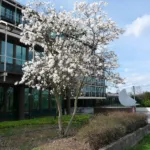 Star magnolia (Magnolia stellata) care guideMagnolia stellata
 Magnolia sprengeri care guideMagnolia sprengeri