
 Source:
 Taiwan Firethorn (Pyracantha koidzumii) short overview
Taiwan Firethorn is an evergreen shrub native to Taiwan, valued for thorny branches, glossy narrow leaves, white spring flowers, and bright red pomes that color the plant from late summer into the cooler months. In the United States it is best treated as a sun-loving specimen, hedge, container plant, or wildlife ornamental in mild regions. Provide excellent drainage and protect it from severe cold, especially while young.
Taxonomic classification
Taiwan Firethorn (Pyracantha koidzumii) care guide
Light and placement
Choose full sun for the best flowering, fruit color, and dense habit; a south- or west-facing position is particularly useful in the United States. Light partial shade is tolerated, but deep shade commonly produces weaker, more open growth and fewer flowers or fruits. Protect from drying winter winds in colder areas.
Watering and humidity
Water deeply when the upper few inches of soil become dry during establishment, then allow the root zone to dry moderately between irrigations. Reduce watering in cool weather and winter, especially for containers. Established plants tolerate some drought, but prolonged dryness can reduce flowering and fruiting.
Soil and growing medium
Use sandy or loamy soil that drains rapidly after rain. A moderately acidic to neutral reaction is suitable; avoid persistently saturated, compacted ground. In containers, combine a quality potting mix with extra bark, pumice, or perlite so roots remain oxygenated. Mulch lightly but keep it away from the stem base.
Feeding
Apply a balanced, slow-release fertilizer or a modest layer of finished compost in early spring. A second light application after flowering may help container plants, but avoid heavy nitrogen, which can produce soft leafy growth and reduce flowering and fruiting. Do not fertilize drought-stressed, newly transplanted, or dormant plants.
Growth and habit
This species forms a dense, branching evergreen framework and may become a large shrub or small tree if left unpruned. Growth is reported as slow in cultivation. Its thorny structure makes it useful for screening but complicates pruning, harvesting, and placement near walkways.
Planting and repotting
Plant in spring after the danger of hard freezes or in early fall where winters are mild. Set the root ball at the same depth it occupied in its container, water deeply to settle the soil, and maintain even moisture during the first growing season. For a hedge, allow roughly 2–3 feet between plants, adjusting for the desired density.
Repot container plants in early spring before strong growth begins, moving up only one pot size. Refresh part of the mix rather than disturbing the root ball heavily. Ensure the container has generous drainage holes; a shallow, wide pot can work well for trained specimens.
Propagation and pruning
Propagation
Sow cleaned seeds after a period of cool, moist stratification, or take semi-ripe cuttings in summer. Cuttings usually preserve the parent’s traits more reliably than seed but may root unevenly. Handle all material carefully because the branches are thorny.
Pruning
Prune after flowering or after the fruit display has finished, depending on whether flowers or berries are the priority. Shorten wayward shoots and thin congested growth to maintain airflow. Wear thick gloves and eye protection; avoid removing all fruiting wood if winter color is desired.
Overwintering
At the colder edge of its range, mulch the root zone after the ground cools and protect young plants from drying winds. Container specimens are more vulnerable: move them to an unheated, bright shelter before severe freezes, keeping the mix barely moist rather than wet.
Uses
Use as an evergreen specimen, informal hedge, trained wall plant, bonsai subject, or container shrub. Its flowers and persistent red pomes add seasonal interest, and the fruit is documented as attractive to birds. Keep it away from high-traffic paths because of the sharp thorns, and do not promote the berries as food.
Appearance
A dense evergreen shrub with many branching stems, sharp thorns, and narrow oblong to narrowly obovate leaves. The leaf margin is generally entire rather than strongly toothed, and the tip may be slightly notched. Older stems become gray and furrowed, while bright red pomes create the main seasonal display.
Flowering
Small white flowers are produced in branched clusters on the previous season’s growth, mainly during spring. Flowering can be sparse in deep shade or after severe winter damage. The flowers are followed by spherical red pomes that develop from late summer into fall and may remain into winter in favorable climates.
Pollination and visitors
Reliable species-specific pollinator records were not located. The spring flowers are small, white, and clustered, but animal visitor codes are left blank rather than inferred from flower form alone.
Pyracantha koidzumii photos
Click any photo for a larger view. Source, author and license are shown separately.
Diseases and pests
Diseases
Watch for fire blight, scab, and fungal leaf spotting, especially where foliage stays wet and air circulation is poor. Remove visibly affected tissue with disinfected tools and avoid overhead irrigation. Plant in a sunny, open position and dispose of infected prunings rather than composting them.
Pests
Common firethorn problems can include aphids, scale insects, spider mites, and caterpillars. Inspect tender shoots and leaf undersides regularly. Improve plant vigor with adequate light and irrigation, then use targeted horticultural soap or oil only when pests are confirmed and label directions permit.
Related diseases and pests
Only Plant Doctor profiles whose host data indicate this plant may be affected are shown here.
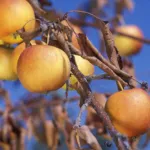 DiseaseFire BlightErwinia amylovora
 DiseaseEntomosporium Leaf SpotDiplocarpon mespili (synonym: Entomosporium mespili)
 PestSan Jose scaleDiaspidiotus perniciosus
 PestGreen Apple AphidAphis pomi
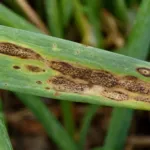 DiseaseStemphylium Leaf BlightStemphylium vesicarium (Wallr.) E.G. Simmons
 DiseaseChestnut blightCryphonectria parasitica (Murrill) M.E. Barr
 DiseaseBoxwood blightCalonectria pseudonaviculata
 DiseaseSouthern blightAthelia rolfsii
Toxicity and pollen
Poison Control reports no serious human toxicity from accidental or deliberate ingestion of Pyracantha berries, including this species among those considered. Berries may still cause gastrointestinal upset, and plant material should not be intentionally eaten. The thorns create a separate physical-injury risk.
- Typical season
- Spring, during flowering
- Pollination / pollen
- Primarily insect-carried pollen
As an insect-pollinated flowering shrub, it is not generally treated as a major airborne-pollen source. Exact allergenicity data for Pyracantha koidzumii are scarce, so the low rating is provisional rather than a claim of zero allergy risk.
Native habitat
Native to Taiwan, especially low-elevation eastern areas near stream and riverbed environments. It occurs in warm temperate to subtropical conditions and is associated with sunny, well-drained sites, including sandy soils. Wild populations have become difficult to find in parts of its native range.
Interesting fact
This species is endemic to Taiwan and is especially associated with low-elevation eastern stream and riverbed habitats. Its leaves have entire margins and a slightly notched tip, helping distinguish it from some serrated-leaved firethorns. The species name honors Japanese botanist Gen-ichi Koidzumi.
Frequently asked questions (FAQ)
The most relevant questions about this plant, with short and direct answers.
🌱Quick care
What is Taiwan Firethorn?⌄
Taiwan Firethorn is the evergreen shrub Pyracantha koidzumii, a thorny member of the rose family. It is grown for glossy foliage, white spring flowers, and bright orange-red fruit clusters.
How much sunlight does Taiwan Firethorn need?⌄
Taiwan Firethorn grows best in full sun but tolerates partial shade. More direct light generally produces heavier flowering and fruiting.
How often should I water Taiwan Firethorn?⌄
Water Taiwan Firethorn regularly while it establishes, then allow the soil to dry somewhat between waterings. Established plants are fairly drought tolerant but perform poorly in persistently dry or waterlogged soil.
Is Taiwan Firethorn evergreen?⌄
Taiwan Firethorn is generally evergreen in mild climates, although severe cold can cause leaf loss or damage. Its winter appearance depends on local temperatures and exposure.
🌤️Environment and placement
What USDA hardiness zones are suitable for Taiwan Firethorn?⌄
Taiwan Firethorn is best suited to mild U.S. climates, commonly around USDA Zones 7 through 9. Protect it from prolonged severe freezes, especially when grown in exposed sites or containers.
Where should I plant Taiwan Firethorn?⌄
Plant Taiwan Firethorn in a sunny, well-drained location with enough room for its thorny branches. It works well as a specimen, hedge, trained wall plant, or defensive barrier.
Can Taiwan Firethorn grow in partial shade?⌄
Yes, Taiwan Firethorn can grow in partial shade, particularly in hot climates. However, shade usually reduces flowering and the number of decorative fruit clusters.
What type of soil does Taiwan Firethorn need?⌄
Taiwan Firethorn prefers sandy or loamy soil that drains freely. It tolerates relatively poor soil, but heavy clay should be amended or avoided if it stays wet.
Can Taiwan Firethorn tolerate drought?⌄
Yes, established Taiwan Firethorn has good drought tolerance. Water deeply during extended heat or drought, especially if the plant is young or growing in a container.
Can Taiwan Firethorn tolerate wind?⌄
Taiwan Firethorn tolerates ordinary wind once established, but strong exposure can cause drying and branch damage. A sheltered location is preferable in areas with harsh winter winds.
💧Care and problems
How large does Taiwan Firethorn get?⌄
Taiwan Firethorn is a branching shrub whose mature size varies with climate, cultivar, and pruning. Allow several feet of growing space and check the nursery label for the particular selection.
When should Taiwan Firethorn be pruned?⌄
Prune Taiwan Firethorn after flowering if you want to preserve the developing fruit crop. Light shaping can be done later, but heavy late-season pruning may remove next season’s flowers or berries.
How do I prune Taiwan Firethorn safely?⌄
Wear thick gloves, long sleeves, eye protection, and use sharp bypass pruners because the stems carry stiff thorns. Remove dead, damaged, crossing, or unwanted branches first, then shape the remaining growth.
Why is my Taiwan Firethorn not producing berries?⌄
Poor light, young age, excessive pruning, drought during flowering, or inadequate pollination can reduce berries on Taiwan Firethorn. Full sun and pruning after flowering usually improve fruiting.
What pests affect Taiwan Firethorn?⌄
Taiwan Firethorn can be affected by aphids, scale insects, spider mites, and other common shrub pests. Inspect new growth and treat only when damage is significant, following the product label.
What diseases affect Taiwan Firethorn?⌄
Fire blight, scab, and other fungal or bacterial problems can affect Taiwan Firethorn and related firethorns. Improve air circulation, avoid overhead watering, and remove visibly diseased tissue with disinfected tools.
Why are the leaves on my Taiwan Firethorn turning brown?⌄
Brown leaves can result from drought, winter injury, root problems, salt exposure, or disease. Check soil moisture and drainage first, then inspect stems and foliage for lesions or pest activity.
🪴Planting and repotting
How do I plant Taiwan Firethorn in the ground?⌄
Set Taiwan Firethorn at the same depth it grew in its nursery container and backfill with native soil. Water thoroughly, apply a light mulch layer without touching the stem, and keep the root zone evenly moist during establishment.
Can Taiwan Firethorn be grown in a container?⌄
Yes, Taiwan Firethorn can be grown in a large container with drainage holes and a well-drained potting mix. Container plants need more frequent watering and extra protection from severe winter cold than in-ground plants.
Does Taiwan Firethorn transplant well?⌄
Taiwan Firethorn can be difficult to transplant once established because it resents root disturbance. Move young plants only when necessary, preserving as much of the root ball as possible.
✂️Propagation and pruning
How can I propagate Taiwan Firethorn from cuttings?⌄
Propagate Taiwan Firethorn from softwood or semi-hardwood cuttings taken during active growth. Use a clean, free-draining rooting medium, maintain high humidity, and expect rooting to take several weeks under favorable conditions.
Can Taiwan Firethorn be grown from seed?⌄
Yes, Taiwan Firethorn can be grown from seed, but germination may be slow or uneven and seedlings may not match the parent plant. Clean ripe seeds and provide the cool, moist treatment required for dormancy breaking.
Can Taiwan Firethorn be trained against a wall or fence?⌄
Yes, Taiwan Firethorn can be trained against a wall or fence with ties and selective pruning. Its thorny branches make it useful as a barrier, but provide sturdy support and leave room for maintenance access.
⚠️Toxicity and safety
Does Taiwan Firethorn have thorns?⌄
Yes, Taiwan Firethorn has stiff, sharp thorns along its branches. Avoid placing it beside narrow walkways or play areas, and use protective clothing when pruning.
Are Taiwan Firethorn berries poisonous?⌄
Taiwan Firethorn berries are not generally associated with serious poisoning, but they are not recommended for eating. Keep fruit away from young children and pets because ingestion can cause stomach upset and plant identification may be uncertain.
Is Taiwan Firethorn safe to plant around pets?⌄
Taiwan Firethorn is a low-concern ornamental plant, but its thorns can injure pets and its berries should not be intentionally eaten. Plant it where animals are less likely to brush against the branches or consume fallen fruit.
Is Taiwan Firethorn invasive in the United States?⌄
Invasiveness should be evaluated by state and local region because firethorn species and cultivars can behave differently. Before planting, check your state extension service or invasive-plant list rather than assuming that every Pyracantha is invasive.
🌸Flowering and special interest
When does Taiwan Firethorn bloom?⌄
Taiwan Firethorn typically blooms in spring, often from March through May in suitable climates. The small white flowers are produced in clusters on older growth.
When does Taiwan Firethorn produce berries?⌄
Taiwan Firethorn generally develops orange-red fruit from late summer into fall, with clusters often persisting into winter. Fruit production is usually best after a sunny spring and adequate moisture during flowering.
Are Taiwan Firethorn berries attractive to birds?⌄
Yes, the fruit can provide food for birds, particularly later in the season when other resources are limited. Birds may not consume all the fruit immediately, so clusters can remain ornamental for weeks or months.
Does Taiwan Firethorn need another plant for pollination?⌄
A single Taiwan Firethorn may produce fruit, but pollination and fruit set can vary with conditions and plant genetics. Growing compatible plants nearby may improve fruiting when one shrub produces few berries.
Similar plants
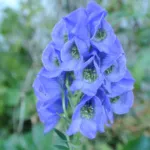 Azure Monkshood (Aconitum carmichaelii) care guideAconitum carmichaelii
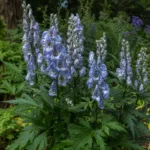 Monkshood (Aconitum ‘Stainless Steel’)Aconitum 'Stainless Steel'
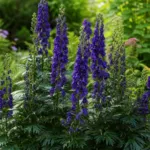 Monkshood (Aconitum ‘Bressingham Spire’)Aconitum 'Bressingham Spire'
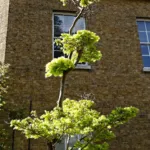 Golden full moon maple (Acer shirasawanum ‘Aureum’)Acer shirasawanum 'Aureum'
 Globosum (Acer platanoides ‘Globosum’)Acer platanoides 'Globosum'
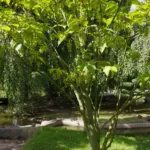 Striped maple (Acer pensylvanicum) care guideAcer pensylvanicum