
 Source:
 Pyracantha ‘Red Column’ short overview
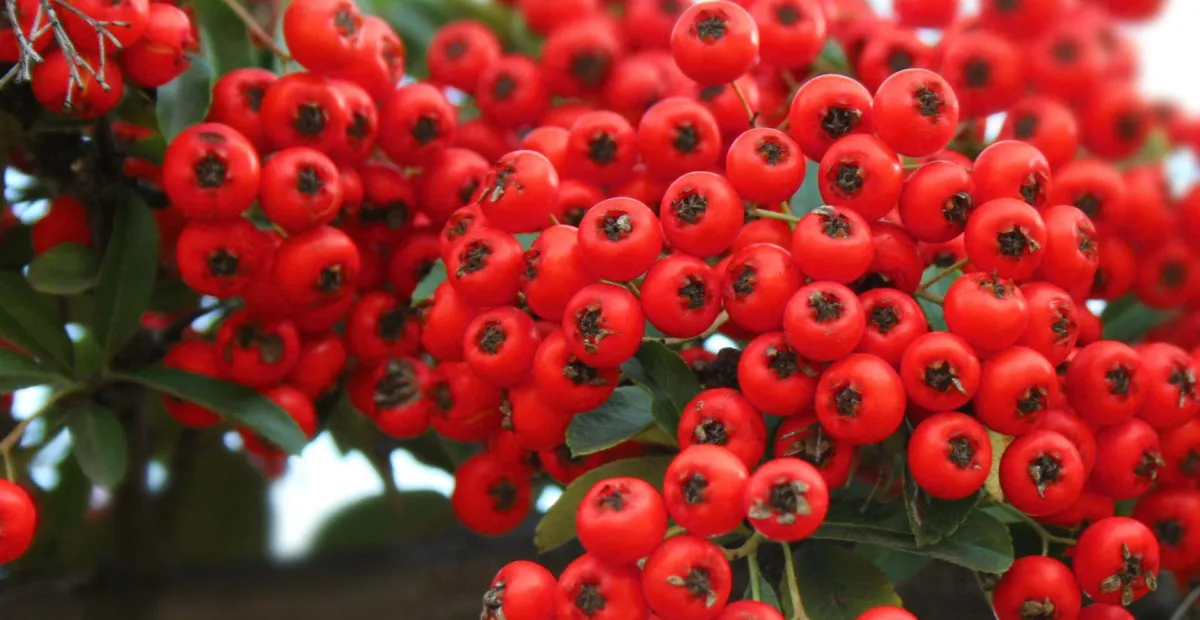
Pyracantha 'Red Column' is an upright evergreen firethorn selected for its glossy foliage, white flower clusters, and brilliant red berries that can persist into the colder months. Its thorny, densely branched structure makes it useful for hedges, screens, wall training, and wildlife-friendly boundaries. Grow it in sun or partial shade in fertile, well-drained soil, and prune thoughtfully because heavy clipping can remove the flowering wood needed for berry production.
Taxonomic classification
Pyracantha ‘Red Column’ care guide
Light and placement
Give full sun for the strongest flowering and berry display, with partial shade acceptable in hot climates or where afternoon exposure is harsh. An east-, south-, or west-facing position is suitable, especially with shelter from drying winter winds. Excessive shade can produce sparse growth and fewer flowers; intense reflected heat combined with drought can scorch foliage.
Watering and humidity
Water deeply after planting and keep the root zone evenly moist while the shrub establishes. Once established, water during prolonged dry spells, especially against a sunny wall or in a container. Allow the surface to dry slightly between irrigations, but do not let the root ball remain bone-dry during flowering and fruit development. Reduce watering in cool winter weather.
Soil and growing medium
Use fertile soil that drains freely while retaining moderate moisture. Loam, clay-loam, and chalky or alkaline soils are tolerated when drainage is adequate. Avoid persistently waterlogged ground. A neutral to slightly alkaline reaction is well supported, although the plant is adaptable across a broader garden-soil range.
Feeding
Apply compost or a general-purpose slow-release fertilizer in early spring as growth begins. Where flowering or berry production is weak, a balanced feed or potassium-containing fertilizer may help if soil fertility is poor. Do not feed drought-stressed, newly transplanted, or visibly diseased plants, and avoid excessive nitrogen that promotes soft leafy growth.
Growth and habit
A vigorous, densely branched shrub with a naturally upright to columnar outline. It can be trained against a wall or managed as a hedge. Annual formative pruning is useful, but indiscriminate shearing removes flowering wood and can reduce the following berry crop. Support wall-trained branches as they develop.
Planting and repotting
Plant in spring or fall when the soil is workable. Set the root ball at the same depth as in its nursery container, backfill firmly, water deeply, and mulch without touching the stems. Allow about 5–8 feet between freestanding plants, using closer spacing for a dense hedge or screen. Tie wall-trained stems to support rather than forcing them sharply into position.
Container-grown plants can be shifted in spring or fall into a slightly larger, sturdy container with a loam-based, free-draining mix. Repot when roots circle densely or water runs straight through the root ball. Protect the hands and arms from thorns, and avoid unnecessarily disturbing the root system.
Propagation and pruning
Propagation
Use semi-ripe cuttings in summer or hardwood cuttings in the dormant season. Seed is possible but will not reliably reproduce the named cultivar. Keep cuttings evenly moist in a free-draining medium and protect new plants from severe cold until well rooted.
Pruning
Prune lightly after flowering or in late winter to early spring, depending on whether berries are desired. Remove dead, damaged, crossing, or overly vigorous shoots, and shorten side shoots while retaining the bases that carry next season's flowers. Wear thick gloves and eye protection. Avoid blanket shearing before bloom.
Overwintering
Plants established in the ground generally overwinter outdoors in suitable climates. Mulch the root zone before severe cold, avoid late-season nitrogen, and protect young plants from drying winds. Container specimens are more vulnerable to root freezing; place them in a sheltered location and keep the mix slightly moist, not wet.
Uses
Useful as an evergreen hedge, screen, barrier planting, wall-trained shrub, border specimen, or wildlife-garden plant. Red fruits extend seasonal interest and may be eaten by some birds. The berries are ornamental rather than edible; do not prepare or consume them as food.
Appearance
Leaves are small to medium-sized, glossy, dark green, and elliptic. The stems are densely branched and armed with sharp thorns. White flower clusters appear in late spring, followed by conspicuous red berry-like pomes. The strong vertical outline distinguishes this cultivar from more spreading firethorns.
Flowering
Small white flowers are borne in clusters on older shoots in late spring to early summer, typically May and June in temperate North American gardens. Successful flowering and fruiting depend on preserving flowering wood and avoiding severe clipping before bloom. Flowers are followed by clusters of red ornamental pomes.
Pollination and visitors
The white flower clusters are visited by generalist insects, including bees and hoverflies. Insect visitation can be reduced by cold, wet, or windy weather, and heavy pruning may remove the shoots that carry flowers and subsequent berries.
Diseases and pests
Diseases
Watch for pyracantha scab, fireblight, and honey fungus. Improve air circulation, avoid unnecessary overhead irrigation, remove diseased material promptly, and disinfect pruning tools between cuts. Do not overwater or overfertilize. Fireblight can spread rapidly in warm, wet spring conditions and may require removal of affected branches well below visible symptoms.
Pests
Common problems include aphids, woolly aphid, scale insects, caterpillars, and pyracantha leaf-mining moth. Inspect new growth and leaf undersides, encourage beneficial insects, and prune out heavily infested shoots where practical. Use targeted treatments only when damage is significant, following the product label and local regulations.
Related diseases and pests
Only Plant Doctor profiles whose host data indicate this plant may be affected are shown here.
 DiseaseFire BlightErwinia amylovora
 DiseaseEntomosporium Leaf SpotDiplocarpon mespili (synonym: Entomosporium mespili)
 PestSan Jose scaleDiaspidiotus perniciosus
 PestGreen Apple AphidAphis pomi
 PestApple Leaf Mining MothLyonetia clerkella
 Environmental stressOverwatering
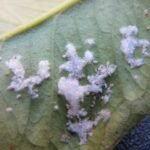 PestWoolly whiteflyAleurothrixus floccosus
Toxicity and pollen
Available poison-control evidence does not identify Pyracantha berries as seriously poisonous to people or animals; large ingestions may cause mild stomach upset, and berries are not recommended as food. The main physical hazard is the thorny branch structure. Wear thick gloves and eye protection, keep berries away from unsupervised children, and seek professional advice after a substantial ingestion or embedded thorn.
- Typical season
- May–June in much of the United States
- Pollination / pollen
- Heavy, insect-carried pollen
This is an insect-pollinated shrub rather than a classic wind-pollinated allergy plant. Its pollen is generally carried on visiting insects instead of being released in large airborne clouds, but no plant can be assumed completely allergy-free. Sensitive gardeners should avoid direct contact with flowers and wear gloves during pruning.
Native habitat
The cultivar is a garden selection rather than a wild native population. Its horticultural background is associated with Pyracantha coccinea, a shrub adapted to temperate regions with sun, seasonal moisture, and free-draining soils. In cultivation it tolerates clay and alkaline ground better when roots are not kept saturated.
Interesting fact
The cultivar was selected in Denmark from a chance seedling and introduced in the 1970s. Its name refers to its strongly upright, column-like habit. The red fruits are pomes, botanically related to apples and pears. The dense thorny growth provides cover and nesting structure for wildlife.
Frequently asked questions (FAQ)
The most relevant questions about this plant, with short and direct answers.
🌱Quick care
What is Pyracantha 'Red Column'?⌄
Pyracantha 'Red Column' is an upright, evergreen firethorn shrub with glossy green leaves, sharp thorns, white flowers, and bright red berries. It is mainly grown for screening, hedges, wall training, and wildlife interest.
How big does Pyracantha 'Red Column' get?⌄
Pyracantha 'Red Column' commonly reaches about 7 to 10 feet tall and can become similarly broad if left unpruned. Its final size depends on climate, soil, training, and pruning.
Is Pyracantha 'Red Column' evergreen?⌄
Yes, Pyracantha 'Red Column' is generally evergreen, although it may lose some leaves or become semi-evergreen after severe winter cold. Foliage retention is usually best in sheltered locations.
How fast does Pyracantha 'Red Column' grow?⌄
Pyracantha 'Red Column' is a vigorous, relatively fast-growing shrub once established. Growth is strongest with adequate sunlight, fertile soil, regular establishment watering, and annual pruning.
🌤️Environment and placement
Does Pyracantha 'Red Column' need full sun?⌄
Pyracantha 'Red Column' grows in full sun to partial shade, but full sun usually produces the heaviest flowering and berry display. Give it at least several hours of direct sunlight whenever possible.
Where should I plant Pyracantha 'Red Column'?⌄
Plant Pyracantha 'Red Column' in a sunny or lightly shaded, sheltered location with room for its mature width. Keep it away from narrow walkways, play areas, and other places where its thorns could cause injuries.
Can Pyracantha 'Red Column' grow against a wall or fence?⌄
Yes, Pyracantha 'Red Column' can be trained against a wall, fence, or sturdy trellis. Provide support for the branches and leave enough space for pruning, airflow, and safe access around its thorns.
What USDA hardiness zones can grow Pyracantha 'Red Column'?⌄
Pyracantha 'Red Column' is best suited to regions with mild to moderate winters, while colder areas may require a protected site. Exact hardiness can vary by plant source and exposure, so use a south- or west-facing location and winter protection where severe freezes occur.
Can Pyracantha 'Red Column' tolerate clay soil?⌄
Yes, Pyracantha 'Red Column' can tolerate clay or clay-loam soil if it drains well. Improve compacted ground with organic matter and avoid planting where water remains around the roots after rain.
What type of soil does Pyracantha 'Red Column' prefer?⌄
Pyracantha 'Red Column' prefers fertile, moisture-retentive but well-drained loam or clay-loam soil. It is adaptable, but consistently waterlogged soil can cause root stress and poor growth.
💧Care and problems
How often should I water Pyracantha 'Red Column'?⌄
Water Pyracantha 'Red Column' moderately, keeping the root zone evenly moist while it establishes. After establishment, water during prolonged drought, extreme heat, or when the soil has dried several inches below the surface.
Does Pyracantha 'Red Column' tolerate drought?⌄
Established Pyracantha 'Red Column' has some drought tolerance, but it performs and fruits better with occasional deep watering during extended dry weather. Newly planted shrubs need more consistent moisture until their roots spread.
Why is my Pyracantha 'Red Column' not producing berries?⌄
Poor berry production may result from insufficient sunlight, drought stress, excessive pruning, young age, or unfavorable flowering weather. Avoid cutting off flowering wood in late spring and provide good light and moderate moisture.
Why is Pyracantha 'Red Column' losing leaves?⌄
Leaf loss can follow winter injury, drought, waterlogged soil, pest damage, or diseases such as scab or fire blight. Inspect the stems and leaves, correct watering or drainage problems, and prune out clearly diseased growth with disinfected tools.
What pests attack Pyracantha 'Red Column'?⌄
Potential pests include aphids, woolly aphids, scale insects, caterpillars, spider mites, lace bugs, and leaf-mining insects. Monitor new growth and treat only when damage is significant, using a method appropriate for the identified pest.
What diseases affect Pyracantha 'Red Column'?⌄
Pyracantha 'Red Column' may be affected by fire blight, pyracantha scab, and honey fungus. Good airflow, sound watering practices, removal of infected material, and avoiding unnecessary wetting of foliage can reduce disease pressure.
🪴Planting and repotting
When is the best time to plant Pyracantha 'Red Column'?⌄
Plant Pyracantha 'Red Column' in spring or fall when temperatures are moderate and the soil can be worked. In colder regions, spring planting gives the shrub more time to establish before winter.
How far apart should Pyracantha 'Red Column' plants be spaced for a hedge?⌄
Space Pyracantha 'Red Column' according to the desired hedge density and the plants’ eventual width, commonly about 3 to 5 feet apart for a dense screen. Use wider spacing for a looser hedge and closer spacing only if regular pruning is planned.
Can Pyracantha 'Red Column' be grown in a container?⌄
Pyracantha 'Red Column' can be grown in a large, sturdy container for a time, but its vigorous growth and eventual size make long-term container culture demanding. Use a drainage hole, a well-drained potting mix, and a container heavy enough to resist tipping.
How do I protect Pyracantha 'Red Column' in winter?⌄
In cold or exposed locations, protect Pyracantha 'Red Column' with a sheltered planting site, a layer of mulch over the root zone, and temporary wind protection. Avoid keeping the soil saturated during winter.
✂️Propagation and pruning
How can I propagate Pyracantha 'Red Column'?⌄
Propagate Pyracantha 'Red Column' most reliably from semi-ripe or hardwood cuttings. Seed is possible, but seedlings may not reproduce the parent cultivar’s upright habit, berry color, or other characteristics exactly.
When should I prune Pyracantha 'Red Column'?⌄
Prune Pyracantha 'Red Column' after flowering or in spring by shortening overlong shoots and removing older fruited stems. Avoid removing all flowering wood, because the following berry crop develops from flowers produced on suitable mature growth.
How do I prune Pyracantha 'Red Column' as a hedge?⌄
Trim Pyracantha 'Red Column' to maintain the hedge’s intended height and width while preserving some flowering shoots for berries. Wear thick gloves, long sleeves, and eye protection because the branches carry sharp thorns.
Can Pyracantha 'Red Column' be trained as a wall shrub?⌄
Yes, Pyracantha 'Red Column' responds well to training against a wall or fence. Tie selected branches to sturdy supports and prune competing or overcrowded growth so the plant remains flat, balanced, and easy to maintain.
⚠️Toxicity and safety
Are Pyracantha 'Red Column' berries poisonous?⌄
The berries of Pyracantha 'Red Column' are ornamental and are not recommended for eating. Keep fallen berries away from children and pets, and contact a medical professional or poison-control service if a significant amount is swallowed.
Does Pyracantha 'Red Column' have thorns?⌄
Yes, Pyracantha 'Red Column' has prominent sharp thorns that can puncture skin and catch clothing. Wear protective gloves and long sleeves when planting, pruning, or handling cut branches.
Is Pyracantha 'Red Column' safe to plant near pets?⌄
Pyracantha 'Red Column' is best planted where pets cannot chew the ornamental berries or brush against the thorny branches. The berries are not recommended for consumption, and the thorns can cause physical injury.
🌸Flowering and special interest
When does Pyracantha 'Red Column' flower?⌄
Pyracantha 'Red Column' usually produces clusters of small white flowers in late spring or early summer, often around May and June. Flowering is generally heaviest in full sun.
When do Pyracantha 'Red Column' berries appear?⌄
Bright red berries typically develop after flowering and color during late summer or fall, often persisting into winter. Their abundance depends on sunlight, pollination, weather, plant age, and whether flowering wood was pruned away.
Do birds eat Pyracantha 'Red Column' berries?⌄
Yes, birds may use the red berries as a seasonal food source, especially as other foods become scarce. The dense, thorny branches also provide cover, making the shrub useful in wildlife-oriented plantings.
Why does Pyracantha 'Red Column' flower but produce few berries?⌄
A shrub may flower without setting many berries because of poor pollination, cool or rainy weather during bloom, drought, heavy pruning, or insufficient sunlight. Maintaining several flowering shoots and avoiding stress can improve fruiting, although results vary by site.
Similar plants
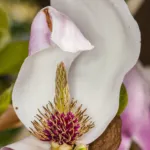 Saucer Magnolia (Magnolia soulangeana) care guideMagnolia soulangeana
 Magnolia × loebneri ‘Merrill’Magnolia × loebneri 'Merrill'
 Magnolia loebneri care guideMagnolia loebneri
 Sweetbay magnolia (Magnolia virginiana) care guideMagnolia virginiana
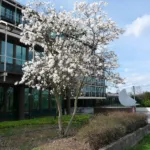 Star magnolia (Magnolia stellata) care guideMagnolia stellata
 Magnolia sprengeri care guideMagnolia sprengeri