 Source:
 Wax plant (Hoya carnosa) short overview
Hoya carnosa, commonly called wax plant, is a long-lived evergreen tropical vine with thick, glossy leaves and fragrant clusters of porcelain-like white and pink flowers. In the United States it is usually grown indoors or outdoors only in frost-free climates. Give it bright filtered light, a sharply draining mix, careful watering, and support for its trailing or climbing stems. Mature plants often flower repeatedly when kept slightly pot-bound and left undisturbed.
Taxonomic classification
Wax plant (Hoya carnosa) care guide
Light and placement
Give bright filtered light, such as an east- or west-facing window or a south window softened by a sheer curtain. A few hours of gentle morning sun can improve flowering, but harsh afternoon sun may bleach or scorch leaves. Low light produces long bare internodes, weak growth, and few flowers; excessive direct sun can cause pale patches, crisp margins, or reddish stress coloration.
Watering and humidity
Water thoroughly when the upper portion of the mix has dried, then let excess drain completely. Do not keep the pot standing in water. Water somewhat less often during cool, dark winter conditions, while avoiding prolonged severe drought that wrinkles leaves and weakens roots. Humidity helps, but airflow is more important than constantly wet foliage or saturated soil.
Soil and growing medium
Use a loose, airy, fast-draining medium based on quality potting mix with orchid bark and perlite. Hoya carnosa is an epiphytic or lithophytic vine and dislikes dense, waterlogged soil. A slightly acidic to neutral reaction is suitable; drainage and oxygen around the roots matter more than a precise pH.
Feeding
Feed during active spring and summer growth with a balanced liquid fertilizer diluted to about half the label strength every 4–6 weeks. Water first if the medium is dry. Reduce or stop feeding during cool, dark winter conditions and never fertilize a severely wilted, recently repotted, or root-damaged plant.
Growth and habit
This evergreen vine develops long, flexible stems that trail from baskets or climb supports. New shoots may remain leafless briefly before producing leaves, and mature plants can become dense and woody at the base. Keep flowering spurs intact, train young stems early, and avoid frequent repositioning once buds form.
Planting and repotting
In the United States, plant outdoors only after frost danger has passed in frost-free locations, generally USDA Zones 10b–11. Set the root ball at its original depth and provide a trellis, hoop, or hanging support. Allow generous air movement and avoid sites exposed to cold rain or prolonged wet soil.
Repot in spring or early summer only when the container is crowded, the mix has broken down, or drainage has declined. Move up just one pot size and avoid disturbing flower buds or the persistent flowering spurs. A snug pot is acceptable and may support flowering.
Propagation and pruning
Propagation
Stem cuttings root readily in spring through summer from healthy non-flowering shoots with at least one node. Root in lightly moist, airy medium or water, then pot once roots are established. Layering is also practical. Seed is possible but uncommon in routine home culture and may not come true to a selected clone.
Pruning
Prune only to remove damaged, diseased, excessively long, or unwanted stems. Make cuts just above a node and avoid cutting off short, leafless flowering spurs because they can produce new umbels repeatedly. Light training is usually better than hard cutting-back.
Overwintering
Bring outdoor plants indoors before temperatures approach 50°F, and protect them from frost, cold drafts, and chilly wet soil. In winter, provide the brightest available light, reduce watering as growth slows, and pause fertilizer if conditions are cool or dim. Check carefully for pests before moving the plant indoors.
Uses
Primarily used as an ornamental houseplant, hanging-basket plant, conservatory specimen, or frost-free patio vine. Its fragrant flowers and evergreen foliage provide decorative value. It is not recommended as a food or home remedy, and pet-safe status does not make the plant suitable for consumption.
Appearance
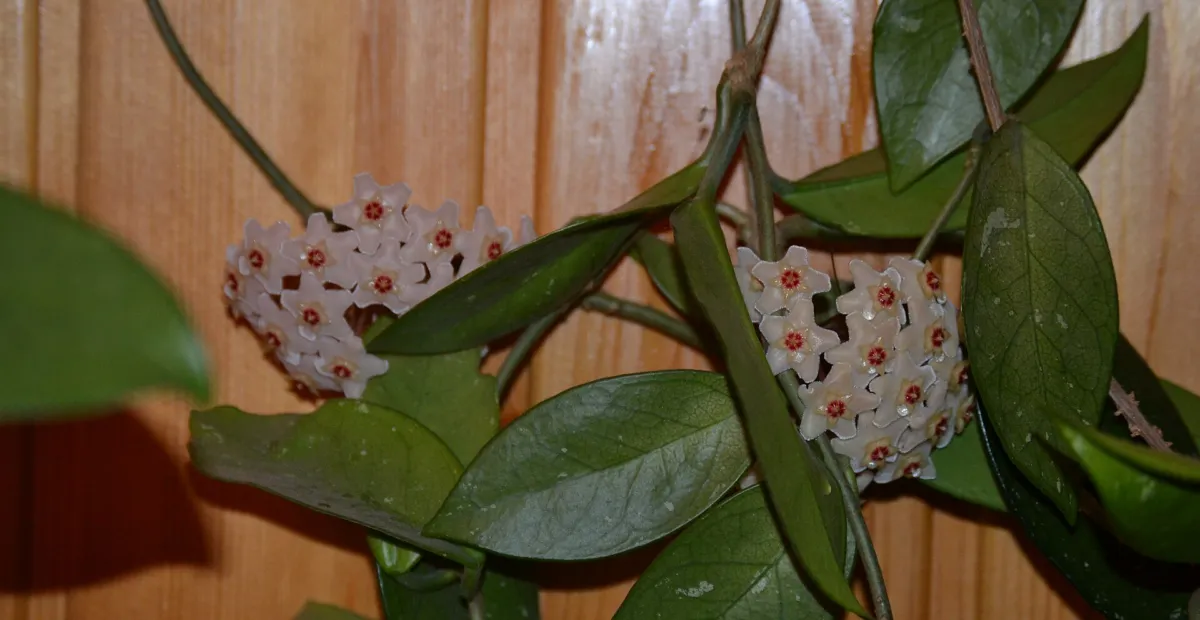
The plant has opposite, simple, thick leathery leaves with a glossy, wax-like surface and entire margins. Stems are flexible when young and become firmer with age. Rounded flower clusters arise from persistent leafless spurs. Natural plants climb or spread over supports rather than forming a self-supporting shrub.
Flowering
Flowers are produced in rounded umbels on persistent, leafless spurs. Individual flowers are small, five-pointed, white to pale pink, with a contrasting pink to reddish central corona. Fragrance is commonly strongest after dusk. Flowering can recur from late spring into fall, especially on mature, well-established plants; do not remove old spurs after bloom.
Pollination and visitors
Primary pollination research documents medium or large moths attaching Hoya carnosa pollinaria to their legs. The flowers produce nectar and release fragrance at night, matching nocturnal insect activity. Indoor plants may flower without receiving natural pollination.
Hoya carnosa photos
Click any photo for a larger view. Source, author and license are shown separately.
Diseases and pests
Diseases
The main risks are root or stem rot from persistently wet media and fungal leaf spots under poor airflow. Use a porous mix, water only when the upper layer has dried, keep foliage reasonably dry, and isolate plants with spreading lesions. Remove badly affected tissue with sterile tools and correct the moisture problem before considering treatment.
Pests
Watch for mealybugs, scale, aphids, thrips, and spider mites, especially on stressed indoor plants. Inspect leaf axils, stems, and new growth regularly. Remove small infestations with a cotton swab or water spray, then use horticultural soap or an appropriate labeled product as needed. Improve light and airflow and avoid repeated overwatering.
Related diseases and pests
Only Plant Doctor profiles whose host data indicate this plant may be affected are shown here.
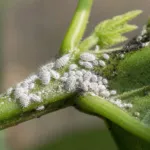 PestCotton mealybugPhenacoccus solenopsis Tinsley
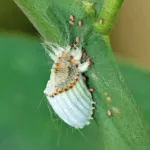 PestCottony Cushion ScaleIcerya purchasi
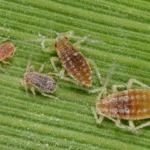 PestMealy Plum AphidHyalopterus pruni (Geoffroy, 1762)
 PestMelon aphid (cotton aphid)Aphis gossypii Glover
 DiseaseAlternaria leaf spot and fruit rotAlternaria alternata
 Environmental stressUnderwatering
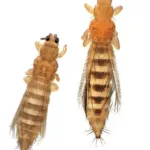 PestOnion thripsThrips tabaci Lindeman
 PestMelon thripsThrips palmi Karny
Toxicity and pollen
ASPCA lists Hoya carnosa as non-toxic to dogs and cats. Human toxicity evidence is limited rather than comprehensive; the milky sap may still irritate sensitive skin, eyes, or the digestive tract if chewed. Wear gloves when pruning if sensitive, wash hands afterward, and do not encourage ingestion.
- Typical season
- May–October where flowering occurs outdoors; indoor exposure is irregular
- Pollination / pollen
- Specialized insect-carried pollinaria; limited airborne dispersal
Hoya carnosa is insect-pollinated rather than wind-pollinated, and its pollen is packaged in specialized pollinaria. Direct evidence for the species' airborne allergy burden is limited, so a definitive low-risk allergy rating is not assigned. Keep flowering plants ventilated if fragrance or plant material causes symptoms.
Native habitat
Native from southern and central China through Laos, Myanmar, Taiwan, southern Japan, and nearby regions. It grows in humid subtropical forest habitats, often as an epiphyte or lithophyte, including shaded forest edges and limestone-associated environments. Its natural setting explains the preference for filtered light, moisture-retentive but aerated roots, and high humidity.
Interesting fact
The species epithet carnosa means fleshy and refers to its thick leaves. Its flowers use a highly specialized pollinarium system. Floral fragrance follows a circadian rhythm and is strongest at night. Old flowering spurs can bloom repeatedly for many years.
Frequently asked questions (FAQ)
The most relevant questions about this plant, with short and direct answers.
🌱Quick care
How do you care for a Hoya carnosa wax plant?⌄
Give Hoya carnosa bright filtered light, water when the potting mix has partly dried, and use a loose, fast-draining organic mix. Keep it warm, protect it from frost, and provide a pot with drainage holes.
How often should I water a Hoya carnosa?⌄
Water Hoya carnosa when the upper portion of the mix has partly dried, then let excess water drain completely. Water less often in winter or in lower light, and avoid keeping the roots constantly wet.
🌤️Environment and placement
How much light does Hoya carnosa need?⌄
Hoya carnosa grows best in bright filtered or indirect light. It can tolerate some gentle morning sun, but intense direct afternoon sun through glass may scorch or fade the leaves.
Can Hoya carnosa grow in a north-facing window?⌄
Hoya carnosa can survive in a bright north-facing window, but growth and flowering may be slower. Move it closer to the glass or supplement with a grow light if the foliage is sparse and the plant never forms buds.
Can Hoya carnosa grow outdoors?⌄
Hoya carnosa can spend warm months outdoors in bright shade or filtered light. Bring it indoors before nighttime temperatures fall below about 50°F, and protect it from frost, cold drafts, and harsh midday sun.
What temperature is best for Hoya carnosa?⌄
Typical indoor temperatures around 65–80°F suit Hoya carnosa well. Protect it from frost and prolonged temperatures below about 55°F, especially when the soil is wet.
Does Hoya carnosa need high humidity?⌄
Hoya carnosa grows well in average household humidity, although moderate humidity can support active growth. Good airflow is more important than making the air extremely humid, particularly if leaves remain wet.
Should Hoya carnosa climb or trail?⌄
Hoya carnosa can climb a small trellis, hoop, or stakes, or trail from a hanging basket. Supporting the vines can create a fuller display, while trailing is also healthy when the plant receives enough light.
💧Care and problems
Why are my Hoya carnosa leaves turning yellow?⌄
Yellow leaves commonly result from overly wet soil, poor drainage, insufficient light, or normal aging of older leaves. Check the roots and mix before watering again, because persistent yellowing with soft roots can indicate root rot.
Why are my Hoya carnosa leaves wrinkled or soft?⌄
Wrinkled or soft leaves usually indicate that the plant is not taking up enough water, either because the mix is too dry or the roots are damaged. Check moisture and roots rather than watering repeatedly, since wet, damaged roots can cause similar symptoms.
Why is my Hoya carnosa losing leaves?⌄
Hoya carnosa may drop leaves after sudden changes in light, temperature, watering, or root disturbance. Let the mix partly dry between waterings and inspect for root rot, pests, or a cold draft if leaf loss continues.
Why is my Hoya carnosa not growing?⌄
Slow growth is often caused by insufficient light, cool temperatures, inconsistent watering, or a depleted or poorly draining mix. Give the plant brighter filtered light, warmth, and stable care before increasing fertilizer.
What pests attack Hoya carnosa?⌄
Mealybugs are common pests on Hoya carnosa, and spider mites or fungus gnats may also occur. Fungus gnats are more likely when the mix stays wet, while spider mites are favored by hot, dry conditions.
Can I fertilize Hoya carnosa?⌄
You can fertilize Hoya carnosa lightly during active growth with a balanced houseplant fertilizer diluted according to the label. Avoid fertilizing dry, stressed, recently repotted, or dormant plants, and do not use excess fertilizer in a wet or poorly draining mix.
🪴Planting and repotting
What soil is best for Hoya carnosa?⌄
Use a loose, airy, fast-draining organic mix, such as quality potting mix amended with orchid bark and perlite. The mix should retain a little moisture without becoming dense or waterlogged.
Does Hoya carnosa like to be root-bound?⌄
Hoya carnosa generally tolerates being slightly root-bound and may flower better in a snug container. Repot only when the plant has clearly outgrown its pot, the mix has broken down, or drainage has deteriorated.
When should I repot Hoya carnosa?⌄
Repot Hoya carnosa when roots fill the container or the potting mix no longer drains well, preferably before active growth and not while the plant is budding or flowering. Move it into a container only about 1–2 inches wider.
Can Hoya carnosa grow in a terracotta pot?⌄
Hoya carnosa can grow in terracotta, which allows the mix to dry faster. It is useful in humid conditions or for people who tend to overwater, but the plant may need more frequent watering than it would in plastic.
Should a Hoya carnosa pot have drainage holes?⌄
Yes, the pot should have unobstructed drainage holes. Hoya carnosa is vulnerable to root problems when excess water remains around its roots, so do not rely on a decorative cachepot to drain the plant.
✂️Propagation and pruning
How do you propagate Hoya carnosa?⌄
Propagate Hoya carnosa from stem cuttings containing at least one viable node, using water, moist sphagnum, or a lightly moist, airy propagation mix. Keep the cutting warm in bright filtered light until roots develop.
Can you propagate Hoya carnosa from a single leaf?⌄
A single Hoya carnosa leaf may produce roots but usually cannot develop into a complete new vine without a piece of stem and node. For reliable propagation, take a cutting with one or more nodes.
How long does Hoya carnosa take to root?⌄
Hoya carnosa cuttings may root in several weeks, although timing varies with warmth, light, humidity, and propagation method. Pot the cutting when it has a useful root system and keep the new mix only lightly moist.
Can Hoya carnosa be propagated in water?⌄
Yes, Hoya carnosa stem cuttings can root in water. Keep at least one node submerged, change the water when it becomes cloudy, and transfer the cutting to a fast-draining mix once roots are established.
Should I prune Hoya carnosa?⌄
Prune Hoya carnosa only when necessary to remove damaged growth, control size, or encourage branching. Avoid cutting healthy flowering spurs, because the plant can produce future flower clusters from the same structures.
⚠️Toxicity and safety
Is Hoya carnosa toxic to dogs and cats?⌄
Hoya carnosa is considered non-toxic to dogs and cats. Even non-toxic plants can cause mild stomach upset if eaten, so prevent pets from chewing large amounts of leaves, stems, or flowers.
Is Hoya carnosa safe for children?⌄
Hoya carnosa is generally considered non-toxic, but it should not be eaten. Keep plant material and potting products away from young children, and seek medical advice if a large amount is swallowed or irritation occurs.
🌸Flowering and special interest
Why is my Hoya carnosa not flowering?⌄
Insufficient light, young age, excessive pot size, heavy pruning, and inconsistent care are common reasons Hoya carnosa does not flower. Provide brighter filtered light, keep the plant slightly root-cozy, and give it time to mature.
How old does Hoya carnosa need to be before flowering?⌄
Hoya carnosa commonly needs several years to reach flowering maturity, although the timing varies by plant and growing conditions. A healthy young plant may produce foliage for a long time before forming its first buds.
Should I cut off the flowers or flower spurs on Hoya carnosa?⌄
Do not cut off the persistent flower spurs, also called peduncles, after Hoya carnosa finishes blooming. New flower clusters can develop from the same spurs in later seasons; remove only flowers that fall away naturally if desired.
What do Hoya carnosa flowers look and smell like?⌄
Hoya carnosa produces rounded clusters of waxy, star-shaped flowers that are commonly white to pale pink with darker centers. The flowers are often fragrant, with scent intensity varying by plant and time of day.
Why are my Hoya carnosa buds dropping?⌄
Bud drop can follow sudden changes in watering, temperature, light, location, or humidity. Once buds appear, keep the plant in stable bright filtered light and avoid moving, repotting, or sharply changing its watering routine.