
 Source:
 Hoya macrophylla short overview
Hoya macrophylla is a broad-leaved tropical epiphytic vine from Vietnam and western Malesia to the Lesser Sunda Islands. In the United States it is usually grown indoors or in a protected container, where its thick, glossy foliage makes the strongest display. Give it bright filtered light, an airy fast-draining mix, thorough watering followed by partial drying, and warm conditions year-round. Flowering is possible when mature, but reliable timing and fragrance vary.
Taxonomic classification
Hoya macrophylla care guide
Light and placement
Provide bright filtered light, such as an east window or a south/west exposure softened by a sheer curtain. A few hours of gentle morning sun can be useful, but harsh unfiltered afternoon sun may scorch the thick leaves. Long internodes, small new leaves, and failure to bloom suggest too little light; pale patches, bleached foliage, or dry brown damage suggest too much.
Watering and humidity
Water thoroughly when the upper portion of the mix has partly dried, then let excess drain completely. Do not keep the root zone constantly wet or leave the pot standing in water. Water more often during warm active growth and less during cool, low-light winter conditions. Humidity helps, but it cannot compensate for poor drainage.
Soil and growing medium
Use a loose, chunky epiphytic mix based on orchid bark, coco coir or peat-free moisture-holding material, and perlite or pumice. The container must drain freely and should not stay waterlogged. A slightly acidic to neutral reaction is suitable; avoid dense garden soil.
Feeding
Feed during active spring and summer growth with a complete balanced houseplant fertilizer diluted to one-quarter to one-half the label rate every 3–4 weeks. Water first if the mix is dry. Reduce or stop feeding during slow winter growth and never fertilize a severely stressed, recently repotted, or waterlogged plant.
Growth and habit
This evergreen vine produces flexible, twining or trailing stems and can be trained around a support or allowed to hang. Keep older flowering spurs intact, guide new growth rather than repeatedly cutting it back, and rotate the pot gradually for balanced development. Growth slows markedly with cool temperatures, low light, or damaged roots.
Planting and repotting
Plant or pot up after nighttime temperatures remain consistently above 60°F. Set the root ball at its original depth and leave the stem base exposed rather than burying the vine. Allow space for trailing growth and provide a trellis, hoop, or hanging support as the plant establishes.
Repot in spring or early summer only when the mix has broken down, roots are crowded, or drainage has declined. Move up just one pot size, retain as many healthy roots as possible, and support long vines during the transition. Hoyas often flower better when slightly root-bound.
Propagation and pruning
Propagation
Stem cuttings are the practical method: take a healthy section with at least two nodes, remove the lower leaves, and root it in a lightly moist airy medium under warm bright filtered light. Air layering is also possible. Seed propagation is uncommon because viable seed and successful pollination are not routinely available in cultivation.
Pruning
Prune only to remove dead, damaged, diseased, or unwanted stems, or to shape an overgrown vine. Avoid cutting off short leafless flowering spurs, which may bloom again. Make clean cuts just above a node and use removed healthy sections for propagation.
Overwintering
Bring containers indoors before nights approach 50°F. Keep the plant in bright filtered light, away from cold glass and forced-air heat, reduce watering as growth slows, and stop feeding until active growth resumes. Do not expose it to frost or prolonged temperatures near freezing.
Uses
Primarily used as an ornamental foliage and flowering houseplant, hanging-basket specimen, or trellised indoor vine. It can be grown seasonally outdoors in warm, frost-free conditions and returned indoors before temperatures fall. No culinary or medicinal use is established here.
Appearance
The plant is recognized by its unusually broad, thick, glossy leaves, prominent venation, and flexible vining stems. Leaves are typically opposite and substantial rather than delicate. Mature stems can be trained over a hoop or trellis, while unsupported growth hangs from a basket. Exact leaf markings and coloration vary among cultivated forms.
Flowering
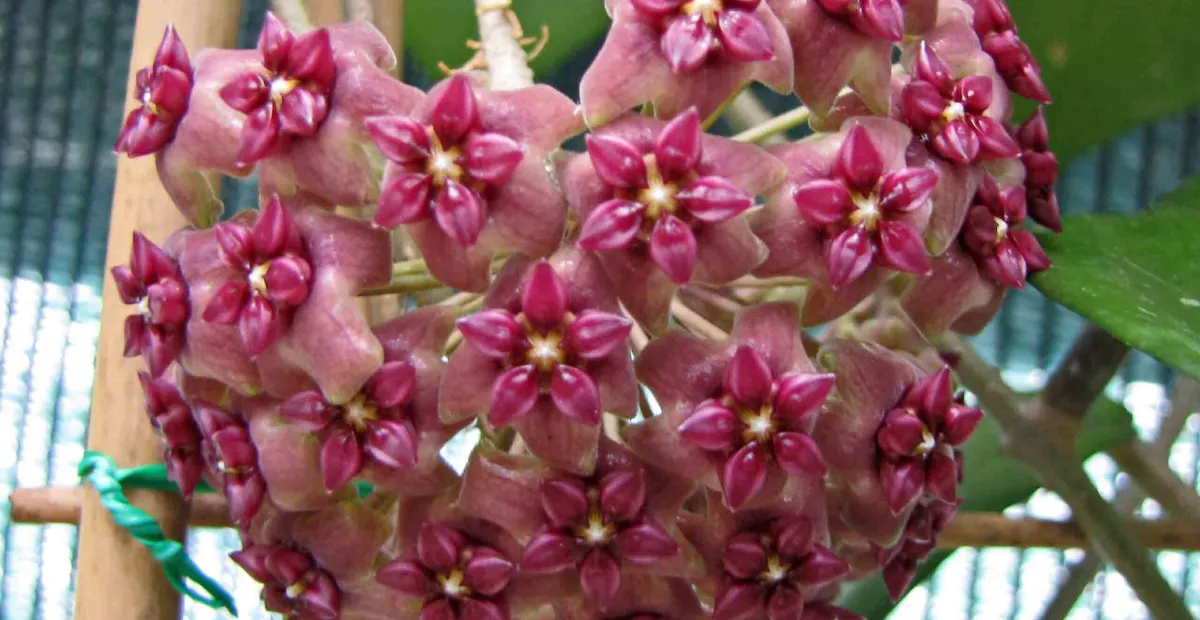
Mature plants can produce rounded umbels of small waxy flowers from specialized flowering spurs. Do not remove those spurs after blooming, because later inflorescences may arise from the same points. Flowering is influenced by maturity, strong filtered light, seasonal growth, and stable care; exact timing for H. macrophylla is variable and not reliably documented for all indoor plants.
Pollination and visitors
The flowers have the specialized structure typical of Hoya, including a corona and pollinia, but a species-specific animal pollinator or visitor for Hoya macrophylla was not reliably documented in the sources reviewed. Do not assign a particular bee, moth, butterfly, or bird without stronger evidence.
Hoya macrophylla photos
Click any photo for a larger view. Source, author and license are shown separately.
Diseases and pests
Diseases
Prevent disease by using a porous mix, clean tools, good air circulation, and careful watering. Root or stem rot is the main concern when the substrate remains wet. Remove affected tissue, replace saturated mix, and let wounds dry before repotting. Leaf spots warrant isolation, sanitation, and correction of excess moisture on foliage.
Pests
Inspect leaf axils, stems, and new growth for mealybugs, scale, thrips, and spider mites. Remove light infestations with a water rinse or cotton swab and follow with a labeled houseplant treatment when needed. Quarantine new plants, avoid chronic drought stress, and do not apply oils in hot direct sun.
Related diseases and pests
Only Plant Doctor profiles whose host data indicate this plant may be affected are shown here.
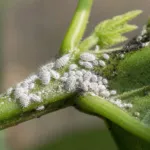 PestCotton mealybugPhenacoccus solenopsis Tinsley
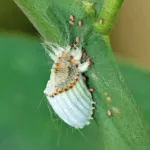 PestCottony Cushion ScaleIcerya purchasi
 DiseaseAlternaria leaf spot and fruit rotAlternaria alternata
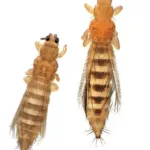 PestOnion thripsThrips tabaci Lindeman
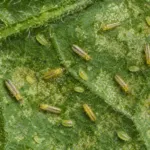 PestMelon thripsThrips palmi Karny
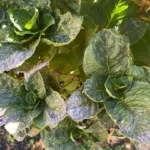 PestChilli thripsScirtothrips dorsalis Hood
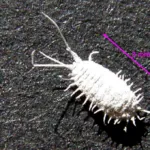 PestObscure mealybugPseudococcus viburni
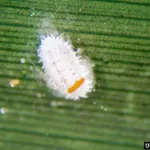 PestCitrus mealybugPlanococcus citri
Toxicity and pollen
Independent species-specific toxicity evidence is limited. Hoya macrophylla is not established here as a plant with a documented high poisoning risk, but sap may irritate sensitive skin and chewing plant material can cause gastrointestinal upset. Keep it away from children and pets that habitually chew plants, and seek professional advice after significant ingestion or symptoms.
- Pollination / pollen
- Compact pollinia associated with insect pollination; airborne relevance uncertain
Hoya macrophylla is insect-associated in floral biology, but reliable species-specific evidence about airborne pollen release and allergy symptoms was not located. Its compact pollinia are not equivalent to the abundant wind-dispersed pollen of many allergenic trees and grasses; sensitive individuals should still avoid direct exposure to flowers and sap.
Native habitat
Native populations occur in wet tropical regions from Vietnam through western Malesia to the Lesser Sunda Islands. The species is recorded as an epiphyte, so it naturally uses trees or other supports rather than growing in compact terrestrial soil. Warm temperatures, frequent moisture availability, rapid drainage, and filtered light reflect that ecology.
Interesting fact
The epithet macrophylla means “large-leaved.”
Kew records the species as an epiphyte of wet tropical habitats.
The accepted name is Hoya macrophylla Blume.
Hoyas retain specialized flowering spurs after the flower cluster fades.
Frequently asked questions (FAQ)
The most relevant questions about this plant, with short and direct answers.
🌱Quick care
How do you care for Hoya macrophylla indoors?⌄
Give Hoya macrophylla bright filtered light, a chunky fast-draining mix, and moderate watering with partial drying between waterings. Keep it warm and protect it from temperatures below 50°F.
🌤️Environment and placement
How much light does Hoya macrophylla need?⌄
Hoya macrophylla grows best in bright filtered or indirect light. A little gentle morning or late-afternoon sun may be tolerated, but harsh direct sunlight can scorch its large leaves.
Can Hoya macrophylla grow in a north-facing window?⌄
It can survive in a north-facing window, but growth and flowering may be limited if the light is weak. Move it closer to a brighter window or supplement with a grow light if new growth is sparse.
Is a grow light good for Hoya macrophylla?⌄
Yes, a grow light can support Hoya macrophylla when natural light is insufficient. Keep the light bright but not hot enough to warm or bleach the leaves, and provide a consistent daily schedule.
What temperature is best for Hoya macrophylla?⌄
Hoya macrophylla prefers typical indoor temperatures around 65–80°F. Protect it from cold drafts and temperatures below 50°F, because it is frost tender.
Does Hoya macrophylla need high humidity?⌄
Hoya macrophylla can adapt to average household humidity, although moderate humidity can encourage healthier growth. Good airflow is important, especially when humidity is increased.
💧Care and problems
How often should you water Hoya macrophylla?⌄
Water Hoya macrophylla when the upper portion of its chunky mix has partly dried, then soak the root zone and let excess water drain away. The interval varies with light, temperature, pot size, and season.
Should Hoya macrophylla dry out completely between waterings?⌄
Allow Hoya macrophylla to dry substantially, but a completely bone-dry root ball is not always necessary. Water again when the mix is partly to mostly dry and the plant is not sitting in residual water.
Why are Hoya macrophylla leaves turning yellow?⌄
Yellow leaves often indicate excess moisture, poor drainage, or declining roots, especially when the mix stays wet for long periods. Check the roots and potting mix before watering again.
Why are Hoya macrophylla leaves wrinkled or soft?⌄
Wrinkled or soft leaves can result from underwatering, damaged roots, or prolonged stress. Check both the moisture level and the roots, because a wet plant with wrinkled leaves may be unable to absorb water.
Why is my Hoya macrophylla not growing?⌄
Slow growth is common, but very little growth may result from insufficient light, cool conditions, root problems, or compacted potting mix. Improve light and drainage first, then avoid frequent disturbance.
What fertilizer should I use for Hoya macrophylla?⌄
Use a balanced houseplant fertilizer diluted to one-quarter or one-half strength during active growth. Avoid fertilizing dry, stressed, recently repotted, or dormant plants.
Can Hoya macrophylla get pests?⌄
Yes, Hoya macrophylla can develop pests such as mealybugs, scale, and spider mites. Inspect leaf joints and stems regularly, isolate affected plants, and treat promptly with a method labeled for houseplants.
Why does Hoya macrophylla have brown or black leaf spots?⌄
Leaf spots may result from sun scorch, physical damage, excessive moisture, or prolonged wet foliage with poor airflow. Remove severely damaged tissue, keep leaves dry, and correct the light and watering conditions.
🪴Planting and repotting
What is the best soil for Hoya macrophylla?⌄
Use a chunky, airy, fast-draining epiphytic mix containing materials such as orchid bark, perlite or pumice, and a modest amount of moisture-retentive potting medium. Avoid dense soil that stays saturated.
What type of pot is best for Hoya macrophylla?⌄
Choose a pot with drainage holes that is only slightly larger than the root ball. A small pot helps the mix dry more predictably, while an oversized pot can remain wet too long.
When should I repot Hoya macrophylla?⌄
Repot Hoya macrophylla when roots have filled the container, drainage has deteriorated, or the potting mix has broken down. Move up only one pot size and avoid repotting while flower buds are developing.
Does Hoya macrophylla like to be root-bound?⌄
Hoya macrophylla generally tolerates being slightly root-bound and often does not need frequent repotting. Repot only when the roots or deteriorating mix are clearly limiting the plant.
✂️Propagation and pruning
How do you propagate Hoya macrophylla?⌄
Propagate Hoya macrophylla from stem cuttings that include at least one node. Root the cutting in water or a lightly moist, airy medium, then provide warmth, bright filtered light, and patience.
Can you propagate Hoya macrophylla from a single leaf?⌄
A single leaf may produce roots but usually cannot develop into a complete new Hoya macrophylla without a piece of stem containing a growth node. Use a stem cutting whenever possible.
Why is my Hoya macrophylla cutting not rooting?⌄
Rooting may be slow because the cutting lacks a viable node, the medium is too wet or too dry, or conditions are too cool or dark. Keep the cutting warm, lightly moist, and in bright filtered light.
Should Hoya macrophylla be pruned?⌄
Prune Hoya macrophylla only to remove dead or damaged growth, control length, or encourage branching. Do not remove healthy flower spurs, because future blooms may develop from them.
⚠️Toxicity and safety
Is Hoya macrophylla toxic to cats and dogs?⌄
Species-specific toxicity information for Hoya macrophylla is uncertain, so do not allow pets or children to ingest the plant. Keep it out of reach and contact a veterinarian or poison-control service if ingestion occurs.
Can Hoya macrophylla sap irritate skin?⌄
The sap may irritate sensitive skin even though species-specific effects are not well established. Wear gloves when pruning or repotting, avoid touching your eyes, and wash exposed skin afterward.
🌸Flowering and special interest
How do I get Hoya macrophylla to bloom?⌄
Provide bright filtered light, steady care, appropriate feeding during active growth, and a pot that is not excessively large. Mature plants may still need several years before flowering, and blooming is not guaranteed.
When does Hoya macrophylla bloom?⌄
Hoya macrophylla commonly flowers during the warmer part of the growing season once it is mature and receiving enough light. Timing varies with the plant’s age, growing conditions, and individual clone.
Why is my Hoya macrophylla not flowering?⌄
Insufficient light, a very young plant, excessive pruning, oversized pots, or inconsistent care can delay flowering. Increase light gradually and preserve existing flower spurs rather than cutting them off.
Should I remove old Hoya macrophylla flower spurs?⌄
No, leave old flower spurs attached after the blooms fade. Hoya macrophylla may rebloom from the same structures, so removing them can eliminate future flowering sites.
Why are Hoya macrophylla flower buds falling off?⌄
Bud drop can follow sudden changes in light, temperature, watering, humidity, or location. Keep the plant stable while buds develop and avoid moving or repotting it unnecessarily.
Similar plants
 Compacta (Hoya carnosa ‘Compacta’)Hoya carnosa 'Compacta'
 Hosta ‘Whirlwind’Hosta 'Whirlwind'
 Wax plant (Hoya carnosa) care guideHoya carnosa
 Vascular Plants (Tracheophyta) care guideTracheophyta
 Blue Plantain-lily (Hosta ventricosa) care guideHosta ventricosa
 Elegans (Hosta sieboldiana ‘Elegans’)Hosta sieboldiana 'Elegans'