Source:
 Hoya wayetii short overview
Hoya wayetii is a compact, evergreen epiphytic climber from the Philippines, valued for narrow leathery leaves that can develop red margins in bright light. Mature plants produce small, fragrant umbels with velvety maroon-red flowers and yellow-marked coronas. In the United States it is usually grown indoors or in a protected container, where an airy mix, careful watering, warmth, and bright filtered light support steady growth and flowering.
Taxonomic classification
Hoya wayetii care guide
Light and placement
Provide bright filtered light with gentle morning or late-afternoon sun. An east or west window is usually suitable; use a sheer curtain in strong south exposure. Too little light causes long, weak growth and fewer flowers, while excessive intense sun can scorch leaves. Bright light may deepen red leaf margins.
Watering and humidity
Water thoroughly when the upper portion of the mix has dried and let excess drain completely. Do not keep the pot standing in water. Water more often during warm, bright growth and less during cool or dim conditions. Occasional misting is optional; it should not replace root-zone watering or airflow.
Soil and growing medium
Use a very airy, rapidly draining substrate such as fine orchid bark, coco coir or peat-free potting mix, and perlite. Hoya wayetii is epiphytic and is more vulnerable to stagnant, waterlogged roots than to a slightly dry pot. A mildly acidic to neutral mix is suitable; avoid dense garden soil.
Feeding
Feed during active growth with a balanced houseplant fertilizer diluted to about half the label strength every 3–4 weeks. Water first if the root ball is dry, and do not fertilize a wilted or recently repotted plant. Reduce or stop feeding during cool, low-light periods.
Growth and habit
This compact epiphytic climber develops flexible trailing stems and can also be trained upward. It responds well to a hanging basket or light support. Avoid repeatedly cutting off bare peduncles, because established flowering spurs may produce later umbels.
Planting and repotting
Plant or pot during the warm growing season. Set the root ball at its original depth and keep the stem base above the wettest part of the mix. Use a container with generous drainage and provide a trellis or hanging position as the vines develop.
Repot only when the root system has substantially filled the container or the mix has broken down. Move up one pot size in spring or early summer, disturbing the roots as little as practical. Refresh compacted substrate without burying the stem deeply.
Propagation and pruning
Propagation
Stem cuttings root readily in warm, humid conditions. Take a cutting with at least one healthy node, allow any fresh cut to dry briefly, then root in lightly moist perlite, an airy propagation mix, or water before potting. Seed propagation is possible but uncommon in ordinary houseplant culture.
Pruning
Prune only to shape, remove damaged growth, or take cuttings. Avoid cutting flowering spurs or peduncles unless they are dead, because they may produce new umbels. Make clean cuts just above a node.
Overwintering
Keep above about 60°F and protect from cold windows, drafts, and frost. In winter, place it in the brightest available indoor location, reduce watering as growth slows, and stop feeding if light and temperature are low.
Uses
Primarily an ornamental indoor or protected-container plant. Its trailing habit suits hanging baskets, shelves, and small trellises. It has no established culinary or medicinal use for household gardening, and plant material should not be consumed.
Appearance
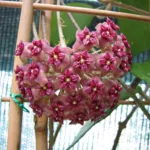
Leaves are narrow, leathery, and green, commonly with a darker margin and sometimes a red or reddish-purple edge under strong light. Young growth may be orange-red. Flexible stems create a compact trailing or climbing form, and flowers are held in rounded clusters.
Flowering
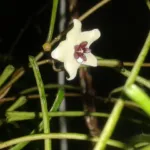
Small flowers are borne in rounded umbels on short peduncles. The flowers are dark red to maroon, velvety or densely hairy, with red coronas that may show yellow markings. Flowers open during the day, last several days, and are reported to appear especially after rain or during warm active growth. Do not remove persistent peduncles, because they can flower again.
Pollination and visitors
Flowers are biotically pollinated and produce nectar; institutional plant information notes that the nectar may attract ants. A specific pollinator species was not reliably documented in the sources reviewed.
Hoya wayetii photos
Click any photo for a larger view. Source, author and license are shown separately.
Diseases and pests
Diseases
Prevent root and stem problems with an airy mix, drainage, and a dry interval between thorough waterings. Watch for soft, darkened roots or stems as signs of excess moisture. Improve airflow and isolate affected plants; remove badly rotted tissue with sterile tools and replace saturated mix.
Pests
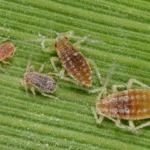
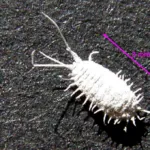
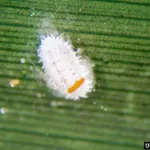
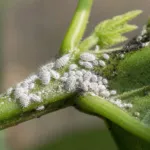
Inspect leaf axils, stems, and new growth for mealybugs, scale, aphids, and other sucking insects. Quarantine new plants, remove small infestations manually or with a suitable horticultural treatment, and avoid chronically wet foliage and stagnant air.
Related diseases and pests
Only Plant Doctor profiles whose host data indicate this plant may be affected are shown here.

Toxicity and pollen
Institutional horticultural guidance reports ingestion toxicity and notes that the milky sap may irritate some skin. Avoid chewing or ingesting plant material, wash hands after pruning, and keep the plant away from children and animals. The severity and species-specific pet effects are not well established in the sources reviewed.
- Typical season
- No reliable US airborne-pollen season documented; flowering is plant- and climate-dependent
- Pollination / pollen
- Insect-carried pollen; limited airborne dispersal expected
Hoya wayetii is an insect-pollinated flowering plant, so its pollen is not typically dispersed like wind-borne grass or tree pollen. However, species-specific clinical allergy data are limited; sensitive people should avoid handling flowers or sap if irritation occurs.
Native habitat
The species is native to the Philippines and is associated with warm tropical conditions. As an epiphytic hoya, it is adapted to collecting moisture and nutrients around bark and organic debris rather than growing in permanently saturated ground soil.
Interesting fact
The species is native to the Philippines and is generally grown as an indoor plant in the United States. Bright light can bring out reddish-purple leaf margins. Its flowers may exude enough nectar to attract ants, and the same flowering spur can remain productive.
Frequently asked questions (FAQ)
The most relevant questions about this plant, with short and direct answers.
🌱Quick care
How do you care for Hoya wayetii indoors?⌄
Give Hoya wayetii bright filtered light, an airy fast-draining mix, and moderate watering after the mix has partly dried. Keep it warm, protect it from frost, and avoid leaving the roots in standing water.
Is Hoya wayetii easy to grow?⌄
Hoya wayetii is generally manageable indoors when it receives bright light and excellent drainage. The main risks are overwatering, cold exposure, and insufficient light for flowering.
🌤️Environment and placement
How much light does Hoya wayetii need?⌄
Hoya wayetii grows best in bright filtered light with some gentle direct sun. An east- or bright west-facing window can work well; acclimate it gradually to stronger sun to reduce leaf scorch.
Can Hoya wayetii grow in a south-facing window?⌄
Yes, Hoya wayetii can grow in a south-facing window if intense midday sun is filtered or introduced gradually. Move it farther from the glass or use a sheer curtain if leaves bleach, crisp, or scorch.
Can Hoya wayetii grow under a grow light?⌄
Yes, Hoya wayetii grows well under a bright full-spectrum grow light. Keep the light close enough to support compact growth but far enough away to prevent heat or leaf scorch, and adjust based on the plant’s response.
What temperature is best for Hoya wayetii?⌄
Keep Hoya wayetii in a warm, frost-free room, preferably above about 60°F. Protect it from cold drafts, unheated windows, and sudden temperature drops.
What humidity does Hoya wayetii need?⌄
Average household humidity is usually adequate for Hoya wayetii if watering and drainage are appropriate. Higher humidity may support growth, but stagnant air and constantly wet soil can increase disease and root-rot risk.
💧Care and problems
How often should I water Hoya wayetii?⌄
Water Hoya wayetii when the potting mix has partly dried, then soak the mix thoroughly and let excess water drain. The interval may range from several days to a few weeks depending on light, temperature, pot size, and the mix.
Should Hoya wayetii dry out completely between waterings?⌄
Hoya wayetii should dry partly between waterings, but prolonged severe dehydration can stress the plant. Avoid both constantly soggy soil and repeated wilting, especially while it is actively growing or flowering.
Why are Hoya wayetii leaves turning yellow?⌄
Yellow leaves on Hoya wayetii often indicate overly wet soil, root stress, or a sudden change in conditions. Check the roots and drainage first, but remember that an occasional older leaf may also yellow naturally.
Why are Hoya wayetii leaves turning red or purple?⌄
Red or purple margins on Hoya wayetii commonly develop from bright light and are not automatically a problem. Move it to gentler light if the color is accompanied by bleaching, crisp patches, or scorching.
Why are Hoya wayetii leaves wrinkled or curled?⌄
Wrinkled or curled leaves usually indicate that Hoya wayetii is too dry, has damaged roots, or is struggling to absorb water. Check the mix and roots before simply watering more, because rotted roots can also cause drought-like symptoms.
How do I treat root rot on Hoya wayetii?⌄
Remove Hoya wayetii from its pot, cut away soft or black roots, and repot the healthy portions into fresh, airy mix. Use a smaller pot if necessary and resume watering only after the mix has partly dried.
What pests affect Hoya wayetii?⌄
Hoya wayetii can be affected by common houseplant pests such as mealybugs, scale, spider mites, and aphids. Inspect leaf joints and stems regularly, isolate affected plants, and treat promptly with an appropriate houseplant pest control method.
🪴Planting and repotting
What soil is best for Hoya wayetii?⌄
Use an airy, very well-drained epiphytic mix containing materials such as orchid bark, perlite or pumice, and a moisture-retentive component. The mix should hold some moisture without becoming compacted or waterlogged.
What type of pot is best for Hoya wayetii?⌄
Choose a pot with drainage holes that is only slightly larger than the root ball. A snug container helps the mix dry predictably, while an oversized pot can retain excess moisture and increase root-rot risk.
When should I repot Hoya wayetii?⌄
Repot Hoya wayetii when the mix has broken down, roots are circling heavily, drainage has declined, or the plant is clearly root-bound. Repotting during active growth is generally less stressful than repotting during cold, low-light conditions.
✂️Propagation and pruning
How do you propagate Hoya wayetii?⌄
Propagate Hoya wayetii from stem cuttings that include at least one healthy node. Root the cutting in water, moist perlite, sphagnum, or a similarly airy medium, then pot it once the roots are established.
Can you propagate Hoya wayetii from a single leaf?⌄
A single Hoya wayetii leaf usually cannot produce a new vine because it may lack a viable stem node. Use a cutting with a node and preferably an attached leaf or two for reliable propagation.
Should I prune Hoya wayetii?⌄
Prune Hoya wayetii only to remove dead, damaged, or excessively long growth or to shape the plant. Avoid cutting off short flowering spurs, because hoyas can rebloom from the same spurs.
⚠️Toxicity and safety
Is Hoya wayetii toxic to cats and dogs?⌄
Hoya wayetii is potentially toxic if ingested, and its sap may cause irritation. Keep it away from pets and children, and contact a veterinarian or poison-control service if a significant amount is chewed or swallowed.
Can Hoya wayetii irritate skin?⌄
The sap of Hoya wayetii may irritate sensitive skin. Wear gloves when pruning or repotting, avoid touching your eyes, and wash exposed skin with soap and water.
🌸Flowering and special interest
How do I get Hoya wayetii to bloom?⌄
Provide Hoya wayetii with bright filtered light, stable care, a mature root system, and a partly dry cycle between waterings. Young plants may need time, and low light is one of the most common reasons for poor flowering.
When does Hoya wayetii bloom?⌄
Hoya wayetii commonly flowers during the brighter, warmer growing season when it is mature and receiving sufficient light. Indoor bloom timing varies with the plant’s age, light exposure, temperature, and seasonal care.
What do Hoya wayetii flowers look and smell like?⌄
Hoya wayetii produces rounded clusters of small waxy flowers, commonly described as pink to reddish with contrasting centers. Fragrance varies by plant and growing conditions, and blooms may last for several days.
Why is my Hoya wayetii dropping flower buds?⌄
Bud drop can result from sudden changes in light, temperature, watering, humidity, or location. Keep the plant stable while budding, avoid moving it repeatedly, and prevent both severe dryness and waterlogged soil.