
 Source:
Penny Mac (Hydrangea macrophylla ‘Penny Mac’) short overview
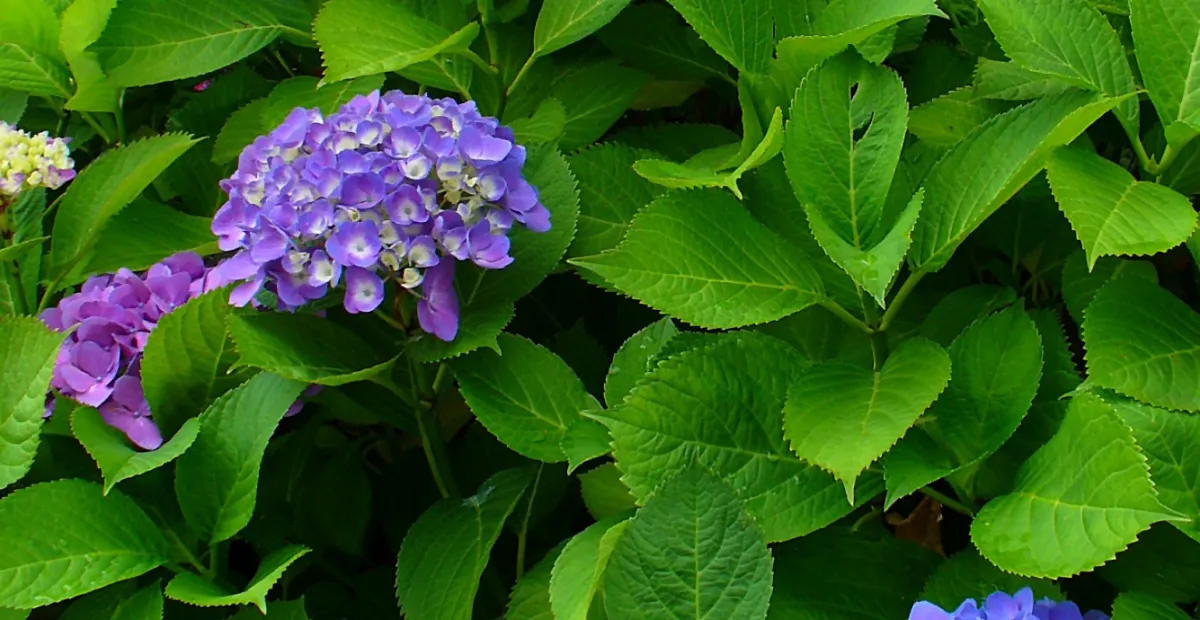
Hydrangea macrophylla 'Penny Mac' is a reblooming bigleaf hydrangea with large, rounded mophead clusters that may develop blue, purple, or pink tones depending on soil chemistry. It flowers on both older and current-season growth, helping it recover from some winter bud damage. Give it morning sun, afternoon shade, rich moisture-retentive soil, and steady watering, especially during hot US summers.
Taxonomic classification
Penny Mac (Hydrangea macrophylla ‘Penny Mac’) care guide
Light and placement
Give morning sun and afternoon shade, especially in hot US climates. East-facing beds, filtered light beneath open trees, or bright shade beside a building are suitable. Too much afternoon sun can cause wilt, scorched leaves, and faded flowers; too little light produces lanky growth and fewer blooms.
Watering and humidity
Water deeply when the upper inch of soil begins to dry, keeping the root zone consistently moist but not saturated. Increase frequency during heat, drought, and container culture. Apply water at the soil surface rather than over the foliage, and mulch to reduce evaporation while keeping mulch away from stems.
Soil and growing medium
Use fertile, humus-rich soil that holds moisture without remaining waterlogged. A loamy mix with generous compost is suitable. Good drainage is essential. Soil pH can influence flower color: more acidic conditions commonly favor blue to purple shades, while less acidic conditions tend to produce pinker tones, although cultivar response and aluminum availability also matter.
Feeding
Apply compost or a balanced slow-release shrub fertilizer in spring as growth begins. Follow the product label and avoid heavy nitrogen feeding, which can produce lush foliage with fewer flowers. Do not fertilize drought-stressed, newly transplanted, or late-season plants heavily.
Growth and habit
Forms a rounded, branching deciduous shrub. Its reblooming habit reduces dependence on overwintered flower buds, but mature performance improves with steady moisture, fertile soil, and protection from severe cold. Avoid late pruning because stems may carry early-season flower buds.
Planting and repotting
Plant in spring or early fall, setting the root ball level with the surrounding soil. Space plants about 3–5 feet apart, depending on the intended mature form. Water deeply after planting and maintain even moisture while roots establish. Mulch over the root zone without piling it against the stems.
For container plants, repot in spring when roots fill the container. Move up only one pot size and use a moisture-retentive but well-drained shrub or patio-container mix. Avoid disturbing the root ball unnecessarily.
Propagation and pruning
Propagation
Propagate primarily by softwood or semi-ripe stem cuttings in late spring through summer. Use healthy nonflowering shoots, remove lower leaves, place in a sterile, evenly moist rooting medium, and provide bright filtered light and high humidity until rooted. Seed is not a reliable way to reproduce the cultivar.
Pruning
Prune lightly after the main flowering flush or remove only damaged, weak, or crossing stems in spring. Because the cultivar can flower on old wood, avoid hard spring cutback if early blooms are desired. Deadhead spent clusters above healthy buds.
Overwintering
In Zones 5–6, protect the root zone with 3–4 inches of mulch and shelter plants from drying winter winds. Where severe cold is expected, use loose breathable covering rather than airtight plastic. Avoid pruning away old stems until winter damage is clear, since they may carry early flowers.
Uses
Useful as a foundation shrub, woodland-edge planting, shaded mixed border specimen, container plant, and cut-flower shrub. It is especially valuable where flowering on new wood can help compensate for occasional winter bud loss. Do not use it as an edible or medicinal plant.
Appearance
Leaves are broad, opposite, ovate, and coarsely toothed, with a medium- to dark-green surface. Stems are woody and branching, and the plant carries rounded terminal flower heads. The cultivar is best recognized by its reblooming mophead habit rather than by a unique leaf marking or stem color.
Flowering
This mophead cultivar produces rounded terminal flower clusters made mostly of showy sterile florets, with smaller fertile flowers within or among the cluster. It is notable for flowering on both old and new wood and may repeat bloom from summer into early fall when moisture and growing conditions remain favorable.
Pollination and visitors
The dense mophead display is dominated by showy sterile florets, so pollinator value is lower than in lacecap forms with many exposed fertile flowers. Small fertile flowers can still receive visits from bees, bumblebees, and other insects when accessible.
Hydrangea macrophylla 'Penny Mac' photos
Click any photo for a larger view. Source, author and license are shown separately.
Diseases and pests
Diseases
Watch for powdery mildew, leaf spot, gray mold, and root problems in poorly drained soil. Improve air circulation, water at the base, remove fallen infected leaves, and avoid prolonged leaf wetness. Do not routinely use fungicides unless symptoms are persistent and correctly identified.
Pests
Common problems include aphids, scale, spider mites, and slugs. Inspect leaf undersides and tender shoots regularly. Use hand removal, a strong water spray, or targeted horticultural oil or insecticidal soap when appropriate. Avoid broad-spectrum insecticides during bloom to reduce harm to visiting insects.
Related diseases and pests
Only Plant Doctor profiles whose host data indicate this plant may be affected are shown here.
 DiseaseGray MoldBotrytis cinerea
 PestCyclamen mitePhytonemus pallidus
 PestChilli thripsScirtothrips dorsalis Hood
 DiseaseAster yellows‘Candidatus Phytoplasma asteris’
 PestStrawberry foliar nematodeAphelenchoides fragariae
 PestBroad mitePolyphagotarsonemus latus (Banks)
 DiseaseMaple powdery mildewSawadaea bicornis
 DiseaseCucurbit Powdery MildewPodosphaera xanthii (Castagne) U. Braun & Shishkoff
Toxicity and pollen
Hydrangea contains cyanogenic compounds and is listed as toxic to dogs and cats if eaten. Risk is primarily associated with chewing or ingestion, especially of leaves and flowers; contact with the plant is not generally the main concern. Keep pets and young children from consuming plant material and seek professional advice after ingestion.
- Typical season
- Usually June through October where flowering continues
- Pollination / pollen
- Low-dispersal, insect-carried pollen
Hydrangea flowers are insect-pollinated and generally release little pollen into the air compared with wind-pollinated plants. Airborne allergy risk is therefore usually low, but individual sensitivity cannot be ruled out, particularly around abundant blooms or cut flowers.
Native habitat
The species is native to Japan, southern Korea, and parts of China, where it occurs in moist woodland margins, coastal areas, and other climates with reliable moisture and protection from intense heat. Garden plants perform best in comparable cool-to-moderate conditions.
Interesting fact
‘Penny Mac’ is named for hydrangea advocate Penny McHenry.
It can flower on both old and current-season wood.
Flower color can shift with soil chemistry and aluminum availability.
The cultivar is associated with reblooming bigleaf hydrangeas.
Its showy mophead florets are mostly sterile.
Frequently asked questions (FAQ)
The most relevant questions about this plant, with short and direct answers.
🌱Quick care
How do you care for Hydrangea macrophylla 'Penny Mac'?⌄
Grow Hydrangea macrophylla 'Penny Mac' in morning sun and afternoon shade, rich moisture-retentive soil, and keep it evenly moist. Protect it from intense afternoon heat, drying winds, and prolonged drought.
How much sun does Hydrangea macrophylla 'Penny Mac' need?⌄
Hydrangea macrophylla 'Penny Mac' performs best with morning sun and afternoon shade. It can tolerate more sun in consistently moist soil, but hot afternoon exposure may cause wilting, leaf scorch, or faded flowers.
How often should I water Hydrangea macrophylla 'Penny Mac'?⌄
Water Hydrangea macrophylla 'Penny Mac' deeply whenever the soil surface begins to dry, especially during hot or dry weather. The soil should remain evenly moist but never constantly waterlogged.
What soil is best for Hydrangea macrophylla 'Penny Mac'?⌄
Plant Hydrangea macrophylla 'Penny Mac' in rich, humus-rich, moisture-retentive, well-drained soil. Incorporating compost or other organic matter can improve moisture retention without creating stagnant, soggy conditions.
🌤️Environment and placement
What USDA hardiness zone is Hydrangea macrophylla 'Penny Mac' suitable for?⌄
Hydrangea macrophylla 'Penny Mac' is generally suitable for USDA Zones 5 through 9, with protection in colder locations. Severe cold, late freezes, and exposed sites can still damage flower buds and stems.
Can Hydrangea macrophylla 'Penny Mac' grow in full sun?⌄
Hydrangea macrophylla 'Penny Mac' can grow in full sun only where the soil stays consistently moist and summers are not excessively hot. In most U.S. gardens, morning sun with afternoon shade is a safer placement.
Where should I plant Hydrangea macrophylla 'Penny Mac' in my yard?⌄
Choose a site with morning light, afternoon shade, shelter from drying wind, and organically rich soil. A location near a building or under high, open-canopy trees can provide useful protection without dense shade.
How large does Hydrangea macrophylla 'Penny Mac' get?⌄
Hydrangea macrophylla 'Penny Mac' commonly grows about 4 to 6 feet tall and wide. Allow enough room for its mature spread so it does not need frequent hard pruning.
💧Care and problems
Why is my Hydrangea macrophylla 'Penny Mac' wilting?⌄
Wilting is usually caused by heat, dry soil, intense afternoon sun, or root stress. Check the soil several inches below the surface, water deeply if it is dry, and improve afternoon shade if wilting repeatedly occurs.
Why are the leaves of Hydrangea macrophylla 'Penny Mac' turning brown?⌄
Brown leaves commonly result from drought, hot sun, wind, or fertilizer injury. Keep the root zone evenly moist, apply mulch without touching the stems, and avoid heavy fertilizer applications during hot or dry weather.
Why is Hydrangea macrophylla 'Penny Mac' not blooming?⌄
A lack of flowers can result from winter damage, late spring freezes, excessive shade, drought stress, or pruning at an unfavorable time. Because 'Penny Mac' can bloom on old and new growth, healthy new growth may still produce later flowers after earlier buds are lost.
Does Hydrangea macrophylla 'Penny Mac' need fertilizer?⌄
Hydrangea macrophylla 'Penny Mac' usually needs only moderate feeding in spring if the soil is fertile. Use a balanced, slow-release fertilizer according to its label, because excessive nitrogen can encourage foliage at the expense of flowers.
Should I mulch Hydrangea macrophylla 'Penny Mac'?⌄
Yes, apply about 2 inches of organic mulch over the root zone to conserve moisture and moderate soil temperature. Keep mulch a few inches away from the stems to reduce the risk of rot.
How can I protect Hydrangea macrophylla 'Penny Mac' in winter?⌄
Apply a thick organic mulch over the root zone and protect the shrub from drying winter winds. In colder or exposed areas, loosely covering the plant after dormancy can help protect buds, although its reblooming habit may allow later flowers if some buds are damaged.
🪴Planting and repotting
When is the best time to plant Hydrangea macrophylla 'Penny Mac'?⌄
Plant Hydrangea macrophylla 'Penny Mac' in spring after severe freezes have passed or in early fall while the soil remains workable. Water thoroughly after planting and maintain steady moisture during the first growing season.
Can Hydrangea macrophylla 'Penny Mac' grow in a container?⌄
Yes, Hydrangea macrophylla 'Penny Mac' can grow in a large container with drainage holes and rich, moisture-retentive potting mix. Container plants dry out and freeze faster than in-ground shrubs, so monitor watering and provide winter protection.
How far apart should I plant Hydrangea macrophylla 'Penny Mac'?⌄
Space Hydrangea macrophylla 'Penny Mac' about 4 to 6 feet apart, depending on whether you want individual shrubs or a fuller hedge. Use the expected mature width and local growing conditions to refine the spacing.
✂️Propagation and pruning
Can I propagate Hydrangea macrophylla 'Penny Mac' from cuttings?⌄
Yes, Hydrangea macrophylla 'Penny Mac' can be propagated from softwood stem cuttings. Take healthy, nonflowering shoots in late spring or early summer and root them in a clean, moist, well-drained medium under high humidity.
When should I take Hydrangea macrophylla 'Penny Mac' cuttings?⌄
Take softwood cuttings from Hydrangea macrophylla 'Penny Mac' during the active growing season, commonly from May through July in the United States. Choose flexible new growth that is beginning to firm but is not yet woody.
Can Hydrangea macrophylla 'Penny Mac' be propagated by layering?⌄
Yes, layering is a practical way to propagate Hydrangea macrophylla 'Penny Mac'. Bend a low flexible branch to the soil, lightly wound or bury part of it, secure it, and separate it after roots have formed.
When should I prune Hydrangea macrophylla 'Penny Mac'?⌄
Prune Hydrangea macrophylla 'Penny Mac' immediately after flowering if shaping or size reduction is needed, or remove dead and weak wood in late winter. Avoid routine severe pruning because it can reduce the first flush of flowers.
Can I cut Hydrangea macrophylla 'Penny Mac' back hard?⌄
Hydrangea macrophylla 'Penny Mac' is more tolerant of hard pruning than many traditional bigleaf hydrangeas because it can bloom on new growth, but hard pruning is still best avoided unless necessary. Moderate thinning and removal of the oldest stems usually preserve better structure and flowering.
⚠️Toxicity and safety
Is Hydrangea macrophylla 'Penny Mac' toxic to dogs and cats?⌄
Hydrangea macrophylla 'Penny Mac' should be treated as moderately toxic if eaten by pets or people. Keep leaves and flowers away from children and animals, and contact a veterinarian or poison-control service if ingestion occurs.
🌸Flowering and special interest
Does Hydrangea macrophylla 'Penny Mac' rebloom?⌄
Yes, Hydrangea macrophylla 'Penny Mac' is a reblooming or remontant cultivar that can flower on both old and new growth. This allows additional flowers after early flower buds are damaged or after limited pruning.
What color are Hydrangea macrophylla 'Penny Mac' flowers?⌄
Hydrangea macrophylla 'Penny Mac' flowers can range from blue and lavender to pink depending mainly on soil acidity and available aluminum. Color may also vary with local soil conditions, weather, and the plant’s genetics.
How can I make Hydrangea macrophylla 'Penny Mac' flowers blue?⌄
To encourage bluer flowers, grow Hydrangea macrophylla 'Penny Mac' in acidic soil with available aluminum and use a labeled hydrangea-bluing product if needed. Results are gradual and depend on soil chemistry, drainage, and the product’s directions.
How can I make Hydrangea macrophylla 'Penny Mac' flowers pink?⌄
To encourage pinker flowers, maintain less-acidic soil and use garden lime only according to a soil test and product directions. Color changes may take more than one season and will not be equally strong in every plant.
Why is my Hydrangea macrophylla 'Penny Mac' changing from blue to pink?⌄
Flower color changes when soil pH and aluminum availability change around the roots. Hydrangea macrophylla 'Penny Mac' may show blue, purple, or pink flowers in different parts of the plant or in different years as soil conditions vary.
When does Hydrangea macrophylla 'Penny Mac' bloom?⌄
Hydrangea macrophylla 'Penny Mac' generally begins blooming in early to midsummer and may continue into late summer or early fall. Exact timing depends on climate, winter conditions, pruning, moisture, and the plant’s establishment.
Can I use Hydrangea macrophylla 'Penny Mac' flowers as cut flowers?⌄
Yes, Hydrangea macrophylla 'Penny Mac' is suitable for fresh arrangements and dried flowers. Cut stems when flower heads are fully developed, and for drying, allow the heads to begin aging and becoming papery before cutting.
Similar plants
 Taube (Hydrangea macrophylla ‘Taube’)Hydrangea macrophylla 'Taube'
 Mariesii (Hydrangea macrophylla ‘Mariesii’)Hydrangea macrophylla 'Mariesii'
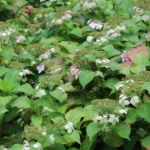 Blue Wave (Hydrangea macrophylla ‘Blue Wave’)Hydrangea macrophylla 'Blue Wave'
 Blue Danube (Hydrangea macrophylla ‘Blue Danube’)Hydrangea macrophylla 'Blue Danube'
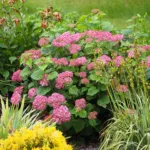 Annabelle Hydrangea (Hydrangea arborescens ‘Annabelle’)Hydrangea arborescens 'Annabelle'
 Glowing Embers (Hydrangea macrophylla ‘Glowing Embers’)Hydrangea macrophylla 'Glowing Embers'