
 Source:
Mariesii (Hydrangea macrophylla ‘Mariesii’) short overview
Hydrangea macrophylla 'Mariesii' is a deciduous lacecap hydrangea valued for its broad, coarsely serrated leaves and flattened summer flower clusters. Small fertile florets form the center, while showy sterile florets create a delicate outer rim. Give it morning sun or bright dappled shade, consistently moist soil, and protection from harsh afternoon heat and late spring freezes. Flower color may vary with cultivar and soil conditions.
Taxonomic classification
Mariesii (Hydrangea macrophylla ‘Mariesii’) care guide
Light and placement
Give morning sun with afternoon shade or bright, dappled light. An east-facing or woodland-edge position is often suitable. Hot afternoon sun can scorch leaves and increase wilting; too much shade may produce weak growth and fewer flowers. Protect the shrub from drying winter winds and reflected heat.
Watering and humidity
Water deeply when the upper inch of soil begins to dry, then maintain consistent moisture rather than alternating drought and saturation. Increase frequency during hot weather, especially for containers, and reduce only when growth slows or rainfall is adequate. Water at the base to keep foliage drier and limit leaf disease.
Soil and growing medium
Use fertile, moisture-retentive soil that still drains freely. Loam amended with compost is suitable, and clay or sandy soil can be improved with organic matter. A slightly acidic to neutral reaction is appropriate. Avoid chronically waterlogged sites, which encourage root problems.
Feeding
Apply a balanced slow-release shrub fertilizer in early spring as growth begins, following the product label. A yearly layer of compost can improve soil structure and moisture retention. Do not heavily fertilize late in the season or after drought stress, because soft growth may be more vulnerable to winter injury.
Growth and habit
It forms a rounded, multi-stemmed shrub and usually develops steadily when moisture is reliable. The main maintenance issue is flower-bud preservation: stems that survive winter can carry the following summer's bloom, so avoid routine hard cutting and site the plant away from exposed wind.
Planting and repotting
Plant in spring or fall when the soil is workable. Set the root ball level with the surrounding soil, water deeply, and mulch with organic material while keeping mulch away from the stems. Allow about 4–5 feet of space for a mature specimen, with extra room where air circulation is poor.
For container plants, repot in early spring before active growth, moving up one pot size at a time. Refresh part of the growing medium without burying the crown or disturbing the root ball unnecessarily. Containers dry and freeze faster than garden soil, so monitor moisture closely.
Propagation and pruning
Propagation
Propagate by softwood or semi-ripe stem cuttings in late spring through summer, or by layering. Use healthy nonflowering shoots, keep the medium evenly moist, and provide bright filtered light. Layering is slower but straightforward for a well-established shrub.
Pruning
Prune only as needed immediately after flowering, removing weak, damaged, or crossing stems and cutting back spent flower heads to healthy buds. Avoid fall, winter, and early-spring hard pruning because this cultivar commonly flowers on old wood.
Overwintering
In Zones 6–7, mulch the root zone after the ground cools and shelter the plant from drying wind. Protect exposed stems from severe cold and late spring freezes with breathable covering when needed. Container plants need insulation or a protected unheated location because roots are less cold-hardy above ground.
Uses
Use as a specimen shrub, shaded border plant, foundation accent, woodland-edge planting, or container subject. The lacecap form is valuable for close garden viewing and cut arrangements. Do not use it as food or medicine, and keep pruned material away from children and pets because ingestion can be harmful.
Appearance
The shrub has broad, opposite, coarsely serrated leaves and a rounded multi-stemmed habit. Its identifying floral feature is the flat lacecap cluster: inconspicuous fertile florets are surrounded by a looser outer rim of larger sterile florets. Cultivar descriptions differ on whether conspicuous leaf-margin variegation is consistently present, so foliage expression should be verified from the nursery stock.
Flowering
This cultivar is a lacecap form: many small fertile florets occupy the center of a flattened cluster, with a peripheral ring of larger sterile florets. It generally flowers on old wood in summer, so late-season pruning can remove next year's buds. Flower color may shift between pinkish and bluish tones depending on cultivar expression and soil chemistry.
Pollination and visitors
The central fertile florets may be visited by small insects, but strong, cultivar-specific pollinator-attraction evidence is limited. The large outer sterile florets are showy but generally do not provide the same reproductive resources as fertile flowers.
Hydrangea macrophylla 'Mariesii' photos
Click any photo for a larger view. Source, author and license are shown separately.
Diseases and pests
Diseases
Watch for leaf spot, powdery mildew, botrytis, and root rot. Improve air circulation, water at the soil line, remove fallen diseased leaves, and avoid persistently saturated soil. Fungicides are usually unnecessary unless disease is severe and recurring; follow the product label if treatment is needed.
Pests
Scout for aphids, spider mites, scale, Japanese beetles, and slugs. Rinse soft-bodied insects from foliage, encourage natural enemies, hand-pick beetles, and reduce plant stress through consistent watering. Use targeted treatments only when monitoring shows they are needed.
Related diseases and pests
Only Plant Doctor profiles whose host data indicate this plant may be affected are shown here.
 DiseaseGray MoldBotrytis cinerea
 PestCyclamen mitePhytonemus pallidus
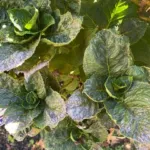 PestChilli thripsScirtothrips dorsalis Hood
 DiseaseAster yellows‘Candidatus Phytoplasma asteris’
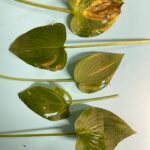 PestStrawberry foliar nematodeAphelenchoides fragariae
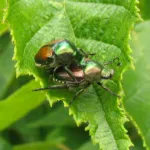 PestJapanese beetlePopillia japonica
 DiseaseMaple powdery mildewSawadaea bicornis
 DiseaseCucurbit Powdery MildewPodosphaera xanthii (Castagne) U. Braun & Shishkoff
Toxicity and pollen
Hydrangeas contain cyanogenic compounds and are considered toxic if eaten. Ingestion can cause gastrointestinal upset and, with larger exposures, more serious signs. Keep leaves, flowers, stems, and cut material away from children and pets; seek medical or veterinary advice after ingestion.
- Typical season
- Late spring through summer flowering period
- Pollination / pollen
- Low-dispersal insect-pollinated pollen
Hydrangea flowers release relatively little airborne pollen compared with strongly wind-pollinated plants because pollination is primarily insect-mediated. Sensitive people may still react to plant material or pollen, and individual responses vary. Avoid shaking flowering stems indoors and remove spent material carefully if symptoms occur.
Native habitat
The species is native to Japan, China, Korea, and parts of Southeast Asia, where it grows in moist, temperate woodland and forest-edge settings. In cultivation it prefers humus-rich soil, filtered light, and reliable moisture rather than hot, dry exposure.
Interesting fact
The cultivar belongs to the lacecap group rather than the rounded mophead type. Its flower cluster includes fertile and sterile florets with different functions. Hydrangea macrophylla can show blue or pink floral tones influenced by soil chemistry, although cultivar response is variable. Old stems carry much of the next season's flower potential.
Frequently asked questions (FAQ)
The most relevant questions about this plant, with short and direct answers.
🌱Quick care
What is Hydrangea macrophylla 'Mariesii'?⌄
Hydrangea macrophylla 'Mariesii' is a deciduous lacecap hydrangea cultivar with flattened flower clusters, serrated green leaves, and a rounded habit. It typically grows about 3 to 5 feet tall and wide.
How much light does Hydrangea macrophylla 'Mariesii' need?⌄
Give Hydrangea macrophylla 'Mariesii' morning sun or bright dappled shade. It can tolerate more sun only when the soil stays reliably moist, especially in hot climates.
How often should I water Hydrangea macrophylla 'Mariesii'?⌄
Water Hydrangea macrophylla 'Mariesii' deeply whenever the soil surface begins to dry, keeping the root zone evenly moist but not waterlogged. Plants in full sun, containers, or hot weather may need more frequent watering.
What soil is best for Hydrangea macrophylla 'Mariesii'?⌄
Plant Hydrangea macrophylla 'Mariesii' in moist, fertile, well-drained loam enriched with organic matter. Avoid compacted soil that remains saturated around the roots.
🌤️Environment and placement
What USDA hardiness zones are suitable for Hydrangea macrophylla 'Mariesii'?⌄
Hydrangea macrophylla 'Mariesii' is generally suitable for USDA Zones 6 through 9. In colder parts of Zone 6 and in exposed gardens, protect the stems and flower buds from severe winter cold.
Can Hydrangea macrophylla 'Mariesii' grow in full sun?⌄
Hydrangea macrophylla 'Mariesii' can grow in full sun if the soil remains consistently moist and afternoon heat is limited. Morning sun with afternoon shade is safer for preventing leaf scorch and wilting.
Where should I plant Hydrangea macrophylla 'Mariesii'?⌄
Plant Hydrangea macrophylla 'Mariesii' in a sheltered location with morning sun, afternoon shade, and protection from drying wind. A shrub border, foundation bed, patio edge, or large container can work well.
Does Hydrangea macrophylla 'Mariesii' need winter protection?⌄
Hydrangea macrophylla 'Mariesii' benefits from winter protection where severe cold or late spring freezes are common. Mulch the root zone and cover the plant during unusually cold weather, but avoid trapping moisture against the stems.
Why are the leaves of Hydrangea macrophylla 'Mariesii' turning brown?⌄
Brown leaves on Hydrangea macrophylla 'Mariesii' are commonly caused by drought, excessive sun, hot wind, or late frost. Keep the soil evenly moist and provide afternoon shade while removing only badly damaged foliage.
💧Care and problems
How do I care for Hydrangea macrophylla 'Mariesii' after planting?⌄
After planting Hydrangea macrophylla 'Mariesii', water it thoroughly, maintain even moisture, and apply a light organic mulch layer without touching the stems. Avoid heavy fertilizer until the plant is established.
Why is Hydrangea macrophylla 'Mariesii' wilting?⌄
Hydrangea macrophylla 'Mariesii' usually wilts because the soil is too dry, the plant is exposed to excessive heat, or its roots are damaged by poor drainage. Check soil moisture several inches below the surface and water deeply if it is dry.
What pests affect Hydrangea macrophylla 'Mariesii'?⌄
Hydrangea macrophylla 'Mariesii' may be visited by aphids, scale insects, capsid bugs, or vine weevils. Inspect new growth and leaf undersides regularly, and use the least disruptive treatment appropriate for the pest.
What diseases affect Hydrangea macrophylla 'Mariesii'?⌄
Hydrangea macrophylla 'Mariesii' can be affected by leaf spot, powdery mildew, gray mold, bacterial wilt, or bud blight. Improve air circulation, water at the soil line, remove diseased debris, and avoid keeping foliage wet overnight.
Should I fertilize Hydrangea macrophylla 'Mariesii'?⌄
Apply a balanced, slow-release fertilizer in spring if growth is weak or the soil is nutrient-poor. Avoid excessive nitrogen, which can produce lush leaves while reducing flowering and increasing soft growth vulnerable to frost.
🪴Planting and repotting
When is the best time to plant Hydrangea macrophylla 'Mariesii'?⌄
Plant Hydrangea macrophylla 'Mariesii' in spring after the ground is workable or in fall well before the soil freezes. Spring planting is preferable in colder areas because it gives the roots more time to establish before winter.
Can Hydrangea macrophylla 'Mariesii' grow in a container?⌄
Hydrangea macrophylla 'Mariesii' can grow in a large container with drainage holes and fertile, moisture-retentive potting mix. Containers dry and freeze faster than garden soil, so monitor moisture closely and protect the roots during winter.
How far apart should I plant Hydrangea macrophylla 'Mariesii'?⌄
Space Hydrangea macrophylla 'Mariesii' about 4 to 5 feet apart when planting multiple shrubs. Adjust spacing slightly for the mature size of the plants and the airflow needed in humid conditions.
✂️Propagation and pruning
How do I propagate Hydrangea macrophylla 'Mariesii'?⌄
Propagate Hydrangea macrophylla 'Mariesii' most reliably from softwood cuttings taken in early summer. Root cuttings in a sterile, well-drained medium kept evenly moist and humid until new roots and growth develop.
When should I prune Hydrangea macrophylla 'Mariesii'?⌄
Prune Hydrangea macrophylla 'Mariesii' immediately after flowering or limit pruning to removing dead, damaged, or weak stems. This cultivar flowers mainly on older wood, so late-season or spring pruning can remove next year's flower buds.
Why does Hydrangea macrophylla 'Mariesii' not bloom?⌄
Hydrangea macrophylla 'Mariesii' may fail to bloom after winter injury, late frost, drought stress, or pruning at the wrong time. Because its flower buds form on older stems, protect those stems and prune lightly after flowering.
⚠️Toxicity and safety
Is Hydrangea macrophylla 'Mariesii' toxic to people?⌄
Hydrangea macrophylla 'Mariesii' is moderately toxic if ingested. Keep leaves, flowers, and stems away from children and pets, and contact a medical or veterinary professional if a significant amount is eaten.
Is Hydrangea macrophylla 'Mariesii' poisonous to dogs and cats?⌄
Hydrangea macrophylla 'Mariesii' can cause illness if dogs or cats chew or ingest it. Keep pets from the plant and seek veterinary advice if vomiting, diarrhea, weakness, or other symptoms develop after ingestion.
🌸Flowering and special interest
When does Hydrangea macrophylla 'Mariesii' bloom?⌄
Hydrangea macrophylla 'Mariesii' typically blooms from early or mid-summer into late summer, often from June through August depending on climate. Flowering time may shift after winter damage or unusually cool spring weather.
Are the flowers of Hydrangea macrophylla 'Mariesii' lacecap or mophead?⌄
Hydrangea macrophylla 'Mariesii' is a lacecap hydrangea. Its broad, flattened clusters contain many small fertile flowers with scattered showy sterile florets rather than a solid ball of large florets.
What color are Hydrangea macrophylla 'Mariesii' flowers?⌄
Hydrangea macrophylla 'Mariesii' flowers may appear pink, lilac, purple, or blue depending partly on soil chemistry. Acidic conditions tend to encourage bluer tones, while neutral to alkaline conditions generally produce pinker tones.
Can I change the flower color of Hydrangea macrophylla 'Mariesii'?⌄
You can influence the flower color of Hydrangea macrophylla 'Mariesii' by changing soil acidity and aluminum availability, but results are gradual and not always uniform. Test the soil first and change pH only when needed for the plant's health.
Does Hydrangea macrophylla 'Mariesii' rebloom?⌄
Hydrangea macrophylla 'Mariesii' is not generally considered a reliably reblooming cultivar. Its main flower crop develops from older wood, so reblooming should not be expected after pruning or weather damage.
Why did frost damage my Hydrangea macrophylla 'Mariesii' flowers?⌄
Late frost can kill the older flower buds of Hydrangea macrophylla 'Mariesii' before they open. This is especially likely after a warm spell, so cover the plant during freeze warnings and delay spring cleanup until new growth is clearly alive.
Similar plants
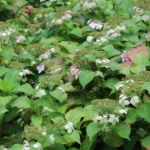 Blue Wave (Hydrangea macrophylla ‘Blue Wave’)Hydrangea macrophylla 'Blue Wave'
 Blaumeise (Hydrangea macrophylla ‘Blaumeise’)Hydrangea macrophylla 'Blaumeise'
 Generale Vicomtesse de Vibraye (Hydrangea macrophylla ‘Generale Vicomtesse de Vibraye’)Hydrangea macrophylla 'Generale Vicomtesse de Vibraye'
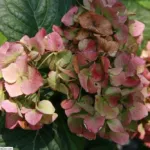 Hamburg mophead hydrangea (Hydrangea macrophylla ‘Hamburg’)Hydrangea macrophylla 'Hamburg'
 Hydrangea ‘Anomala Petiolaris’Hydrangea 'Anomala Petiolaris'
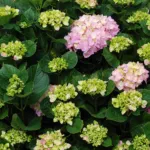 Bigleaf Hydrangea (Hydrangea macrophylla) care guideHydrangea macrophylla