
 Source:
 Carmen (Mammillaria carmenae ‘Carmen’) short overview
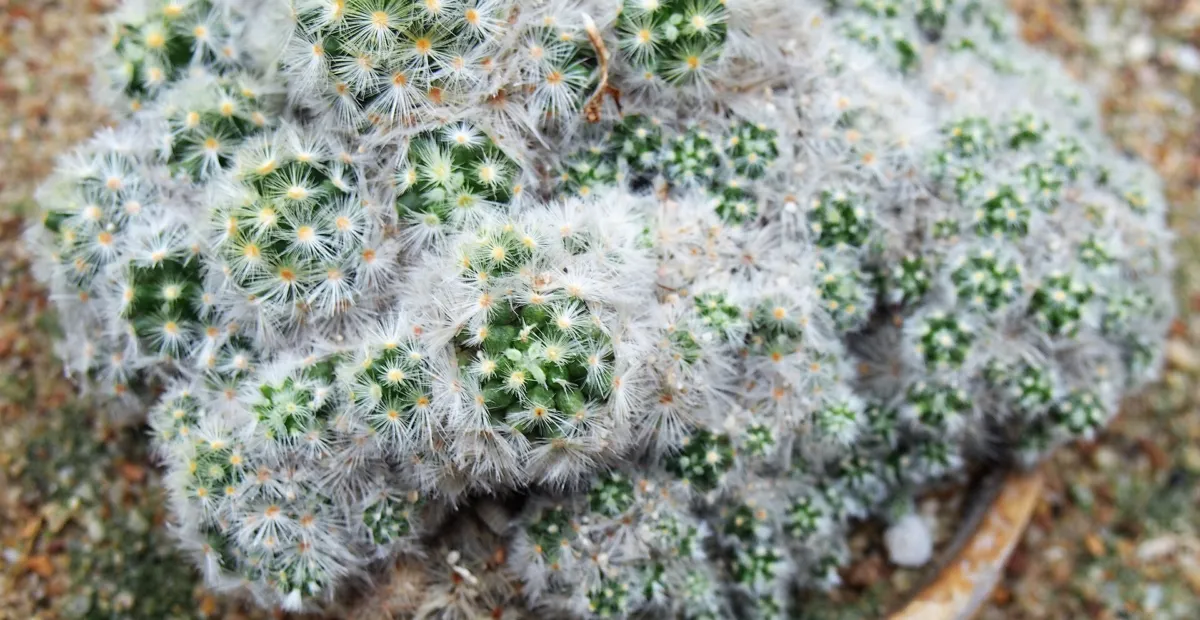
Mammillaria carmenae 'Carmen' is a compact cultivated form of a rare Mexican pincushion cactus, valued for its clustered green stems and unusually dense covering of fine golden radial spines. In spring, mature plants can produce a neat ring of small pale cream to pink-tinged flowers. It is well suited to sunny windowsills, conservatories, containers, and frost-free rock gardens, provided the potting mix drains rapidly and winter watering is greatly reduced.
Taxonomic classification
Carmen (Mammillaria carmenae ‘Carmen’) care guide
Light and placement
Give the plant the brightest practical exposure, ideally a south- or west-facing window, greenhouse bench, or sheltered full-sun position. Acclimate gradually to intense outdoor sun to prevent scorch. Insufficient light causes stretched, dull growth and weak spines; excessive sudden sun can bleach or brown the surface.
Watering and humidity
Water thoroughly only after the mix has dried completely, then let excess drain away. During active growth, the interval may be roughly every 2–4 weeks indoors, depending on pot size, light, and temperature. Water much less in fall and keep nearly dry during a cool winter rest. Never leave the pot standing in water.
Soil and growing medium
Use a very porous cactus mix amended with coarse mineral material such as pumice, perlite, or grit. The substrate should drain immediately and dry fully between waterings. Slightly acidic to neutral conditions are suitable; avoid dense peat-heavy mixes that remain wet around the roots.
Feeding
Feed only during active growth, generally from spring through summer, using a balanced or low-nitrogen cactus fertilizer at about one-quarter to one-half the label strength. Apply to already moist soil rather than dry roots. Stop feeding in late summer or early fall and do not fertilize during the cool winter rest.
Growth and habit
This slow-growing cactus branches from the base and gradually forms a compact, many-headed clump. Keep offsets exposed to strong light so they remain firm and evenly colored. Excess shade can produce weak, elongated growth, while wet conditions can damage the root system before symptoms appear above ground.
Planting and repotting
Plant at the same depth as the original root ball, keeping the stem base above the substrate. Set plants where rain cannot saturate the pot. In containers, leave enough room for offsets to develop rather than tightly spacing individual heads.
Repot in spring or early summer only when the container is crowded or the substrate has degraded. Handle with thick gloves or folded newspaper, allow damaged roots to dry briefly, and use a dry, gritty mix. Do not water immediately after repotting; wait several days, then resume cautiously.
Propagation and pruning
Propagation
Propagate from offsets or seed. Detach offsets in warm, active growth when they have a firm base, let any wound callus, then root in dry gritty mix before light watering. Seed propagation is slower and requires warmth, clean substrate, and careful moisture control.
Pruning
No routine pruning is required. Remove dead flowers or damaged offsets with sterile tools, allowing wounds to dry completely. Do not cut healthy spines or reshape the plant; damage to the stem can create entry points for rot.
Overwintering
Keep frost-free, bright, and cool in winter, ideally around 45–55°F if the plant remains dry. Avoid warm, dim rooms that encourage weak growth. Resume watering gradually in spring only after brighter light and active growth return.
Uses
Primarily an ornamental collector cactus for sunny windowsills, conservatories, greenhouse benches, containers, and dry rock gardens. Its compact clustered habit and golden spination provide year-round structure. It is not documented here as an edible or medicinal plant, and wild-collected material should be avoided because of conservation concerns.
Appearance
The plant consists of rounded to egg-shaped green heads made of distinct tubercles rather than ribs. Each tubercle carries many very fine radial spines that create a soft-looking golden or cream mantle; central spines are absent or inconspicuous. Basal offsets gradually produce a dense, low mound.
Flowering
Mature plants may flower in spring, producing small flowers in a ring near the crown. Flowering is encouraged by strong light, a cool dry winter rest, and a gradual return to watering in spring. The exact flowering performance of the named cultivar 'Carmen' is not separately documented from the species profile.
Pollination and visitors
The small open flowers are likely visited by small insects, but reliable records naming a specific pollinator for this exact cultivar were not found. Attraction is therefore rated low rather than assumed to be high from flowering alone.
Mammillaria carmenae 'Carmen' photos
Click any photo for a larger view. Source, author and license are shown separately.
Diseases and pests
Diseases
The main risk is root or stem rot caused by persistently wet soil, especially during cool weather. Use a sterile, fast-draining mix, inspect the base for soft dark tissue, and isolate affected plants. Remove rot with a sterile blade only when localized; severe cases may not be recoverable.
Pests
Watch for mealybugs, scale, spider mites, and root pests. Inspect woolly areas and stem bases regularly, isolate infested plants, remove accessible insects with a cotton swab, and use a labeled cactus-safe treatment according to its instructions. Avoid routine over-treatment and improve airflow.
Related diseases and pests
Only Plant Doctor profiles whose host data indicate this plant may be affected are shown here.
 PestCotton mealybugPhenacoccus solenopsis Tinsley
 DiseaseRhizopus soft rotRhizopus stolonifer
 DiseaseBacterial soft rotPectobacterium carotovorum
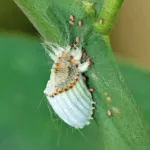 PestCottony Cushion ScaleIcerya purchasi
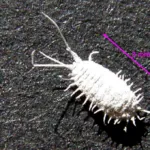 PestObscure mealybugPseudococcus viburni
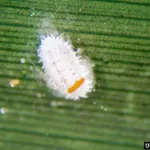 PestCitrus mealybugPlanococcus citri
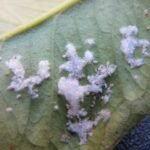 PestWoolly whiteflyAleurothrixus floccosus
Toxicity and pollen
No reliable authoritative record was found showing Mammillaria carmenae or the named cultivar to be poisonous. The principal practical hazards are sharp spines and possible irritation from sap or plant fragments. Prevent chewing and handle with gloves; absence of toxicity data is not proof of complete safety.
- Typical season
- Spring flowering period
- Pollination / pollen
- Pollen released within small insect-pollinated flowers
This cactus produces pollen when it flowers, but its small insect-pollinated flowers are not generally associated with substantial airborne pollen exposure. No cultivar-specific clinical allergy data were found, so the low rating is cautious rather than a guarantee of zero risk.
Native habitat
The species is native to a restricted area of Tamaulipas in northeastern Mexico, where it occurs in dry, rocky, seasonally warm conditions. Its habitat context supports mineral, rapidly draining soil, intense light, and a pronounced dry period rather than rich moisture-retentive ground.
Interesting fact
The species was described in 1953 and is associated with Tamaulipas, Mexico. It forms offsets freely and can develop a broad, many-headed mound. Its dense yellow covering is produced mainly by numerous fine radial spines; central spines are absent or inconspicuous. The species is listed in CITES Appendix II.
Frequently asked questions (FAQ)
The most relevant questions about this plant, with short and direct answers.
🌱Quick care
How do you care for Mammillaria carmenae 'Carmen'?⌄
Grow Mammillaria carmenae 'Carmen' in bright direct sun, use a very well-drained cactus mix, and water only after the mix dries completely. Protect it from freezing temperatures and keep it drier during winter.
How often should I water Mammillaria carmenae 'Carmen'?⌄
Water Mammillaria carmenae 'Carmen' thoroughly only when its soil is completely dry. The interval may range from every 1–3 weeks during active growth to several weeks or none during a cool winter rest.
Is Mammillaria carmenae 'Carmen' easy to grow indoors?⌄
Yes, Mammillaria carmenae 'Carmen' can grow well indoors if it receives strong direct light and is planted in a fast-draining cactus mix. A bright, sunny window or grow light is usually necessary to prevent weak, stretched growth.
🌤️Environment and placement
How much light does Mammillaria carmenae 'Carmen' need?⌄
Mammillaria carmenae 'Carmen' prefers several hours of bright direct sun each day. Acclimate it gradually when moving it into stronger sunlight to reduce the risk of sun stress or scorching.
Can Mammillaria carmenae 'Carmen' grow outside in the United States?⌄
Mammillaria carmenae 'Carmen' can grow outdoors in warm, dry parts of the United States, especially in containers or protected rock gardens. In areas with freezing temperatures or prolonged wet weather, bring it indoors or provide reliable shelter.
What USDA hardiness zone is suitable for Mammillaria carmenae 'Carmen'?⌄
Mammillaria carmenae 'Carmen' is best treated as a frost-tender cactus rather than as a reliably hardy landscape plant. It may survive outdoors year-round only in warm, dry microclimates, while most U.S. gardeners should protect it whenever temperatures approach freezing.
What temperature is too cold for Mammillaria carmenae 'Carmen'?⌄
Freezing temperatures are too cold for Mammillaria carmenae 'Carmen', particularly when the plant or soil is wet. Keep it above freezing and provide a cool, dry winter rest instead of exposing it to frost.
Does Mammillaria carmenae 'Carmen' need good air circulation?⌄
Yes, good air circulation helps Mammillaria carmenae 'Carmen' dry quickly and reduces problems associated with excess humidity. Avoid sealed containers, persistently damp rooms, and crowded placement.
💧Care and problems
Why is my Mammillaria carmenae 'Carmen' turning yellow or soft?⌄
Yellowing or soft tissue commonly indicates overwatering, poor drainage, or root damage in Mammillaria carmenae 'Carmen'. Stop watering, inspect the roots if the problem continues, and replant healthy tissue in dry, porous cactus soil if rot is present.
Why is Mammillaria carmenae 'Carmen' becoming pale or stretched?⌄
Pale, elongated growth usually means Mammillaria carmenae 'Carmen' is not receiving enough light. Move it gradually toward stronger direct sun or supplement with a suitable grow light, while avoiding sudden exposure to intense sunlight.
What is the biggest care mistake with Mammillaria carmenae 'Carmen'?⌄
The most serious common mistake is watering Mammillaria carmenae 'Carmen' before its soil has dried fully. Wet soil combined with low light, cool temperatures, or poor drainage can quickly cause root and stem rot.
Should I fertilize Mammillaria carmenae 'Carmen'?⌄
Fertilize Mammillaria carmenae 'Carmen' lightly during active spring or summer growth with a diluted cactus fertilizer. Do not fertilize dry, dormant, stressed, or recently repotted plants.
Does Mammillaria carmenae 'Carmen' need a winter dormancy period?⌄
A cool, bright, dry winter rest is beneficial for Mammillaria carmenae 'Carmen' and may support flowering. Reduce or stop watering while temperatures are low, resuming gradually when active growth returns.
What pests affect Mammillaria carmenae 'Carmen'?⌄
Mealybugs, scale, and root mealybugs can affect Mammillaria carmenae 'Carmen'. Inspect the woolly areoles, stem joints, pot rim, and roots regularly because pests can hide among the dense spines.
🪴Planting and repotting
What soil is best for Mammillaria carmenae 'Carmen'?⌄
Use a very well-drained cactus mix for Mammillaria carmenae 'Carmen', preferably one amended with extra pumice, perlite, or coarse mineral grit. The mix should drain rapidly and should not remain wet after watering.
What type of pot is best for Mammillaria carmenae 'Carmen'?⌄
A pot with a drainage hole is essential for Mammillaria carmenae 'Carmen'. Unglazed clay can help the soil dry faster, but any container is suitable if it is only slightly larger than the root system and does not hold excess water.
When should I repot Mammillaria carmenae 'Carmen'?⌄
Repot Mammillaria carmenae 'Carmen' in spring or early summer when it has begun active growth, or sooner if the soil stays wet or the roots are damaged. Let any injured roots dry briefly before placing the plant into fresh, dry mix.
How often does Mammillaria carmenae 'Carmen' need repotting?⌄
Mammillaria carmenae 'Carmen' usually needs repotting every few years rather than annually. Repot when the plant has outgrown its container, the mix has broken down, or drainage has noticeably declined.
✂️Propagation and pruning
How do you propagate Mammillaria carmenae 'Carmen'?⌄
Mammillaria carmenae 'Carmen' can be propagated from offsets or seed, with offsets generally providing the quickest result. Allow a detached offset to form a dry callus before planting it in dry, gritty cactus mix.
Can you grow Mammillaria carmenae 'Carmen' from pups?⌄
Yes, Mammillaria carmenae 'Carmen' may produce offsets, or pups, around the base and these can be separated for propagation. Remove them carefully, let the cut surface dry, and delay watering until roots begin to establish.
Does Mammillaria carmenae 'Carmen' need pruning?⌄
No, Mammillaria carmenae 'Carmen' generally does not need pruning. Remove only dead, diseased, or severely damaged offsets using clean tools, and handle the plant carefully because its spines can injure skin.
⚠️Toxicity and safety
Is Mammillaria carmenae 'Carmen' poisonous to cats or dogs?⌄
No documented poisonous effect has been found for Mammillaria carmenae 'Carmen', but reliable pet-specific toxicity data for this exact cultivar are limited. Keep it away from pets because the spines can injure the mouth, paws, or skin if chewed or touched.
Is Mammillaria carmenae 'Carmen' safe to handle?⌄
Mammillaria carmenae 'Carmen' is not known for poisonous sap, but its fine spines can puncture skin and may be difficult to remove. Use tongs, folded paper, or thick gloves when repotting or moving it.
🌸Flowering and special interest
When does Mammillaria carmenae 'Carmen' bloom?⌄
Mammillaria carmenae 'Carmen' typically flowers from late winter into spring, although indoor plants may bloom at different times. Mature plants are more likely to flower after receiving strong light, a dry winter rest, and cooler winter conditions.
What do the flowers of Mammillaria carmenae 'Carmen' look like?⌄
The flowers of Mammillaria carmenae 'Carmen' are small and usually pale white to cream, sometimes with pink or purple tones and yellow centers. They often form a ring around the upper part of the stem.
Why is my Mammillaria carmenae 'Carmen' not flowering?⌄
Insufficient light, excessive winter watering, immaturity, or a lack of seasonal temperature contrast can prevent Mammillaria carmenae 'Carmen' from flowering. Provide brighter light, keep it dry during a cool winter rest, and avoid excessive fertilizer.
How large does Mammillaria carmenae 'Carmen' get?⌄
Mammillaria carmenae 'Carmen' remains a small cactus, with individual stems commonly reaching about 3 inches tall and mature clusters becoming wider over time. Size varies with age, growing conditions, and the plant’s tendency to produce offsets.
Similar plants
 Azure Monkshood (Aconitum carmichaelii) care guideAconitum carmichaelii
 Monkshood (Aconitum ‘Stainless Steel’)Aconitum 'Stainless Steel'
 Monkshood (Aconitum ‘Bressingham Spire’)Aconitum 'Bressingham Spire'
 Golden full moon maple (Acer shirasawanum ‘Aureum’)Acer shirasawanum 'Aureum'
 Globosum (Acer platanoides ‘Globosum’)Acer platanoides 'Globosum'
 Striped maple (Acer pensylvanicum) care guideAcer pensylvanicum