
 Source:
Corynabutilon vitifolium short overview
Corynabutilon vitifolium is a fast-growing deciduous shrub from central and south-central Chile, valued for its large, vine-like leaves and pale mauve to lavender, saucer-shaped flowers. In the United States it performs best in full sun, sheltered sites and sharply drained soil, with winter protection in colder climates. It is also suitable for containers and cool conservatories. Corynabutilon vitifolium is an accepted species in Malvaceae, native to central and south-central Chile. It forms a fast-growing, deciduous shrub or small tree with gray-felted shoots, grape-like lobed leaves and large mauve to lavender flowers.
Taxonomic classification
Corynabutilon vitifolium care guide
Light and placement
Give full sun, ideally against a south- or west-facing wall or in another sheltered, warm position. Strong light supports compact growth and flowering. Excessive shade can produce weak, elongated shoots and fewer flowers; intense reflected heat is acceptable only when root moisture is maintained. Protect from exposed wind, which can damage the soft stems and large leaves.
Watering and humidity
Water deeply when the upper few inches of soil begin to dry, then allow excess water to drain away. Keep newly planted specimens evenly moist through their first growing season. Container plants may need more frequent summer watering, while watering should be reduced in cool weather and stopped or minimized during prolonged winter dormancy when the mix is already wet.
Soil and growing medium
Use moderately fertile, well-drained loam or sandy loam. The plant tolerates a broad pH range, including acidic, neutral and alkaline soils, provided drainage is good. Avoid persistently wet ground, especially in winter. For containers, use a loam-based mix amended for drainage rather than a dense, water-retentive compost.
Feeding
Feed in spring when active growth begins with a balanced, slow-release fertilizer, or apply a dilute liquid feed during vigorous container growth. A spring mulch of compost can support growth, but keep it away from the stem. Do not fertilize drought-stressed, waterlogged or dormant plants, and reduce feeding as growth slows in late summer.
Growth and habit
This is a vigorous, spreading, soft-wooded shrub that can develop into a small tree-like specimen in a favorable climate. Its quick growth makes early structural support and sheltered placement useful. Because it may be relatively short-lived, avoid investing in an overly permanent position until its performance is established.
Planting and repotting
Plant after the last expected spring frost, once the soil has warmed. Set the root ball level with the surrounding soil and water deeply during establishment. Allow roughly 8–12 feet between plants where a full-sized specimen is intended; reduce spacing only for trained or regularly pruned plants.
Repot container plants in spring, moving them into the next pot size only when roots have filled the current container. Use a stable, loam-based, free-draining mix and avoid excessive pot volume, which can keep the root zone wet. Large specimens may be top-dressed instead of fully repotted.
Propagation and pruning
Propagation
Sow fresh seed in spring in a warm, well-drained medium, or take softwood cuttings in spring and greenwood cuttings in summer. Cuttings benefit from consistent humidity and bottom warmth. Seed-grown plants may vary in flower color, including occasional white or mauve forms.
Pruning
Prune after flowering or in late winter before strong spring growth, removing dead, weak or badly placed wood first. Light shaping can maintain a compact framework, while harder cutting back is best reserved for established plants with vigorous regrowth. Avoid repeated heavy pruning that removes the current season's flowering wood.
Overwintering
In USDA Zones 8–10, grow in a sheltered microclimate and protect the root zone from severe cold. In colder regions, grow in a large container and move it to a bright, cool, frost-free conservatory or greenhouse before hard freezes. Water sparingly indoors, maintain airflow and return outdoors gradually in spring.
Uses
Primarily an ornamental specimen for warm borders, sheltered wall-side planting, patios and large containers. In colder parts of the United States, container culture allows the plant to be moved under protection for winter. No culinary or medicinal use is recommended without species-specific authoritative evidence.
Appearance
Young shoots are gray-felted, and the leaves are softly gray-hairy, grape-like and commonly divided into three to five lobes. The broad leaves and long flower stalks give the plant a distinctive ornamental texture. Flowers are large and open-faced, with a mallow-like appearance and colors ranging from pale mauve to deeper lavender.
Flowering
Flowers are produced in the leaf axils on long, woolly stalks, usually several together. The blooms are broad, saucer-shaped and hollyhock-like, typically pale to deep mauve or lavender, with white forms also reported. Flowering is generally concentrated from late spring through midsummer in suitable temperate climates.
Pollination and visitors
The large, open flowers may be accessible to general insect visitors, but reliable species-specific documentation of principal pollinators was not located. Pollinator attraction is therefore left unclassified rather than inferred from flower shape alone.
Corynabutilon vitifolium photos
Click any photo for a larger view. Source, author and license are shown separately.
Diseases and pests
Diseases
Generally reported as disease-free, though poor drainage can encourage root problems. Prevent issues with porous soil, moderate watering and good air circulation. Remove badly affected material and correct cultural conditions before considering any treatment.
Pests
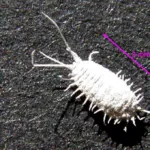
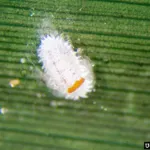
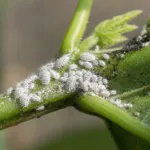
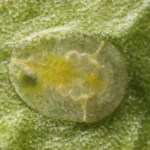
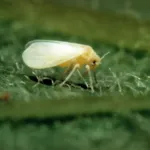
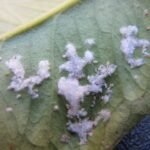
Watch for whitefly, spider mites, mealybugs and scale, particularly under glass or in conservatories. Inspect leaf undersides and stems regularly, isolate affected container plants, improve airflow and use proportionate physical or labeled controls if populations increase.
Related diseases and pests
Only Plant Doctor profiles whose host data indicate this plant may be affected are shown here.
Toxicity and pollen
No authoritative species-specific toxicity assessment for humans, dogs, cats or children was located in the consulted sources. Do not treat the plant as edible; prevent ingestion of unfamiliar plant material and seek medical or veterinary advice after a suspected exposure.
- Pollination / pollen
- Pollen produced by insect-associated flowers; dispersal relevance uncertain
Species-specific U.S. airborne-pollen and allergy data were not located. As a flowering malvaceous shrub, it produces pollen, but the extent of airborne dispersal and clinical relevance for allergy sufferers are uncertain. Avoid making allergy-risk assumptions from the absence of published reports.
Native habitat
Native to central and south-central Chile, where it occurs in a temperate climate. It is associated with well-drained soils and relatively mild growing conditions rather than severe continental cold. Garden success depends on warmth, shelter, sunlight and protection from prolonged freezing or winter wet.
Interesting fact
The species was introduced to cultivation in Europe from Chile in the 19th century. Leaf size can vary substantially with plant age and vigor. Seedlings may produce different flower colors, including white and mauve forms. The plant is short-lived compared with many woody shrubs and can sometimes decline suddenly.
Frequently asked questions (FAQ)
The most relevant questions about this plant, with short and direct answers.
🌱Quick care
What is Corynabutilon vitifolium?⌄
Corynabutilon vitifolium is a fast-growing, deciduous shrub or small tree in the mallow family, Malvaceae. It is native to central and southern Chile and is grown for its large, maple-like leaves and saucer-shaped flowers.
What is the common name for Corynabutilon vitifolium?⌄
No single documented US common name is verified here, so Corynabutilon vitifolium is the safest name to use. It may also appear in horticultural references under the synonym Abutilon vitifolium.
How much sun does Corynabutilon vitifolium need?⌄
Grow Corynabutilon vitifolium in full sun for the strongest growth and best flowering. Choose a sheltered position if your site is exposed to strong wind.
How often should you water Corynabutilon vitifolium?⌄
Water Corynabutilon vitifolium moderately, allowing the soil to dry slightly at the surface between waterings. Keep newly planted specimens more evenly moist, but avoid waterlogged soil.
🌤️Environment and placement
Where should Corynabutilon vitifolium be planted?⌄
Plant Corynabutilon vitifolium in a sunny, sheltered location with well-drained soil. A warm wall or protected courtyard can help it perform better in climates with cool winters or strong winds.
What USDA hardiness zone is Corynabutilon vitifolium?⌄
A dependable USDA hardiness-zone rating is not consistently documented for Corynabutilon vitifolium. Because it is frost-sensitive and soft-wooded, treat it as a protected shrub or container plant where hard freezes are possible.
Can Corynabutilon vitifolium tolerate frost?⌄
Corynabutilon vitifolium should be protected from frost. In areas with freezing winters, grow it in a container or provide a sheltered, frost-protected position and protect the roots during cold weather.
Can Corynabutilon vitifolium grow in a container?⌄
Yes, Corynabutilon vitifolium can be grown in a large container with drainage holes. Use a loam-based, well-drained potting mix and provide bright light, moderate watering, and winter protection.
Is Corynabutilon vitifolium evergreen or deciduous?⌄
Corynabutilon vitifolium is deciduous and may lose its leaves during the cooler or less favorable part of the year. Leaf drop is not necessarily a sign of disease if the stems remain healthy.
💧Care and problems
What soil does Corynabutilon vitifolium prefer?⌄
Corynabutilon vitifolium prefers moderately fertile, well-drained loam or sandy loam. Improve heavy or poorly drained soil before planting because persistent wetness can damage the roots.
Why is my Corynabutilon vitifolium losing leaves?⌄
Leaf loss can be normal during dormancy, but sudden loss during active growth may result from frost, drought, waterlogged roots, or severe stress. Check soil drainage and stems before increasing watering.
Why is Corynabutilon vitifolium not flowering?⌄
Poor flowering is commonly associated with insufficient sun, excessive shade, cold damage, or overly wet roots. Give the plant full sun, moderate moisture, and a sheltered position, while avoiding excessive nitrogen fertilizer.
What pests affect Corynabutilon vitifolium?⌄
Corynabutilon vitifolium may be affected by whiteflies, spider mites, mealybugs, or scale, especially when grown under glass. Inspect leaf undersides and stems regularly and treat small infestations promptly with an appropriate labeled control.
Does Corynabutilon vitifolium need fertilizer?⌄
Corynabutilon vitifolium benefits from moderately fertile soil but does not require heavy feeding. Apply a balanced fertilizer during active growth only if the plant shows weak growth or is being grown in a container.
🪴Planting and repotting
When should Corynabutilon vitifolium be planted?⌄
Plant Corynabutilon vitifolium in spring after the risk of frost has passed. Spring planting gives the roots a full growing season to establish before colder weather returns.
How large does Corynabutilon vitifolium grow?⌄
Corynabutilon vitifolium can become a large shrub or small tree, commonly reaching about 10 to 16 feet in favorable conditions. Allow sufficient width for its spreading, open growth habit.
Does Corynabutilon vitifolium need support?⌄
A mature Corynabutilon vitifolium usually grows as a shrub rather than a true climbing vine, so routine trellising is not normally required. Young or wind-exposed plants may need temporary staking while their stems strengthen.
✂️Propagation and pruning
How do you propagate Corynabutilon vitifolium from cuttings?⌄
Propagate Corynabutilon vitifolium from softwood cuttings in spring or greenwood cuttings in summer. Use healthy nonflowering shoots in a sterile, free-draining medium and maintain steady moisture without saturation.
Can Corynabutilon vitifolium be grown from seed?⌄
Yes, Corynabutilon vitifolium can be grown from seed, and seed is a practical way to renew older plants. Seed-grown offspring may vary in flower color, particularly between mauve- and white-flowered forms.
When should Corynabutilon vitifolium be pruned?⌄
Prune Corynabutilon vitifolium after flowering or in early spring before vigorous new growth begins. Remove dead or damaged wood and lightly shorten overlong shoots, avoiding severe pruning unless necessary.
⚠️Toxicity and safety
Is Corynabutilon vitifolium toxic to dogs and cats?⌄
Species-specific toxicity information for Corynabutilon vitifolium is not well established. Keep pets and children from chewing the plant, and contact a veterinarian or poison-control service if ingestion causes symptoms.
Is Corynabutilon vitifolium safe to touch?⌄
Corynabutilon vitifolium is not documented here as a known contact-toxic plant, but its hairy foliage may irritate sensitive skin. Wear gloves when pruning and wash exposed skin afterward.
🌸Flowering and special interest
When does Corynabutilon vitifolium bloom?⌄
Corynabutilon vitifolium generally flowers from late spring into summer. Bloom timing depends on climate, winter protection, sunlight, and the age and condition of the plant.
What color are Corynabutilon vitifolium flowers?⌄
The flowers are typically pale to deeper mauve or lavender, with white-flowered forms also cultivated. Individual flower color can vary among seedlings and named selections.
What do Corynabutilon vitifolium flowers look like?⌄
The flowers are large, five-petaled, saucer-shaped blooms resembling simplified hollyhock flowers. They are carried on long stalks against soft gray-green, lobed foliage.
Similar plants
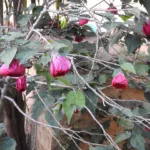 Abutilon ‘Nabob’Abutilon 'Nabob'
 Thompson’s Redveined Flowering Maple (Abutilon pictum ‘Thompsonii’)Abutilon pictum 'Thompsonii'
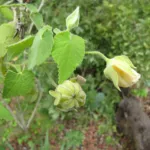 Hairy abutilon (Abutilon grandifolium) care guideAbutilon grandifolium
 Edvein abutilo (Callianthe picta) care guideCallianthe picta
 Florida Keys Indian mallow (Abutilon hirtum) care guideAbutilon hirtum
 Abutilon care guideAbutilon