
 Source:
 Abutilon ‘Nabob’ short overview
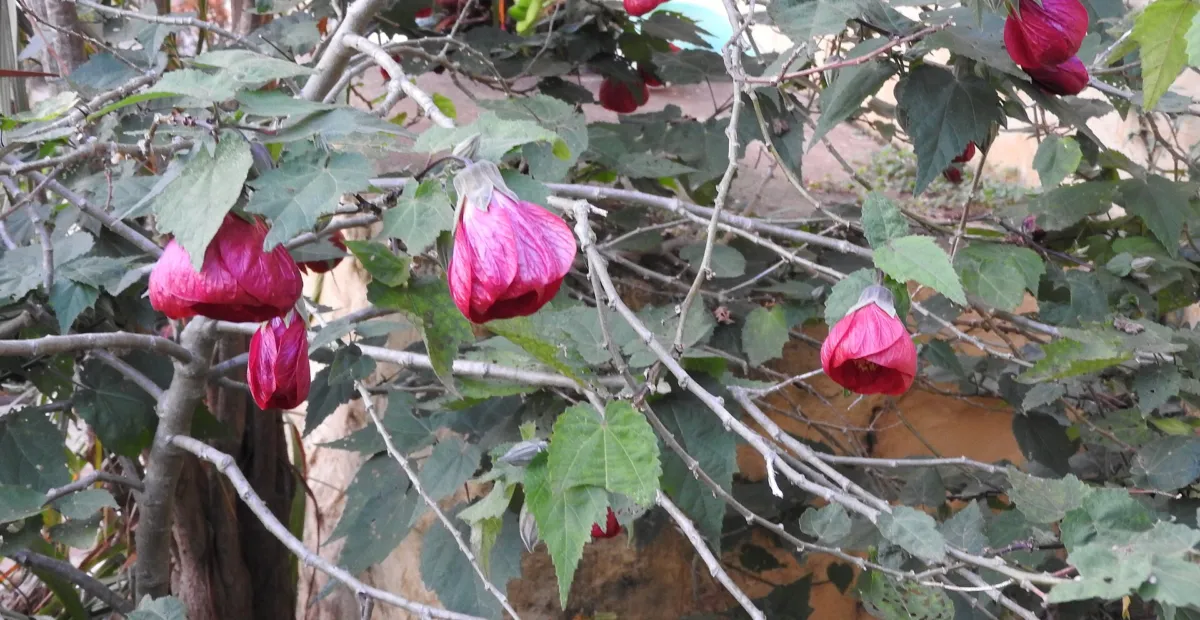
Abutilon 'Nabob' is a showy flowering maple valued for its glossy, maple-like leaves, dark stems, and large, nodding deep-crimson flowers. This tender woody perennial can become a substantial shrub in frost-free climates, while gardeners elsewhere commonly grow it in a container and move it indoors for winter. Give it bright light, shelter from harsh wind, evenly moist but well-drained soil, and regular pruning to maintain a compact, well-branched shape.
Taxonomic classification
Abutilon ‘Nabob’ care guide
Light and placement
Provide full sun to partial shade, with about 4–6 hours of direct light when grown outdoors. A south- or east-facing position is usually effective; in hot climates, give afternoon shade to reduce leaf scorch and flower stress. Too little light produces stretched stems and fewer flowers, while harsh reflected heat can scorch leaves.
Watering and humidity
Water thoroughly when the upper inch of mix begins to dry, allowing excess water to drain completely. Keep the root ball evenly moist during active growth, but reduce frequency in cool winter conditions without letting it become bone dry. Good airflow is more important than very high humidity; avoid wet foliage and standing water.
Soil and growing medium
Use a fertile, porous loam-based potting mix with reliable drainage. Keep the root zone evenly moist but never stagnant. Slightly acidic to neutral conditions are suitable; avoid compacted clay and containers without drainage holes. A peat-free or peat-reduced mix amended with compost and perlite or fine bark works well.
Feeding
Feed during active growth with a balanced liquid fertilizer at the label rate, commonly every 3–4 weeks. Water the plant first if the mix is dry, and do not fertilize a wilted, freshly repotted, dormant, or heavily stressed plant. Reduce or stop feeding during cool winter rest.
Growth and habit
This is an upright, branching shrub with comparatively fast growth in warmth and strong light. Stems can become lax or rangy when light is poor, so selective pinching and annual pruning encourage stronger branching and more flowers. Container plants usually remain smaller than plants grown year-round in mild climates.
Planting and repotting
Plant outdoors only after frost danger has passed and soil has warmed. Set the plant at the same depth as in its nursery container, firm the soil lightly, water deeply, and shelter it during establishment. In most of the United States, container culture is more reliable than permanent in-ground planting.
Repot container plants in spring, moving up only one pot size. Refresh part of the mix annually if the plant has reached its desired container size. Handle the root ball gently and water thoroughly after repotting.
Propagation and pruning
Propagation
Softwood cuttings are the most dependable method and are best taken in spring or early summer. Use short, non-flowering shoots, remove lower leaves, root in a sterile, airy medium, and maintain high humidity until rooted. Seed may be possible but will not reliably reproduce the named cultivar.
Pruning
Prune in late winter or early spring before vigorous new growth, or selectively after flowering to shape the plant. Shorten long shoots just above a healthy node and remove weak, crossing, or damaged stems. Regular pinching helps container plants stay compact; avoid severe pruning during cold, low-light dormancy.
Overwintering
Before the first frost, move container plants indoors or into a heated greenhouse. Check carefully for pests, prune lightly if needed, and place the plant in the brightest available window. Keep it somewhat cooler and drier in winter, but do not expose it to freezing temperatures. Return it outdoors gradually in spring after nights are reliably mild.
Uses
Use as a specimen, patio or balcony container plant, conservatory shrub, greenhouse subject, or sheltered wall-side accent. Its pendant flowers are ornamental and may be visited by insects. Do not promote culinary or medicinal use for this named cultivar without cultivar-specific safety and identification evidence.
Appearance
The plant has glossy, broad, maple-like leaves with lobed margins and dark stems. Flowers hang singly from the leaf axils on slender stalks, creating a lantern-like display. The combination of very dark stems, deep-crimson pendulous flowers, and green lobed foliage is useful for identifying this cultivar, although flower color can vary slightly with light and temperature.
Flowering
The cultivar bears solitary, pendent, bowl-shaped flowers from the leaf axils. Its flowers are notably large for the group, approximately 2.4–2.8 inches across, and deep crimson to dark red. In suitable frost-free conditions flowering can extend from spring into fall; in cooler regions the season is shortened by cold.
Pollination and visitors
The deep, conspicuous flowers of Abutilon are compatible with insect visitation, and related Abutilon plants are documented as visited by bees and other insects. For ‘Nabob’ specifically, reliable evidence identifying a single primary pollinator species was not located, so visitor groups are reported cautiously.
Abutilon 'Nabob' photos
Click any photo for a larger view. Source, author and license are shown separately.
Diseases and pests
Diseases
Avoid prolonged wetness and poor drainage, which can encourage root rots such as Pythium. Inspect for distorted growth or unusual mottling that may indicate viral problems. Remove affected tissue, improve air circulation, sterilize cutting tools, and avoid propagating from symptomatic plants.
Pests
Watch for whiteflies, spider mites, mealybugs, scale, aphids, and thrips, especially indoors. Check leaf undersides regularly, isolate infested plants, wash foliage, and use insecticidal soap or horticultural oil according to the label. Avoid drought stress and overcrowding, which can worsen outbreaks.
Related diseases and pests
Only Plant Doctor profiles whose host data indicate this plant may be affected are shown here.
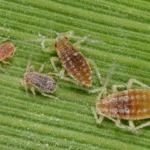 PestMealy Plum AphidHyalopterus pruni (Geoffroy, 1762)
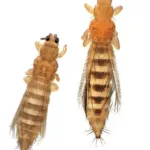 PestOnion thripsThrips tabaci Lindeman
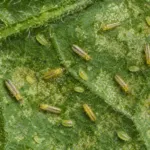 PestMelon thripsThrips palmi Karny
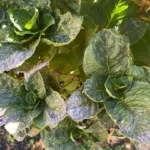 PestChilli thripsScirtothrips dorsalis Hood
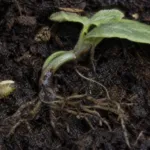 DiseasePythium damping-off, root rot and blightPythium aphanidermatum
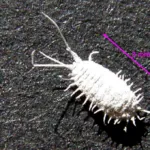 PestObscure mealybugPseudococcus viburni
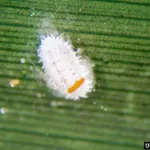 PestCitrus mealybugPlanococcus citri
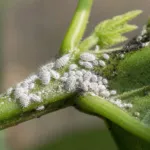 PestCotton mealybugPhenacoccus solenopsis Tinsley
Toxicity and pollen
No cultivar-specific toxic principle is documented in the authoritative sources checked. However, extension guidance for Abutilon lists possible human contact dermatitis, and any plant material may cause irritation or gastrointestinal upset if eaten. Wear gloves when pruning if your skin is sensitive and do not treat the plant as edible without confirmed identification and preparation guidance.
- Typical season
- Typically spring through fall during flowering; regional exposure varies
- Pollination / pollen
- Mostly insect-carried pollen; not characteristically wind-dispersed
‘Nabob’ has showy insect-pollinated flowers rather than the exposed, wind-dispersed pollen typical of major hay-fever plants. This suggests relatively low airborne pollen exposure, not zero risk; sensitive people can still react to direct contact or to pollen from an individual plant.
Native habitat
The named cultivar is horticultural rather than a wild population, so it has no single native habitat. Abutilon is a mainly tropical and subtropical genus associated with warm climates, sun or filtered light, and soils that drain freely while retaining moderate moisture.
Interesting fact
‘Nabob’ received the RHS Award of Garden Merit in 1993.
Frequently asked questions (FAQ)
The most relevant questions about this plant, with short and direct answers.
🌱Quick care
What is Abutilon 'Nabob'?⌄
Abutilon 'Nabob' is a tender, woody flowering shrub in the mallow family, Malvaceae. It is valued for its dark stems, deep red, pendant bell-shaped flowers, and maple-like foliage.
How much light does Abutilon 'Nabob' need?⌄
Give Abutilon 'Nabob' full sun to partial shade, with bright filtered light being especially useful in hot climates. More sun usually supports heavier flowering, while some afternoon shade can reduce heat stress.
How often should I water Abutilon 'Nabob'?⌄
Water Abutilon 'Nabob' whenever the surface of the potting mix begins to dry, keeping the root zone evenly moist but never waterlogged. Reduce watering in winter, but do not allow the plant to become completely dry for long periods.
Is Abutilon 'Nabob' frost hardy?⌄
No, Abutilon 'Nabob' is frost tender and should be protected from freezing temperatures. In much of the United States, grow it in a container so it can be moved indoors before the first frost.
🌤️Environment and placement
Can Abutilon 'Nabob' grow outdoors in the United States?⌄
Yes, it can grow outdoors year-round only in warm, frost-free parts of the United States. Elsewhere, treat it as a seasonal patio plant or overwinter it indoors in a bright location.
What USDA hardiness zone is Abutilon 'Nabob'?⌄
Abutilon 'Nabob' is best suited to warm USDA zones where hard freezes are uncommon, generally around Zones 9–10 or warmer. Even in those areas, sheltered placement and protection from occasional freezes are advisable.
Can Abutilon 'Nabob' grow in full sun?⌄
Yes, Abutilon 'Nabob' can grow in full sun if the soil stays evenly moist and the site is not excessively hot or windy. In very hot regions, morning sun with afternoon shade may give better results.
Where should I place Abutilon 'Nabob' indoors?⌄
Place it near a bright, sunny window where it receives strong indirect light or several hours of gentle direct sun. Keep it away from cold drafts, heating vents, and sudden temperature changes.
What soil is best for Abutilon 'Nabob'?⌄
Use a fertile, loamy, well-drained potting mix that retains some moisture without staying soggy. A quality container mix amended with compost or other organic matter is suitable.
Can Abutilon 'Nabob' be grown in a container?⌄
Yes, Abutilon 'Nabob' performs well in containers and is often grown this way outside its warmest climate range. Choose a pot with drainage holes and move it indoors before freezing weather.
💧Care and problems
Why are the leaves of my Abutilon 'Nabob' turning yellow?⌄
Yellow leaves commonly result from overwatering, poor drainage, low light, or normal stress during winter. Check that excess water drains freely and allow the surface of the mix to dry slightly before watering again.
Why is Abutilon 'Nabob' dropping leaves?⌄
Leaf drop can follow cold exposure, sudden changes in light or watering, very dry soil, or winter rest. Move the plant to a stable, bright, frost-free location and keep the mix lightly but consistently moist.
What pests attack Abutilon 'Nabob'?⌄
Abutilon 'Nabob' may be attacked by whiteflies, spider mites, mealybugs, and scale insects, especially indoors. Inspect leaf undersides and stems regularly, isolate affected plants, and treat infestations promptly with an appropriate labeled method.
How do I overwinter Abutilon 'Nabob'?⌄
Bring Abutilon 'Nabob' indoors before temperatures approach freezing and place it in bright light with reduced watering. Keep the plant barely moist rather than wet through winter, then gradually increase water and light as growth resumes.
Does Abutilon 'Nabob' need fertilizer?⌄
Yes, feed Abutilon 'Nabob' during active growth with a balanced liquid fertilizer according to the product label. Stop or greatly reduce feeding during its low-light winter period.
🪴Planting and repotting
When should I plant Abutilon 'Nabob' outdoors?⌄
Plant it outdoors after the danger of frost has passed and nighttime temperatures are reliably mild. Harden indoor-grown plants gradually over one to two weeks before placing them permanently outside.
When should I repot Abutilon 'Nabob'?⌄
Repot Abutilon 'Nabob' in spring when new growth begins or when roots are crowded and water runs rapidly through the pot. Move it into a container only one size larger to avoid excess wet soil.
✂️Propagation and pruning
How do you propagate Abutilon 'Nabob'?⌄
Propagate Abutilon 'Nabob' most reliably from softwood stem cuttings taken in spring or early summer. Root healthy cuttings in a sterile, free-draining medium kept lightly moist and humid.
Can Abutilon 'Nabob' be grown from seed?⌄
It can be grown from seed, but seedlings may not reproduce the named cultivar exactly. Use cuttings when you want new plants that retain the characteristic traits of Abutilon 'Nabob'.
How do I prune Abutilon 'Nabob'?⌄
Prune Abutilon 'Nabob' to remove weak or damaged growth, control size, and encourage bushier branching. Lightly pinch growing tips during the season, while heavier pruning is best timed according to whether the plant flowers on older or newer growth.
⚠️Toxicity and safety
Is Abutilon 'Nabob' toxic to cats or dogs?⌄
The toxicity of the exact cultivar Abutilon 'Nabob' is not well established, so do not assume it is pet-safe. Prevent pets from chewing it and contact a veterinarian or poison-control service if ingestion causes symptoms.
Can Abutilon 'Nabob' irritate the skin?⌄
Possible contact irritation cannot be ruled out because cultivar-specific safety data are limited. Wear gloves when pruning if you have sensitive skin, and wash exposed skin after handling the plant.
🌸Flowering and special interest
When does Abutilon 'Nabob' bloom?⌄
Abutilon 'Nabob' can flower for a long season during active growth, often from spring through fall in favorable conditions. Flowering may continue until the first frost outdoors, while indoor plants may bloom less consistently in winter.
What color are Abutilon 'Nabob' flowers?⌄
The flowers of Abutilon 'Nabob' are deep crimson to dark red and hang singly from the branches. Their pendant, bell-like form is one of the cultivar’s main ornamental features.
Why is my Abutilon 'Nabob' not flowering?⌄
Insufficient light, excessive nitrogen, drought stress, root problems, or cool conditions can reduce flowering. Move the plant to brighter light, maintain even moisture, and use balanced rather than strongly nitrogen-heavy fertilizer.
Similar plants
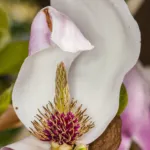 Saucer Magnolia (Magnolia soulangeana) care guideMagnolia soulangeana
 Magnolia × loebneri ‘Merrill’Magnolia × loebneri 'Merrill'
 Magnolia loebneri care guideMagnolia loebneri
 Sweetbay magnolia (Magnolia virginiana) care guideMagnolia virginiana
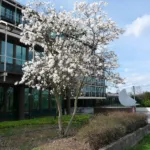 Star magnolia (Magnolia stellata) care guideMagnolia stellata
 Magnolia sprengeri care guideMagnolia sprengeri