
 Source:
Hairy abutilon (Abutilon grandifolium) short overview
Hairy abutilon is a tender, broad-leaved shrub from tropical South America, valued for its velvety foliage and yellow to orange axillary flowers. In the United States it is best suited to frost-free landscapes, warm-season containers, or protected indoor culture. Its flowers provide nectar and pollen for bees, while the plant’s soft, hairy stems and large cordate leaves give it a distinctly textural appearance.
Taxonomic classification
Hairy abutilon (Abutilon grandifolium) care guide
Light and placement
Give full sun to partial shade, with morning or filtered afternoon sun in very hot climates. A bright south- or west-facing indoor window can work if heat and airflow are adequate. Leggy stems, pale leaves, and sparse flowering suggest insufficient light; scorched margins or bleached foliage suggest excessive harsh exposure or drought.
Watering and humidity
Water deeply when the top inch of soil begins to dry, then allow excess water to drain completely. Keep the root zone moderately and consistently moist during warm active growth, but reduce frequency in cool weather or low light. Do not let containers stand in saucers of water. Humidity is helpful indoors, but airflow is more important than constant misting.
Soil and growing medium
Use a fertile, humus-enriched mix that drains freely yet does not dry immediately. A loam-based or quality container substrate is suitable. Slightly acidic to neutral conditions are appropriate; avoid persistently waterlogged soil, which can cause root decline.
Feeding
Feed during active spring and summer growth with a balanced, half-strength liquid fertilizer every 2–4 weeks, or use a controlled-release product according to its label. Reduce feeding in cool or low-light conditions and do not fertilize drought-stressed, recently repotted, or dormant plants.
Growth and habit
A bushy, branching shrub that can become soft-wooded and somewhat woody with age. Growth is strongest in warmth, bright light, and fertile soil. Regular tip pruning can encourage branching and keep container specimens compact; cold or low light commonly produces lanky growth and leaf loss.
Planting and repotting
Plant outdoors only after frost danger has passed and soil has warmed, choosing a sheltered site. Set the plant at the same depth it was growing, firm the soil gently, and keep it evenly moist during establishment. Container culture is preferable where winter temperatures are freezing.
Repot container plants in spring when roots fill the pot or growth becomes weak. Move up only one pot size, refresh the upper layer of mix, and water thoroughly after transplanting. Ensure the new container has an unobstructed drainage hole.
Propagation and pruning
Propagation
Sow fresh seed in a warm, lightly covered seed-starting mix; germination requires warmth and moisture. Softwood cuttings may also root during active growth under humid conditions. Species plants can be more variable from seed than named hybrids.
Pruning
Prune in late winter or early spring, or after a flush of flowering, to remove weak or damaged stems and control size. Pinch soft growing tips to increase branching. Avoid severe pruning immediately before cold weather or while the plant is drought-stressed.
Overwintering
Move containers indoors before nights approach 45°F. Place in the brightest available window, reduce watering as growth slows, and check regularly for mites, aphids, and whiteflies. In frost-free climates, protect from cold snaps with a sheltered position and frost cloth; freezing temperatures may damage or kill the plant.
Uses
Primarily an ornamental foliage and flowering shrub for tropical beds, courtyards, conservatories, and containers. In colder parts of the United States, grow it as a seasonal patio plant or overwinter it indoors. Flowers can support generalist bee visitors, but the species should not be promoted as an edible or medicinal plant without separate authoritative evidence.
Appearance
Leaves are broadly ovate to heart-shaped, coarsely toothed, and often 3–7 inches long, with dense stellate hairs that give the foliage a velvety texture. Stems, petioles, and flower stalks are also hairy, sometimes sticky, and may become partly woody. The combination of large cordate leaves and axillary yellow flowers helps distinguish it from finer-leaved Abutilon species.
Flowering
Flowers are borne singly or in small axillary groups on slender stalks. The yellow to orange corollas are open and conspicuous, with flowering reported over extended periods in warm climates rather than being restricted to a short temperate season.
Pollination and visitors
Documented floral visitors include honey bees and halictid bees, with occasional carpenter bees, bumblebees, syrphid flies, and beetles. Bees collect nectar and pollen, and some visits are compatible with effective pollen transfer. Visitor records come primarily from warm-climate studies rather than broad US surveys.
Abutilon grandifolium photos
Click any photo for a larger view. Source, author and license are shown separately.
Diseases and pests
Diseases
Watch for root rot in poorly drained soil, along with fungal leaf spotting during prolonged humidity. Improve air circulation, water at the soil line, remove badly affected leaves, and avoid keeping foliage wet overnight. Discard severely rotted plants rather than repeatedly treating saturated soil.
Pests
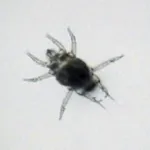
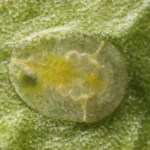
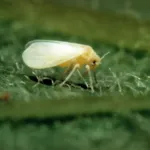
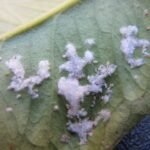
Inspect new growth and leaf undersides for aphids, whiteflies, spider mites, and scale. Rinse small infestations with water, remove heavily affected leaves, and use insecticidal soap only when needed, following the product label. Avoid broad-spectrum insecticides when flowers are open to protect visiting insects.
Related diseases and pests
Only Plant Doctor profiles whose host data indicate this plant may be affected are shown here.
Toxicity and pollen
No reliable species-specific evidence establishing significant toxicity to people or pets was located. Do not assume edibility or complete safety from that absence of evidence; prevent ingestion of plant material and contact a poison-control service or veterinarian if exposure causes symptoms.
- Typical season
- During flowering; potentially year-round in frost-free climates
- Pollination / pollen
- Insect-presented pollen
The flowers produce pollen that is primarily presented to visiting insects rather than dispersed in large airborne clouds. Species-specific US aeroallergen data are not well established, so a low rating is precautionary rather than definitive. Sensitive gardeners should still avoid handling flowers during peak bloom if symptoms occur.
Native habitat
The species is native to tropical South America and occurs in warm, seasonally moist environments. It grows terrestrially in fertile disturbed ground, cultivated areas, roadsides, and open vegetation, with naturalized populations reported beyond its native range. It is not adapted to sustained freezing temperatures.
Interesting fact
The species has unusually large, deeply cordate leaves covered in dense hairs. Its flowers are typically yellow to orange and arise from the leaf axils. Fruits are globose, hairy schizocarps divided into multiple mericarps. It is cultivated ornamentally in tropical regions and has escaped in some warm areas.
Frequently asked questions (FAQ)
The most relevant questions about this plant, with short and direct answers.
🌱Quick care
What is hairy abutilon (Abutilon grandifolium)?⌄
Hairy abutilon is a frost-tender shrub or perennial herb in the Malvaceae family, recognized for its large, hairy, heart-shaped leaves and yellow to orange flowers. It is native to tropical and subtropical regions of South America.
How much light does hairy abutilon need?⌄
Grow hairy abutilon in full sun to partial shade. More light generally supports denser growth and better flowering, while some afternoon shade can help in very hot climates.
How often should I water hairy abutilon?⌄
Water hairy abutilon when the soil surface begins to dry, keeping moisture moderate and even. Do not leave the roots in standing water, especially in containers.
Is hairy abutilon frost hardy?⌄
No, hairy abutilon is frost tender and can be damaged or killed by freezing temperatures. Grow it outdoors year-round only in warm, frost-free areas, or move container plants indoors before frost.
What soil is best for hairy abutilon?⌄
Use fertile, well-drained loam or a rich container mix for hairy abutilon. The soil should retain some moisture while allowing excess water to drain freely.
🌤️Environment and placement
Can hairy abutilon grow in containers?⌄
Yes, hairy abutilon can be grown in a large container with a rich, well-drained potting mix. Container growing is especially useful in colder parts of the United States because the plant can be protected from frost.
Where can hairy abutilon grow outdoors in the United States?⌄
Hairy abutilon is best suited to warm, frost-free parts of the United States, particularly tropical and subtropical regions. In colder USDA climates, grow it as a seasonal container plant or overwinter it indoors.
Can hairy abutilon grow in partial shade?⌄
Yes, hairy abutilon tolerates partial shade, although flowering and compact growth may be reduced compared with plants receiving more sun. Bright filtered light or morning sun with afternoon shade is suitable in hot areas.
How large does hairy abutilon get?⌄
Hairy abutilon can become a large shrub or perennial herb roughly 3 to 10 feet tall in favorable climates. Its final size depends on climate, pruning, soil fertility, and whether it is grown in the ground or a container.
Is hairy abutilon invasive in the United States?⌄
Hairy abutilon has been introduced and can behave as a weed in disturbed areas, especially in warm regions such as Hawaii. Check your state and local invasive-plant guidance before planting it outdoors and prevent unwanted seed spread.
💧Care and problems
Why are the leaves of my hairy abutilon turning yellow?⌄
Yellow leaves on hairy abutilon are commonly associated with excess water, poor drainage, low light, or nutrient stress. Check that the container drains well and let the surface dry slightly before watering again.
Why is my hairy abutilon dropping leaves?⌄
Hairy abutilon may drop leaves after cold exposure, abrupt changes in light or watering, root stress, or severe dryness. Protect it from drafts and frost, then maintain bright light and consistent moisture while it recovers.
Why is my hairy abutilon not flowering?⌄
Insufficient light, excessive nitrogen, immature growth, or cold conditions can prevent hairy abutilon from flowering. Give it bright light, avoid overfertilizing with nitrogen, and allow time for the plant to reach flowering size.
How should I fertilize hairy abutilon?⌄
Feed actively growing hairy abutilon with a balanced, diluted fertilizer according to the product label. Fertilize less often during low-light periods or when the plant is resting indoors.
What pests affect hairy abutilon?⌄
Aphids, whiteflies, spider mites, and other sap-feeding insects may attack hairy abutilon, particularly indoors or under stress. Inspect leaf undersides and treat early with water sprays or a labeled insecticidal product.
Does hairy abutilon need high humidity?⌄
Hairy abutilon generally grows best with moderate to high humidity, especially indoors during dry winter conditions. Improve humidity with a humidifier or by grouping plants, while keeping foliage well ventilated.
🪴Planting and repotting
When should I plant hairy abutilon outdoors?⌄
Plant hairy abutilon outdoors after the danger of frost has passed and temperatures are reliably warm. In the United States, the appropriate timing varies by location, so use local frost dates rather than a fixed calendar date.
How do I repot hairy abutilon?⌄
Repot hairy abutilon when roots fill the container or growth becomes weak, moving it into a pot only slightly larger than the current one. Use fresh, fertile, well-drained mix and water thoroughly after repotting.
Can hairy abutilon be planted in the ground?⌄
Yes, plant hairy abutilon in the ground where winters are frost-free and the soil is fertile and well drained. Choose a site with full sun to partial shade and enough room for a potentially large shrub.
✂️Propagation and pruning
How do you propagate hairy abutilon from seed?⌄
Propagate hairy abutilon from fresh seed by sowing it in a sterile, well-drained medium and keeping it warm and evenly moist. Seed-grown plants may vary from the parent and can take time to reach flowering size.
Can hairy abutilon be propagated from cuttings?⌄
Hairy abutilon may be propagated from suitable stem cuttings, although species-specific success can be variable. Take healthy, nonflowering tip cuttings during active growth and keep them warm, lightly moist, and humid while roots develop.
When is the best time to prune hairy abutilon?⌄
Prune hairy abutilon during active growth or in late winter before strong new growth begins. Remove damaged or weak stems and shorten overly long shoots to maintain a fuller shape.
How do I keep hairy abutilon compact?⌄
Keep hairy abutilon compact by pinching growing tips and pruning long, leggy stems. Provide adequate light, because low light encourages weak, stretched growth that requires heavier pruning.
⚠️Toxicity and safety
Is hairy abutilon toxic to people or pets?⌄
The toxicity of Abutilon grandifolium is not reliably classified by species-specific sources, so it should be treated cautiously. Keep it away from children and pets, and contact a medical or veterinary professional if any part is eaten.
Can you eat hairy abutilon leaves or flowers?⌄
Do not eat hairy abutilon unless a qualified local botanical or food-safety source has positively confirmed the identification and edible use. Reliable species-specific safety information is insufficient for recommending it as food.
🌸Flowering and special interest
What color are hairy abutilon flowers?⌄
Hairy abutilon produces yellow to orange flowers. The blooms are typically displayed among large, soft-haired leaves and may appear over an extended period in warm growing conditions.
When does hairy abutilon bloom?⌄
In warm climates, hairy abutilon can flower for much of the year, while cooler regions may see flowering during the warm growing season. Young plants may need several months or more to reach flowering maturity.
Does hairy abutilon attract pollinators?⌄
Yes, the flowers of hairy abutilon can attract bees and may also be visited by butterflies and birds. Plant it where pollinator activity can be observed, but monitor seed production in areas where it may spread.
Similar plants
 Foxtail Palm (Wodyetia bifurcata) care guideWodyetia bifurcata
 He Mexican fan palm (Washingtonia robusta) care guideWashingtonia robusta
 He California fan palm (Washingtonia filifera) care guideWashingtonia filifera
 Veitchia arecina care guideVeitchia arecina
 Trachycarpus latisectus care guideTrachycarpus latisectus
 He Chusan palm (Trachycarpus fortunei) care guideTrachycarpus fortunei