
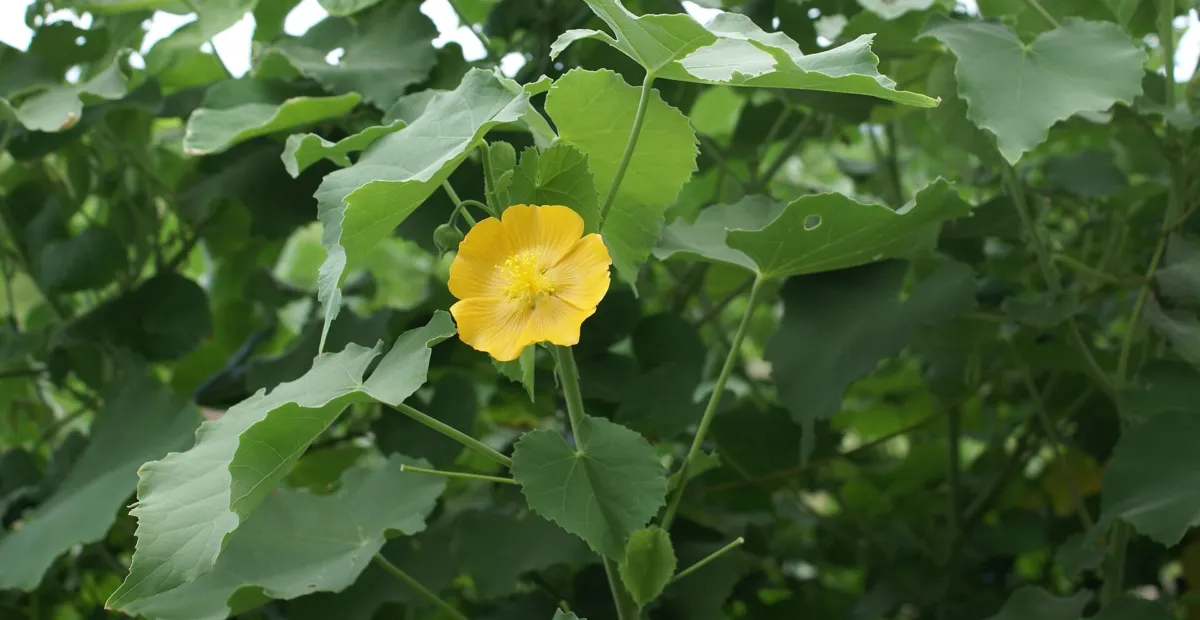
 Source:
 Abutilon short overview
Abutilon is a large genus of tropical and subtropical mallows recognized for soft, often maple-shaped leaves and graceful, pendant flowers. In the United States, cultivated abutilons are commonly grown as seasonal patio plants, greenhouse specimens, or houseplants because most forms are frost-tender. The genus includes herbs, shrubs, and occasional small trees, so mature size, flowering season, foliage persistence, and cold tolerance vary considerably by species or hybrid.
Taxonomic classification
Abutilon care guide
Light and placement
Provide bright light with morning sun or gentle afternoon sun outdoors; sheltered east, southeast, or bright filtered south exposure is often effective. In hot climates, protect from harsh late-afternoon heat. Too little light produces stretched stems, sparse foliage, and fewer flowers; excessive abrupt sun can scorch leaves, especially after indoor growth.
Watering and humidity
Water thoroughly when the surface begins to dry, then allow excess water to drain fully. Keep the root zone evenly moist during active growth, but never leave the pot standing in water. Reduce frequency in cool winter conditions or low light. Humidity is helpful indoors, but air circulation matters more than constant misting.
Soil and growing medium
Use fertile soil or potting mix that holds even moisture without becoming waterlogged. A loam-based, humus-rich structure with reliable drainage suits many cultivated forms. Because Abutilon is a broad genus occupying diverse habitats, an exact pH preference cannot be assigned confidently at genus level; a mildly acidic to neutral growing medium is a practical general target.
Feeding
During active growth, apply a balanced, water-soluble fertilizer at half strength every two to four weeks, or use a controlled-release product according to its label. Pause or greatly reduce feeding during cool, dim winter conditions and after repotting until roots re-establish. Avoid heavy fertilization in dry soil or when the plant is stressed.
Growth and habit
Growth ranges from annual or biennial herbs to woody shrubs and occasional small trees. Cultivated flowering-maple hybrids are often fast-growing, soft-stemmed, and somewhat lax, benefiting from pinching or selective pruning to maintain branching and support. Exact mature behavior depends strongly on the species or cultivar.
Planting and repotting
Plant frost-tender forms outdoors only after the danger of frost has passed and nighttime temperatures are reliably mild. Set plants at the same depth as in their container, loosen circling roots, water deeply, and mulch lightly without touching the stem. Space according to the selected species or cultivar because genus-level dimensions vary widely.
Repot container plants in spring when roots fill the pot or growth slows. Move up only one container size, refresh part of the mix, and avoid burying the stem crown. Repotting is best done before vigorous new growth, followed by thorough watering and bright, sheltered placement.
Propagation and pruning
Propagation
Propagate many cultivated forms from softwood or semi-ripe stem cuttings in spring or summer under warm, humid conditions. Seed is useful for species and for producing genetic variation, but seedlings may not resemble named cultivars. Keep cuttings evenly moist and shaded from intense midday sun until rooted.
Pruning
Pinch young shoots to encourage branching and shorten long, weak growth. Prune after a flowering flush or in early spring for plants overwintered indoors. Remove damaged or crossing stems and avoid severe cutting when the plant is cold, drought-stressed, or recently moved. Sterilize tools between plants.
Overwintering
Move container plants indoors before temperatures approach 45°F, checking carefully for pests first. Place them in the brightest available window, reduce watering, and avoid cold drafts or heat vents. Prune lightly if needed, but expect some leaf drop after relocation. Return outdoors gradually after frost danger has passed and nights are consistently mild.
Uses
Used primarily as a flowering ornamental in containers, hanging displays, patios, sheltered borders, greenhouses, and bright indoor spaces. Some species have documented traditional or food uses in particular regions, but those uses should not be generalized to the entire genus or treated as medical advice. Flowers and foliage should not be consumed unless the exact species is positively identified and authoritative culinary guidance supports it.
Appearance
Leaves are alternate, usually soft-textured and cordate, with toothed margins and shallow to deep palmate lobing that can resemble maple leaves. Stems are often green, flexible, and hairy or velvety, becoming woody with age in shrub forms. Flowers typically hang from leaf axils and may display contrasting calyxes, petals, and central staminal columns.
Flowering
Abutilon flowers are usually borne singly in leaf axils or in small clusters. Many cultivated forms produce pendant, bell- or cup-shaped flowers with five petals and a prominent central staminal column. Flowering is favored by warmth, adequate light, and steady moisture, but timing differs among species and hybrids.
Pollination and visitors
Flower visitors are not consistently documented at genus level. Open, nectar-bearing flowers may be visited by insects, but the responsible visitor group and strength of attraction depend on the species, flower structure, local fauna, and cultivation conditions.
Abutilon photos
Click any photo for a larger view. Source, author and license are shown separately.
Diseases and pests
Diseases
Avoid persistently saturated soil, poor air circulation, and overhead watering. Root and crown rots can occur in poorly drained media; remove affected tissue, improve drainage, and reduce watering frequency. Monitor stressed plants for leaf spot or mildew and discard badly affected foliage rather than repeatedly treating without diagnosis.
Pests
Inspect new growth and leaf undersides for aphids, whiteflies, spider mites, thrips, and scale. Isolate infested plants, rinse foliage when practical, and use insecticidal soap or horticultural oil according to the product label. Avoid drought stress and excessive nitrogen, which can encourage soft, pest-prone growth.
Related diseases and pests
Only Plant Doctor profiles whose host data indicate this plant may be affected are shown here.
 Environmental stressPoor drainage stress (waterlogging)
 PestBrown Soft ScaleCoccus hesperidum
 PestOnion thripsThrips tabaci Lindeman
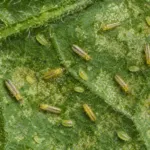 PestMelon thripsThrips palmi Karny
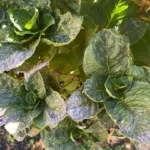 PestChilli thripsScirtothrips dorsalis Hood
 Environmental stressSalt stress
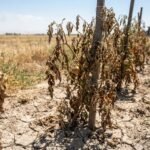 Environmental stressHeat stress
 Environmental stressDrought stress
Toxicity and pollen
Reliable genus-wide toxicology information is limited and species-specific. Some horticultural references flag possible human contact dermatitis or poisoning concerns, while major pet-plant lists do not consistently identify Abutilon as a significant systemic toxin. Do not eat unidentified plant material; wash hands after pruning and seek medical or veterinary advice after ingestion or a suspected reaction.
- Typical season
- Potentially spring through fall for outdoor plants in the United States, depending on species and climate.
- Pollination / pollen
- Mostly insect-associated pollen; airborne exposure is not well characterized genus-wide
Abutilon is an insect-pollinated flowering-plant genus, so pollen is generally not released in the same abundant windborne clouds typical of wind-pollinated trees and grasses. However, genus-wide allergy data are sparse, and individual sensitivity or contact with flowers may still cause symptoms. Avoid assigning zero allergy risk solely because insects visit the flowers.
Native habitat
Abutilon occurs broadly across tropical and subtropical regions, including parts of the Americas, Africa, Asia, Australia, and Pacific islands. Natural habitats range from seasonally dry areas to moist woodland edges and disturbed ground. Species may occupy loams, sandy soils, rocky sites, or other well-drained substrates, so habitat ecology is not uniform across the genus.
Interesting fact
The genus contains more than 100 accepted species according to major taxonomic references, with some sources recognizing a broader total. Leaves are often cordate and lobed, creating the maple-like appearance behind the horticultural name flowering maple. The fruit is typically a schizocarp made of multiple mericarps rather than a fleshy berry. Abutilon belongs to the same family as hibiscus, cotton, and hollyhocks.
Frequently asked questions (FAQ)
The most relevant questions about this plant, with short and direct answers.
🌱Quick care
What is Abutilon?⌄
Abutilon is a genus of frost-tender flowering shrubs in the mallow family, Malvaceae. It is commonly grown in the United States as a patio container plant, houseplant, or seasonal garden accent.
How much light does Abutilon need?⌄
Abutilon grows best in bright light to partial sun, with several hours of direct or filtered sunlight daily. Provide afternoon shade in very hot climates to reduce wilting and leaf scorch.
How often should I water Abutilon?⌄
Water Abutilon whenever the soil surface begins to dry, keeping the mix evenly moist but never waterlogged. Reduce watering during winter indoors, but do not let the root ball dry out completely.
Is Abutilon a perennial or an annual?⌄
Abutilon is a woody perennial in warm climates but is usually grown as an annual or overwintered container plant in colder parts of the United States. Its exact winter survival depends on the species, cultivar, and local frost conditions.
🌤️Environment and placement
Can Abutilon grow outdoors in the United States?⌄
Abutilon can grow outdoors year-round in warm, frost-free areas, generally USDA Zones 9–10 for commonly cultivated forms. In colder areas, grow it in a container and move it indoors before frost.
Can Abutilon tolerate full sun?⌄
Abutilon can tolerate full sun when temperatures are moderate and moisture is consistent. In hot summer regions, light afternoon shade is often better than intense all-day sun.
Can Abutilon grow indoors?⌄
Abutilon grows well indoors beside a bright, sunny window or under a grow light. Keep it away from cold drafts and provide good air circulation to reduce pest problems.
What temperature is best for Abutilon indoors?⌄
Abutilon generally prefers bright conditions with relatively cool indoor temperatures around 60–70°F. Protect it from frost, sudden temperature drops, and hot, dry air from heating vents.
Can Abutilon survive frost?⌄
Most cultivated Abutilon plants are frost-tender and should be protected from freezing temperatures. Move container plants indoors before the first expected frost and return them outdoors only after frost danger has passed.
💧Care and problems
What is the best soil for Abutilon?⌄
Use fertile, humus-rich, well-drained loam or a quality container mix. The soil should retain some moisture while allowing excess water to drain freely.
Why are my Abutilon leaves turning yellow?⌄
Yellow leaves may result from overwatering, poor drainage, low light, nutrient deficiency, or normal aging. Check the roots and soil moisture first, then improve drainage and light before adding fertilizer.
Why is my Abutilon dropping leaves?⌄
Abutilon may drop leaves after drought stress, overwatering, sudden temperature changes, low light, or relocation. Keep moisture consistent, provide bright light, and inspect the plant for pests.
Why is my Abutilon getting leggy?⌄
Abutilon becomes leggy when it receives too little light or is not pinched regularly. Move it to brighter light and trim growing tips to encourage branching and a fuller shape.
What pests attack Abutilon?⌄
Common Abutilon pests include aphids, whiteflies, scale, mealybugs, thrips, and spider mites. Inspect leaf undersides and new growth regularly, especially on plants overwintered indoors.
How do I treat pests on Abutilon?⌄
Start by isolating the plant and washing pests away with a strong stream of water. Repeated applications of insecticidal soap or horticultural oil can help when used according to the product label.
Does Abutilon need fertilizer?⌄
Abutilon benefits from regular feeding during active growth, especially in containers. Use a balanced or flowering-plant fertilizer at the label rate, and reduce or stop feeding during the low-light winter period.
🪴Planting and repotting
Can Abutilon be grown in a container?⌄
Abutilon grows very well in containers with drainage holes and a quality potting mix. Container growing also makes it easier to move the plant indoors before frost.
When should I repot Abutilon?⌄
Repot Abutilon in spring when roots have filled the container or growth has slowed. Move it only one pot size larger unless you want a substantially larger plant.
Does Abutilon like to be root-bound?⌄
Abutilon tolerates being slightly root-bound, which can help limit excessive size. Repot when roots circle densely, water runs straight through, or the plant repeatedly wilts soon after watering.
How do I plant Abutilon outdoors?⌄
Plant Abutilon after the threat of frost has passed in fertile, well-drained soil with bright light or partial sun. Water thoroughly after planting and maintain even moisture while it establishes.
✂️Propagation and pruning
How do I propagate Abutilon from cuttings?⌄
Propagate Abutilon from softwood tip cuttings taken from healthy, nonflowering shoots. Root them in a sterile, lightly moist medium under bright indirect light; bottom heat can speed rooting.
Can Abutilon be grown from seed?⌄
Abutilon can be grown from seed, although seedlings may vary from the parent and can take many months or up to a year to flower. Use fresh seed and provide warmth, moisture, and bright light.
When is the best time to prune Abutilon?⌄
Prune Abutilon in early spring as new growth resumes, or lightly shape it during active growth. Avoid removing too many flowering shoots at once because major pruning can temporarily reduce blooms.
How do I prune Abutilon to make it bushier?⌄
Pinch or trim the growing tips just above a leaf node to encourage branching. Remove weak, damaged, or crossing stems and shorten long shoots gradually rather than cutting the entire plant back severely.
⚠️Toxicity and safety
Is Abutilon toxic to pets?⌄
Genus-wide pet toxicity information for Abutilon is limited and inconsistent, so it should not be assumed completely safe. Prevent pets from chewing the plant and contact a veterinarian if ingestion causes symptoms.
Can Abutilon irritate skin?⌄
Some horticultural references report that Abutilon leaves may cause mild dermatitis in susceptible people. Wear gloves when pruning if you have sensitive skin and wash exposed skin afterward.
Are Abutilon flowers edible?⌄
Some Abutilon species are reported to have edible flowers, but identification and safety are not consistent across the entire genus. Do not eat flowers from an unidentified plant or one treated with pesticides.
🌸Flowering and special interest
Why is my Abutilon not flowering?⌄
Insufficient light is the most common reason Abutilon fails to flower, although overfertilizing with nitrogen, drought stress, or heavy pruning can also contribute. Give it brighter light and steady moisture, and avoid excessive nitrogen.
When does Abutilon bloom?⌄
Abutilon usually blooms during the growing season, with many hybrids flowering from spring through fall. Plants kept warm and bright indoors may continue blooming through winter.
How can I make Abutilon bloom more?⌄
Provide bright light, even moisture, regular light feeding, and periodic tip pruning. Flowering is generally strongest when the plant produces plenty of healthy new growth without becoming severely leggy.
What do Abutilon flowers look like?⌄
Abutilon flowers are usually pendulous, bell- or cup-shaped blooms in colors such as yellow, orange, pink, red, coral, or white. The flowers hang from leaf axils and are often especially visible in containers and hanging baskets.
Similar plants
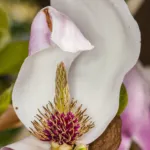 Saucer Magnolia (Magnolia soulangeana) care guideMagnolia soulangeana
 Magnolia × loebneri ‘Merrill’Magnolia × loebneri 'Merrill'
 Magnolia loebneri care guideMagnolia loebneri
 Sweetbay magnolia (Magnolia virginiana) care guideMagnolia virginiana
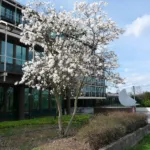 Star magnolia (Magnolia stellata) care guideMagnolia stellata
 Magnolia sprengeri care guideMagnolia sprengeri