
 Source:
Callianthe darwinii short overview
Callianthe darwinii is a subtropical shrub native to Paraná and Santa Catarina in southern Brazil. Formerly treated as Abutilon darwinii, it develops softly hairy, maple-like leaves with three to five lobes and long-stalked, pendulous flowers in yellow, orange, or scarlet shades. In the United States it is best treated as a container or protected-patio plant, brought indoors before frost and grown in bright, filtered light.
Taxonomic classification
Callianthe darwinii care guide
Light and placement
Provide bright filtered light or partial shade. An east- or west-facing window, bright greenhouse bench, or patio with morning sun and protection from harsh afternoon rays is suitable. Weak light causes lanky growth and fewer flowers; intense hot sun can scorch leaves, especially after indoor acclimation. Rotate containers periodically for even growth.
Watering and humidity
Water thoroughly when the top inch of mix begins to dry, then allow excess water to drain completely. Keep the root zone evenly moist during active growth, but never leave the container standing in water. Reduce frequency in cool, dim winter conditions while preventing the root ball from becoming bone dry. Good airflow helps limit fungal problems.
Soil and growing medium
Use a fertile, airy potting mix with reliable drainage and moderate moisture retention. A loam-based or peat- and bark-based mix amended with compost is suitable. Slightly acidic to neutral conditions are appropriate. Avoid dense, waterlogged soil, which can cause root decline.
Feeding
Feed during active spring and summer growth with a balanced liquid fertilizer diluted to half strength every 2–4 weeks, or use a controlled-release product according to its label. Reduce feeding when growth slows in fall and stop during cool winter rest. Do not fertilize dry or recently repotted plants.
Growth and habit
This is an upright, branching woody shrub that may become somewhat open or leggy in weak light. Pinching growing tips encourages branching and a fuller container specimen. Stems can be brittle, so place the plant where it will not be repeatedly brushed or exposed to strong wind.
Planting and repotting
Plant outdoors only after frost danger has passed and soil has warmed, or grow in a container year-round. Set the root ball at its original depth. Give newly planted specimens steady moisture while establishing, and provide shelter from strong wind because stems may be brittle.
Repot in spring when roots fill the container, moving up only one pot size. Refresh part of the mix rather than heavily disturbing the root ball. Ensure the new container has drainage holes, and avoid burying the stem crown deeper than before.
Propagation and pruning
Propagation
Sow fresh seed in a warm, well-drained medium when available, or root semi-ripe cuttings during active growth. Keep the medium lightly moist, provide bright indirect light, and use bottom heat for more reliable rooting. Seed-grown plants may vary in flower color and form.
Pruning
Prune in late winter or early spring, or lightly after a flowering flush, to remove weak, damaged, or crossing stems and maintain a compact shape. Pinch soft tips during active growth for branching. Avoid severe pruning during cold, low-light winter conditions.
Overwintering
Move containers indoors before temperatures approach 35°F. Keep the plant in the brightest available window, reduce watering as growth slows, and avoid cold drafts or hot forced-air vents. Check regularly for mites, aphids, whiteflies, and scale. Return outdoors gradually in spring after nights remain safely above frost.
Uses
Primarily an ornamental shrub for containers, conservatories, sheltered patios, and frost-free landscapes. Its lobed foliage and hanging flowers suit specimen display or mixed tropical-style plantings. It is not documented here as an edible or medicinal plant, and no food use is recommended.
Appearance
Leaves are broadly ovate to nearly round, heart-shaped at the base, and commonly divided into three or five shallow lobes with crenate or serrated margins. Fine stellate hairs are more conspicuous on the undersides. Stems are sparsely hairy when young and become less hairy with age. The long, hanging flower stalks are a useful identification feature.
Flowering
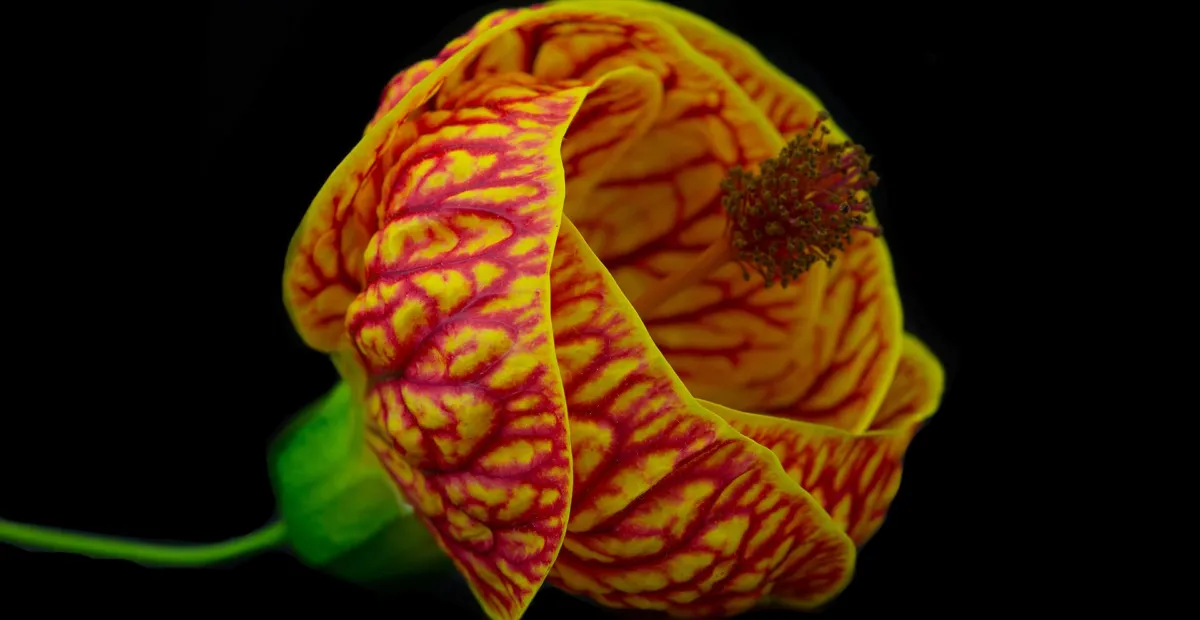
Flowers arise from the leaf axils, usually singly and sometimes in small clusters, on long hanging stalks. The shallow bell-shaped calyx has pointed teeth, while the petals may be yellow, orange, or scarlet and often show darker veins. Flowering is favored by warmth, good light, and active growth; protected plants may bloom for an extended season.
Pollination and visitors
The open, conspicuous flowers are consistent with visitation by bees, bumblebees, and hoverflies, but a species-specific pollinator study was not located. Treat the attraction rating as moderate rather than definitive, and avoid pesticide applications while flowers are open.
Callianthe darwinii photos
Click any photo for a larger view. Source, author and license are shown separately.
Diseases and pests
Diseases
Prevent problems by avoiding saturated soil, improving air circulation, and removing fallen leaves. Watch for root or crown rot in poorly drained containers, along with fungal leaf spots during persistently wet weather. Remove affected foliage and correct watering or ventilation before considering a labeled fungicide.
Pests
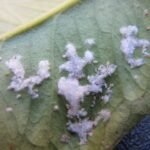
Inspect undersides of leaves for aphids, whiteflies, spider mites, and scale, especially indoors over winter. Rinse foliage, isolate affected plants, and use insecticidal soap or horticultural oil according to the label. Avoid spraying stressed plants or during intense heat.
Related diseases and pests
Only Plant Doctor profiles whose host data indicate this plant may be affected are shown here.

Toxicity and pollen
Species-specific toxicology data are limited. No authoritative evidence located for a significant poisoning syndrome in humans or pets, but the plant should not be eaten. Related flowering-maple material may cause mild skin irritation or dermatitis in susceptible people, so use gloves when handling sap or foliage and seek professional advice after ingestion.
- Typical season
- During flowering, typically spring through fall for protected US plants
- Pollination / pollen
- Primarily insect-carried pollen; limited airborne dispersal expected
As an insect-pollinated flowering shrub, its pollen is generally less dispersed through the air than wind-borne pollen. However, airborne exposure cannot be assumed to be zero, and sensitive people may react to pollen, plant hairs, or contact with foliage. Keep flowering plants away from sleeping areas if symptoms occur.
Native habitat
The species is native to subtropical southern Brazil, including Paraná and Santa Catarina, where it occurs as a shrub in warm, humid conditions. Its natural climate does not indicate tolerance of regular freezing, and cultivated plants benefit from fertile soils, reliable moisture, and shelter from drying exposure.
Interesting fact
The accepted name changed from Abutilon darwinii to Callianthe darwinii in 2012.
Its broad leaves are typically divided into three or five shallow lobes.
The species is native to southern Brazil, especially Paraná and Santa Catarina.
Its long flower stalks make the blossoms hang conspicuously below the foliage.
It is one of the species associated with the horticultural flowering-maple group.
Frequently asked questions (FAQ)
The most relevant questions about this plant, with short and direct answers.
🌱Quick care
What is Callianthe darwinii?⌄
Callianthe darwinii is a frost-tender flowering shrub in the Malvaceae family, native to southern Brazil. It was formerly known as Abutilon darwinii.
How much light does Callianthe darwinii need?⌄
Give Callianthe darwinii bright filtered light or partial shade. A little gentle morning or late-afternoon sun may be tolerated, but strong midday exposure can scorch the foliage.
How often should I water Callianthe darwinii?⌄
Water Callianthe darwinii whenever the surface of the potting mix begins to dry, keeping the root ball evenly moist. Do not allow the plant to sit in water or remain constantly saturated.
Is Callianthe darwinii frost hardy?⌄
No, Callianthe darwinii is frost-tender and should be protected when temperatures approach 35°F. Move container plants indoors before freezing weather and shelter outdoor plants in suitable warm climates.
What USDA hardiness zone is suitable for Callianthe darwinii?⌄
Callianthe darwinii is best treated as a warm-climate or container plant in the United States because it does not tolerate frost. Exact outdoor zone limits are not well documented for this species, so bring it indoors whenever freezing temperatures are possible.
🌤️Environment and placement
Can Callianthe darwinii grow indoors?⌄
Yes, Callianthe darwinii can be grown indoors near a bright window with filtered light. Maintain even moisture, good drainage, and adequate humidity without keeping the soil waterlogged.
Where should I place Callianthe darwinii outdoors?⌄
Place Callianthe darwinii in partial shade or bright, filtered light where it is protected from harsh afternoon sun and cold winds. A sheltered patio, porch, or warm garden position is usually preferable.
Does Callianthe darwinii need high humidity?⌄
Callianthe darwinii generally benefits from moderate to high humidity, especially indoors during dry winter conditions. Improve humidity with a humidifier or by grouping plants, while keeping foliage and soil well ventilated.
Can Callianthe darwinii tolerate direct sun?⌄
Callianthe darwinii may tolerate limited gentle direct sun, especially in the morning, but bright filtered light or partial shade is safer. Protect it from intense midday and late-afternoon sunlight.
💧Care and problems
What soil is best for Callianthe darwinii?⌄
Use a fertile, well-drained loam-based potting mix for Callianthe darwinii. The mix should retain some moisture while allowing excess water to drain quickly from the root zone.
Why are Callianthe darwinii leaves turning yellow?⌄
Yellow leaves on Callianthe darwinii commonly indicate overwatering, poor drainage, insufficient light, or natural aging. Check that the container drains freely and adjust watering only after assessing the moisture in the root zone.
Why is Callianthe darwinii losing leaves?⌄
Callianthe darwinii may drop leaves after cold exposure, sudden changes in light, drought, overwatering, or relocation. Stabilize its temperature, light, and moisture rather than making several care changes at once.
How do I prevent root rot in Callianthe darwinii?⌄
Prevent root rot by using a draining container and fertile but airy soil, then watering only as needed to keep the mix evenly moist. Empty saucers and never leave the roots standing in water.
Should I fertilize Callianthe darwinii?⌄
Yes, feed actively growing Callianthe darwinii lightly with a balanced fertilizer according to the product label. Avoid heavy feeding when the plant is cold, stressed, dormant, or recently repotted.
🪴Planting and repotting
Can Callianthe darwinii be grown in a container?⌄
Yes, container culture is a practical choice for Callianthe darwinii in much of the United States. Choose a pot with drainage holes so the plant can be moved indoors before frost.
When should I repot Callianthe darwinii?⌄
Repot Callianthe darwinii when roots fill the container, growth slows, or water runs through the pot unusually quickly. Move it into a slightly larger container during active growth and avoid burying the stem deeper than before.
✂️Propagation and pruning
How can I propagate Callianthe darwinii?⌄
Callianthe darwinii can be propagated from seeds or stem cuttings. Use clean, healthy material and provide warmth, bright indirect light, and consistently moist—but not saturated—propagation media.
Can Callianthe darwinii be pruned?⌄
Yes, prune Callianthe darwinii to remove dead or weak growth and maintain a compact shape. Light pruning after a flowering period or during active growth usually causes less stress than severe pruning during cold weather.
⚠️Toxicity and safety
Is Callianthe darwinii toxic to cats or dogs?⌄
Species-specific toxicity information for Callianthe darwinii is not well established. Keep it away from pets and children, and contact a veterinarian or poison-control service if any part is eaten.
🌸Flowering and special interest
What color are Callianthe darwinii flowers?⌄
Callianthe darwinii produces yellow-orange flowers that may show a darker basal mark and reddish veins. Flower color and display can vary with plant form and growing conditions.
Why is my Callianthe darwinii not flowering?⌄
A Callianthe darwinii that does not flower may be receiving too little light, insufficient nutrition, excessive nitrogen, temperature stress, or inconsistent moisture. Provide bright filtered light and stable growing conditions while avoiding waterlogged soil.
How large does Callianthe darwinii get?⌄
Callianthe darwinii is a shrub that can reach roughly 6 feet in favorable conditions, although container plants are often smaller. Pruning and restricted root space can help maintain a more manageable size.
Similar plants
 Foxtail Palm (Wodyetia bifurcata) care guideWodyetia bifurcata
 He Mexican fan palm (Washingtonia robusta) care guideWashingtonia robusta
 He California fan palm (Washingtonia filifera) care guideWashingtonia filifera
 Veitchia arecina care guideVeitchia arecina
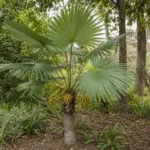 Trachycarpus latisectus care guideTrachycarpus latisectus
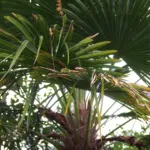 He Chusan palm (Trachycarpus fortunei) care guideTrachycarpus fortunei