
 Source:
 Indian Mallow/Country Mallow (Abutilon indicum) short overview
Indian Mallow, also called Country Mallow, is a warm-climate Abutilon with softly hairy stems, velvety heart-shaped leaves and solitary yellow flowers held in the leaf axils. It is accepted as Abutilon indicum and is native across tropical and subtropical Asia, the western Pacific and the Mascarenes. In the United States, grow it outdoors only in frost-free regions or treat it as a container plant that moves indoors for winter.
Taxonomic classification
Indian Mallow/Country Mallow (Abutilon indicum) care guide
Light and placement
Give full sun to bright filtered light. A south- or west-facing window, sunroom or sheltered patio is suitable, with afternoon shade in very hot climates. Too little light produces long, weak stems, sparse foliage and fewer flowers; harsh sudden sun can scorch leaves, especially after indoor growth. Acclimate gradually when moving plants outdoors.
Watering and humidity
Water thoroughly when the upper inch of mix begins to dry, then let excess drain from the container. Keep the root zone evenly but not constantly wet during active growth; reduce frequency in cool weather and after moving indoors. Do not leave the pot standing in water. Humidity is secondary to warmth, light and good air circulation.
Soil and growing medium
Use a porous, well-drained potting mix or sandy loam. Avoid heavy, waterlogged soil, which can cause root decline. A slightly acidic to slightly alkaline reaction is generally suitable; neutral to mildly acidic conditions are a practical target for containers.
Feeding
Feed during active spring and summer growth with a balanced, water-soluble fertilizer at half strength every 3–4 weeks, or use a controlled-release product according to its label. Water the plant first if the mix is dry. Reduce or stop feeding during cool, dark winter conditions and after moving the plant indoors.
Growth and habit
This is a softly branched, upright shrub or subshrub that can become woody in warm climates. Growth is fuller and more vigorous with warmth, adequate light and regular feeding. Pinching young shoots encourages branching; pruning is useful for maintaining a compact container form and controlling winter-stretched growth.
Planting and repotting
Plant outdoors after the danger of frost has passed and soil has warmed, or grow in a container. Set the plant at the same depth it occupied previously and leave enough room for air circulation. Harden off plants moved from indoor protection before placing them in full outdoor light.
Repot container plants in spring when roots fill the pot or growth slows. Move up only one pot size, refresh part of the mix, and keep the crown at its previous depth. Water thoroughly after repotting, then allow excess water to drain completely.
Propagation and pruning
Propagation
Sow fresh seed in a warm, sterile, well-drained medium; provide bright light and steady moisture without saturation. Softwood cuttings may also root under warm, humid conditions, although species-specific success can vary. Seed-grown plants may take substantial time to reach flowering size.
Pruning
Prune in late winter or early spring before strong new growth, or selectively trim after flowering to control size and encourage branching. Remove weak, crossing or damaged stems first. Avoid severe pruning when the plant is stressed by cold, drought or recent repotting.
Overwintering
Move containers indoors before nights approach 50°F. Keep the plant in the brightest available window, water less often during cool low-light conditions, and inspect regularly for mites, whiteflies and scale. In frost-free climates, protect the root zone and cover plants during unusual cold snaps.
Uses
Useful as a warm-climate ornamental shrub, specimen plant, greenhouse subject or seasonal patio container. It can contribute nectar and pollen resources for insects where locally appropriate. Ethnobotanical uses are documented in some regions, but home medicinal or culinary use should not be recommended without verified preparation, dosage and safety evidence.
Appearance
Leaves are alternate, broadly ovate to nearly round, heart-shaped at the base and edged with coarse teeth. Both leaves and stems are covered in soft grayish stellate hairs, giving the plant a velvety appearance. Flowers arise singly in leaf axils, while mature fruits form a conspicuous wheel-like cluster of radiating carpels.
Flowering
The flowers are solitary or occasionally paired in the leaf axils, bisexual, five-petaled and yellow. Opening is influenced by temperature and light; field research recorded afternoon anthesis in warm conditions. Flowers may be produced repeatedly during warm weather, but timing varies substantially with climate and cultivation.
Pollination and visitors
Research on this species documents honey bees and other bees as effective pollinators, with butterflies recorded as regular visitors but not necessarily effective pollen carriers. The flowers provide nectar and pollen during warm conditions. Avoid insecticide applications while flowers are open and visitors are active.
Abutilon indicum photos
Click any photo for a larger view. Source, author and license are shown separately.
Diseases and pests
Diseases
Watch for root and crown problems when drainage is poor, along with leaf-spot symptoms in persistently wet conditions. Improve air movement, water the soil rather than the foliage, remove badly affected leaves, and avoid routinely wetting the crown. Use labeled treatments only when a disease is confirmed.
Pests
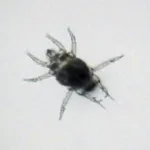
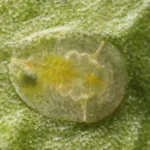
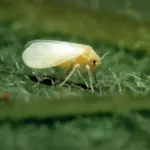
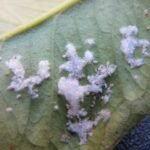
Inspect new growth and leaf undersides for aphids, whiteflies, spider mites and scale. Isolate infested containers, rinse foliage with water, and use insecticidal soap or horticultural oil according to the product label. Avoid spraying open flowers and avoid broad-spectrum insecticides when pollinators are active.
Related diseases and pests
Only Plant Doctor profiles whose host data indicate this plant may be affected are shown here.
Toxicity and pollen
Reliable species-specific human and companion-animal toxicity information is limited. Do not assume that traditional or ethnobotanical use proves safety. Prevent children and pets from chewing the plant, and seek medical or veterinary advice after ingestion, especially if symptoms occur.
- Typical season
- Not established for the United States
- Pollination / pollen
- Insect-associated, spiny pollen; airborne allergy data limited
The species produces spiny, ornamented pollen, but reliable evidence quantifying airborne exposure or respiratory allergy risk in the United States was not found. Because the flowers are primarily insect-visited, pollen is usually transferred during flower visits rather than released as a wind-borne cloud; individual sensitivity cannot be ruled out.
Native habitat
It occurs naturally in tropical and subtropical regions from Asia through the western Pacific and the Mascarenes. It is associated with seasonally dry tropical settings, open ground, roadsides, coastal areas, disturbed vegetation and rocky, sandy or gravelly soils. Warmth, sunlight and drainage are more important than rich soil.
Interesting fact
The species is facultatively autogamous, so it can set seed without a second plant, while insects can improve pollen transfer. Its flowers open and close in response to temperature and light. The dry fruit divides into numerous radiating, single-seeded carpels. Despite its common-name similarity to ornamental flowering maples, this exact species is a distinct taxon rather than a hybrid cultivar.
Frequently asked questions (FAQ)
The most relevant questions about this plant, with short and direct answers.
🌱Quick care
What is Abutilon indicum commonly called in the United States?⌄
Abutilon indicum is commonly called Indian Mallow or Country Mallow. It is a small, soft-haired shrub or perennial herb in the mallow family, Malvaceae.
How much light does Indian Mallow need?⌄
Indian Mallow grows best in full sun to bright filtered light. Indoors, place it near a bright south- or west-facing window and protect it from harsh reflected heat.
How often should I water Abutilon indicum?⌄
Water Abutilon indicum when the top inch of soil feels dry, then let excess water drain completely. Reduce watering during cool, low-light periods, but do not allow the root ball to remain bone-dry for long.
Is Abutilon indicum frost hardy?⌄
No, Abutilon indicum is frost tender and should be protected when temperatures approach 50°F. In most of the United States, grow it in a container or overwinter it indoors.
What type of soil is best for Indian Mallow?⌄
Use well-drained sandy loam or a porous potting mix for Indian Mallow. Avoid dense, water-retentive soil because persistently wet roots can cause decline or root rot.
Is Abutilon indicum the same plant as flowering maple?⌄
No, not necessarily. “Flowering maple” is a broad common name used for several Abutilon species, while Abutilon indicum specifically refers to Indian Mallow or Country Mallow.
🌤️Environment and placement
Can Abutilon indicum grow indoors?⌄
Yes, Abutilon indicum can be grown indoors if it receives bright light, warm temperatures, and good air circulation. A sunny window or supplemental grow light is usually needed for vigorous growth and flowering.
Can Indian Mallow grow outdoors in the United States?⌄
Indian Mallow can grow outdoors year-round only in frost-free parts of the United States, generally warm tropical or subtropical locations. Elsewhere, bring containers indoors before nighttime temperatures fall near 50°F.
What USDA hardiness zone is suitable for Abutilon indicum?⌄
Abutilon indicum is best treated as a frost-tender plant rather than assigned a dependable outdoor hardiness range. In the United States, it is safest to grow it outdoors seasonally unless your location remains warm and frost-free.
Does Indian Mallow tolerate afternoon sun?⌄
Indian Mallow can tolerate afternoon sun when gradually acclimated and adequately watered. In very hot climates, bright filtered light or morning sun with afternoon protection can reduce leaf scorch.
How large does Abutilon indicum get?⌄
Abutilon indicum can become a branched shrub roughly 3 to 6 feet tall in favorable cultivation, although container plants are often smaller. Size varies with climate, pruning, light, and growing conditions.
💧Care and problems
Why are the leaves of my Abutilon indicum turning yellow?⌄
Yellow leaves commonly indicate overwatering, poor drainage, insufficient light, or normal aging of older foliage. Check the roots and soil moisture before watering again, and move the plant to brighter light if growth is weak.
Why is Indian Mallow dropping leaves?⌄
Indian Mallow may drop leaves after sudden changes in light, temperature, watering, or location. Cold exposure, overly wet soil, and inadequate indoor light are especially common causes.
What pests attack Abutilon indicum?⌄
Abutilon indicum may be affected by aphids, whiteflies, spider mites, mealybugs, or scale. Inspect leaf undersides and soft stems regularly, isolate infested plants, and use a treatment labeled for the pest and plant.
How can I prevent root rot in Indian Mallow?⌄
Prevent root rot by using a container with drainage holes and a porous mix, then watering only after the surface begins to dry. Never leave the pot standing in a saucer of water.
Should I fertilize Abutilon indicum?⌄
Yes, fertilize Abutilon indicum lightly during active growth with a balanced, complete fertilizer. Avoid heavy feeding when the plant is cold, dormant, recently repotted, or stressed by dry roots.
🪴Planting and repotting
When should I plant Indian Mallow outdoors?⌄
Plant Indian Mallow outdoors after the danger of frost has passed and nighttime temperatures are consistently above 50°F. Harden indoor-grown plants gradually over one to two weeks before placing them in full outdoor light.
Can Abutilon indicum grow in a container?⌄
Yes, Abutilon indicum grows well in a container with drainage holes and a fast-draining potting mix. Choose a pot only slightly larger than the root ball to avoid excess wet soil.
When should I repot Indian Mallow?⌄
Repot Indian Mallow when roots circle the container, emerge from drainage holes, or the plant dries out unusually fast. Move it into a pot one size larger and disturb the roots as little as possible.
✂️Propagation and pruning
How do you propagate Abutilon indicum from seed?⌄
Sow Abutilon indicum seeds in a sterile, well-drained seed-starting mix and keep them warm and evenly moist in bright light. Press seeds lightly into the surface rather than burying them deeply, because germination can be uneven.
Can Indian Mallow be propagated from cuttings?⌄
Indian Mallow can be propagated from stem cuttings, although success may vary by plant and cutting condition. Take a healthy nonflowering tip, remove lower leaves, and root it in a warm, lightly moist, well-drained medium.
How do I prune Abutilon indicum?⌄
Prune Abutilon indicum in late winter or after a flowering flush to remove weak, damaged, or overly long stems. Light tip-pruning encourages branching, while severe pruning can temporarily reduce flowering.
⚠️Toxicity and safety
Is Abutilon indicum toxic to cats or dogs?⌄
The toxicity of Abutilon indicum to cats and dogs is not well established, and species-specific safety evidence is limited. Keep pets from chewing the plant and contact a veterinarian or poison-control service if ingestion causes symptoms.
Is Indian Mallow safe for people to eat or use medicinally?⌄
Indian Mallow has a history of traditional medicinal use, but that does not establish modern safety, dosage, or effectiveness. Do not consume it or use preparations from it without guidance from a qualified healthcare professional.
Is Abutilon indicum invasive in the United States?⌄
Abutilon indicum is nonnative to the United States, but its invasive status depends on the specific state or territory. Check your state’s invasive-plant resources before planting outdoors or allowing it to produce abundant seed.
🌸Flowering and special interest
When does Abutilon indicum flower?⌄
Abutilon indicum flowers during warm, bright growing conditions and may bloom over an extended season in tropical climates. Container plants may flower less when light, warmth, or nutrition is inadequate.
What do Indian Mallow flowers look like?⌄
Indian Mallow produces small yellow, five-petaled flowers, usually held singly or in small groups near the leaf axils. The flowers are followed by distinctive hairy, segmented seed capsules.
Why is my Abutilon indicum not flowering?⌄
The most common causes are insufficient light, cool temperatures, excessive nitrogen, or hard pruning. Provide bright light, warm conditions, moderate feeding, and consistent watering while avoiding waterlogged soil.
Similar plants
 Mandevilla splendens care guideMandevilla splendens
 White mandevilla and white dipladenia (Mandevilla boliviensis) care guideMandevilla boliviensis
 Mandevilla ‘Sundaville White’Mandevilla 'Sundaville White'
 Mandevilla ‘Sundaville Red’Mandevilla 'Sundaville Red'
 Mandevilla ‘Sun Parasol Pink’Mandevilla 'Sun Parasol Pink'
 Mandevilla ‘Rio White’Mandevilla 'Rio White'