
 Source:
 Aztekium ritteri short overview
Aztekium ritteri is a miniature cactus from northeastern Mexico, admired for its gray-green body, strongly corrugated ribs and nearly spineless, sculptural form. It grows exceptionally slowly and is usually cultivated as a specialist container plant. Give it bright filtered light, a very open mineral substrate, restrained watering during active growth and a completely dry, frost-free winter rest. Small pale flowers may appear from the woolly apex on mature specimens.
Taxonomic classification
Aztekium ritteri care guide
Light and placement
Provide bright filtered light, such as an east- or west-facing window with a sheer curtain, a bright greenhouse bench or a grow light positioned to avoid heat buildup. Acclimate gradually to stronger sun because sudden exposure can bronze or scorch the epidermis. Insufficient light produces weak, stretched growth and poorer flowering; excessive heat behind glass can cause sunburn.
Watering and humidity
During warm active growth, water thoroughly, then wait until the mineral mix is completely dry before watering again. In cool weather, reduce frequency sharply; in winter, keep the plant nearly or completely dry, especially below about 50°F. Water at the soil surface rather than wetting the woolly apex, and never leave the pot standing in water.
Soil and growing medium
Use a predominantly mineral cactus substrate with excellent air space and rapid drainage. A calcareous component is appropriate because the species is associated with limestone or alkaline rocky habitats. Avoid dense peat-heavy mixes that stay wet around the roots. In containers, choose a small pot with a drainage hole and allow the medium to dry fully between thorough waterings.
Feeding
Feed only during active growth, using a cactus fertilizer diluted to about one-quarter strength and lower in nitrogen than a general houseplant formula. One or two applications in late spring and summer are usually sufficient. Do not fertilize a dormant, recently repotted, dehydrated or diseased plant, and do not feed while the substrate is completely dry.
Growth and habit
This is a compact, extremely slow-growing cactus that may begin solitary and later produce offsets, forming a small cluster. Patience is essential: seedlings can remain minute for years, and grafting is often used by specialists to improve growth. Avoid frequent disturbance, oversized pots and rich fertilizer, all of which increase failure risk rather than useful growth.
Planting and repotting
In the United States, grow it in a container rather than outdoors except in reliably frost-free, very dry climates. Plant at the same depth as before, with the body kept above the substrate surface. Use a small pot and leave enough room for air circulation; establish gradually after transplanting.
Repot only when the container is crowded, the substrate has degraded or roots need inspection. Work during the warm growing season, handle the small root system carefully and allow any damaged roots to dry before replanting. Keep the fresh mix dry for several days, then resume cautious watering.
Propagation and pruning
Propagation
Propagation is primarily by seed and is slow. Sow fresh seed on a sterile, very porous mineral mix during warm conditions, keep seedlings lightly moist with high ventilation, and protect them from intense direct sun. Grafting can accelerate establishment and growth but requires specialist technique. Use only legally sourced cultivated material because the species is subject to strict international trade controls.
Pruning
No routine pruning is needed. Remove only dead, diseased or irreversibly damaged tissue with a sterile blade. Allow cuts to dry completely and keep the plant dry until healing is evident.
Overwintering
Overwinter indoors or in a dry greenhouse at about 45–55°F, with strong light and excellent ventilation. Keep the substrate dry during the coolest part of the year. Avoid placing the plant near cold windows, heating vents or humid enclosures, and resume watering gradually only when sustained warmth returns.
Uses
Primarily a specialist ornamental and conservation-minded collector plant for shallow containers, mineral displays and dry greenhouse collections. It is not a culinary or medicinal plant. Because it is listed under strict international trade controls, purchase documented nursery-propagated material and avoid wild-collected specimens.
Appearance
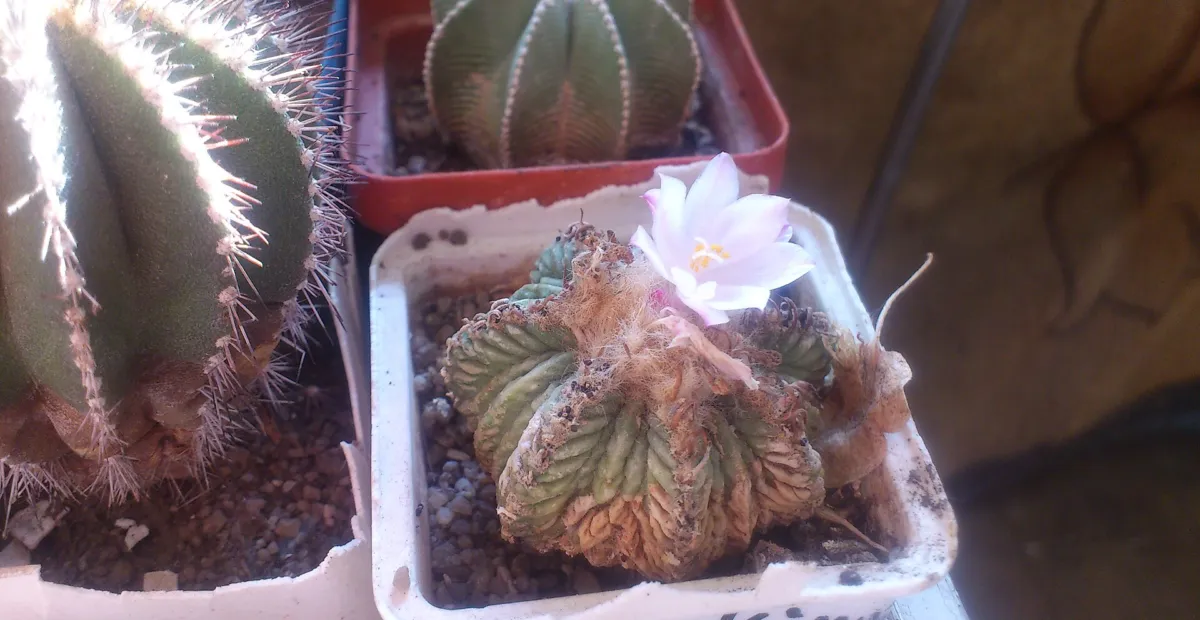
The plant has a flattened to globular gray-green stem with coarse transverse wrinkles crossing the ribs. The apex is slightly depressed and densely woolly, while spines are few, weak or absent. Older plants may offset slowly, and the contrasting pale wool, rib texture and compact body are key identification features.
Flowering
Mature plants produce very small flowers from the woolly apex. Reported blooms are white to pinkish, sometimes with darker mid-stripes on the outer petals, and are generally associated with the warm summer growing period in cultivation. Flowering can be delayed by the species’ extremely slow growth and is more likely on established plants.
Pollination and visitors
Reliable species-specific pollinator records were not located. The flowers are small and short-lived, but available evidence is insufficient to assign a documented animal visitor group or attraction level.
Aztekium ritteri photos
Click any photo for a larger view. Source, author and license are shown separately.
Diseases and pests
Diseases
The main risks are root rot and fungal decay caused by cool, wet conditions or poor drainage. Use sterile, porous media, water only when the plant is actively growing and dry, and isolate plants showing soft tissue or spreading discoloration. Remove affected tissue only with sterile tools; severe rot may be irreversible.
Pests
Watch for mealybugs, scale and root pests, especially on stressed or grafted plants. Inspect the woolly apex, areoles and roots regularly. Remove small infestations with a targeted cotton-swab treatment or an appropriate labeled insecticide, and avoid repeated unnecessary pesticide use in enclosed spaces.
Related diseases and pests
Only Plant Doctor profiles whose host data indicate this plant may be affected are shown here.
 PestCotton mealybugPhenacoccus solenopsis Tinsley
 DiseaseRhizopus soft rotRhizopus stolonifer
 DiseaseBacterial soft rotPectobacterium carotovorum
 PestCottony Cushion ScaleIcerya purchasi
 PestObscure mealybugPseudococcus viburni
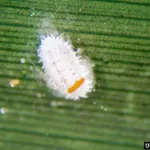 PestCitrus mealybugPlanococcus citri
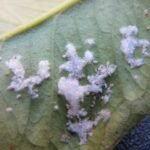 PestWoolly whiteflyAleurothrixus floccosus
Toxicity and pollen
No reliable authoritative evidence was located establishing clinically significant toxicity for Aztekium ritteri. Do not treat that absence as proof of safety: avoid ingestion, keep it away from children and pets, and handle carefully because the plant may have small spines or abrasive tissues. Its protected status and unusual chemistry also make experimentation inappropriate.
- Pollination / pollen
- Flower pollen; dispersal relevance undocumented
This is a flowering cactus, so pollen is produced during flowering, but reliable data on airborne dispersal, allergenicity and clinical allergy relevance for this exact species were not located. Do not assume zero allergy risk solely because cacti are often insect-pollinated; use normal precautions around flowers and pollen.
Native habitat
It is native to northeastern Mexico, where it occurs in desert or dry-shrubland settings associated with rocky, often calcareous terrain. Habitat descriptions emphasize steep rock surfaces and protected exposures rather than deep, moisture-retentive soil. The plant experiences intense light, rapid drainage, seasonal wetting and pronounced dry periods.
Interesting fact
The species is among the slowest-growing cultivated cacti, with annual growth reported at only a few millimeters. Its deeply wrinkled ribs and nearly spineless gray-green body give it a sculptural appearance unlike most small globular cacti. Grafting is used by specialist growers to shorten the juvenile phase, but own-root plants remain highly valued.
Frequently asked questions (FAQ)
The most relevant questions about this plant, with short and direct answers.
🌱Quick care
How do you care for Aztekium ritteri?⌄
Grow Aztekium ritteri in bright filtered light, very gritty mineral soil, sparse watering, and frost-free conditions. Let the mix dry completely before watering and keep it drier during winter.
Is Aztekium ritteri a good cactus for beginners?⌄
Aztekium ritteri is generally better suited to experienced cactus growers because it grows extremely slowly and is prone to rot when overwatered. A nursery-grown, established specimen is easier than raising one from seed.
How big does Aztekium ritteri get?⌄
Aztekium ritteri usually remains a small, solitary cactus, commonly reaching roughly 2 inches across in cultivation. Grafted plants may grow faster and become larger or produce offsets than plants on their own roots.
🌤️Environment and placement
How much light does Aztekium ritteri need indoors?⌄
Provide bright filtered or indirect light, with gentle morning or late-afternoon sun if the plant acclimates gradually. Strong midday sun through glass can scorch or discolor the body.
Can Aztekium ritteri grow in full sun?⌄
Aztekium ritteri can tolerate some direct sun, but filtered light or partial shade is safer in cultivation. Increase exposure gradually and protect it from intense summer-afternoon sunlight.
What temperature is best for Aztekium ritteri?⌄
Keep Aztekium ritteri warm during active growth and protect it from frost. A completely dry plant may tolerate a brief light chill, but sustained freezing is risky, especially in containers.
Can Aztekium ritteri grow outdoors in the United States?⌄
It can grow outdoors year-round only in warm, frost-free locations with excellent drainage and rain protection. In most of the United States, grow it in a container and move it indoors or into a protected greenhouse before freezing weather.
What USDA zones are suitable for Aztekium ritteri?⌄
Aztekium ritteri is best treated as a frost-tender plant and is safest outdoors year-round only in warm USDA-style climates comparable to Zones 10–11. Even there, wet winter conditions can cause rot, so overhead rain protection is useful.
💧Care and problems
How often should you water Aztekium ritteri?⌄
Water thoroughly only after the mineral mix has dried completely, then allow excess water to drain away. During active growth this may mean occasional watering several weeks apart, while winter watering should be minimal.
How do you know when Aztekium ritteri needs water?⌄
Check that the potting mix is dry all the way through before watering Aztekium ritteri. A slightly wrinkled body can indicate thirst, but persistent softness, yellowing, or darkening is more concerning for excess moisture or rot.
Why is my Aztekium ritteri turning brown?⌄
A brown or bronzed surface may result from intense sunlight, stress, aging, or scarring rather than a single problem. Move it to brighter filtered light and inspect for soft tissue, pests, or spreading discoloration.
Why is my Aztekium ritteri soft?⌄
Softness usually indicates overwatering, root loss, or rot rather than normal thirst. Stop watering, check the roots and lower body, and repot only if damaged tissue or a persistently wet mix is present.
Does Aztekium ritteri need fertilizer?⌄
Fertilizer is optional and should be used sparingly during active growth. If feeding, use a diluted low-nitrogen cactus fertilizer no more than once or twice per growing season.
What pests affect Aztekium ritteri?⌄
Mealybugs and root pests can hide in its deeply furrowed ribs or around the roots. Inspect with a magnifying glass and treat promptly with a cactus-safe method, avoiding prolonged moisture in the crevices.
🪴Planting and repotting
What soil is best for Aztekium ritteri?⌄
Use a very gritty, predominantly mineral cactus mix with excellent drainage and little organic matter. Pumice, lava rock, coarse grit, and other porous mineral components are preferable to moisture-retentive potting soil.
Does Aztekium ritteri need gypsum or limestone in its soil?⌄
A mineral mix containing some gypsum or limestone can reflect its calcareous, gypsum-associated habitat, but no single ratio is essential. Avoid making the mix dense or water-retentive, and use caution if your irrigation water is already highly alkaline.
What type of pot is best for Aztekium ritteri?⌄
Choose a small pot with a drainage hole that accommodates the taproot without leaving excessive unused soil. Unglazed clay can help the mix dry faster, while any container is suitable if watering is carefully controlled.
How often should Aztekium ritteri be repotted?⌄
Repot Aztekium ritteri only when the roots have filled the container, the mix has broken down, or there is a health problem. Because it grows slowly, repotting every several years may be sufficient.
When is the best time to repot Aztekium ritteri?⌄
Repot in late winter or spring as active growth is beginning, using completely dry or barely dry soil. After repotting, wait several days before watering so damaged roots can callus.
✂️Propagation and pruning
How do you propagate Aztekium ritteri?⌄
Aztekium ritteri is primarily propagated from seed, although specialist growers often graft seedlings to accelerate growth. Seed propagation is slow and difficult, while rooting offsets or degrafted pieces is generally unreliable.
How long does Aztekium ritteri take to grow from seed?⌄
Seed-grown Aztekium ritteri develops very slowly and may take many years to reach flowering size. The first months are especially delicate, so stable warmth, controlled humidity, cleanliness, and careful light are important.
Why is Aztekium ritteri grafted?⌄
It is grafted mainly to increase growth speed and improve survival during the vulnerable seedling stage. Grafted plants may look greener, grow more vigorously, and offset more readily than traditional slow-grown plants on their own roots.
Can you grow Aztekium ritteri from cuttings?⌄
Cuttings and offsets are not the usual reliable propagation method for Aztekium ritteri. Pieces from grafted plants may sometimes be rooted, but success is uncertain and substantially lower than with seed or established grafting.
⚠️Toxicity and safety
Is Aztekium ritteri toxic to pets?⌄
The toxicity of Aztekium ritteri is not sufficiently established for a confident pet-safety claim. Keep it away from pets and children, and do not allow anyone to chew or ingest the plant.
Can you eat Aztekium ritteri?⌄
Do not eat Aztekium ritteri because its human edibility and safe dosage are not established. Its rarity, conservation concerns, and possible cactus alkaloids make ingestion inappropriate.
Is Aztekium ritteri protected or difficult to source legally?⌄
Buy Aztekium ritteri only from reputable growers offering nursery-propagated plants or legally documented seed. Rare cactus trade can involve conservation and import restrictions, so verify the seller’s provenance and any United States requirements.
🌸Flowering and special interest
Does Aztekium ritteri flower?⌄
Yes, mature Aztekium ritteri can produce small pale pink to whitish flowers from the crown. Flowering is much slower and less predictable on own-root plants than on vigorous grafted specimens.
How old does Aztekium ritteri need to be before flowering?⌄
There is no fixed flowering age, but seed-grown plants commonly require many years and may take roughly a decade or longer under ordinary cultivation. Grafting can bring plants to flowering size sooner, sometimes within a few years.
Why is my Aztekium ritteri not flowering?⌄
The plant may simply be too young or growing too slowly, especially if it is seed-grown. Adequate bright light, a dry winter rest, mature roots, and avoiding excessive fertilizer can support flowering, but none guarantees it.
Similar plants
 Azure Monkshood (Aconitum carmichaelii) care guideAconitum carmichaelii
 Monkshood (Aconitum ‘Stainless Steel’)Aconitum 'Stainless Steel'
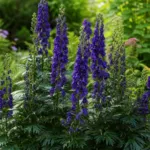 Monkshood (Aconitum ‘Bressingham Spire’)Aconitum 'Bressingham Spire'
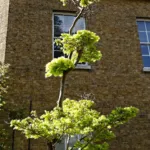 Golden full moon maple (Acer shirasawanum ‘Aureum’)Acer shirasawanum 'Aureum'
 Globosum (Acer platanoides ‘Globosum’)Acer platanoides 'Globosum'
 Striped maple (Acer pensylvanicum) care guideAcer pensylvanicum